
Outstanding 40 mil HDPE Liner and 1mm geomembrane pond liner
If you’re looking for a durable, long-lasting solution for lining ponds, reservoirs, landfills, or containment areas, HDPE liners are a top choice. No matter 1mm HDPE liners and 40 mil HDPE liners, these products have become industry standards for waterproofing and containment.


What Is a 40 mil or1mm HDPE Liner?
HDPE, or High-Density Polyethylene, is a type of plastic known for its durability, flexibility, and resistance to chemicals.A 40 mil HDPE liner is a geomembrane made from high-density polyethylene material with a thickness of 1 millimeter or 40 mils. It is lightweight yet highly durable, offering excellent resistance to punctures, UV exposure, and chemicals. This makes it a go-to material for lining ponds, waste containment systems, and agricultural applications.
Key Features of 1mm HDPE Liners:
– Flexibility:Despite its strength, the 1mm thickness allows for easy handling and installation, even in complex pond shapes.
– Durability:The 1mm HDPE liner is tough, offering excellent resistance to punctures and tears. This makes it perfect for ponds that may have sharp rocks or roots.
– Waterproofing: Completely impermeable, preventing leaks and contamination.
– Chemical Resistance: Withstands exposure to fertilizers, oils, and other chemicals.
– Eco-Friendly: HDPE is recyclable, making it a sustainable choice for your project.
What Is a 40 Mil HDPE Liner?
A 40 mil HDPE liner is another name for a geomembrane with a thickness of approximately 1mm (1 millimeter equals 39.37 mils). It’s often marketed as a 40 mil liner because “mil” is a commonly used measurement in the U.S. for plastic and liners. These liners are popular for medium- to large-scale projects, such as wastewater treatment facilities, large ponds, and mining containment.
Differences Between 1mm and 40 Mil HDPE Liners
Since 1mm and 40 mil liners are essentially the same thickness, the difference is mostly in how the measurement is expressed. However, you might find slight variations depending on the manufacturer or regional standards.


Applications for 1mm and 40 Mil HDPE Liners
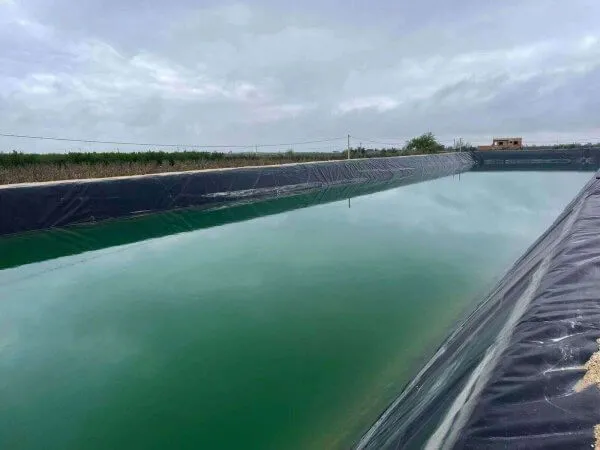
- Fish Ponds: Prevents seepage and creates a safe, waterproof environment for fish farming.
- Agricultural Ponds: Ideal for irrigation ponds and water storage.
- Reservoirs: Provides an effective barrier to retain water.HDPE liners are commonly used in ornamental ponds, koi ponds, and other water features due to their reliability and ease of installation.
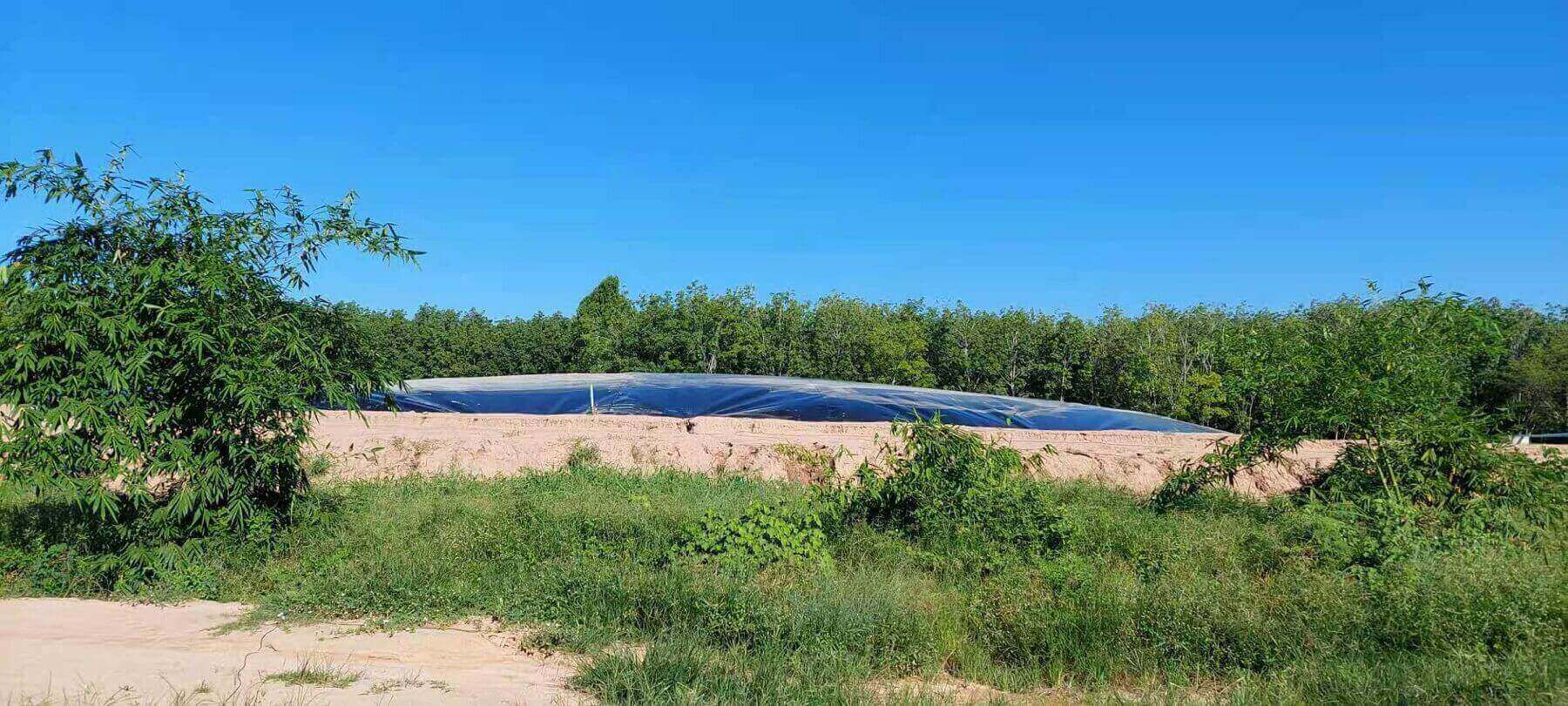
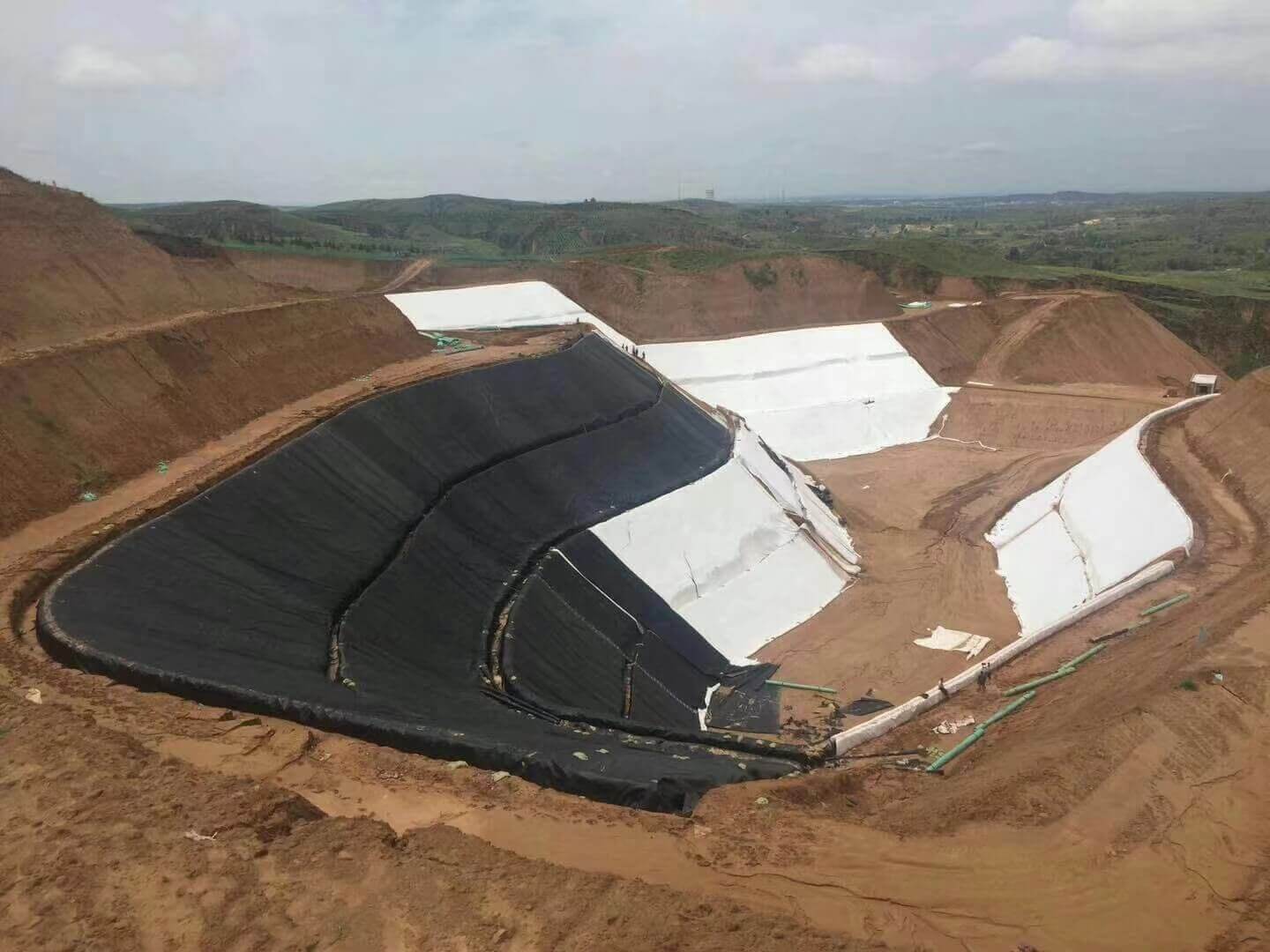
- Waste Containment: Often used in landfills to prevent leachate from contaminating the soil.The chemical resistance of HDPE makes it ideal for lining landfills and waste containment systems, preventing leachate from contaminating the surrounding environment.
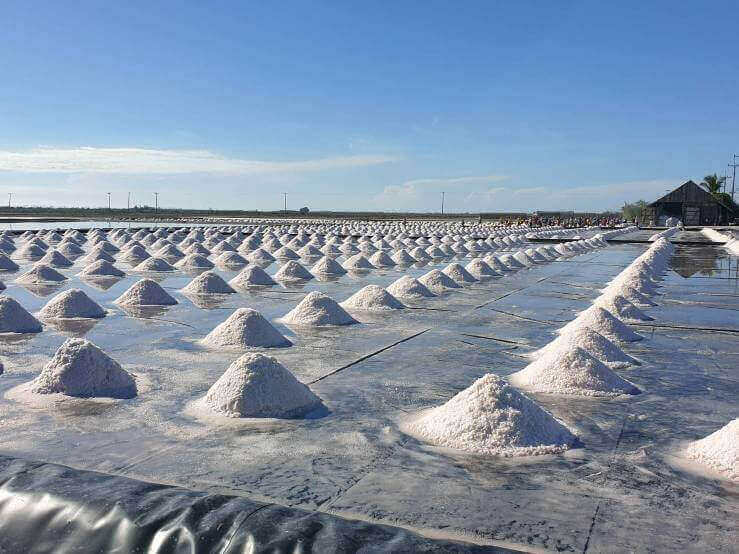
- Industrial Containment: Used for wastewater ponds and industrial runoff.
- Mining Operations: Provides a durable layer to prevent leaks of hazardous materials.HDPE liners are used in mining operations for heap leach pads and tailings dams, as well as in various industrial applications requiring chemical-resistant containment.




Benefits of Using HDPE Liners
Both 1mm HDPE liners and 40 mil HDPE liners offer several benefits:
- Cost-Effective: Affordable and offers excellent long-term value.
- Durable: Highly resistant to punctures, tears, and chemical exposure.
- UV Resistant: Can withstand prolonged exposure to sunlight without degrading.
- Flexible: Despite their strength, they are flexible enough for easy installation.
- Low Maintenance: Once installed, they require minimal upkeep.
How to Choose the Right Pond Liner
Here’s a quick guide to help you select the best liner for your project:
Thickness Needs: For shallow ponds or smaller projects, 1mm HDPE liners are often sufficient.For larger, deeper projects or areas with harsher conditions, opt for 40 mil liners or thicker options.
Type of Use: If you’re lining a fish pond, make sure the liner is food-grade and safe for aquatic life.For industrial or chemical containment, look for a liner with high chemical resistance.
Budget:Thinner liners tend to be more affordable but may have a shorter lifespan in harsh conditions. Consider long-term durability when deciding.
How to Install an HDPE Liner
- Subgrade Preparation: Proper preparation of the subgrade is crucial. Remove all sharp objects and ensure the surface is smooth. Using a geotextile underlayment can provide an extra layer of protection.
- Handling and Unrolling: HDPE liners can be heavy, so it’s important to have enough manpower or machinery to handle them without causing damage. Unroll the liner carefully to avoid stretching or tearing.
- Seam Welding Techniques: Welding HDPE liners requires precision. The most common methods are extrusion welding and fusion welding. Both require specialized equipment and skilled technicians to ensure a watertight seal.
- Anchor Trenches: Creating anchor trenches around the perimeter of the liner helps secure it in place and prevents it from shifting over time.
Maintenance and Longevity
- Regular Inspections: Periodically inspect the liner for signs of damage or wear. Repair any punctures or tears promptly to prevent leaks.
- UV Protection: Although HDPE is UV-resistant, prolonged exposure to sunlight can still degrade the material over time. If possible, cover the liner with soil, rocks, or other materials to protect it from direct sunlight.
- Cleaning and Debris Removal: Keep the liner clean and free of debris. Organic matter can decompose and produce acids that may damage the liner over time.


FAQ About HDPE Liners
1.What Is the Cost of a 40 Mil Pond Liner?
-The cost varies depending on the material,size, quantity, technical data. Please tell me your requirements, and i check the best price for you,FOB price range$1.1 to $1.6 per square meter.
2.How Thick Is a 40 Mil HDPE Liner?
-A 40 mil liner is approximately 1mm thick,normally we consider 40mil equal to 1mm thickness.
3.which supplier is good for 40mil or 1mm hdpe geomembrane?
-Here is a simple introduction for manufacturer and suppliers, Trusted Top HDPE Geomembrane Supplier 2025.
4.What Is the Lifespan of an HDPE Liner?
-HDPE liners typically last 5-30 years, depending on material,exposure to UV, chemicals, and physical wear.
5.Can HDPE Liners Be Recycled?
-Yes, HDPE liners are recyclable, making them an environmentally friendly choice.
People Also Ask
1.What Is the Best Material for a Pond Liner?
-HDPE is one of the best materials for pond liners due to its durability, flexibility, and affordability.
2.Is 1mm HDPE Liner Good for Fish Ponds?
-Yes, 1mm HDPE liners are excellent for fish ponds because they are waterproof, safe for aquatic life, and long-lasting.
3.How to Repair a hole in an HDPE Liner?
-Holes can be repaired using hot wedge welding machine and hot air machine.
After these words,you can know more about the 40mil and 1mm thickness geomembrane, and if you’re looking for HDPE pond liners supplier, please feel free to contact us. we can also help you determine the best thickness and specifications for your specific project.We can also provide the Geotextile, Geogrid, and welding machines for projects.
Recent Post
Aquaculture Pond Lining in Indonesia | From Design to Installation
From Project Drawing to Water Filling: An Aquaculture Pond Lining Project in Indonesia This aquaculture pond project in Indonesia started with a project drawing.The customer firstly contacted us
When Is Geotextile Really Necessary?
When Is Geotextile Really Necessary in Civil Engineering Projects? Geotextiles are widely used in modern infrastructure and environmental engineering. However, a common question among engineers, designers, and contractors is: Is geotextile always necessary? In
Woven Polypropylene Geotextile Manufacturer | Engineering Grade & Landscape Fabric
Woven Polypropylene Geotextile Manufacturer | Engineering Grade & Landscape Fabric By Planetliner — Manufacturer of High-Performance Woven PP Fabrics for Global Projects Woven polypropylene geotextile has become a fundamental material in civil engineering, environmental protection,