
Why You Need a Bamboo Root Barrier for Your Garden?
Bamboo is a beautiful, fast-growing plant that can add a tropical touch to any garden. It’s loved in many countries like the United States, Australia, the UK, and even parts of Europe. People use it for privacy screens, windbreaks, and decorative landscaping. But while bamboo looks great, it can become a big problem if not controlled properly.
That’s where a bamboo root barrier , also called a bamboo rhizome barrier, popular for the bamboo garden. As a manufacturer and exporter of bamboo root barriers, we have heard the horror stories of bamboo invading a neighbor yard in the United States, and we have helped gardeners in the United Kingdom to make a contained bamboo features.
What Is a Bamboo Root Barrier?
A bamboo root barrier, sometimes called a bamboo rhizome barrier, is a strong, waterproof sheet that you install in the ground to surround your bamboo planting area. Its job is to block the underground rhizomes from spreading where you don’t want them to go.
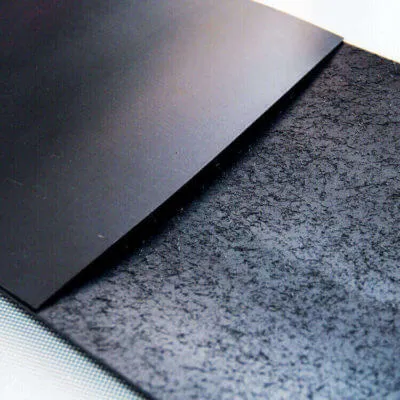
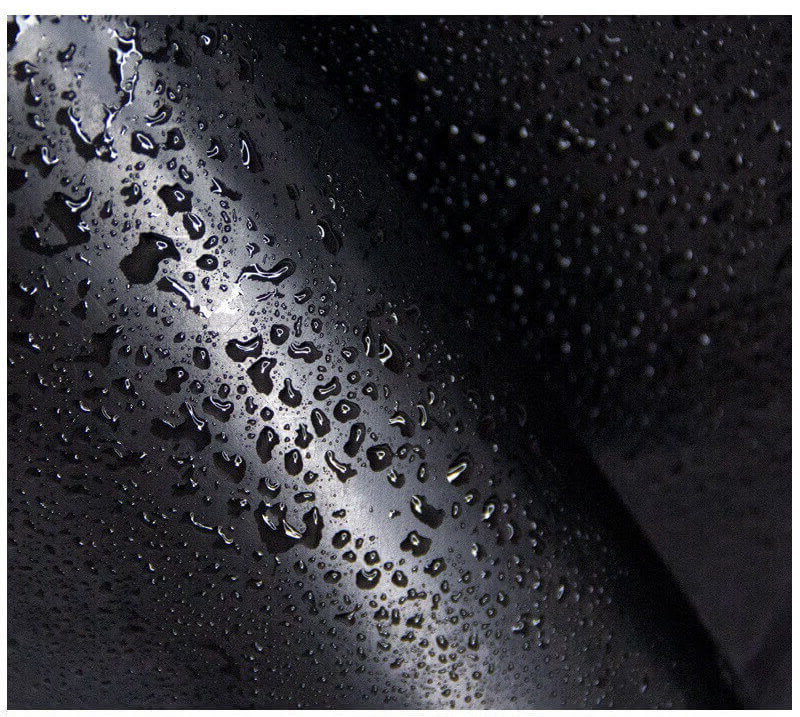
A bamboo root barrier is mostly made from High Density Polyethylene (HDPE). This material is tough enough to stop even the most strong bamboo rhizomes, and it does not rust or rot, so it will protect your garden for many years.
Why Bamboo Can Be a Problem?
Bamboo has many kinds,especially running bamboo are extremely invasive. In places like California, Florida, and New South Wales (Australia), gardeners often underestimate how far and fast bamboo grows. In fact, a small bamboo patch can turn into a backyard jungle in just a few years.
In the UK, where gardens are smaller, uncontrolled bamboo can lead to problem between neighbors. In the US, there are even local laws in some states that require homeowners to control their bamboo or face fines.
How a Bamboo Rhizome Barrier Works?
When you install a planting bamboo barrier, you are basically creating a wall underground. The thick HDPE sheet is buried vertically around the area where you plant the bamboo. This prevents the rhizomes from escaping and forces the plant to grow upwards instead of sideways.
The barrier usually goes 24 to 36 inches (60–90 cm) deep. In colder climates like Canada or northern Europe, bamboo does not spread as aggressively, so a 24-inch barrier may be enough. In warmer zones, go deeper.
Where to Use a Bamboo Root Barrier?
Backyards – to create a natural privacy wall without worrying about bamboo spreading
Public parks and landscaping projects – especially in places like southern U.S. cities where bamboo is popular
Commercial gardens and nurseries – to keep bamboo contained in pots or designated planting zones
Urban gardens – where space is limited and root control is essential
Many landscapers in places like California, Texas, Queensland, and the UK already use barriers as a standard part of planting bamboo.
Choosing the Right Bamboo Root Barrier
When you are looking for a bamboo root barrier, there are two key things to consider: thickness and depth.
Thickness: We recommend a barrier that is at least 60-mil (1.5mm) thickness. If too thin, it is not strong enough to stop a vigorous rhizome. For particularly aggressive types of bamboo, or for extra peace of mind, an 80-mil (2mm) barrier is a great choice. Our HDPE geomembrane use the 100%virgin new material, no any recycled material, has good strength, chemical resistance, puncture resistant and tear resistant.
Depth: A depth of 24 inches (60 cm) is usually ok for most running bamboo varieties. This is because the roots tend to grow in the top 18 inches (45 cm) of soil. A 30-inch (75 cm) deep barrier provides even more security.
As an experienced supplier and exporter of hdpe geomembrane, we know that different regions have different needs. In parts of Australia where the soil is sandier, rhizomes might go a bit deeper, so a 30-inch barrier is often preferred. In the Netherlands, where gardens can be more compact, a 24-inch barrier is a popular choice for creating well-defined bamboo hedges.


How to Install Bamboo Root Barrier?
Installing a planting bamboo barrier is a leisure project that will save you years of worry.
- Dig a Trench: The first step is to dig a narrow trench around the area where you want to plant your bamboo. The trench should be as deep as your barrier. So, for a 24-inch barrier, dig a 22-inch deep trench. You want the barrier to stick out about 2 inches (5 cm) above the ground. This is very important, as it will help you spot any rhizomes that try to “jump” over the top.
- Place the Barrier in the Trench: Roll out the bamboo root barrier and place it in the trench. It’s a good idea to have the smooth side of the barrier facing the bamboo. If you need to join two pieces of the barrier, overlap them by at least 2 feet (60 cm) and use a welding machine to create a secure seam,otherwise rhizomes will run through!
- Create a Slight Angle: As you backfill the trench with soil, try to angle the barrier slightly outwards, away from the bamboo. This encourages the rhizomes to grow upwards when they hit the barrier, making them easier to spot and trim.
- Backfill and Plant: Fill the trench with soil, push it down as you go to remove any air pockets. Now you are ready to plant your bamboo inside the barrier.
- Regular Checks: Every year, take a walk around your bamboo and inspect the top edge of the barrier. If you see any rhizomes trying to escape over the top, simply cut them off . This little bit of maintenance is all it takes to keep your bamboo perfectly contained.
Why Choose Us – A Trusted Bamboo Root Barrier Manufacturer
We’re a professional bamboo root barrier manufacturer and exporter with over 10 years of experience. Our HDPE barriers are strong, flexible, UV-resistant, and built to last for many years underground.
Whether you are a homeowner planting bamboo for the first time or a landscape contractor managing a large project, we can provide the right barrier for your needs.
Our root barriers come in various thicknesses (usually 1.0mm to 2.0mm) ,and We also offer custom sizes and bulk orders for large landscaping projects.


Common Questions from Our Customers
Q: Can I use a bamboo root barrier for clumping bamboo?
A: It’s not necessary. Clumping bamboo spreads slowly and stays tight. Barriers are mostly needed for running bamboo species like Phyllostachys.
Q: Will the barrier hurt the bamboo?
A: No, it simply redirects growth. Your bamboo will still grow healthy and tall – just where you want it to!
Q: How long does the barrier last?
A: Our HDPE barriers last 30+ years underground with no problem.
Q: Is it eco-friendly?
A: Yes! Using a barrier reduces the need for harsh chemicals or digging out unwanted bamboo later.
A bamboo root barrier gives you peace of mind, whether you are planting a small backyard screen or designing a large landscape project.
If you’re in the US, UK, Australia, or anywhere bamboo is popular,do not skip the barrier. It’s a small investment that saves you time, money, and trouble down the road.
Contact our team today,we’ll be happy to support your bamboo planting journey!Follow our Linkedin Facebook for more informations!
Recent Post
Aquaculture Pond Lining in Indonesia | From Design to Installation
From Project Drawing to Water Filling: An Aquaculture Pond Lining Project in Indonesia This aquaculture pond project in Indonesia started with a project drawing.The customer firstly contacted us
When Is Geotextile Really Necessary?
When Is Geotextile Really Necessary in Civil Engineering Projects? Geotextiles are widely used in modern infrastructure and environmental engineering. However, a common question among engineers, designers, and contractors is: Is geotextile always necessary? In
Woven Polypropylene Geotextile Manufacturer | Engineering Grade & Landscape Fabric
Woven Polypropylene Geotextile Manufacturer | Engineering Grade & Landscape Fabric By Planetliner — Manufacturer of High-Performance Woven PP Fabrics for Global Projects Woven polypropylene geotextile has become a fundamental material in civil engineering, environmental protection,