
The Right Biofloc Tank Liner Material for Optimal Water Quality and Yield
Why Biofloc Systems Demand Specialized Containment?
The Biofloc Technology (BFT) represents a paradigm shift in aquaculture, allowing high-density cultivation with minimal water exchange. Unlike traditional earthen ponds, BFT relies on a precise, controlled environment where beneficial bacteria manage water quality. This highly technical system places immense stress on its containment infrastructure.
A standard HDPE pond liner is often sufficient; the system requires a specialized Biofloc Tank Liner Material that can withstand constant aeration, specialized nutrient chemistry, and the high friction from constant cleaning and maintenance. Selecting the wrong material can lead to costly failures, water toxicity, and massive crop loss.
Essential Criteria for Biofloc Tank Liner Material Success
The liner is the foundation of any Biofloc system. Procurement managers must prioritize three critical material properties:
1. Non-Toxicity and Food Grade Compliance
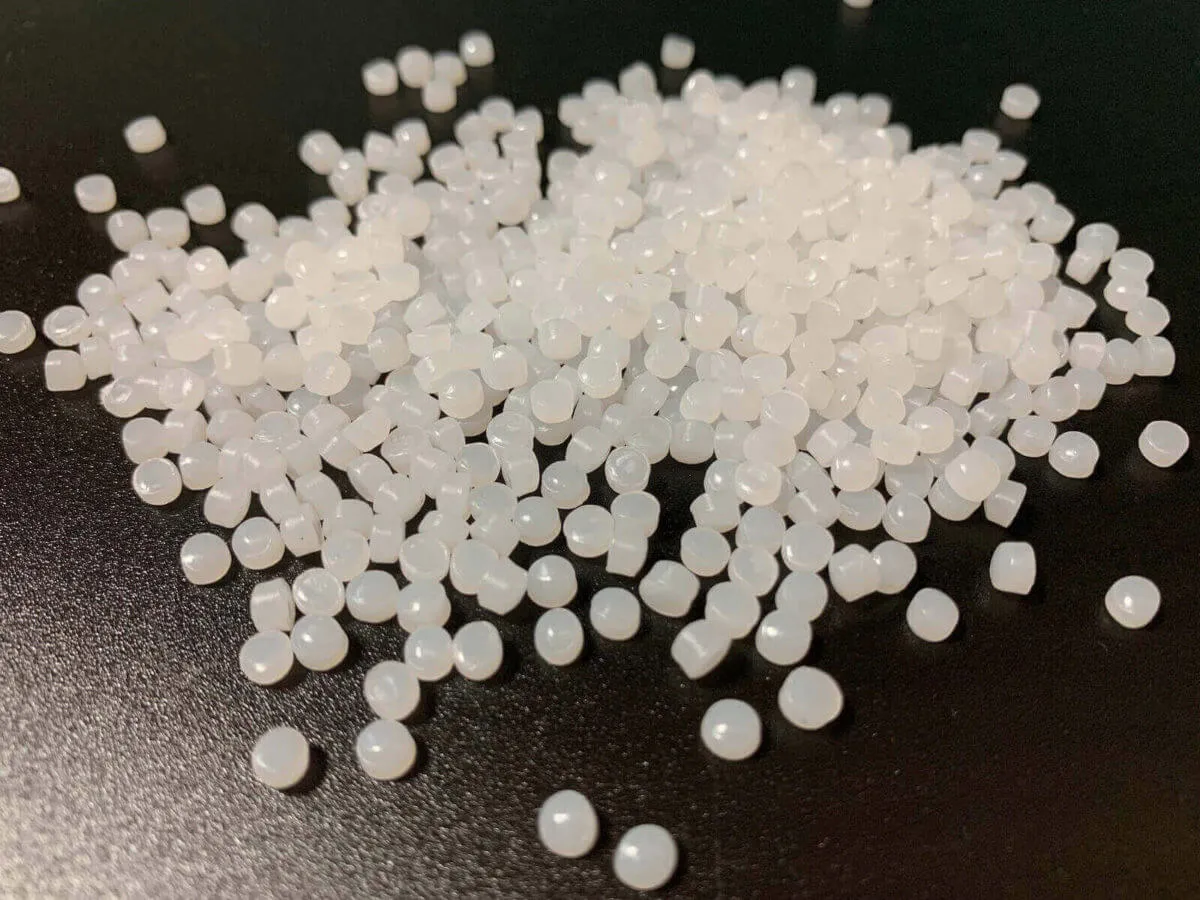
In BFT, the water is not changed; it is perpetually recirculated and reused. The Biofloc Tank Liner Material must be inert, ensuring no harmful chemicals, plasticizers, or heavy metals leach into the water column. This is crucial for food-grade compliance and maintaining the health of the microbial floc. PlanetLiner guarantees its Virgin HDPE Geomembrane is manufactured without any recycled materials that could introduce toxins, ensuring the integrity of your seafood products.
2. Chemical and Abrasion Resistance
BFT environments are characterized by high pH fluctuations and increased concentrations of nitrogenous compounds. The liner must possess superior chemical resistance. Furthermore, constant aeration, high stocking densities, and the use of heavy cleaning tools require a robust material that can withstand high levels of abrasion.
3. Surface Properties: Smooth vs. Textured
While traditional fish farm liners sometimes use textured surfaces for slope stability, BFT tanks generally benefit from a smooth finish. A smooth Biofloc Tank Liner Material prevents excessive sludge accumulation, making the periodic removal of settled solids easier and more efficient, thus maintaining optimal water clarity and system hygiene.
HDPE vs. Alternatives: The Best Choice for Biofloc
While various aquaculture geomembrane materials exist, High-Density Polyethylene (HDPE) consistently emerges as the most suitable material for high-intensity BFT projects.
| Material | Key Advantage | Key Disadvantage | Best for Biofloc? |
| HDPE | Excellent Chemical Resistance, Durability, UV Resistance | Less flexible than LLDPE, requires professional welding. | Yes, Best Option |
| PVC | Very flexible, easy DIY repair. | Less chemical/UV stable, uses plasticizers that can leach. | No (Toxicity Risk) |
| EPDM | Extreme flexibility, good cold tolerance. | Expensive, lower puncture resistance for the cost, high abrasion risk. | No (Cost/Puncture) |
Procurement & Custom Fabrication: Partnering with PlanetLiner 
Choosing the Biofloc Tank Liner Material is only the first step. The quality of the fabrication and installation dictates the project’s success.
Thickness Recommendation: 0.75mm HDPE for Reliability
While 0.5mm HDPE may be considered for smaller, non-commercial fish ponds, the standard for commercial Biofloc systems is 0.75mm HDPE (30 Mil). This added thickness provides the necessary safety margin against accidental punctures from equipment and increases the liner’s long-term abrasion durability, which is essential for a system designed to run continuously for years.
Custom Fabrication and Seam Integrity
The highest quality Biofloc tanks utilize custom-fabricated HDPE Fish Farm Liner panels that are welded in a factory-controlled environment. PlanetLiner provides factory-welded panels customized to your exact tank dimensions. This approach significantly reduces the amount of risky, error-prone field welding, maximizing seam integrity and minimizing the potential for leaks.
Securing Your Investment with PlanetLiner
A reliable Biofloc Tank Liner Material is not a commodity; it is a long-term asset. By insisting on Virgin HDPE Geomembrane and partnering with a supplier that understands the technical demands of BFT, you secure a foundation that will ensure years of successful, high-yield aquaculture production.
Ready to upgrade your containment system with the industry’s best Biofloc Tank Liner Material? Contact us for a technical consultation. Our free samples can be sent for your check. Please follow our Linkedin Facebook Youtube for More informations !
Recent Post
Aquaculture Pond Lining in Indonesia | From Design to Installation
From Project Drawing to Water Filling: An Aquaculture Pond Lining Project in Indonesia This aquaculture pond project in Indonesia started with a project drawing.The customer firstly contacted us
When Is Geotextile Really Necessary?
When Is Geotextile Really Necessary in Civil Engineering Projects? Geotextiles are widely used in modern infrastructure and environmental engineering. However, a common question among engineers, designers, and contractors is: Is geotextile always necessary? In
Woven Polypropylene Geotextile Manufacturer | Engineering Grade & Landscape Fabric
Woven Polypropylene Geotextile Manufacturer | Engineering Grade & Landscape Fabric By Planetliner — Manufacturer of High-Performance Woven PP Fabrics for Global Projects Woven polypropylene geotextile has become a fundamental material in civil engineering, environmental protection,