
Can i Lay a New Pond Liner Over an Old One? HDPE Geomembrane Replacement Guide
1. Understanding Pond Liners and Why They Matter
A pond liner is essential for keeping your pond water, preventing leaks, and protecting the surrounding soil. Whether you have a fish pond, farm pond, or decorative garden pond, a high-quality liner like an HDPE geomembrane can keep water level and long-lasting durability.
However, all pond liners — even the best plastic pond liners — would wear out. UV rays, roots, and water pressure cause small cracks or leaks. That is when many pond owners ask:Can I lay a new pond liner over an old one?
2. Can You Lay a New Pond Liner Over an Old One?
Yes – in some cases, you can install a new pond liner over an old one, but it depends on the condition of the existing liner and the pond structure.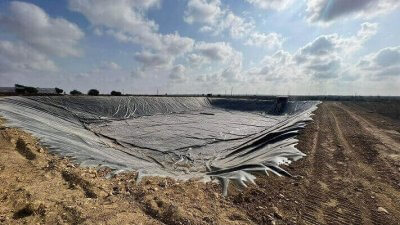
If your old liner is still mostly intact (no sharp edges, tears, or chemical damage), placing a new HDPE liner on top can save time and effort. However, if it is damagedor uneven, full removal is the better option.
When It is Okay to Overlay:
The old pond liner is smooth and still stable.
There are no sharp stones, roots, or wrinkles.
You add a protective geotextile layer between the old and new liner.
The new liner (e.g., HDPE geomembrane) is flexible enough to shape over the old surface.
When You Should Remove the Old Liner:
The old liner has severe cracks or holes.
Water is trapped between layers.
There’s heavy root intrusion or bacterial growth.
In short, overlaying can work — but only if the base layer is safe. Otherwise, replacing the liner entirely ensures long-term stability.
The Risks of Installing New Liners Over Old Ones
Placing a new pond liner directly over an old one creates significant risks that can compromise your pond’s integrity:
Breeding ground for bacteria: The space between liners provides an ideal environment for harmful bacteria and microorganisms to thrive.
Puncture transmission: Any sharp objects, rocks, or roots that damaged the original liner may eventually puncture the new one as well.
3. How Often Should You Replace a Pond Liner?
The frequency of pond liner replacement largely depends on the material of your liner. Here is a general breakdown of the lifespan you can expect from common pond liner materials:
- PVC (Polyvinyl Chloride): Often the most affordable option, PVC liners typically last between 10 to 15 years. They can be susceptible to UV degradation over time, which can make them brittle and prone to cracking.
- EPDM (Ethylene Propylene Diene Monomer): A popular choice for its flexibility and durability, EPDM rubber liners can have a lifespan of 20 to 30 years. They are more resistant to UV rays and temperature fluctuations than PVC liners.
- HDPE (High-Density Polyethylene): For those seeking the pinnacle of longevity and durability, HDPE liners are the answer. An HDPE geomembrane liner can last for over 40 years, and in some cases, even longer. Its exceptional resistance to UV radiation, chemicals, and punctures makes it a superior choice for a wide range of water containment applications.
| Pond Liner Type | Average Lifespan | Replacement Frequency |
|---|---|---|
| PVC Pond Liner | 5–10 years | Frequent replacement |
| EPDM Rubber Liner | 15–20 years | Moderate |
| HDPE Geomembrane (Planetliner) | 25–50 years | Rarely needed |
If you are using a low-quality plastic pond liner, expect leaks or tears within a few years. A premium HDPE liner, like Planetliner HDPE geomembrane, resists UV rays, chemicals, and punctures — extending pond life significantly.
Signs It is Time to Replace pond liner:
Visible cracks or holes
Frequent water loss
Algae or odor from trapped leaks
Fading or brittle liner surface
If two or more signs appear, it’s best to replace the pond liner before it causes bigger maintenance problems.
4. Why Choose Planetliner HDPE Geomembrane liner
Planetliner manufactures high-quality HDPE pond liners designed for durability, water safety, and environmental protection. Whether you need a farm pond liner, fish pond liner, or industrial water reservoir liner,The benefits of choosing a Planetliner HDPE pond liner are numerous: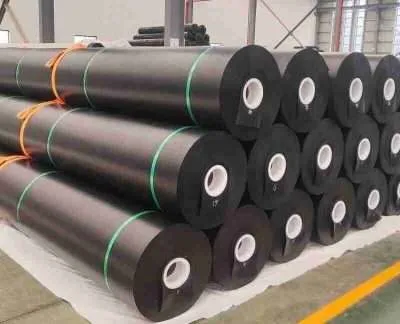
- Unmatched Durability: Our HDPE geomembranes are highly resistant to tears, punctures, and the stresses of environmental factors.
- Superior UV Resistance: Planetliner products are designed to withstand prolonged sun exposure without degrading, ensuring a long and reliable service life.
- Chemical Resistance: For ponds that may be exposed to various treatments or agricultural runoff, our HDPE liners provide an impermeable and non-reactive barrier.
- Flexibility and Strength: Despite their incredible strength, our liners remain flexible enough for custom pond designs, ensuring a perfect fit for your unique project.
If you are upgrading your pond, Planetliner HDPE liner is an ideal replacement that ensures long-term reliability and minimal maintenance.
5. Installation Tips for New Pond Liners
When replacing your liner — especially if overlaying a new one — follow these best practices:
Drain the pond completely and clean debris.
Inspect the old liner for cracks or roots.
Lay a protective underlayment (geotextile or sand layer).
Install the new HDPE liner smoothly, avoiding folds.
Anchor the edges securely with soil or stones.
Refill slowly to check for leaks or wrinkles.
For long-term performance, use a geomembrane welding machine or professional HDPE seaming tools to ensure airtight joints.
6. FAQs About Pond Liner Replacement
Q1: Can I patch my old pond liner instead of replacing it?
Yes, small holes or leaks can be patched temporarily using HDPE repair tape or sealant, but this is only a short-term fix.
Q2: How long do HDPE liners last?
A high-quality HDPE geomembrane liner from Planetliner can last 15 to 50 years, depending on UV exposure and installation quality.
Q3: Is HDPE safe for fish ponds?
Absolutely. HDPE liners are non-toxic, BPA-free, and fish-safe, making them perfect for koi or aquaculture ponds.
7. Final Thoughts
Replacing or overlaying a pond liner doesn’t have to be complicated. The key is to assess your old liner’s condition, choose a high-quality replacement like Planetliner HDPE geomembrane, and follow proper installation steps.
Whether you are maintaining a backyard pond or a large agricultural reservoir, investing in a durable HDPE pond liner guarantees years of worry-free water retention.
Contact Planetliner for premium HDPE pond liners, expert installation advice, and long-lasting geomembrane solutions that protect both your pond and the environment. Follow our Linkedin Facebook Youtube Pinterest for more details.
Recent Post
Aquaculture Pond Lining in Indonesia | From Design to Installation
From Project Drawing to Water Filling: An Aquaculture Pond Lining Project in Indonesia This aquaculture pond project in Indonesia started with a project drawing.The customer firstly contacted us
When Is Geotextile Really Necessary?
When Is Geotextile Really Necessary in Civil Engineering Projects? Geotextiles are widely used in modern infrastructure and environmental engineering. However, a common question among engineers, designers, and contractors is: Is geotextile always necessary? In
Woven Polypropylene Geotextile Manufacturer | Engineering Grade & Landscape Fabric
Woven Polypropylene Geotextile Manufacturer | Engineering Grade & Landscape Fabric By Planetliner — Manufacturer of High-Performance Woven PP Fabrics for Global Projects Woven polypropylene geotextile has become a fundamental material in civil engineering, environmental protection,