
Drainage Fabric: The Complete Guide for Landscaping, French Drains, and Construction
When water management is part of your project—whether you are building a French drain, preparing a retaining wall, or designing a gravel driveway—one material often makes the difference between long-term success and early failure: drainage fabric.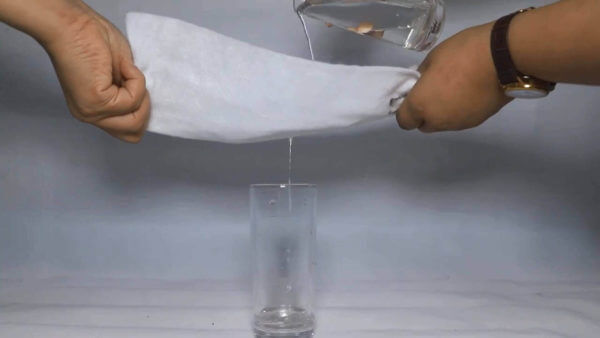
Sometimes we also call it filter fabric for drainage or geo fabric for drainage, it is one type of geotextile fabric, allows water to flow freely while keeping soil, sand, and other fine particles in place. The result is better drainage, reduced erosion, and stronger stability.Proper drainage is a critical aspect of any successful landscaping, civil engineering, or construction project. Without it, water accumulation can lead to soil erosion, foundation damage, and costly repairs. Designed to manage water flow while preventing soil contamination and maintaining structural integrity, the right fabric can significantly enhance the performance and longevity of drainage systems.
As a manufacturer , we make this guide about drainage fabric, the differences between woven geotextile and nonwoven geotextile, and which type works best for common projects such as French drains, landscape fabric for gravel, and decorative rock drainage ditches. You will also learn how to choose the right product, what it is made of, and why it matters for both homeowners and construction engineers.
What Is Drainage Fabric?
Drainage fabric,also commonly called filter fabric or landscape fabric,is a type of synthetic textile,usually polypropylene (PP) or polyester (PET) fabric material,the core function of a geotextile in drainage is to act as a permeable filter fabric.The magic of drainage fabric lies in its permeability. It is engineered with tiny pores that are large enough to let water flow through freely but small enough to prevent soil particles from passing. This process of filtration and separation is what makes it indispensable for any project involving water management. Without it, drainage systems would quickly clog with mud and become useless. Unlike traditional weed barrier fabrics, drainage fabric is specifically engineered to handle high water flow and filtration.
It is used in:
French drain landscape fabric systems
Landscape fabric retaining wall projects
Driveway fabric vs landscape fabric comparisons for heavy loads
Decorative rock drainage ditch lining
Road bed fabric in civil construction
Best landscape fabric under rock for gardens and paths
Essentially, if your project involves both soil and water movement, you will likely need some type of drainage fabric.
Types of Drainage Fabric: Woven vs. Non-Woven Geotextiles Drainage Fabric
There are two main categories: woven geotextile fabric and nonwoven geotextile fabric. Each serves a different purpose.
1. Woven Landscape Fabric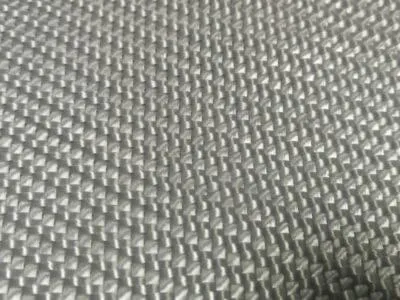
A woven geotextile is produced by interlacing fibers in two directions (warp and weft), similar to how clothing fabric is made, resulting in a characteristically ribbon-like appearance.Woven geotextile is built for brute strength, not high water flow.
- What it looks like: It resembles a sheet of woven plastic, with fibers interlaced in a crisscross pattern. This makes it incredibly strong and tear-resistant.
- Why it’s different: While some water can pass through, the tight weave gives it very low permeability compared to its non-woven counterpart. Its primary job is to separate and stabilize.
- Best Uses:
- Driveways and Roads: As a road bed fabric, it’s placed between the soil and gravel base to prevent them from mixing under heavy loads. This is a common driveway fabric vs landscape fabric debate—for driveways, woven is the winner.
- Under Pavers: It provides a stable base, preventing pavers from shifting and sinking over time.
- Heavy-Duty Stabilization: For projects requiring the strongest landscape fabric, woven is the choice.
2. Nonwoven Geotextile Fabric
When you think of drainage, think non-woven fabric. A nonwoven geotextile is manufactured by randomly arranging synthetic fibers (short staple fibers or continuous filaments) and then bonding them together through mechanical (needle-punching), thermal, or chemical processes.
- What it looks like: Non-woven geotextile has a fuzzy, felt-like texture. It’s made by bonding synthetic fibers together using heat or needles, creating a random, matted structure.
- Why it’s great for drainage: This random structure creates a highly water permeable fabric. Water can easily pass through from any angle, while the complex path traps soil particles. This makes it the best landscape fabric for drainage.
- Best Uses:
- French Drains: It’s the essential French drain geotextile. You use it to line the trench and wrap the gravel and pipe, preventing silt from clogging the system. This is the perfect filter fabric french drain application.
- Retaining Walls: Placed behind a landscape fabric retaining wall, it allows water to escape, reducing the immense pressure that can cause walls to bulge or collapse.
- Under Rocks and Gravel: Used as a landscape fabric for gravel, it keeps the stones from sinking into the soil while letting the area drain efficiently. Ideal for a decorative rock drainage ditch.
- Garden Drainage: As the best garden fabric for wet areas, it helps improve soil drainage and stability.
| Feature | Non-Woven Geotextile | Woven Geotextile |
| Primary Use | Drainage & Filtration | Stabilization & Reinforcement |
| Permeability | High (Lets water through easily) | Low (Restricts water flow) |
| Appearance | Felt-like, fuzzy | Plastic-like, grid pattern |
| Best For | French Drains, Retaining Walls | Driveways, Under Pavers |
| Also Known As | Filter Fabric, Drainage Fabric | Separation Fabric, Driveway Fabric |
Why Drainage Fabric is so important?
Without drainage fabric, soil and fine particles quickly clog drainage pipes, gravel beds, and rock layers. This leads to:
Standing water near foundations
Collapsed retaining walls
Erosion in ditches and slopes
Shorter system lifespan
By using the right permeable filter fabric, water can pass through while soil stays where it belongs. This simple step extends the life of your system from just a few years to decades.
Key Functions of Drainage Fabric in Landscaping
A quality drainage fabric serves four primary functions, often simultaneously:
Filtration: This is its most crucial job in drainage. The fabric acts as a permeable filter fabric, allowing water to seep through into your drain aggregate (like gravel) or ditch fabric while retaining soil particles. This prevents the drainage space from becoming clogged with silt, which would render the system useless over time.

Separation: Geotextiles physically separate different layers of materials. For instance, in a French drain, it prevents the surrounding soil from mixing with the clean gravel drain rock. This maintains the integrity and water-holding capacity of the gravel layer. It also prevents finer sub-soils from being pumped up into upper layers of rock or sand.

Reinforcement: Some fabrics, particularly woven geo fabric with high tensile strength, can add structural stability to the soil. They help distribute loads more evenly, which is vital under driveways, roads, or retaining walls.

Protection: A layer of fabric can protect critical barriers, like a waterproof geotextile fabric or geomembrane, from puncture from sharp rocks or shifting soils above it.
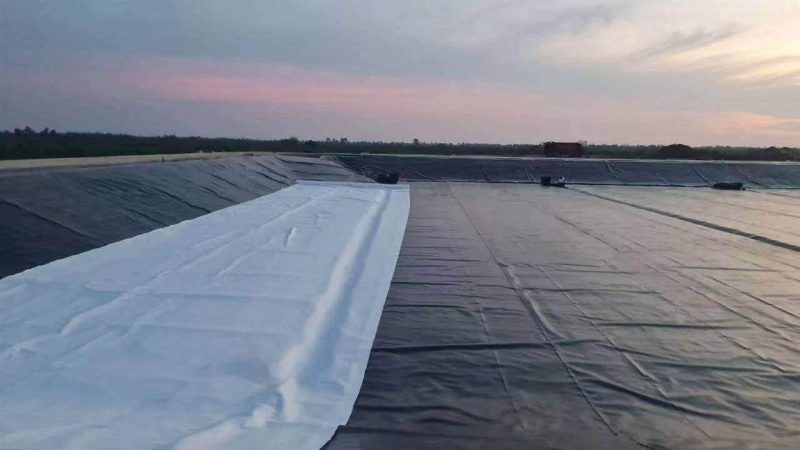
Applications of Drainage Fabric
1. French Drains
Stops soil from entering the pipe, ensuring long-term performance.
2. Retaining Walls
Acts as a filter fabric behind the wall, preventing soil washout while relieving water pressure.
3. Gravel Driveways & Roads
Used as road bed fabric or industrial landscape fabric to separate gravel from soil. Prevents rutting and sinking.
4. Decorative Rock Drainage Ditch
Lined with best landscape fabric under rock, it allows water flow and prevents weeds.
5. Gardens and Landscaping
Used as best garden fabric or woven vs non woven weed barrier depending on whether strength or permeability is more important.
How to Choose the Best Drainage Fabric for Your Project
Selecting the right geo fabric for drainage depends on several factors. Use this guide to match the fabric to your application.
For French Drains: The Best French Drain Fabric
For a traditional French drain, a nonwoven geotextile is almost always the recommended choice. Its high permeability and excellent filtration properties make it the best filter fabric for French drain systems.
Why: The needle-punched structure is ideal for filtering out fine soil particles while maintaining a high rate of water flow. It wraps around the gravel fill, keeping the drain clean and functional for decades.
What to look for: A non woven polypropylene landscape fabric with a weight between 4-6 ounces per square yard is a common and effective choice for residential drains.
For Under Rocks and Gravel: Best Landscape Fabric for Rocks
If you are laying decorative rock or gravel for pathways, patios, or decorative rock drainage ditch, you need a fabric that provides both separation and filtration.
For stability: If the area will bear significant weight (e.g., a driveway or frequently walked-on path), a woven landscape fabric is the best landscape fabric for rocks in these scenarios. Its high strength prevents the rocks from being pushed into the soil below and provides a stable base.
For pure drainage and decoration: For less trafficked areas like garden beds or drainage swales where clogging is a greater concern than load-bearing, a heavy-duty nonwoven fabric can also be an excellent choice as it allows for good water permeability.
For Retaining Walls: Landscape Fabric Retaining Wall
The backfill area behind a retaining wall is critical for drainage. Using a filter fabric here is essential.
Why: It prevents the backfill soil from clogging the drainage aggregate (gravel and drain pipe) behind the wall. Without it, hydrostatic pressure can build up and cause the wall to fail.
What to look for: A nonwoven geotextile is typically used against the soil side of the backfill to act as a filter. It should be durable enough to withstand installation without tearing.
For Ditches and Swales: Ditch Fabric
Open ditches and swales designed to channel water away need protection from erosion.
Why: Ditch fabric (often a heavier nonwoven or a specially designed woven fabric) is laid down before adding rock or aggregate. It stabilizes the subsoil and prevents water flow from washing away the soil underneath the rock, thereby reducing erosion.
What to look for: A robust fabric that can withstand water flow and UV exposure during installation is key.
Installation Tips for Maximum Effectiveness
Proper installation is as important as choosing the right fabric.
Site Preparation: Excavate the area to the desired depth and shape. Remove any sharp stones, roots, or debris that could puncture the fabric. The base should be as smooth and compacted as possible.
Laying the Fabric: Roll out the geo fabric with the proper side facing the drainage aggregate (if applicable). Allow for ample overlap between adjacent rolls—typically 12 to 18 inches. This prevents soil from sneaking through the seams.
Securing: While backfilling with aggregate will usually hold the fabric in place, you can use landscape fabric staples or pins on slopes or during initial placement to keep it taut and in position.
Backfilling: Carefully place your drainage stone or clean gravel on top of the fabric. Avoid using sharp-edged rocks if possible. When filling, do not drop large amounts from a great height to avoid displacing or damaging the fabric.
Closing the Wrap: In a French drain or similar, once the drain rock is in place, wrap the fabric over the top of the aggregate with another generous overlap. This creates a full “wrap” that completely separates the soil from the drain rock. Then, add a layer of sand or topsoil as a final cover.
Common Mistakes to Avoid
Using Plastic Sheeting: Plastic is not water permeable. It will create a bathtub effect, trapping water and causing more problems than it solves. Always use a permeable geotextile fabric.
Choosing the Wrong Type: Using a cheap woven weed barrier (which has very low permeability) in a French drain will cause it to fail, as water cannot enter easily.
Insufficient Overlap: Failing to overlap seams properly allows soil to migrate between rolls and eventually clog the drainage system.
Not Fully Wrapping the Aggregate: Simply lining the trench without wrapping the gravel top allows soil from above to settle into the drain rock over time.
Frequently Asked Questions (FAQ)
Q: Is 4 oz or 8 oz fabric better for drainage?
A: Lighter (4 oz) fabrics are often enough for French drains. Heavier (6–8 oz) fabrics are stronger and better for driveways or road beds.
Q: Can I use regular weed barrier fabric for drainage?
A: No. Weed barriers are not designed for high water flow and may clog quickly. Always use geotextile.
Q: How long does drainage fabric last?
A: High-quality nonwoven geotextile can last 7-20 years or more when buried and protected from sunlight.
Q: Can I just use standard black landscape fabric for a French drain?
A: It’s not recommended. Standard weed barrier fabric is designed to block sun and stop weeds, but it often has very low permeability. It can clog quickly and prevent your drain from working. Always choose a geotextile non woven drainage fabric for these projects.
Selecting the best drainage fabric is a fundamental step in ensuring the long-term success and stability of your landscaping and drainage projects. While the options may seem overwhelming, the choice becomes clear when you understand the core principles: opt for nonwoven geotextile for superior filtration in French drains and behind retaining walls, and choose woven geotextile for projects requiring added strength and stabilization under driveways, roads, and heavy rock landscapes.
By investing in the right filter fabric for drainage and installing it correctly, you are not just solving a water problem—you are building a foundation for a durable, functional, and beautiful landscape that will last for years to come. Remember, effective drainage is invisible, but its benefits are clear for all to see.Follow our Linkedin Facebook Ins Youtube for more details!
Recent Post
Aquaculture Pond Lining in Indonesia | From Design to Installation
From Project Drawing to Water Filling: An Aquaculture Pond Lining Project in Indonesia This aquaculture pond project in Indonesia started with a project drawing.The customer firstly contacted us
When Is Geotextile Really Necessary?
When Is Geotextile Really Necessary in Civil Engineering Projects? Geotextiles are widely used in modern infrastructure and environmental engineering. However, a common question among engineers, designers, and contractors is: Is geotextile always necessary? In
Woven Polypropylene Geotextile Manufacturer | Engineering Grade & Landscape Fabric
Woven Polypropylene Geotextile Manufacturer | Engineering Grade & Landscape Fabric By Planetliner — Manufacturer of High-Performance Woven PP Fabrics for Global Projects Woven polypropylene geotextile has become a fundamental material in civil engineering, environmental protection,