
Best Landscape Geotextile Fabric for Drainage
When it comes to managing water in your landscape, driveway, or construction project, drainage geotextile fabric is one of the most reliable and effective geosynthetic materials available. Whether you are a homeowner working on a DIY garden or a contractor developing a large infrastructure project, using the best landscape fabric for drainage can save you time, money, and effort in the long run.

What Exactly is Drainage Geotextile Fabric Material?
Drainage geotextile fabric, also known as geotextiles or geo fabric, is a synthetic fabric made from materials like polypropylene or polyester. It is designed to allow water to pass through while blocking soil, sand, or other particles. This makes it perfect for improving drainage and preventing soil erosion..When used in landscaping and construction, it has the ability to separate, filter, reinforce, protect, or drain.
These fabrics are typically made from synthetic materials like polypropylene or polyester, making them resistant to rot, mildew, and insects.
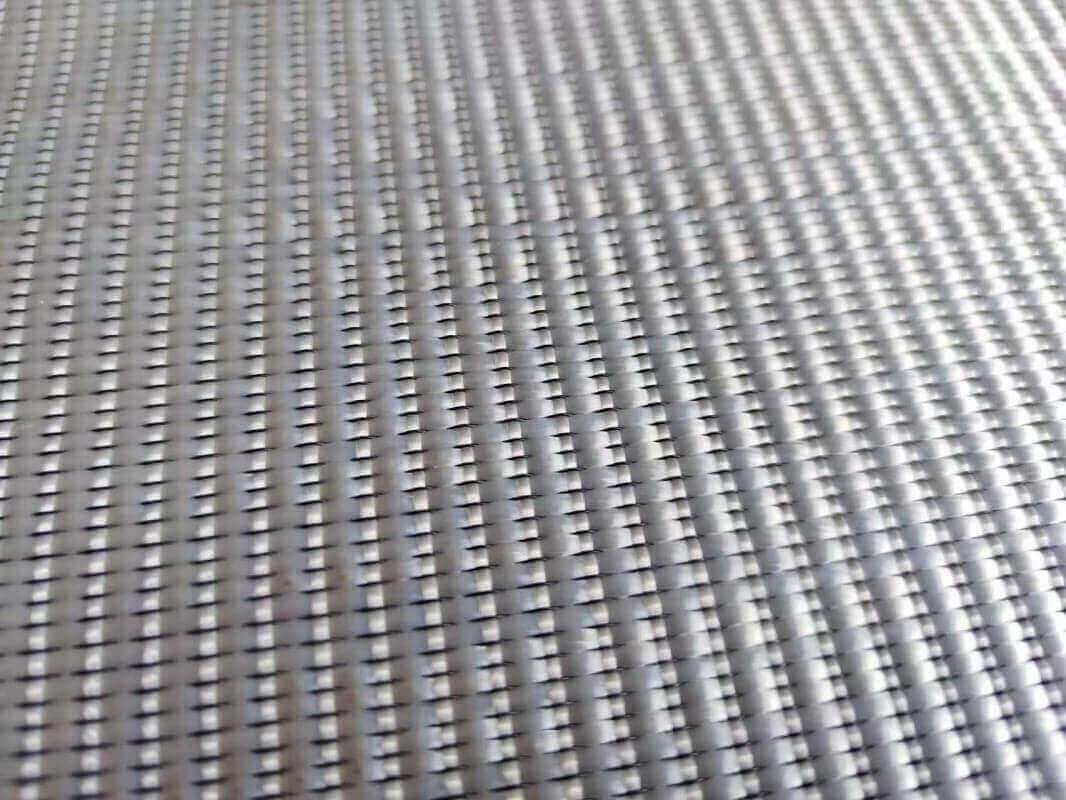
- Woven Fabric: Made by weaving fabric strips, creating a strong, supportive material. It’s excellent for soil stabilization but less permeable.
- Non-Woven Fabric: Made by bonding fibers or Needle punched together, creating a felt-like, highly permeable material. For most drainage applications, non-woven fabric is the superior choice because it allows water to pass through freely while blocking soil and silt.



Why Use Landscape Fabric for Drainage?
Proper drainage is essential to prevent water accumulation, flooding, and damage to plants or structures. Installing landscape plastic for drainage may seem like a quick fix, but plastic sheeting often blocks water flow, leading to pooling and root rot.
In contrast, drainage landscape fabric promotes natural water movement. It lets water drain away while keeping soil and other materials in place. This is especially useful in areas like:Garden beds,French drains,Retaining walls,Driveways and patios,Construction sites,Roadways and embankments.
Key Advantages of Using Geotextile Drainage Fabric
Choosing the best landscape fabric for drainage offers numerous benefits over traditional methods.
1. Superior Filtration and Clog Prevention
Unlike basic weed barriers or plastic sheeting, landscape fabric drainage specialists (geotextiles) act like a sophisticated filter. They allow water to pass through freely while stoping fine soil particles from migrating into your gravel drainage layer or pipe system. This filtration is vital. Without it, your carefully installed gravel or pipes can quickly become blocked with silt, making your drainage system useless. Geotextiles maintain high drainage capacity over years.
2. Excellent Water Permeability
A good drainage landscape fabric is designed to have a high flow rate. Geotextiles are specifically engineered for high permeability. Water flows rapidly through their structure horizontally (in-plane) or perpendicularly (cross-plane), depending on the fabric type (woven or non-woven). This rapid transport is essential for relieving hydrostatic pressure behind walls, under driveways, or beneath saturated garden beds, preventing structural damage and root rot. This is essential for protecting retaining walls from the immense pressure that trapped water can create.
3. Soil Stabilization and Separation
Water is a powerful force that can wash away soil and destabilize slopes. Geotextiles reinforce the soil. By distributing loads and reducing soil movement, they significantly enhance stability on slopes, behind retaining walls, or under pathways. This reinforcement is a key advantage over basic landscape plastic for drainage, which offers no structural benefit and can even create slippery, unstable layers.
4. Long-Lasting Durability
High-quality geo fabric material is incredibly tough. It resists punctures and tearing during installation and is chemically stable in the ground. Unlike basic plastic sheeting, it will not decompose, ensuring your drainage solution is permanent and maintenance-free.. Made from durable polypropylene or polyester, they resist rot, chemicals, and UV degradation (when properly covered). This translates to a drainage solution that performs reliably for decades.
5. Cost-Effectiveness and Ease of Use
While the initial cost might be slightly higher than for a simple plastic liner, the longevity and effectiveness of geotextile fabric make it far more cost-effective in the long run. It prevents the need for expensive repairs and re-installations. It’s also lightweight and easy to cut and place, making it a favorite among both DIY homeowners and professional landscapers.


How to Choose the Best Landscape Fabric for Drainage
With many options available, selecting the right product is key.
Choose Non-Woven: For almost all drainage projects, non-woven geotextile is the best choice due to its superior water permeability.
Check the Flow Rate: The product specifications should list a water flow rate. A higher number means water will pass through more quickly.
Consider the Weight/Strength: Match the fabric weight (measured in ounces per square yard or grams per square meter) to your project’s demands (e.g., light duty for garden beds, heavy duty under driveways or retaining walls).
Avoid Weed Barrier for Drainage: Standard weed barrier fabric is designed to block sunlight and stop weeds. It is often not permeable enough for proper drainage and can lead to clogging. Always look for a product specifically labeled as a geotextile or drainage fabric.
Q: Can I use landscape plastic for drainage?
A: No. Plastic sheets block water flow and cause pooling. Always choose geotextile drainage fabric that allows water to pass through.
Q: Is landscape fabric good for French drains?
A: Yes! Drainage landscape fabric is often used to wrap French drain pipes to prevent clogging from soil and debris.
Q: What is the difference between woven and non-woven geotextile fabric?
A: Woven fabrics are best for reinforcement and stabilization, while non-woven fabrics are best for filtration and drainage.
Installing drainage geotextile fabric is a smart and effective way to manage water and protect your landscape or construction project. Whether you are building a French drain, laying a driveway, or landscaping your backyard, choosing the best landscape fabric for drainage will ensure long term success.
Work with trusted suppliers who provide durable, tested geo fabric materials to get the best results. With proper installation, geotextile fabric can improve water flow, prevent erosion, and extend the life of your infrastructure. With 10+years experience,please feel free to contact us, and follow our Linekdin Facebook for more details!
Recent Post
Aquaculture Pond Lining in Indonesia | From Design to Installation
From Project Drawing to Water Filling: An Aquaculture Pond Lining Project in Indonesia This aquaculture pond project in Indonesia started with a project drawing.The customer firstly contacted us
When Is Geotextile Really Necessary?
When Is Geotextile Really Necessary in Civil Engineering Projects? Geotextiles are widely used in modern infrastructure and environmental engineering. However, a common question among engineers, designers, and contractors is: Is geotextile always necessary? In
Woven Polypropylene Geotextile Manufacturer | Engineering Grade & Landscape Fabric
Woven Polypropylene Geotextile Manufacturer | Engineering Grade & Landscape Fabric By Planetliner — Manufacturer of High-Performance Woven PP Fabrics for Global Projects Woven polypropylene geotextile has become a fundamental material in civil engineering, environmental protection,