
Fabric Geotextile Best Material for Road Erosion Control in2024
Fabric geotextile has become an essential material in various construction and engineering projects around the world. From road construction to erosion control, fabric geotextile plays a key role in improving soil stability, drainage, and filtration. However,many clients and friends donot know the fabric geotextile details,so we will show you the basic parameters, production, features, applications, advantages, and disadvantages of fabric geotextiles. We will also compare them with other products, discuss their cost structure, and provide tips on how to choose the right geotextile for your projects.
What is Fabric Geotextile?
Fabric geotextile is a type of permeable textile material,which is made from synthetic fibers such as polypropylene/PP or polyester/PET. It is primarily used in civil engineering, construction, and landscaping to reinforce soil, filter water, and control erosion. If you’re looking to stabilize soil on a construction site or improve water drainage in landscaping, fabric geotextile is a good choice.
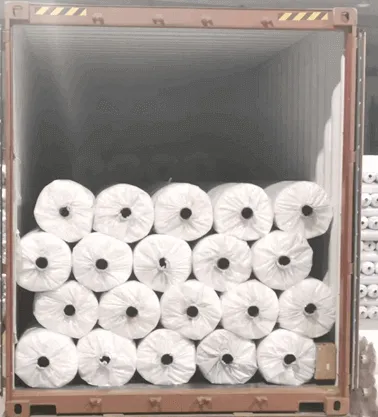
Our company is a manufacturer and supplier of fabric geotextile for many years, we have the nonwoven fabric geotextile and woven textile, material includes the pet and pp fabric.The size can be customized, and the packing OEM is no problem.We can provide the good quality at a very competitive price.
Features and Parameters of Fabric Geotextile
It is very helpful to know the specifications and technical data of the fabric geotexitle,here are some important factors to consider:
1. Material Composition
Fabric geotextile is typically made from polypropylene or polyester fibers. These materials are chosen for their high durability, tensile strength, and resistance to degradation in harsh environmental conditions.The PP fabric price is higher than PET fabric.
2. Unit Weight (GSM)
The Unit weight of geotextile clot is measured in grams per square meter (GSM). The GSM value affect the thickness and strength of the fabric. For example, lighter geotextiles with a GSM of 100-200 are used for landscaping, while heavier fabrics (up to 600 GSM) are used in road construction,landfill,mining and other erosion control projects.
3. Tensile Strength
Tensile strength refers to the fabric’s ability to resist stretching and breaking under tension,which commonly means “strong” or not. Fabric geotextile typically offers tensile strengths ranging from 5 kN/m to 1200 kN/m, depending on the material and manufacturing process.
4. Permeability
One of the primary functions of fabric geotextile is to allow water to pass through while preventing soil particles from moving. The permeability of the fabric is measured by its flow rate, which is essential for drainage and filtration systems.
5. UV Resistance
Many fabric geotextiles are designed to resist UV radiation. This is important for projects where the fabric will be exposed to direct sunlight for extended periods, such as in erosion control applications.
How Fabric Geotextile is Produced
The production of fabric geotextile can be divided into two main types: woven and non-woven.


Woven geotextiles are produced by weaving synthetic fibers together, much like traditional textiles. This method produces a fabric with high tensile strength, making it suitable for reinforcement applications such as road construction and embankment stabilization,the tensile strength is very high, and can be customized accoring the design,like uniaxial and biaxial geotextile.This kind geotextile price is much higher.

Non-woven geotextiles are made by bonding fibers together using heat, chemicals, or mechanical methods. This type of geofabric is more flexible and provides excellent filtration and drainage properties. Non-woven geotextiles are often used in applications such as drainage, filtration, and erosion control.This type geotextile price is lower.
Applications of Fabric Geotextile
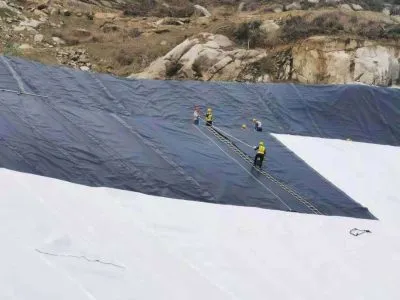
Fabric geotextiles are used in a wide range of construction and engineering projects. Some of the most common applications include:
1. Road ConstructionIn road construction, fabric geotextile is used to stabilize soil,reinforcement and extend the lifespan of roads. It acts as a separation layer between different soil layers, preventing contamination and improving load distribution.
2. Erosion Control
For slopes, riverbanks, and shorelines, geotextile cloth is essential for controlling erosion. It protects the soil from being washed away while allowing water to pass through.
3. Drainage Systems
Geotextiles are commonly used in drainage systems to filter water and prevent soil from block drainage pipes. The permeable nature of the fabric makes it an ideal material for retaining soil particles while allowing water to flow freely.
4. Landscaping
In landscaping projects, fabric geotextiles are used to prevent weed growth and improve soil drainage. The material is often laid underneath gravel, mulch, or soil to control weeds and maintain a stable landscape.This type is very popular in the supermarket with OEM packing.
5. Retaining Walls
For retaining walls and embankments, fabric geotextile provides essential reinforcement, ensuring the structural integrity of the wall and preventing soil erosion.

Advantages of Fabric Geotextile
Here are some fabric geotextile advantages:
1. Soil Stabilization
One of the primary uses of fabric geotextile is to stabilize soil. It prevents soil shifting and ensures that the load is evenly distributed, which is essential in road construction and embankment reinforcement.
2. Improved Drainage
Fabric geotextiles allow water to pass through while preventing soil particles from moving. This improves drainage in areas prone to flooding or waterlogging.
3. Erosion Control
For projects involving slopes or riverbanks, fabric geotextile provides effective erosion control. It holds the soil in place while allowing water to flow through, minimizing erosion caused by heavy rainfall or water flow.
4. Cost-Effective
Compared to other soil stabilization and drainage solutions, **fabric geotextile** is cost-effective due to its durability and ease of installation.
Disadvantages of Fabric Geotextile
While fabric geotextile offers many benefits, it also has some disadvantages:
1. Limited Strength in Some Applications
In applications that require extremely high tensile strength, woven geotextiles may not be strong enough. Additional reinforcement materials like geogrids may be necessary.
2. Puncture Risk
Although fabric geotextile is durable, it can be punctured by sharp objects or heavy equipment during installation. Extra care must be taken in rocky or rugged environments.
Comparison with Other Products
When comparing fabric geotextile with other materials such as geogrids or membranes, several factors for reference:

– Cost: Fabric geotextile is generally less expensive than geogrids or geomembranes, making it a cost-effective solution for many projects.
– Durability: While fabric geotextile offers good durability, geogrids may provide higher tensile strength and longer lifespan in certain heavy-duty applications.
– Flexibility: Compared to geogrids, fabric geotextile is more flexible, making it easier to handle and install, particularly in complex or uneven terrain.
Cost Structure of Fabric Geotextile
The price of fabric geotextiledepends on several factors:
1. Material Quality
Higher-quality materials, such as UV-resistant or chemically-treated geotextiles, tend to be more expensive.
2. GSM (Grams per Square Meter)
Heavier fabrics with a higher GSM are generally more costly due to the increased material required for production.
3. Roll Size
Larger rolls tend to be more cost-efficient per square meter but require larger upfront investments.
4. Distributor Geotextile
If you’re purchasing from a distributor geotextile, prices may vary depending on the distributor’s location, shipping costs, and bulk purchase discounts.
How to Choose the Right Fabric Geotextile for Your Project
When selecting the right fabric geotextile, consider the following factors:

1. Application
Determine whether you need the geotextile for soil stabilization, drainage, or erosion control. For reinforcement, a woven geotextile may be ideal, while non-woven geotextiles are better for filtration and drainage.
2. Tensile Strength
If your project involves heavy loads or requires high durability, choose a fabric with higher tensile strength.
3. Permeability
For drainage systems, choose a fabric geotextile with high permeability to ensure water flows effectively through the material.
4. UV Resistance
If the fabric will be exposed to sunlight, ensure that it has adequate UV resistance to prevent degradation over time.
Fabric geotextile is a versatile and cost-effective material widely used in construction, landscaping, and civil engineering projects. Whether you need to stabilize soil, improve drainage, or control erosion, fabric geotextile provides a durable solution that’s easy to install and maintain. By understanding the product’s key parameters, production process, and applications, you can make an informed decision and select the best geotextile cloth for your project. Whether you’re purchasing from a distributor geotextile or using geofabric in landscaping, this material offers immense value for a wide range of applications.
Please follow our Facebook and Linkedin ,XPRT for more details, and welcome your inquiry.
Recent Post
Aquaculture Pond Lining in Indonesia | From Design to Installation
From Project Drawing to Water Filling: An Aquaculture Pond Lining Project in Indonesia This aquaculture pond project in Indonesia started with a project drawing.The customer firstly contacted us
When Is Geotextile Really Necessary?
When Is Geotextile Really Necessary in Civil Engineering Projects? Geotextiles are widely used in modern infrastructure and environmental engineering. However, a common question among engineers, designers, and contractors is: Is geotextile always necessary? In
Woven Polypropylene Geotextile Manufacturer | Engineering Grade & Landscape Fabric
Woven Polypropylene Geotextile Manufacturer | Engineering Grade & Landscape Fabric By Planetliner — Manufacturer of High-Performance Woven PP Fabrics for Global Projects Woven polypropylene geotextile has become a fundamental material in civil engineering, environmental protection,