
Three Fish Pond Liners to choose the best
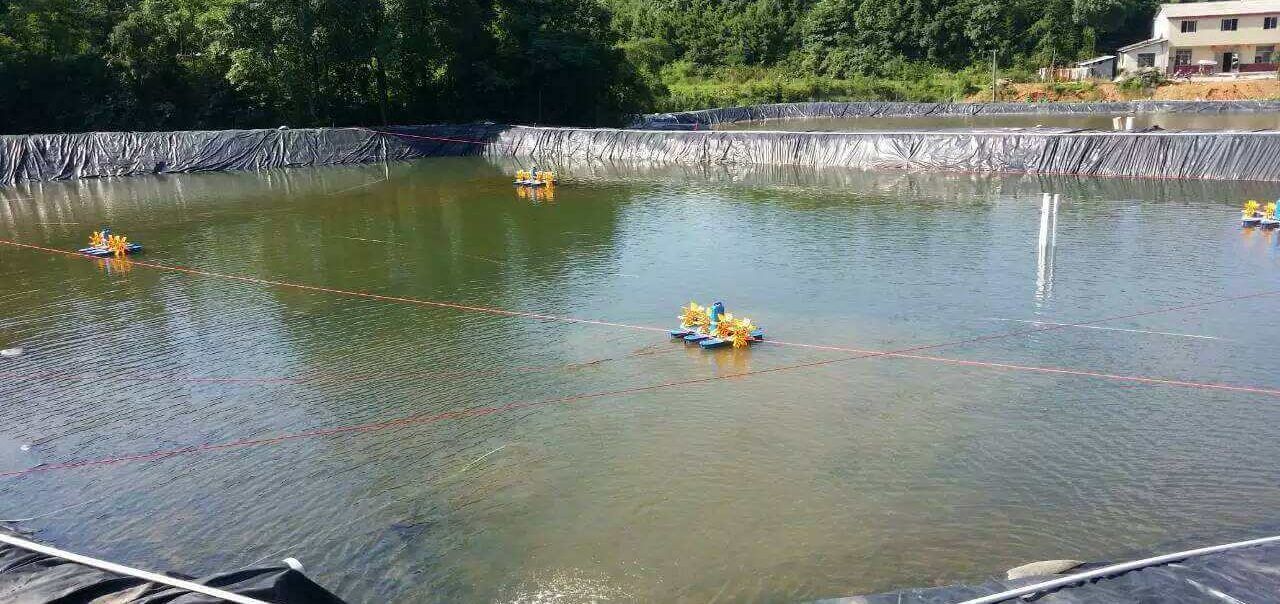
Fish ponds are man-made water ponds ,which is used to raise and keep fish. The fish ponds have different purposes, ranging from ornamental and recreational use in backyards to large-scale commercial fish farming for food production. Fish ponds have been an integral part of human culture for centuries, with some ancient civilizations using them as sustainable food sources.
Today, fish ponds are highly versatile and can be built in all shapes, sizes, and designs depending on their purpose. Whether you’re an aquaculture enthusiast, a hobbyist, or someone looking to beautify your garden, a fish pond can bring life and vibrancy to your space.
If you’re planning to build a fish pond, one of the most important things to choose a pond liner. A good liner can keeps the water well , no leaks, and creates a safe environment for your fish. With so many options available, like HDPE geomembrane liners, PVC liners, EPDM liners, and others, it can be hard to figure out which one is the best fit for your project.


Types of Fish Ponds
Fish ponds come in many forms based on their intended use:
1. Ornamental Ponds:Found in gardens or yards to enhance landscaping.Often house decorative fish like koi or goldfish.Typically paired with water features like fountains or waterfalls for added aesthetics.
2. Backyard Ponds:Built by homeowners for recreational purposes.Usually smaller in size and easier to maintain.Ideal for raising a few fish or creating a tranquil environment.
3. Commercial Fish Ponds:Used for aquaculture and fish farming.Designed to produce fish for food or sell in the market.Require advanced systems for water management and aeration.
4. Natural Ponds:These mimic a natural ecosystem and often include plants and diverse aquatic life.Great for fish farming and biodiversity preservation.

Popular Fish for Ponds
- Koi Fish – Known for their vibrant colors and friendly nature.
- Goldfish – Hardy and easy to care for, making them ideal for smaller ponds.
- Tilapia – Commonly raised in commercial fish farming for food production.
- Catfish – Popular in aquaculture ponds due to their adaptability and fast growth.
- Carp – Suitable for larger ponds, often used in commercial setups.
What Are Fish Pond Liners?
Pond liners are waterproof materials that line the bottom and sides of your pond to keep the water contained. They also protect the soil and prevent water from seeping into the ground. A good liner is necessary, especially if you’re raising fish, as it helps maintain the right water levels and keeps the pond eco-friendly.


Common Types of Pond Liners
There are several types of pond liners, each with its own advantages,the differences as following:
- HDPE Pond Liners:Made from high-density polyethylene (HDPE), these liners are strong, UV-resistant, and highly durable.Ideal for large ponds or fish farming.Lightweight yet tough enough to handle heavy use.Popular for their long lifespan (20+ years).
- PVC Pond Liners:Flexible and easy to install.A great option for small to medium-sized ponds.More affordable than HDPE but less durable in the long term.
- EPDM Pond Liners:A rubber liner that’s very flexible and easy to mold to different pond shapes.Good for decorative ponds with unique designs.UV-resistant and long-lasting, but pricier than PVC.
- LLDPE Pond Liners:Linear Low-Density Polyethylene (LLDPE) liners are lightweight and highly flexible.Perfect for irregular-shaped ponds or smaller projects.A middle-ground option between HDPE and PVC.
- Preformed Hard Plastic Pond Liners:Come in rigid, pre-shaped designs.Easy to install but limited to their pre-made shapes and sizes.
Our company is a manufacturer and supplier of HDPE and LLDPE geomembrane pond liner, we use the 100%virgin raw material, the pond liner property is guaranteed,and the lifetime is long, to help you save cost and time on the repair work.
Our hdpe pond liner thickness range from 0.3mm to 3mm thickness,and lldpe liner thickness range from 0.75mm to 3mm thickness. The max width is 8m, and popular width are 5.8m for 20FT, and 7m&8m width for 40FT container.
The production time is 7-14days normally, and can meet the project time well.

How to Choose the Best Pond Liner
When choosing a liner, consider the following factors:
- 1. Material:HDPE is best for large ponds or long-term projects.PVC and EPDM work well for decorative or smaller ponds.
- 2. Thickness:Common options include 30 mil, 40 mil, and 60 mil liners.Thicker liners, like 60 mil, offer better durability and are less prone to punctures.
- 3. Pond Size:Measure the length, width, and depth of your pond to calculate the right liner size.
- 4. Cost:HDPE and PVC liners are budget-friendly options, while EPDM tends to be more expensive.
- 5. UV Resistance:UV protection is crucial if your pond will be exposed to direct sunlight.
How to Build a Fish Pond with a Liner
Building a pond may seem difficult, but it’s easier if you break it down step by step.
- Plan the Pond:Pick a spot with plenty of sunlight but avoid areas with too much shade from trees to minimize falling leaves.Choose the size and shape.Make sure the pond is deep enough for your fish (usually 2-4 feet). Fish ponds for koi or goldfish should ideally be at least 3 feet deep, while commercial ponds may need to be larger and deeper.
- Dig the Hole:Dig according to your design, with sloping sides for stability.Remove rocks and debris to prevent punctures.
- Add a Protective Layer:Lay down a geotextile fabric or sand base to protect the liner from sharp objects.
- Install the Liner.Place the liner carefully, leaving some extra material around the edges.Smooth out wrinkles to avoid weak spots.
- Add Water Features and Filtration:Include pumps, aerators, and filtration systems to keep the water clean and oxygen-rich for the fish.
- Fill the Pond with Water:Add water slowly to help the liner settle into place.
- Trim the Edges:Cut off excess liner and secure the edges with rocks or soil.After conditioning the water, add fish and aquatic plants like water lilies or cattails to create a balanced ecosystem.
How to Find a Leak in Your Pond Liner
Leaks can be frustrating, but they’re fixable. Here’s how to locate and fix them:
- How to Find a Leak:Look for water level changes over a few days.Check the edges of the liner for holes or tears.If the liner is submerged, dye testing can help pinpoint the leak.
- How to Fix a Leak:Clean the area around the hole.Use a pond liner patch kit or adhesive tape designed for the liner material.Apply the patch and let it dry before refilling the pond.
How to Size a Pond Liner
To calculate the right liner size:
Length: Pond length + (2 x depth) + 2m for overlap.
Width: Pond width + (2 x depth) + 2m for overlap.
For example, if your pond is 10m long, 6 m wide, and 3 m deep:
Liner length = 10 + (2 x 3) + 2 = 18 m
Liner width = 6 + (2 x 3) + 2 = 14 m
Pond Liner Maintenance
Regularly check for signs of wear or damage.
Keep sharp objects away from the liner to prevent punctures.
Clean debris and leaves to maintain water quality.
Use UV-resistant liners for long-lasting performance.
FAQs About Pond Liners
1. How thick should a pond liner be?
A 30-40 mil liner works well for most small ponds. For larger or commercial ponds, a 60 mil liner is recommended.
2. How long do pond liners last?
With proper installation, HDPE liners can last 5-15 years, while PVC and EPDM liners may last around 2-10 years.
3. Can you patch a pond liner?
Yes, most pond liners can be patched using repair kits. Make sure to clean the area and apply the patch correctly.
4. What’s the best material for a pond liner?
HDPE is the most durable and versatile option for fish ponds and large-scale projects.
Choosing the right fish pond liner is the key to building a successful pond. From HDPE geomembranes to flexible PVC and EPDM options, there is a liner for every project and budget. Please feel free to contact us,and our team can provide you the professional solutions.
Recent Post
Aquaculture Pond Lining in Indonesia | From Design to Installation
From Project Drawing to Water Filling: An Aquaculture Pond Lining Project in Indonesia This aquaculture pond project in Indonesia started with a project drawing.The customer firstly contacted us
When Is Geotextile Really Necessary?
When Is Geotextile Really Necessary in Civil Engineering Projects? Geotextiles are widely used in modern infrastructure and environmental engineering. However, a common question among engineers, designers, and contractors is: Is geotextile always necessary? In
Woven Polypropylene Geotextile Manufacturer | Engineering Grade & Landscape Fabric
Woven Polypropylene Geotextile Manufacturer | Engineering Grade & Landscape Fabric By Planetliner — Manufacturer of High-Performance Woven PP Fabrics for Global Projects Woven polypropylene geotextile has become a fundamental material in civil engineering, environmental protection,