GCL Liner The Complete Guide to Geosynthetic Clay Liners
In civil engineering and environmental protection, preventing leakage is very important. Whether it is a landfill, a mining, or a dam, the right barrier system ensures safety and sustainability. Traditionally, engineers use thick compacted clay liners. But today, there is a smarter and more efficient solution — the GCL liner.
A Geosynthetic Clay Liner (GCL) combines natural sodium bentonite clay with geotextiles or geomembranes to create a thin but powerful hydraulic barrier. With proven performance in landfills, mining, ponds, and dams, GCLs are now the preferred choice for many engineers and contractors worldwide.
As a leading gcl liner manufacturer with years of expertise, we make this guide to help you understand everything you need to know. In this guide, we will explain what a GCL liner is, its types, main applications, installation process, costs, and frequently asked questions. This article is designed for engineers, project owners, and anyone looking for a reliable geosynthetic liner solution.
What is a GCL Liner?
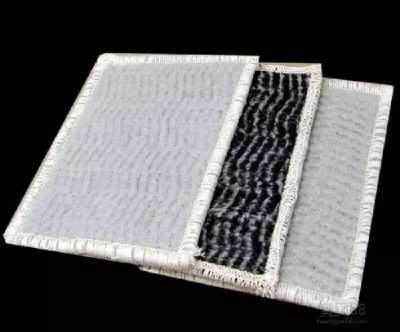
A GCL liner (Geosynthetic Clay Liner) is a modern and cost-effective lining system used in environmental and civil engineering projects,it is a hydraulic barrier consisting of two layers of geotextile that enclose a layer of sodium bentonite clay. When hydrated, the bentonite swells and forms a waterproof barrier.Compared to traditional compacted clay liners, GCL clay liners are thinner, easier to install, and provide reliable long-term performance.
Core Material: Sodium bentonite clay
Encapsulation: Woven and nonwoven geotextiles
Thickness: Typically 5–10 mm
Applications: Landfills, ponds, dams, mining tailings, wastewater treatment, and canals
This combination of natural clay and geosynthetic material makes GCL liners a trusted choice for environmental protection and water containment projects worldwide.
GCL Liner Specifications
When selecting a geosynthetic clay liner, consider the following specifications:
Bentonite Mass: ≥ 4000 g/m²
Permeability: ≤ 5 × 10⁻¹¹ m/s
Swelling index of Bentonite: ≥ 24 ml/2g
Absorbed methylene Blue: ≥30g/100g
Tensile Strength: 600N/100mm
- Peel Strength: ≥40N/100m
Roll Width: 4–6 m
High-quality GCLs, such as Bentomat GCL liners, use needle-punched bonding, which increases shear resistance and durability, especially on slopes.
Why Choose a GCL Over a Traditional Clay Liner?
GCLs offer significant advantages over traditional compacted clay liners, making them the preferred choice for modern engineering projects.
- Superior Hydraulic Performance: The swelling sodium bentonite creates an impermeable layer with a hydraulic conductivity of m/s or lower, which is more effective than several feet of compacted clay.
- Faster, Easier Installation: GCL liner installation is significantly faster and requires less heavy equipment. A single truckload of GCL material can replace over 100 truckloads of clay, drastically reducing project timelines and labor costs.
- Guaranteed Quality Control: GCLs are manufactured under controlled factory conditions, ensuring uniform thickness, bentonite content, and performance. This eliminates the on-site variables and uncertainties associated with compacting natural clay.
- Space Efficiency: A GCL provides equivalent or better hydraulic performance in a thin, easy-to-handle sheet. This is crucial for projects where space is limited or excavation costs are high.
- Cost-Effectiveness: While the initial material price might be a factor, the overall gcl liner cost is often lower due to massive savings in transportation, labor, equipment, and testing.
Advantages of GCL Liners
Choosing GCL liners over traditional clay or concrete lining brings many benefits:
Excellent Impermeability – Sodium bentonite swells and seals gaps.
Cost-Effective – Lower material and transportation cost compared to thick clay liners.
Fast Installation – Thin rolls allow quick deployment with less labor.
Durability – Stable against chemicals, UV exposure (when covered), and aging.
Flexibility – Adapts to uneven surfaces and ground movements.
Eco-Friendly – Made from natural clay, safe for environmental projects.
Key Applications of GCL Liners

The versatility and reliability of the geosynthetic liner make it ideal for a wide range of critical applications:
- Water Containment: GCL pond liner solutions are perfect for decorative ponds, golf course water hazards, irrigation reservoirs, and fire suppression ponds.
- Environmental Protection: As a tailings liner GCL in mining operations or as a primary/secondary liner in landfills, it prevents hazardous materials from contaminating soil and groundwater.
- Water Management: The gcl dam liner is used for seepage control in earth dams, canals, and embankments, ensuring the long-term stability and safety of water infrastructure.
- Civil Infrastructure: GCLs are used for waterproofing under roads and foundations, as well as in landfill caps to prevent water infiltration.
The GCL Liner Installation Process: A Step-by-Step Overview
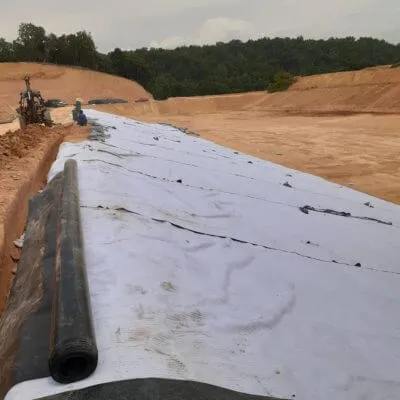
Proper gcl liner installation is essential for ensuring long-term performance. While you should always follow the specific guidelines from your gcl liner suppliers, the general process includes these key steps:
- Subgrade Preparation: The surface must be smooth, firm, and free of sharp rocks, debris, or vegetation that could damage the liner.
- Panel Deployment: The GCL rolls are carefully unrolled and positioned across the prepared subgrade.
- Seaming and Overlap: Adjacent panels are overlapped according to manufacturer specifications (typically 150-300mm). A bead of granular or powdered bentonite is often applied along the seam to ensure a continuous, leak-proof barrier.
- Anchoring: The liner’s perimeter is secured in an anchor trench to prevent shifting or uplift.
- Covering: The GCL must be covered with soil or another protective material promptly after installation to shield it from UV damage and physical harm.
Factors Affecting GCL Liner Cost
The final gcl liner cost for your project will depend on several variables:
- Project Size: Larger projects often benefit from volume discounts on materials and more efficient installation.
- Material Specifications: The gcl liner specifications such as bentonite mass per unit area, geotextile type, and any special reinforcements will influence the price.
- Site Conditions: Difficult terrain, limited access, or complex shapes can increase installation labor costs.
- Transportation: The distance from the manufacturing facility to your project site is a key factor in the landed cost.
While it’s important to get a quote, remember that GCLs provide significant long-term value and are often the most economical choice when all project costs are considered.
How to Choose a Reliable GCL Liner Manufacturer

Selecting the right gcl liner manufacturer is crucial for your project’s success. Look for a partner who offers:
- Industry Experience: A proven track record in manufacturing high-quality geosynthetic materials.
- Quality Assurance: Adherence to strict quality control standards and the ability to provide product certification.
- Technical Support: A team of experts who can provide design assistance, installation guidance, and product recommendations.
- Comprehensive Product Range: A variety of gcl liner specifications to meet different project needs, from standard containment to high-shear strength applications.
FAQs about GCL Liners
Q1: What is the difference between a GCL and a Geomembrane?
A1: A geomembrane is a non-porous plastic liner (like HDPE), while a geosynthetic clay liner gcl is a composite material that uses natural swelling clay. They are often used together in a composite liner system to provide the highest level of containment security.
Q2: How long does a GCL liner last?
A2:When properly installed and covered, a geosynthetic clay liner can last over 50 years, providing reliable environmental protection.
Q3:Can GCL liners be used for ponds?
A3:Yes, GCL pond liners are popular for agricultural ponds, fish farming, and landscaping projects. They are easy to install and safe for water containment.
Q4: Can GCLs be installed in cold weather?
A4: Yes, but precautions are necessary. The bentonite should be protected from freezing before and during installation, as ice crystals can temporarily affect its swelling capacity. Always consult the manufacturer’s cold-weather installation guidelines.
Q5: How are damages to the GCL repaired during installation?
A5: Small punctures or tears are easily repaired. A patch of GCL material can be placed over the damaged area with an overlap and sealed with bentonite paste to restore the integrity of the barrier.
Q6: Are GCLs resistant to chemical exposure?
A6: Sodium bentonite has good resistance to many common chemicals. However, for applications involving aggressive or unusual chemical exposure, it is critical to consult your gcl liner manufacturer to ensure a chemically compatible product is selected.
Q7: Is a GCL liner environmentally friendly?
A7:Yes. Bentonite is a natural clay, safe for soil and water, making geosynthetic clay liners (GCLs) eco-friendly.
Conclusion
A GCL liner is one of the most efficient and cost-effective solutions for environmental protection and water containment. Whether you need a geosynthetic clay liner for landfills, a GCL pond liner for aquaculture, or a tailings liner GCL for mining, this material provides durability, impermeability, and easy installation.
As a professional GCL liner manufacturer, we supply a wide range of geosynthetic clay liners, including GCL bentomat liners, GCL dam liners, and composite GCL liners. Our products meet international standards and are customized to your project needs.Follow our Facebook Linkedin Youtube Ins for more informations!
If you are looking for GCL liner suppliers, contact us today for specifications, samples, and a free quotation.
Recent Post
Aquaculture Pond Lining in Indonesia | From Design to Installation
From Project Drawing to Water Filling: An Aquaculture Pond Lining Project in Indonesia This aquaculture pond project in Indonesia started with a project drawing.The customer firstly contacted us
When Is Geotextile Really Necessary?
When Is Geotextile Really Necessary in Civil Engineering Projects? Geotextiles are widely used in modern infrastructure and environmental engineering. However, a common question among engineers, designers, and contractors is: Is geotextile always necessary? In
Woven Polypropylene Geotextile Manufacturer | Engineering Grade & Landscape Fabric
Woven Polypropylene Geotextile Manufacturer | Engineering Grade & Landscape Fabric By Planetliner — Manufacturer of High-Performance Woven PP Fabrics for Global Projects Woven polypropylene geotextile has become a fundamental material in civil engineering, environmental protection,