
What is Geo Fabric Material Geo textile?
If you are working in construction, landscaping, road building, or environmental engineering, you have probably heard about geo fabric material—also known as geo textile. As a professional geotextile fabric and geomembrane manufacturer with over 10 years of experience, we also share some industry insights to help you make informed decisions.

What Is Geo Fabric Material?
Geotextile fabric, also known as geo fabric or geo textile cloth, is a permeable synthetic material made from polyester or polypropylene. It is widely used in civil engineering, construction, and landscaping for soil stabilization, drainage, filtration, and erosion control.
There are two main types of geotextile fabrics:
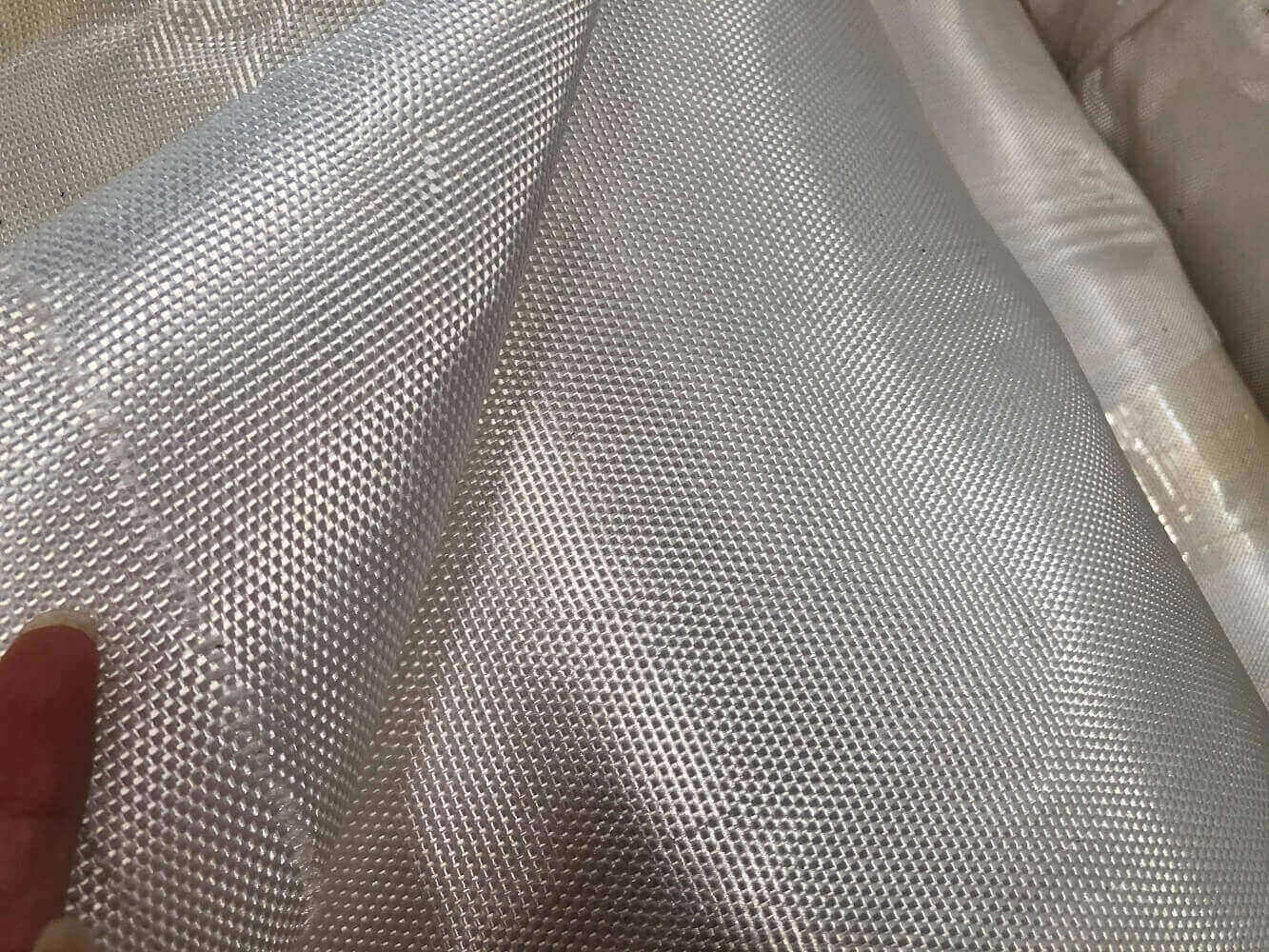
Woven geotextile fabric: Made by weaving fibers together, offering high strength and durability, ideal for heavy-load applications like road construction.
Non-woven geotextile fabric: Made by bonding fibers chemically or thermally, providing excellent filtration and drainage, commonly used in landscaping and drainage systems.
Our copmany is specialize in manufacturing high-quality woven and non-woven geotextiles to meet various project requirements.

What Is the Purpose of Geo Fabric?
Geotextiles serve multiple functions, including:
Separation: Preventing soil mixing (e.g., keeping gravel from sinking into soft soil).
Filtration: Allowing water to pass while retaining soil particles.
Drainage: Facilitating water flow to prevent waterlogging.
Reinforcement: Strengthening weak soils in road and embankment construction.
Erosion Control: Protecting slopes from water and wind erosion.
Common applications include:
Highway and road construction
Retaining wall systems
Railways and airport runways
Drainage and French drains
Coastal erosion protection
Agricultural and landscape fabric applicati

What is Geo Fabric Made Of?
The durability of geo fabric comes from its composition. Most geotextiles you encounter are made from synthetic polymers, primarily:
- Polypropylene (PP): This is the workhorse of the industry. It is lightweight, incredibly resistant to chemical and biological degradation, and does not absorb water. It’s an excellent choice for most soil environments.
- Polyester (PET): Polyester offers superior strength and creep resistance, making it ideal for high-load reinforcement applications, like in very steep retaining walls.
The Two Types: Woven vs Non-Woven Geotextile Fabric
Understanding the difference between woven and non-woven geotextiles is crucial for selecting the right product.
Woven Geotextile Fabric
Imagine the fabric of a strong bag or tarp. That is similar to a woven geotextile. Individual yarns or filaments are interlaced together on a loom.
- Key Properties: High tensile strength and low elongation (it doesn’t stretch much).
- Best For: Reinforcement and stabilization applications. Think of it as adding a steel-like grid to the soil. It’s used under roads, airport runways, and haul roads to distribute loads and prevent rutting.
Non-Woven Geotextile Fabric
Now, think of felt. A non-woven geotextile is made by bonding or needle-punching short and long fibers together. This creates a thicker, more random, three-dimensional structure.
- Key Properties: Excellent water flow (permeability) and filtration. It has more “give” and is great for conforming to uneven surfaces.
- Best For: Drainage, filtration, and separation. This is the fabric you want for French drains, wrapping drainage pipes, erosion control on slopes, and as a separating layer under driveways.
our non-woven series is a customer favorite for drainage projects due to its robust filtration properties that prevent system clogging.


Answering Your Most Common Questions
As a manufacturer, we get asked these questions daily. Let us clear them up.
Is Geofabric Waterproof?
This is the most common misconception. No, standard geotextile fabric is not waterproof. In fact, its main feature is that it is permeable—it is designed to let water pass through.
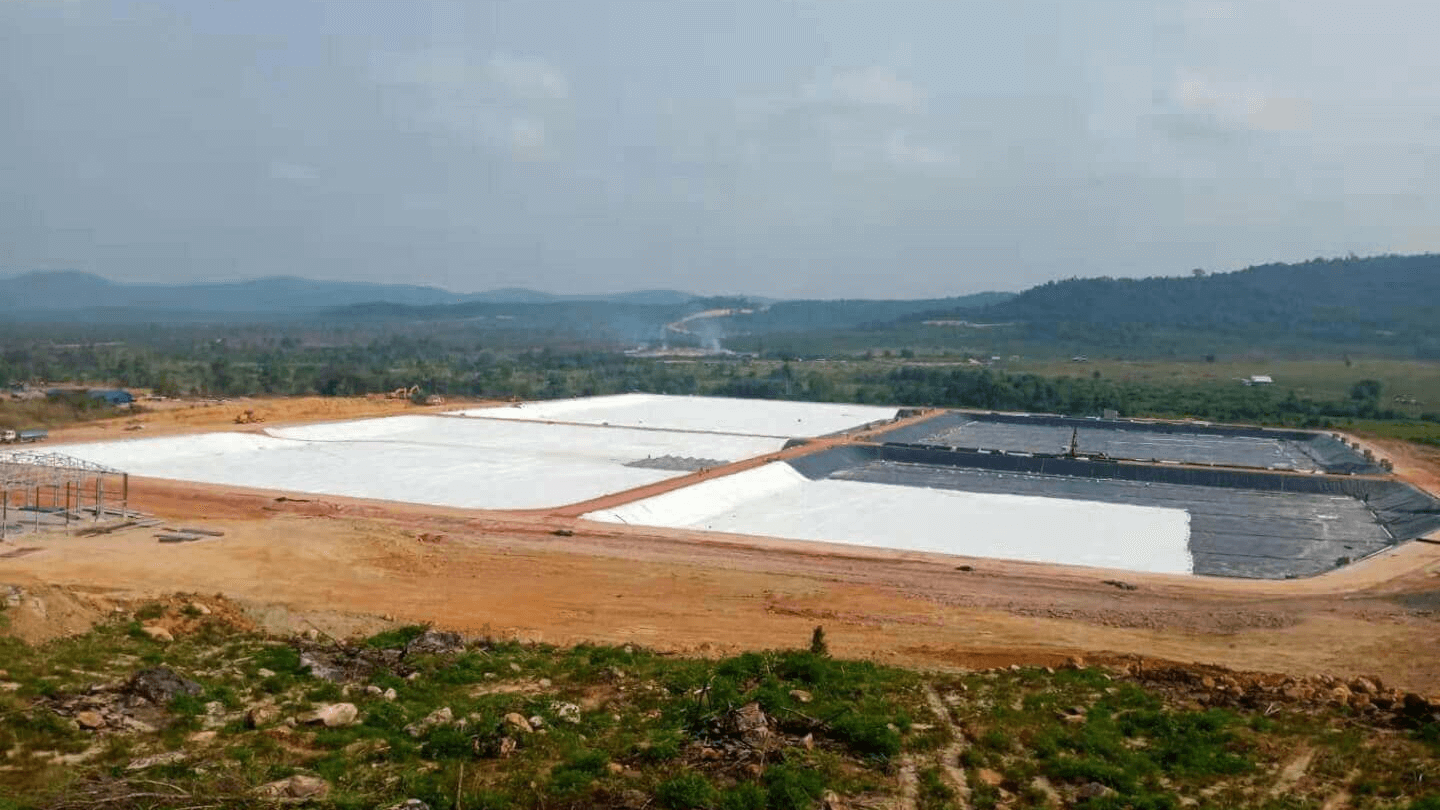
If you need a waterproof barrier to contain liquids, you are looking for an impermeable geotextile fabric, which is actually a different product called a geomembrane. Geomembranes are non-porous plastic liners. We often supply geotextiles and geomembranes as a system; the geotextile acts as a protective cushion for the geomembrane in applications like landfills, ponds, and containment lagoons.
How Long Does Geo Fabric Last?
The lifespan of geotextile fabric depends on material quality, UV exposure, and environmental conditions. Generally:
Polypropylene geotextiles: 5-10 years (shorter lifespan if exposed to sunlight).
Polyester geotextiles: 10-20 years (more UV-resistant).
Reinforced geotextiles: Up to 50 years in buried applications.
Our geotextiles are treated with UV stabilizers for extended outdoor use, ensuring long-term performance.
What is the Difference Between Geo Fabric and Landscape Fabric?
While they might look similar, they are engineered for very different purposes.
- Landscape Fabric: Typically a light-duty, non-woven fabric sold in garden centers. Its primary goal is weed suppression and moisture retention. It lacks the strength and specific hydraulic properties needed for civil engineering.
- Geo Fabric: An engineered product with certified properties for strength, permeability, and durability. It’s designed to withstand the rigors of construction and ensure long-term soil stability. Using a cheap landscape fabric where a geotextile is needed is a recipe for failure.
Where and How to Use Geo Fabric: Key Applications
The versatility of geotextiles is astounding. Here are some of the most common applications of geotextiles:
- Under Roads & Driveways: As a separator to stop gravel from sinking into the subgrade soil.
- Retaining Walls: As reinforcement, laid in layers extending back into the soil to create a stable, reinforced earth mass.
- French Drains & Drainage Systems: To wrap perforated pipes and drainage trenches, preventing soil from clogging the system.
- Erosion Control: On hillsides and shorelines to hold soil in place while allowing vegetation to establish.
- Landfills: As a protective layer for the geomembrane liner and part of the leachate collection system.
- Pond Underlayment: To protect the pond liner from being punctured by rocks or roots.
Here’s a basic installation guide:
Clear and level the working area.
Excavate as needed (for driveways, roads, or drainage trenches).
Lay the fabric flat, overlapping edges by at least 30 cm (12 inches).
Secure the edges with stakes or pins.
Add gravel, sand, or soil on top as specified.
Make sure the fabric stays taut and unwrinkled to avoid shifting under load.
How to Select the Right Geotextile Fabric
Choosing the right fabric is critical. Here’s a simple selection process:
- Identify the Primary Function: What is the main job you need the fabric to do? Is it reinforcement, or is it drainage? This will immediately point you toward either a woven or a non-woven product.
- Consider the Site Conditions: What kind of soil are you working with? What are the expected loads and water flow?
- Consult the Specifications: For engineered projects, a designer will specify required properties like tensile strength (in kN/m), permittivity (water flow rate), and apparent opening size (AOS) to match the soil type.
Are There Disadvantages of Geotextile Fabric?
To be trustworthy, we must be transparent. The “disadvantages” of geotextiles almost always stem from two things: improper selection or poor installation.
- Clogging: If you use a fabric with too small an opening size for the soil, it can clog over time.
- UV Degradation: As mentioned, leaving the fabric exposed to sunlight for prolonged periods will weaken it.
- Installation Damage: Care must be taken during construction to not tear or puncture the fabric.
These are not inherent flaws in the material but are risks that are easily managed by choosing a quality product and following proper installation guidelines.
Your Partner in Geotechnical Solutions
Geotextiles are foundational to modern construction and environmental protection. They are unseen heroes that provide stability, manage water, and extend the life of our infrastructure.
As a trusted geotextile manufacturer, We can delivers high-performance fabrics tailored to your requirements. Contact us today for expert advice and premium-quality geotextile solutions! Please follow our Linkedin Facebook for more informations!
Recent Post
Aquaculture Pond Lining in Indonesia | From Design to Installation
From Project Drawing to Water Filling: An Aquaculture Pond Lining Project in Indonesia This aquaculture pond project in Indonesia started with a project drawing.The customer firstly contacted us
When Is Geotextile Really Necessary?
When Is Geotextile Really Necessary in Civil Engineering Projects? Geotextiles are widely used in modern infrastructure and environmental engineering. However, a common question among engineers, designers, and contractors is: Is geotextile always necessary? In
Woven Polypropylene Geotextile Manufacturer | Engineering Grade & Landscape Fabric
Woven Polypropylene Geotextile Manufacturer | Engineering Grade & Landscape Fabric By Planetliner — Manufacturer of High-Performance Woven PP Fabrics for Global Projects Woven polypropylene geotextile has become a fundamental material in civil engineering, environmental protection,