
What Is Geo Grid Mesh and which material is Premium Solution?
In the world of civil engineering and construction, ground stabilization is the foundation of any successful project. Unstable soils, steep slopes, and heavy load-bearing surfaces present significant challenges. The solution? A high-performance geosynthetic material known as geo grid mesh.
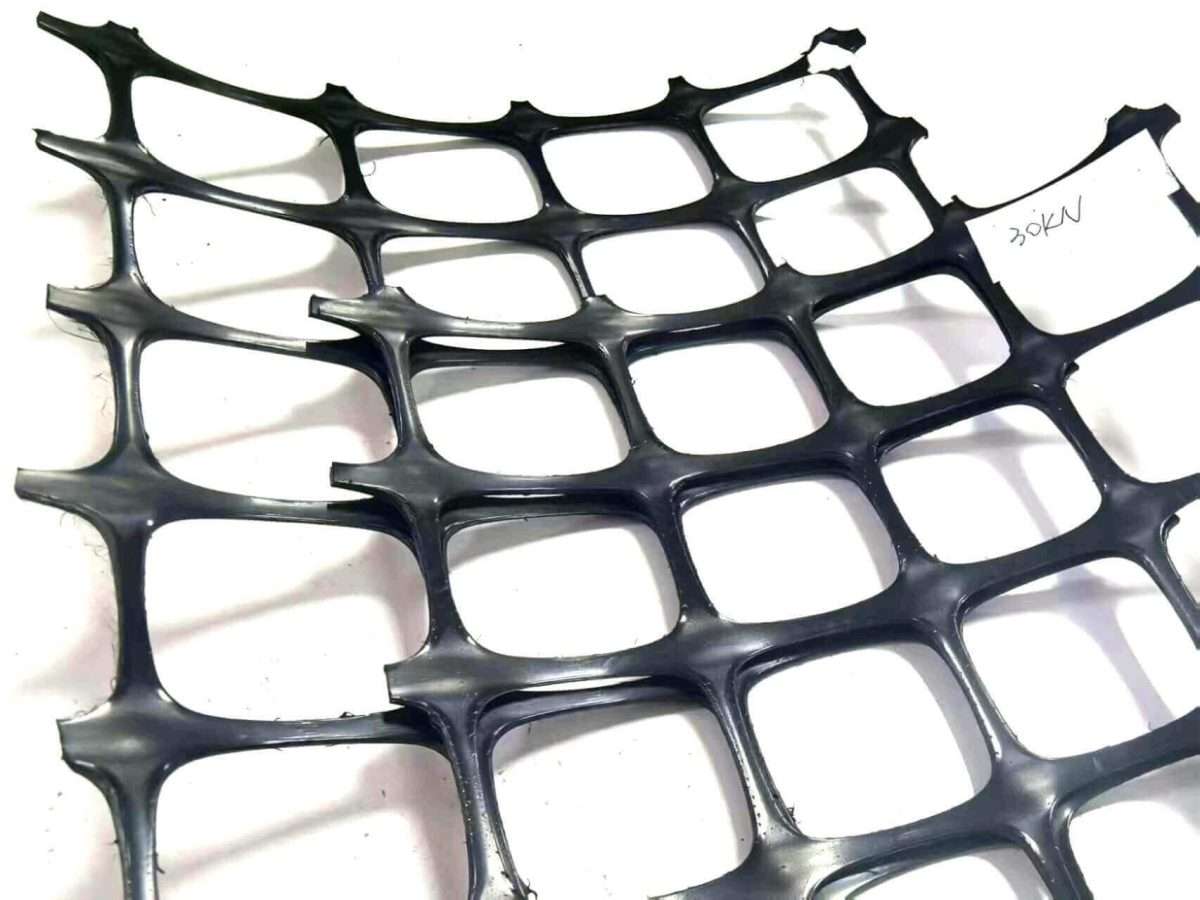
Geo grid mesh, also known simply as geogrid, is a high-strength, grid-like reinforcement material used in soil stabilization, retaining walls, slopes, roads, and mining projects. It plays a critical role in improving soil bearing capacity and preventing deformation under heavy loads.
Modern infrastructure projects use geogrid stabilization systems to ensure long-term strength, durability, and cost efficiency. Among various types, the PET (polyester) geogrid stands out for its superior tensile strength and long-term stability in complex engineering environments.
At Planetliner, we provide advanced geogrid mesh materials for global markets, designed for performance, easy installation, and proven results.
1.What Is Geogrid mesh and How Does It Work?
A geogrid is a synthetic material made from polymers such as polyester (PET), polypropylene (PP), Fiberglass or polyethylene (HDPE). It is structured as a grid mesh that allows soil or aggregate to interlock through its openings. This interlocking effect distributes loads over a wider area, increasing soil strength and reducing settlement.This “geo grid” structure is specifically engineered to perform one primary function: reinforcement.
Unlike geotextiles, which are typically used for separation and filtration, a geogrid “mesh” design allows soil particles (aggregate) to strike through the apertures (openings). This interlocking action creates a powerful composite structure, effectively locking the soil and the grid together.
Key Functions of Geogrid:
Reinforcement: Improves load distribution and soil stability.
Separation: Prevents mixing of different soil layers.
Filtration: Maintains drainage performance.
Protection: Reduces erosion and soil displacement.
2.Types of Geogrid: Materials and Classification
Geogrids are classified based on their manufacturing process, material composition, and structural configuration. Understanding these classifications is helpful for selecting the appropriate product for specific applications.
2.1Material-Based Classification
Plastic Geogrids: These are made from polypropylene or high-density polyethylene polymers that are extruded, punched, and then drawn in either one or two directions to create high-strength grids . This stretching process aligns the polymer molecules, significantly enhancing their tensile strength while reducing elongation .

Fiberglass Geogrids: Manufactured from glass fibers coated with modified asphalt, these grids offer exceptional tensile strength and minimal elongation (typically less than 3%) . They are particularly valued for their thermal stability and compatibility with asphalt pavements, making them ideal for road surface reinforcement.
Polyester (PET) Geogrids: Made from high-strength polyester fibers using warp knitting processes, these grids offer excellent durability, creep resistance, and mechanical properties. PET geogrids are particularly resistant to chemical and biological degradation, making them suitable for permanent structures.

Steel-Plastic Composite Geogrids: These combine high-strength steel wires or fibers with polyethylene to create exceptionally strong reinforcement materials with the corrosion protection of plastic . The steel components are coated with plastic to prevent corrosion, making these grids suitable for demanding reinforcement applications.
2.2Structure-Based Classification
Uniaxial Geogrids:These grids have high tensile strength in one direction (the machine direction). This makes them the ideal choice for applications where the force is predictable and singular, such as geogrid for slopes and geogrid retaining wall installation.
Biaxial Geogrids: This type of geo grid mesh provides equal tensile strength in two directions (longitudinal and transverse). They are the standard for geogrid road construction, pavement stabilization, and supporting foundations, where forces come from multiple directions.
Triaxial Geogrids: Featuring a triangular aperture pattern that provides multi-directional load distribution, these advanced grids are particularly effective for base course reinforcement in paved roads.
3.Applications of Geo Grid Mesh
3.1 Road and Pavement Stabilization
In roadway applications, geogrids are primarily used for:
Base Course Reinforcement: Biaxial geogrids placed within the aggregate base course significantly improve load distribution and reduce required base thickness by up to 30% .
Subgrade Stabilization: Over soft subgrades, geogrids prevent aggregate penetration into soft soils while providing a stable platform for construction.
Pavement Life Extension: By reducing reflective cracking and structural deformation, geogrids can extend pavement service life by several years.
3.2 Retaining Wall Structure
Geogrids have revolutionized retaining wall design through:
Mechanically Stabilized Earth (MSE) Walls: Geogrid layers provide the tensile reinforcement needed to create stable vertical or near-vertical soil faces.

Reinforced Soil Slopes: Steepened slopes (up to 70 degrees) can be constructed using geogrid reinforcement, reducing land requirements compared to conventional sloped embankments.
3.3Mining and Industrial Use
In mining environments, specialized mining grid products offer:
Landfill Construction: Geogrids reinforce foundation soils beneath landfills and waste containment facilities.
Mine Haul Road Stabilization: Heavy-duty geogrids create stable working platforms for mining equipment operating on weak soils.
Slope Protection for Mining Operations: Uniaxial geogrids reinforce steep slopes in open-pit mines and stockpiles.
3.4Slope and Embankment Stabilization
For natural and man-made slopes, geogrids provide:
Erosion Control: Combined with vegetation or facing systems, geogrids stabilize slope surfaces against water and wind erosion.
Global Stability Improvement: Multiple layers of geogrid reinforcement prevent deep-seated slope failures by providing additional shear resistance.
3.5Railway Construction
Geogrid applications in railway engineering include:
Track Bed Stabilization: Reducing maintenance requirements by preventing ballast penetration into subgrade soils.
Embankment Reinforcement: Providing long-term stability for railway embankments constructed on soft foundations.
For residential or commercial projects, using a geogrid can significantly lower the geogrid driveway cost over the long term by preventing ruts and stabilizing the gravel or paver base.
4.PET Geogrid: The Premium Solution for Demanding Applications
Polyester (PET) geogrids represent a high-performance category of geosynthetic reinforcements that offer distinct advantages for challenging construction projects.
4.1Key Properties and Advantages
High Tensile Strength: PET geogrids typically offer tensile strengths ranging from 20 kN/m to 300 kN/m , with some specialized products reaching even higher capacities.
Low Creep Characteristics: The molecular structure of polyester provides excellent resistance to long-term creep, essential for permanent structures.
Excellent Flexibility: Despite their high strength, PET geogrids maintain flexibility for easy installation conforming to various terrain contours.
Superior Durability: PET geogrids demonstrate strong resistance to chemical, biological, and environmental degradation, ensuring long-term performance.
Enhanced Soil Interaction: The grid structure provides optimal interlocking with various fill materials, creating a stable composite system.
4.2Technical Specifications
Typical PET geogrid specifications include:
Tensile Strength:Biaxial 30/30-1200/1200kN/m, and Uniaxial 50/30-1600/100kN/m.(customizable based on application requirements)
Elongation at Break: Approximately 10±2%
Width Options: 1m-5.2m.
Roll Length: 50-200m(custom lengths available)
Table: Comparison of Geogrid Types and Their Properties
| Geogrid Type | Tensile Strength Range | Elongation at Break | Primary Applications | Cost Effectiveness |
|---|---|---|---|---|
| Plastic (PP/HDPE) | 15-100 kN/m | 10-15% | Soil stabilization, slope protection | High |
| Fiberglass | 25-120 kN/m | ≤3% | Pavement reinforcement, asphalt overlay | Medium |
| Polyester (PET) | 20-300 kN/m | 11±2% | Heavy-duty reinforcement, infrastructure projects | Medium-High |
| Steel-Plastic Composite | 50-400 kN/m | <5% | Reinforced soil walls, embankments | High |
5.Geogrids Prices, Cost, and Installation Insights
Clients and contractors frequently ask about the financial and practical side of using geogrids.
5.1Understanding the Cost of Geogrid
Geogrid prices vary significantly based on several factors:
- Material: PET geogrids generally have a higher upfront cost than PP grids but provide better long-term value.
- Type: Uniaxial, biaxial, or triaxial.
- Strength: Higher tensile strength grids are more expensive.
- Manufacturer: Brand reputation and quality control play a role. For example, biaxial geogrid prices can range from $1.50 to $5.00 per square yard, but this is highly variable.
Quantity: Volume discounts apply, with prices decreasing substantially for large orders (≥100,000 m²) .
Customization: Special widths, strengths, or coatings increase costs but may provide overall project savings.
5.2How to Install Geogrid: A Simple Overview
Proper installation is critical to geogrid performance. While specific procedures vary by application, these general principles apply:
1)Site Preparation
Subgrade Leveling: Prepare a smooth, uniform subgrade free of debris, voids, and protruding objects.
Compaction: Achieve specified compaction levels (typically 90-95% of standard Proctor density).
Moisture Control: Ensure optimal moisture content for compaction without creating muddy conditions.
2)Geogrid Placement
Orientation: Position the geogrid with the strong direction (for uniaxial products) oriented perpendicular to the potential failure plane.
Overlapping: Maintain proper overlap between adjacent rolls (typically 6-12 inches for base reinforcement, 12-18 inches for soil reinforcement).
Connection: For wall applications, ensure secure connection between the geogrid and facing elements using appropriate hardware.
3)Backfilling and Compaction
Fill Material: Use specified backfill material free of large, angular stones that could damage the geogrid.
Placement Sequence: Place fill material from the center outward to prevent geogrid displacement.
Compaction Equipment: Use appropriate equipment (typically vibratory rollers for granular fills) while maintaining minimum cover thickness to prevent damage.
6.Current Market Size and Projections
The broader geocomposites market was valued at $447.1 million in 2023 and is expected to grow from $476 million in 2024 to $768.6 million by 2032, representing a compound annual growth rate (CAGR) of 6.2% . Geogrids constitute a substantial portion of this market, with increasing adoption across various sectors.
6.1Regional Market Dynamics
North America: Dominated the market with a 36.48% share in 2023 , driven by infrastructure investments and regulatory requirements for sustainable construction.
Asia-Pacific: Expected to witness the fastest growth, fueled by massive infrastructure development in China, India, and Southeast Asian nations .
Europe: Steady growth supported by stringent environmental regulations and focus on infrastructure maintenance.
6.2Key Growth Drivers
Infrastructure Investment: Government initiatives like the U.S. Bipartisan Infrastructure Law, which allocates approximately $1.2 trillion for infrastructure projects , are driving market growth.
Cost Efficiency: Geogrids can reduce construction costs by 10-50% compared to traditional methods through material savings and reduced maintenance.
Sustainability Requirements: Geogrids support sustainable construction by reducing aggregate consumption, enabling construction on marginal soils, and extending infrastructure service life.
Technical Advantages: Superior performance in challenging soil conditions continues to drive adoption across sectors.
7.Why Choose Planetliner Geogrid Solutions
The geogrid market is vast, but not all products are created equal. When selecting from geogrid manufacturers, it is crucial to look for:
- ISO Certification: Ensures quality management and testing.
- Technical Data Sheets: Clear, verifiable data on tensile strength, creep, and material.
- Project Support: A good manufacturer provides design and installation support.

Planetliner has established itself as a leader in the geosynthetics market, particularly with its advanced PET geo grid mesh solutions. By focusing on high-strength, low-creep materials, Planetliner provides the long-term confidence needed for critical infrastructure, mining, and transportation projects.
Whether you need geogrid for roads, slopes, or mining sites, Planetliner offers cost-effective and sustainable solutions trusted by engineers worldwide.
8.Frequently Asked Questions (FAQs) About Geo Grid Mesh
Q: What is the main difference between a geogrid and a geotextile?
A: A geogrid reinforces by interlocking with soil. A geotextile (a fabric) separates different soil layers, filters water, or provides drainage. They are often used together.
Q: How much does a geogrid driveway cost?
A: The geogrid driveway cost for materials alone can add $1.00 – $3.00 per square foot to the project. However, this is often offset by needing 30-50% less base gravel, saving on excavation and material hauling costs.
Q: Is PET geogrid always better than PP geogrid?
A: Not “better,” but “different.” For a temporary haul road or a light-duty pavement, a PP biaxial geogrid is often sufficient and more economical. For permanent, high-load structures like a 30-foot retaining wall, a PET geogrid is essential due to its superior low-creep properties.
9.Conclusion
The geo grid mesh is an essential material in modern civil engineering, combining high tensile strength, soil reinforcement, and cost efficiency. Among all types, PET geogrid remains a top choice for demanding applications such as road stabilization, slope protection, and retaining wall reinforcement.
If you’re looking for reliable geogrid manufacturers or want to know the latest geogrid prices, Planetliner is your trusted partner in advanced geosynthetic materials.Please follow our Linkedin Facebook Youtube for more informations!
Recent Post
Aquaculture Pond Lining in Indonesia | From Design to Installation
From Project Drawing to Water Filling: An Aquaculture Pond Lining Project in Indonesia This aquaculture pond project in Indonesia started with a project drawing.The customer firstly contacted us
When Is Geotextile Really Necessary?
When Is Geotextile Really Necessary in Civil Engineering Projects? Geotextiles are widely used in modern infrastructure and environmental engineering. However, a common question among engineers, designers, and contractors is: Is geotextile always necessary? In
Woven Polypropylene Geotextile Manufacturer | Engineering Grade & Landscape Fabric
Woven Polypropylene Geotextile Manufacturer | Engineering Grade & Landscape Fabric By Planetliner — Manufacturer of High-Performance Woven PP Fabrics for Global Projects Woven polypropylene geotextile has become a fundamental material in civil engineering, environmental protection,