
What is Geo Textile Cloth?
Geo textile cloth, also known as geotextile or geotextile fabric, is a synthetic permeable textile material used to improve soil conditions in construction, landscaping, road building, and agricultural applications. The material are polypropylene or polyester, geo textile cloth plays a critical role in separation, filtration, drainage, reinforcement, and protection. Whether you are laying gravel, building a planter, or stabilizing a roadbed, geo textile fabric offers reliable performance and cost-effective solutions.
As a leading geotextiles manufacturer and exporter, we have supplyed geo textile cloth solutions across the globe. It is not just about rolls of fabric; it is about solving ground problems – making construction last longer, preventing erosion, managing water, and helping gardens thrive. If you are working with soil, rock, or anything in between, understanding geo textile cloth (also widely known as geotextile fabric, geo fabric cloth, or geotextile material) is very important.

Types of Geo Textile Cloth
There are two main types of geotextile fabric: woven geotextiles and non-woven geotextiles.
1. Woven Geotextile Fabric
Woven geotextiles are made by weaving polypropylene or polyester yarns in a structured pattern. They are strong, durable, and used for soil stabilization, load support, and reinforcement applications. You will find woven geo textile cloth in projects like road foundations, parking lots, and retaining walls.
Key Features:
High tensile strength
Low elongation
Good filtration and separation performance
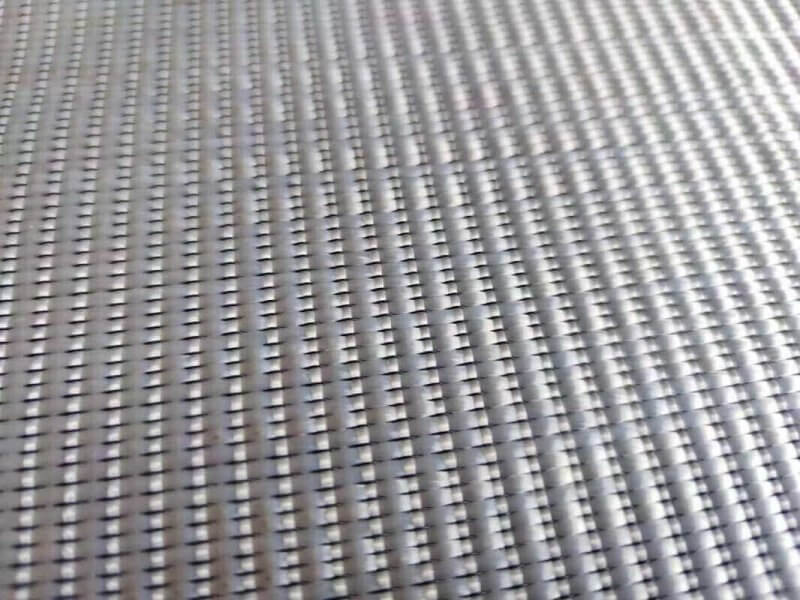
Our Woven Geotextile specifications
High strength PET Woven Geotextile
Tensile strength:80/50,100/50,200/50,400/50,600/50,800/50,1000/50,1200/50,2000/50. 80/80,100/100,200/200,400/400,600/600kN/m.
Width:3.5m 4m 5.2m
Length:50m 100m 200m or 300m
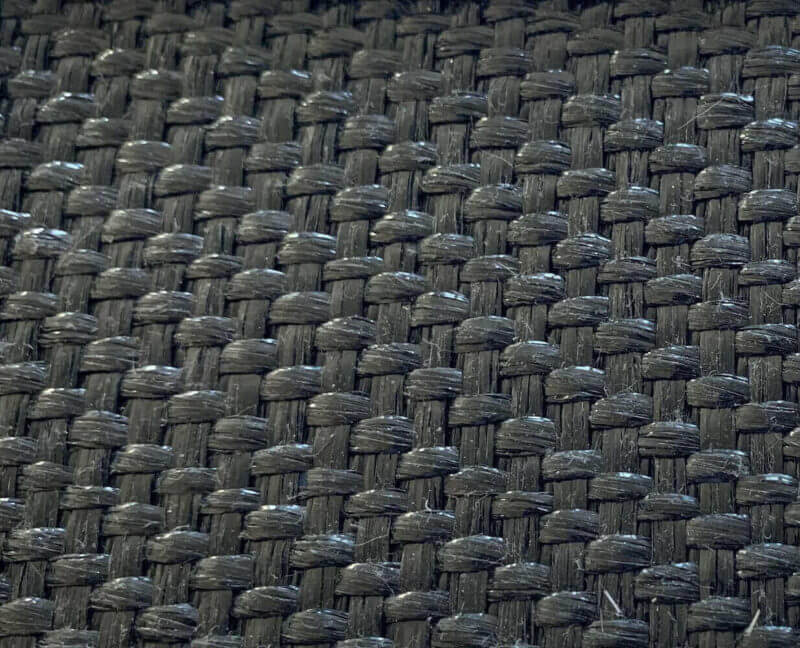
High strength PP Woven Geotextile
Tensile strength:40/40,50/50,60/60, 80/80,120/120,175/175,200/200,300/300kN/m.
Width:4.6m 5.2m
Length:100m 200m or 300m
2. Non-Woven Geotextile Fabric
Non-woven geotextiles are manufactured by bonding fibers through a heat or needle-punched process. These fabrics are ideal for filtration, drainage, and erosion control. Common uses include under gravel layers, drainage ditches, and garden beds.And we have two types of non woven geo textile, one is short fiber staple textile and long fiber continous filament textile.
Key Features:
High permeability
Good drainage capability
Lightweight and easy to install
Our Non Woven Geotextile specifications
Mass unit weight:100g 150g 200g 300g 400g 500g 600g 800g 1000g
Width:max 7m, popular width 1m 2m 3m 5.8m 5.9m.
Length:50m 100m

Applications of Geo Textile Cloth
Geo textile fabric is highly versatile. Below are some of the most popular applications:
● Geotextile Fabric for Drainage
Geo textile cloth for drainage prevents soil from clogging drainage pipes or gravel layers. It allows water to flow through while keeping soil in place. It is commonly used in French drains, septic systems, and underground drainage systems.
● Geotextile Fabric Under Gravel
When installing gravel roads, driveways, or patios, placing a geo textile cloth under gravel prevents mixing of soil and gravel. This increases stability and reduces maintenance costs over time.
● Geotextile Fabric for Planters
Gardeners use geo textile fabric for planters to line raised beds or pots. The fabric improves water flow and prevents root rot while holding the soil in place.
● Geo Fabric for Gardening
From weed control to soil moisture retention, geo fabric for gardening supports healthy plant growth. It is UV resistant and can last for many seasons with minimal maintenance.
● Erosion Control and Soil Reinforcement
On slopes or riverbanks, geotextile cloth can be used to prevent erosion and landslides. It holds soil together and allows vegetation to take root.


Why Your Project Needs Geo Fabric Cloth
Ignoring the ground layer is like building a house without foundations. Here is how geo textiles deliver:
Separation: Keeps distinct soil layers (like gravel and soft subsoil) apart. Prevents mixing, which weakens structures and wastes expensive fill materials. Essential for roads, parking lots, railways.
Reinforcement: Adds tensile strength to soil, allowing steeper slopes, better retaining walls, and improved load distribution. Crucial for embankments, walls, and foundations.
Filtration: Allows water to flow through while preventing soil particles from washing away. Protects drainage systems from clogging. Vital for drainage trenches, behind retaining walls, and coastal protection.
Drainage: Certain non-wovens (like geotextile fabric for drainage) efficiently collect and channel water within their plane, relieving hydrostatic pressure. Key under slabs, in sports fields, landfills.
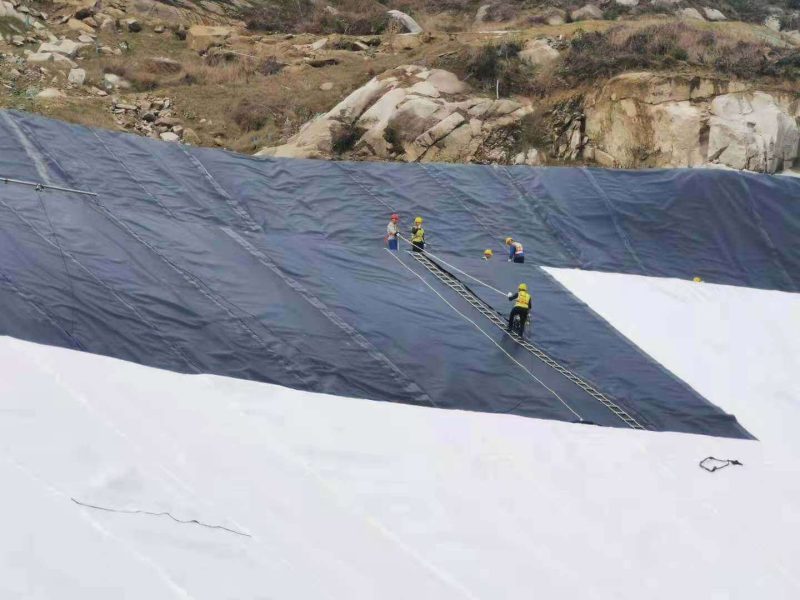
Protection: Acts as a cushion, shielding delicate waterproofing membranes (like pond liners) from punctures by sharp rocks or debris underneath. A must for reservoirs, landfills, ponds.
Erosion Control: Stabilizes soil surfaces on slopes and channels, preventing loss from wind and rain until vegetation establishes. Used with mats or alone.
Why Choose Our Geo Textile Fabric?
As a professional geotextiles supplier factory, we manufacture and export both woven and non-woven geo fabric in a variety of weights, widths, and roll lengths. Here is why industry professionals trust our products:
High-quality raw materials
We use 100% virgin polypropylene and polyester fibers for consistent strength and durability.Competitive geotextile fabric price
Our geotextile fabric cost is factory direct, helping you save on your total project budget.Custom sizes and packaging
We can customize roll width, length, color, and packaging to fit your market requirements.On-time global delivery
With years of export experience, we ship to North America, Europe, Southeast Asia, the Middle East, and Africa efficiently and reliably.Technical support and documents
We provide data sheets, installation guides, and test reports to support your engineering design.


How to Choose the Right Geo Textile Cloth?
When selecting geotextile materials, consider the following:
Project application: Is it for drainage, separation, or reinforcement?
Soil conditions: Clay, sand, gravel, or mixed?
Load requirements: Will the surface hold traffic or just plants?
Roll size needed: What is the area to cover?
You can always contact our engineers for a free consultation to choose the best product for your project.
Geotextile Fabric Cost and Market Price
The geotextile fabric price depends on:
Fabric type (woven or non-woven)
Weight per square meter (gsm)
Roll width and length
Order quantity
Destination country
Why Partner with an Experienced Geotextiles Manufacturer & Supplier?
As a direct geotextiles manufacturer factory and geotextiles supplier factory, we offer distinct advantages:
Deep Expertise: Years of solving real-world ground problems globally. We know how geo textiles perform.
Quality Control: Rigorous in-house testing ensures every roll meets specifications for strength, permeability, and durability.
Consistent Supply: Reliable production means you get the geo textile cloth you need, when you need it.
Cost Efficiency: Eliminating unnecessary middlemen often translates to better geotextile cloth price and geotextile fabric cost for you.
Technical Support: Need help choosing between geo tech textiles? We provide guidance based on your project specifics.
Customization: Potential for specific roll sizes, strengths, or treatments.
Generally, geotextile cloth price ranges from USD 0.3 to 1.5 per square meter, depending on specifications. For wholesale inquiries or bulk orders, contact us directly for a quote.
Frequently Asked Questions (FAQs)
1. What is the difference between woven and non-woven geotextile fabric?
Woven geotextiles are stronger and used for reinforcement. Non-woven geotextiles are more permeable and used for filtration and drainage.
2. How long does geotextile fabric last?
High-quality geotextiles made from UV-stabilized polypropylene or polyester are designed to last for decades, often 50+ years when buried. Exposure to sunlight (UV) before burial is the main factor reducing lifespan, so minimize this during installation.
3. Can I use geotextile fabric for gardening?
Yes. Geo fabric for gardening is great for weed control, planter lining, and moisture management.
4. Is geotextile fabric expensive?
Not really. The geotextile fabric cost is low compared to the long-term savings on maintenance and soil management.
5. Do you offer customized rolls or private label packaging?
Yes. As a geotextiles manufacturer factory, we support OEM and ODM services.
6. What is the minimum order quantity?
We support flexible MOQ depending on your market. For most standard products, MOQ starts from 1000 square meters.
7.Can I use regular landscape fabric instead of proper geotextile material?
Not recommended for critical applications. Landscape fabric is often lightweight and degrades quickly. Engineered geotextile material is designed for long-term performance under stress, UV exposure, and specific soil conditions. Using the wrong material risks project failure.
As a manufacturer supplier of geo textile fabric, We are ready to support your project with high-quality geo textile fabric, fast shipping, and expert advice. Contact us today for a free sample or quotation.Follow our Linkedin Facebook Youtube for more details!
Recent Post
Aquaculture Pond Lining in Indonesia | From Design to Installation
From Project Drawing to Water Filling: An Aquaculture Pond Lining Project in Indonesia This aquaculture pond project in Indonesia started with a project drawing.The customer firstly contacted us
When Is Geotextile Really Necessary?
When Is Geotextile Really Necessary in Civil Engineering Projects? Geotextiles are widely used in modern infrastructure and environmental engineering. However, a common question among engineers, designers, and contractors is: Is geotextile always necessary? In
Woven Polypropylene Geotextile Manufacturer | Engineering Grade & Landscape Fabric
Woven Polypropylene Geotextile Manufacturer | Engineering Grade & Landscape Fabric By Planetliner — Manufacturer of High-Performance Woven PP Fabrics for Global Projects Woven polypropylene geotextile has become a fundamental material in civil engineering, environmental protection,