
What is difference geogrid fabric and geotextile fabaric
When you do construction projects, road building, slope stabilization, or retaining wall design, the strength of the foundation is first item,so geosynthetics like geogrid fabric and geotextile fabric become popular. while they might seem similar, they serve very different purposes.Using the wrong material can make project failure, while using the right one saves you time, money, and future headaches.
What Is Geogrid?
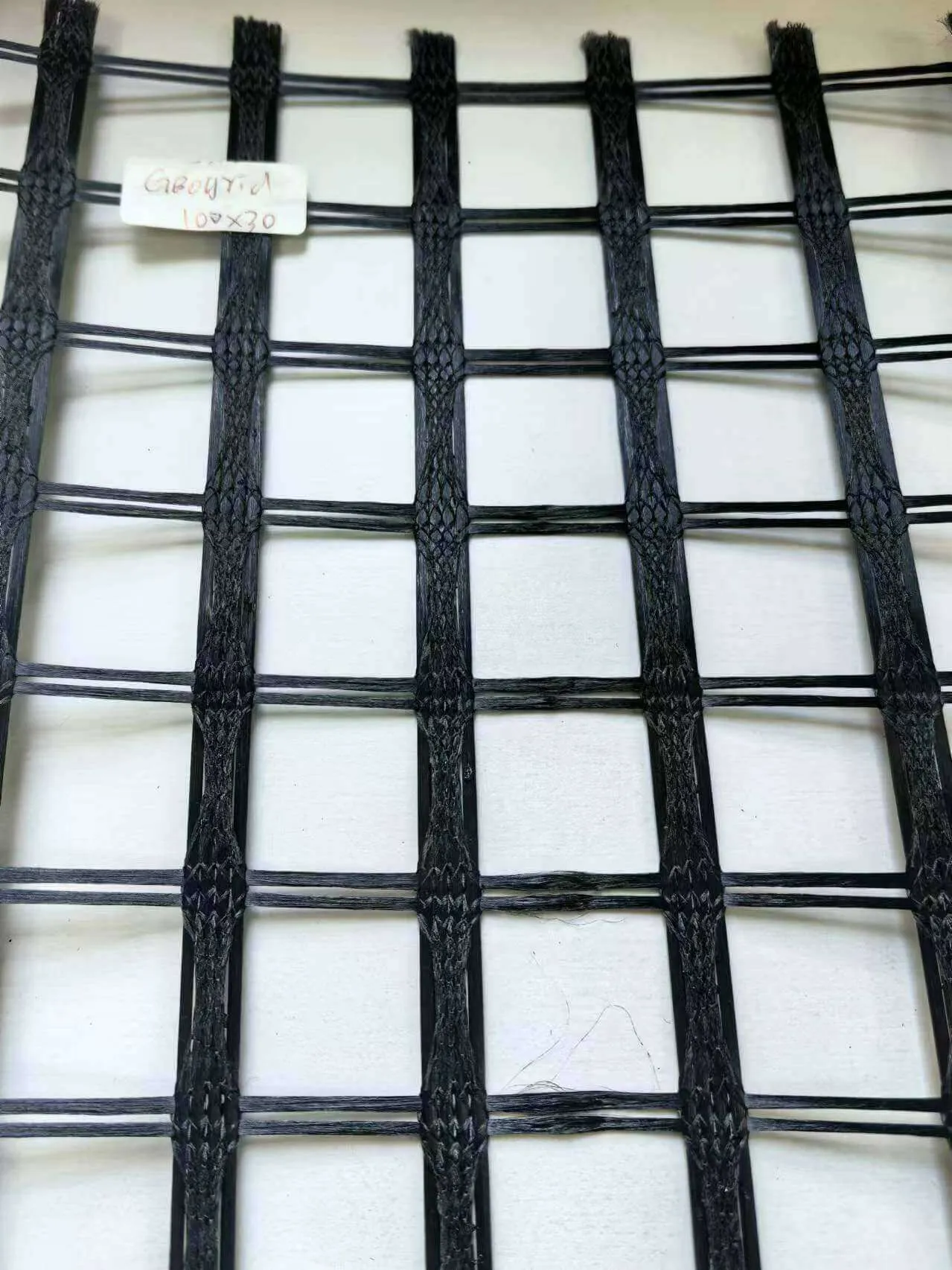
A geogrid is a high strength synthetic material made from polymers such as High density polyethylene, polyester or polypropylene. It is designed in a grid or net-like structure with open spaces (also called apertures), which help lock in the soil or aggregate.
What is geogrid used for?
In one word: Reinforcement! When buried, soil, gravel, and rock particles lock into its large openings. This creates a mechanical interlock, essentially turning the soil and grid into one unified, super-strong material. It is like adding rebar to concrete. This is very helpful for:
Building powerful geogrid fabric retaining wall systems.
Slope soil stabilization and preventing landslides using geogrid for slope stabilization (also called slope grid or geo grid).
Geogrid road construction over soft, unstable ground.
Geogrid soil stabilization under foundations, parking lots, and heavy embankments.
Because of its grid-like structure, it distributes loads over a wider area, reducing stress on the soil. If you’re dealing with soft subgrades or want to prevent shifting, geogrid material is the first choice.

Geogrid Fabric for Retaining Walls and Slopes
One of the most common uses of geogrid fabric is in retaining walls. When soil is backfilled behind a wall, pressure builds up. Without proper reinforcement, this pressure can cause walls to collapse over time. A geogrid fabric retaining wall helps by anchoring the soil back into the ground, reducing pressure and increasing wall stability. Here is a Malaysia retaining wall projects, which use our PET geogrid 60/30 80/30 100/30kN types.
Slope Grid and Geo Grid Solutions
Sometimes referred to as slope grid or geo grid, these materials are especially helpful in steep or unstable terrains. By interlocking with soil or stone, geogrid soil stabilization becomes much more reliable and long-lasting than using traditional methods alone.
Want to save costs in the long run? A well-installed geogrid slope stabilization system can reduce maintenance needs, lower risk of erosion, and prevent costly repairs after storms or heavy rainfall.

What Is Geotextile Fabric?
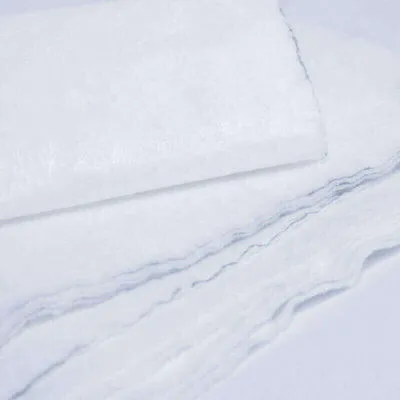
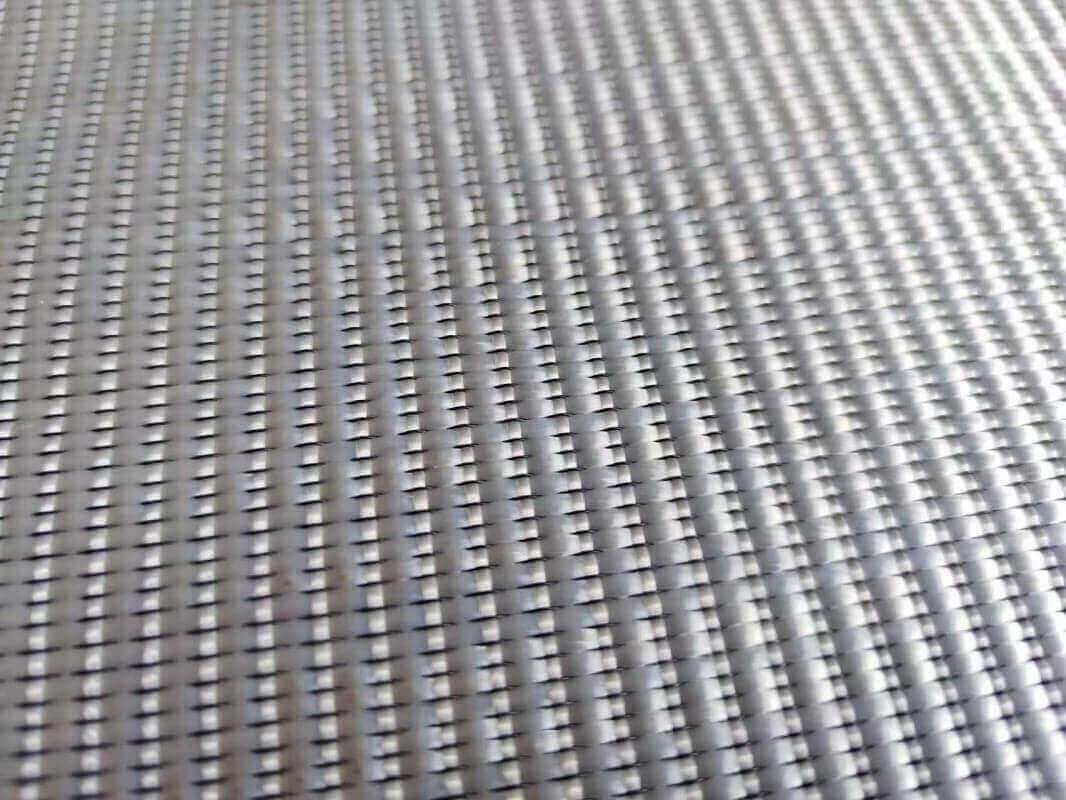
This is a permeable fabric, sometimes called geo fiber cloth. The geotextile fabric lets water through but holds the particle. The geotextile has two types,woven (like a strong burlap sack) and non-woven (like a thick felt).
Geotextile main jobs are separation, filtration, drainage, and protection:
1. Separation
Use polyester staple needle-punched geotextile to isolate building materials (such as soil and sand, soil and concrete, etc.) with different physical properties (particle size, distribution, consistency and density, etc.). Prevent the loss and mixing of two or more materials, maintain the overall structure and function of the materials, and enhance the bearing capacity of the structure.
2. Filtration (anti-filtration)
When water flows from the fine soil layer into the coarse soil layer, the good air permeability and water permeability of polyester staple needle-punched geotextile are used to allow water to flow through, and effectively intercept soil particles, fine sand, small stones, etc., to maintain the stability of water and soil engineering.
3. Drainage
Polyester staple needle-punched geotextile has good water-conducting properties. It can form drainage channels inside the soil and discharge excess liquid and gas in the soil structure.
4. Reinforcement
Use polyester staple needle-punched geotextile to enhance the tensile strength and deformation resistance of the soil, enhance the stability of the building structure, and improve the quality of the soil.
5. Protection
When water flows on the soil, it effectively diffuses, transfers or decomposes the concentrated stress, preventing the soil from being damaged by external forces, thus protecting the soil.
6. Anti-puncture
Combined with geomembrane to form a composite waterproof and anti-seepage material, it plays an anti-puncture role.
| Feature | Geogrid | Geotextile Fabric |
|---|---|---|
| Primary Function | Reinforcement (Strength!) | Separation, Filtration, Protection |
| Structure | Open grid with large apertures | Fabric sheet (woven or non-woven) |
| Soil Interaction | Mechanical interlock (soil grips grid) | Prevents soil mixing, filters particles |
| Strength Focus | High Tensile Strength | Puncture resistance, permeability |
| Water Flow | Water flows easily through apertures | Water flows through the fabric’s pores |
| Key Applications | Retaining walls, steep slopes, roads | Drainage,Separation,Erosion Mats |
Why Does This Difference Matter?
Building a Tall Retaining Wall (Geogrid Fabric Retaining Wall): You need geogrids. Their tensile strength actively reinforces the soil mass, holding back the immense pressure. A geotextile placed behind the wall might handle drainage, but it won’t provide the crucial reinforcement. Geogrid for slopes is essential for stability.
Laying a Gravel Driveway over Mud: Here, a geotextile fabric shines. It prevents the gravel from sinking into the soft mud (separation) and allows water to drain upwards (filtration), keeping your driveway stable. A geogrid alone wouldn’t effectively stop the mixing.
Stabilizing an Erosion-Prone Slope: Often, you need a team. Geogrid for slope stabilization provides the deep reinforcement to hold the soil mass together. A geotextile might then be placed on the surface under mulch or vegetation to control surface erosion and aid plant growth (slope soil stabilization).


When to Use a Geogrid?
This is your go-to for heavy-duty jobs that require serious strength. The most common use is for slope soil stabilization.
Retaining Walls: A geogrid fabric retaining wall is significantly stronger than one without. Layers of geogrid are placed within the soil behind the wall, acting as anchors to hold the earth back.
Slope Stabilization: For any project involving steep inclines, geogrid for slope stabilization is a must. The slope grid prevents landslides and erosion by locking the surface soil together. This is crucial for building on or near hills. You’ll often see this referred to as geogrid for slopes.
Road Construction: When building a road (geogrid road) or driveway on soft soil, geogrids create a stable base, preventing ruts and extending the life of the pavement.
When to Use a Geotextile?
This is your solution for projects involving water and soil separation.
French Drains: It wraps around the perforated pipe and gravel to let water in but keep silt out, preventing the drain from clogging.
Under Driveways: Placed between the earth and the gravel base, it stops the gravel from sinking into the soil while still allowing for drainage.
Erosion Control: On gentle slopes or shorelines, it can be laid down to hold soil in place while allowing vegetation to grow through it.
Cost of Geogrid & Geotextile
Generally, geotextile fabric tends to have a lower upfront geogrid price per square yard/meter compared to high-strength geogrids.
However, cost-effectiveness depends entirely on the job: Using geotextile where you need geogrid reinforcement is a waste of money – the project will likely fail. Using heavy-duty geogrid where only separation is needed is overkill. Consider:
Project Requirements: Reinforcement needs dictate material choice.
Material Specifications: Strength ratings vary significantly within both categories. Stronger = usually more expensive.
Installation Costs: Proper installation is critical for both.
Geogrid manufacturers and geotextile fabric manufacturers offer a wide range of products at different price points. Getting geogrid for sale or geotextile quotes based on your specific engineering specs is crucial.
In summary, geogrid and geotextile fabrics are both essential tools in modern construction, but they serve very different roles.
Use geogrid fabric when you need strength, support, and stability—for walls, roads, or slopes.
Use geotextile fabric when your focus is filtration, drainage, or separation of soil layers.
Both are cost-effective when used correctly, and both can improve your project performance and lifespan.
If you are not sure which one to choose, talk to your supplier or a trusted geogrid manufacturer. With the right product and proper installation, you will get a safer, stronger, and smarter solution. Please follow our Linkedin Facebook for more informations!
Recent Post
Aquaculture Pond Lining in Indonesia | From Design to Installation
From Project Drawing to Water Filling: An Aquaculture Pond Lining Project in Indonesia This aquaculture pond project in Indonesia started with a project drawing.The customer firstly contacted us
When Is Geotextile Really Necessary?
When Is Geotextile Really Necessary in Civil Engineering Projects? Geotextiles are widely used in modern infrastructure and environmental engineering. However, a common question among engineers, designers, and contractors is: Is geotextile always necessary? In
Woven Polypropylene Geotextile Manufacturer | Engineering Grade & Landscape Fabric
Woven Polypropylene Geotextile Manufacturer | Engineering Grade & Landscape Fabric By Planetliner — Manufacturer of High-Performance Woven PP Fabrics for Global Projects Woven polypropylene geotextile has become a fundamental material in civil engineering, environmental protection,