
Do you need Geomembrane Installation filetype:pdf ?
If you are preparing for a project that involves installing a geomembrane liner or you are searching for geomembrane installation filetype:pdf, like a water pond, landfill, or containment system. Whether you are making a large agricultural lagoon, or an environmental project, getting geomembrane installation right is very important. A leaky liner means wasted money and environmental risks.

Why Geomembranes are So Important
Before we jump into how they are installed, let us talk about why geomembranes are such a big deal. They are very important for environmental protection, preventing harmful chemicals from leaching into our soil and groundwater. They also play a huge role in agriculture, industrial applications, and even in creating beautiful, functional pond liners. So besides the geomembrane its own property, high mechnical property, incredibly durable, resistant to chemicals and UV rays,another import item is the correct installation, geomembrane can last for decades when installed correctly.
Our Geomembrane use the 100% virgin material, ensure the material property at a high level, and the final products technical data meet and exceed the GRI GM13 standard. With the high property, the geomembrane can have a basic result for the projects.
We can make geomembrane 0.3mm to 3mm thickness, and max width is 8m.

What is Geomembrane Installation?
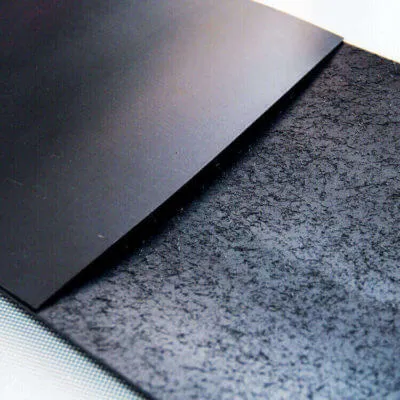
A geomembrane is a synthetic membrane liner or barrier used to control fluid or gas migration in the projects. These liners are commonly made from materials like HDPE (High-Density Polyethylene), LLDPE, PVC, or EPDM,and our company is the manufacturer supplier of geomembrane with many years experience.
Geomembrane installation is the step-by-step process of laying, welding, and testing these liners to ensure that the liner is complete and the impermeability is no problem. The geomembrane Applications include fish shrimp ponds, canals lagoon,water reservoir,water treatment, salt treatment, mining tailings, dams and hazardous waste landfills and so on.
Why Proper Installation Matters
Your geomembrane (often called a pond liner or HDPE liner) acts like a barrier, If it is not installed correctly, water will leak. Good installation can help to ensures:
- Zero Leaks: Saves water and protects the environment.
- Long Lifespan: Properly installed liners last for 20years even more
- Durability: Handles weather, pressure, and ground movement.
- Protected Investment: Liners are expensive,reduce maintainmence cost.
Why “filetype:pdf” Matters
When you search for geomembrane installation filetype:pdf, you are probably looking for a downloadable, professional guide. PDF files are commonly used by engineering firms, liner manufacturers, and construction teams to share detailed specifications, technical drawings, safety procedures, and QA/QC checklists.
Our company is a manufacturer of geomembrane,and have installation engineers, which finished many projects, And our Installation guide can help you on the installation process.Please contact us for the pdf file.

Step-by-Step Guide to Geomembrane Installation
While every site is different, these steps are standard across most pond liner installation or hdpe liner installation projects:
1. Site Preparation
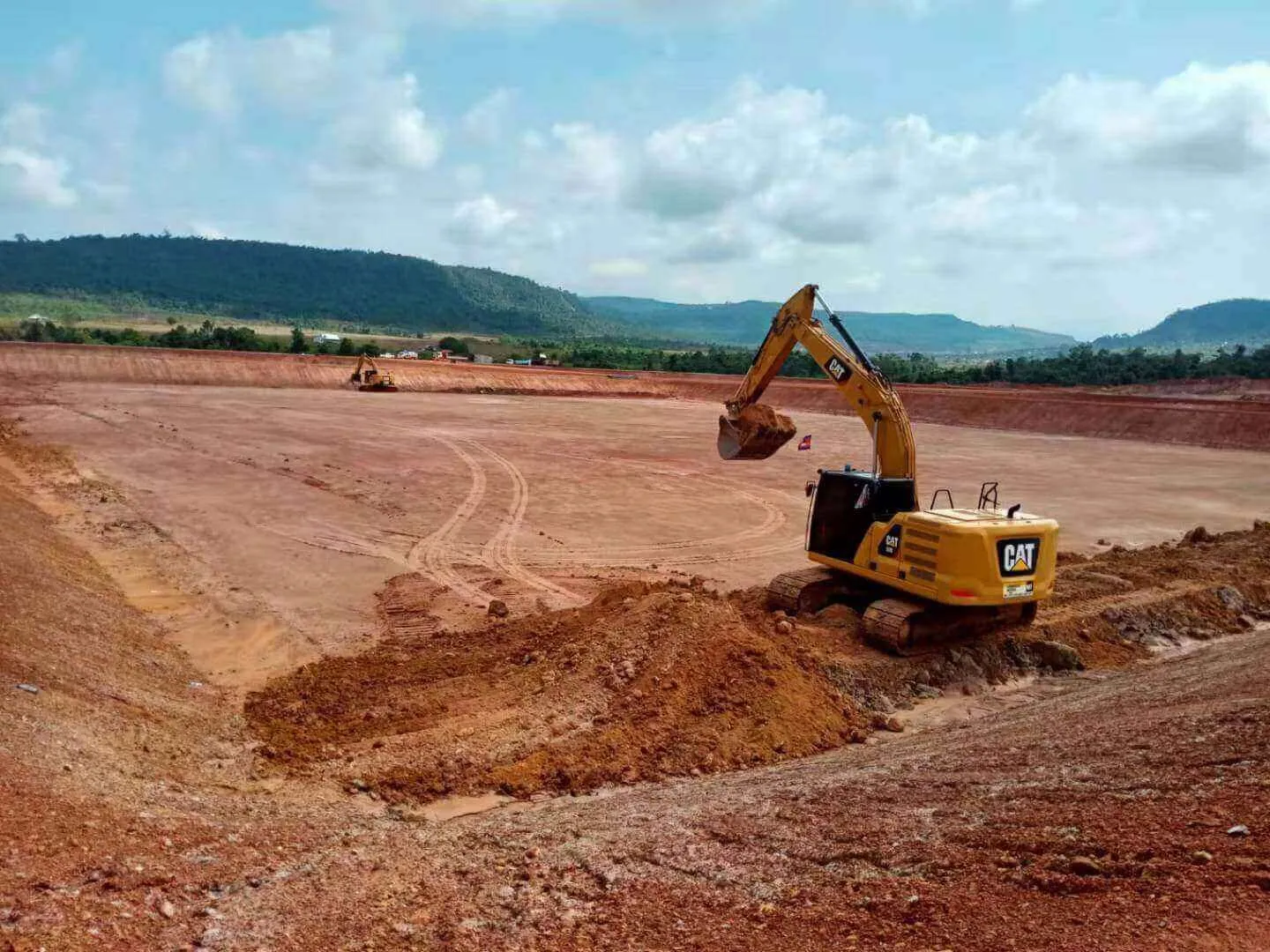
The success of any geomembrane installation hinges on meticulous site preparation. You cannot just throw a liner down and expect it to work!Firstly Survey Your Site to Note the shape, size, soil type, rocks, roots, or pipes.
First things the area needs to be cleared. This means getting rid of anything sharp – rocks, roots, debris, even small twigs. Imagine a tiny pebble under a heavy liner; over time, that tiny pebble could become a big problem, potentially puncturing the liner. So, the ground has to be better smooth.
Next, the subgrade needs to be compacted and leveled. This creates a stable foundation, preventing the liner from sagging or shifting. Sometimes, a layer of sand or a geotextile fabric (a protective felt-like material) is added as a cushion. This extra layer acts like a bodyguard, protecting geomembrane.
It is also super important to consider the weather. Installing a geomembrane during heavy rain or strong winds is a no-go. Rain can make the ground slippery and difficult to work on, while wind can make it nearly impossible to keep those large liner panels in place.
Pro Tip: For sloped areas, compact the surface to a minimum 95% standard Proctor density to prevent slippage.
2. Liner laying
Carefully unroll the geomembrane liner big rolls over the surface. Avoid dragging the material.This usually involves big rolls of geomembrane being carefully unrolled and positioned across the prepared area. It is a bit like laying out a giant carpet, but with much more precision!
The goal is to lay the panels flat, avoiding any wrinkles or creases. These folds can weaken the liner’s integrity and create stress points. Think about folding a piece of paper repeatedly; eventually, it tears. The same concept applies here.Leave slack (1–3% extra material) for temperature changes. And Minimize walking on the liner. Wear soft shoes if you must.
Use sandbags or soft weights to hold the liner in place temporarily, especially on windy days.
3. Seaming and Welding
For HDPE liners, fusion welding is the most common method. This involves heating the edges of two liner panels to a molten state and then pressing them together, creating a continuous, watertight bond. It is like melting two pieces of plastic together to make one seamless piece. Another method is extrusion welding, where molten plastic is used as a filler material to join the sheets..
Experienced technicians use specialized welding equipment, carefully monitoring temperature and pressure to ensure strong, reliable seams. These seams are the weakest link if not done correctly, so quality control during this stage is paramount.
Hot wedge welding (for long seams)
Extrusion welding (for patches, corners, or repairs)
Seams must be clean, dry, and dust-free.Overlap sheets by 3–6 inches (follow manufacturer guidelines).
Pro Tip: Always conduct test welds and destructive seam tests before and after welding on-site.
4. Anchor Trench Installation
The edges of the liner should be buried in a pre-dug anchor trench to prevent uplift from wind or water pressure.
Trenches are usually 30–45 cm deep and wide, but always follow your engineering design.
5. Quality Control and Testing
Testing is critical and helpful. Key tests include:
Air pressure testing for dual-track welds
Vacuum box testing for extrusion welds
Tensile testing of sample seams
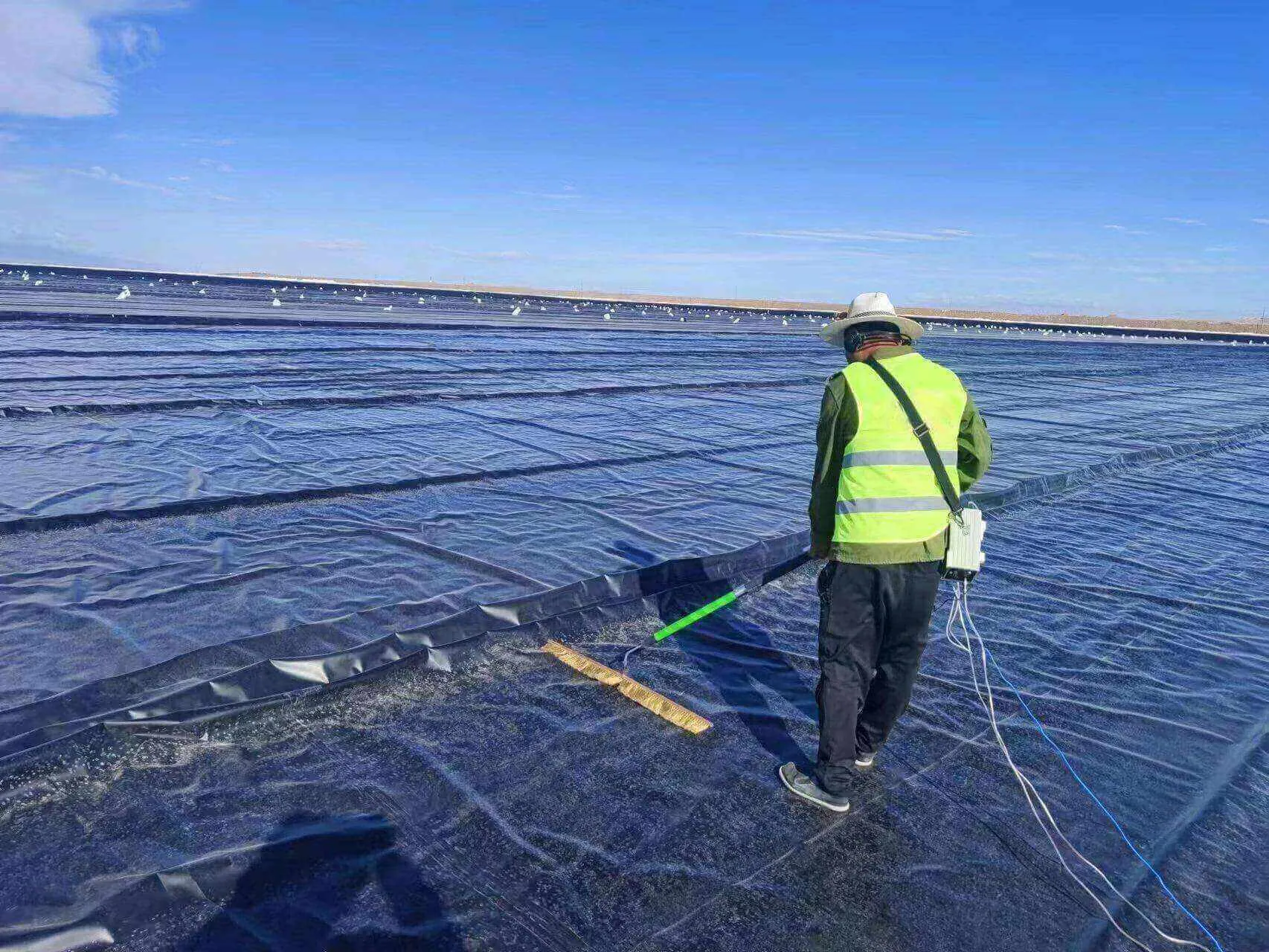
After the liners are laid and seamed, the job is not over. Quality control is absolutely critical to ensure the geomembrane system is workable now.
This often involves various testing methods. Non-destructive testing, like air pressure testing or vacuum box testing, checks the integrity of the seams without damaging the liner. Imagine blowing air into a sealed bag to check for leaks – it is a similar idea. For more thorough checks, destructive testing might be performed, where small samples of the seams are cut out and tested in a lab to verify their strength and bond.
Any defects or imperfections found during these tests should be immediately repaired. This rigorous testing ensures that the installed geomembrane will stand up to the test of time and effectively contain whatever it is designed to hold.


Common Mistakes to Avoid during liner installation
Poor surface preparation – Even small rocks can puncture liners.
Untrained welders – Improper welding leads to seam failure.
Skipping QA tests – Always verify weld integrity.
Incorrect overlap – Typically, a 100 mm overlap is needed before welding.
Installing a geomembrane liner is a highly specialized task—but with the right preparation, tools, and technical documentation, it can be done efficiently and safely. Using resources like a detailed geomembrane installation filetype:pdf guide can help you avoid costly mistakes, improve safety, and meet compliance requirements.
Whether you are lining a simple koi pond or managing a municipal landfill project, never cut corners when it comes to installation. A properly installed geomembrane can last decades and protect your investment and the environment.
Welcome your inquiry and ask about the installation file from us, our engineers can give your suggestions for the geomembrane and installation! Follow our Linkedin Facebook for more informations!
Recent Post
Aquaculture Pond Lining in Indonesia | From Design to Installation
From Project Drawing to Water Filling: An Aquaculture Pond Lining Project in Indonesia This aquaculture pond project in Indonesia started with a project drawing.The customer firstly contacted us
When Is Geotextile Really Necessary?
When Is Geotextile Really Necessary in Civil Engineering Projects? Geotextiles are widely used in modern infrastructure and environmental engineering. However, a common question among engineers, designers, and contractors is: Is geotextile always necessary? In
Woven Polypropylene Geotextile Manufacturer | Engineering Grade & Landscape Fabric
Woven Polypropylene Geotextile Manufacturer | Engineering Grade & Landscape Fabric By Planetliner — Manufacturer of High-Performance Woven PP Fabrics for Global Projects Woven polypropylene geotextile has become a fundamental material in civil engineering, environmental protection,