
Geomembrane Thickness Guide | HDPE Liner Thickness Selection
Selecting the correct geomembrane thickness is one of the most important decisions in containment system design. Engineers, contractors, and project owners frequently ask:
What thickness geomembrane should be used for a civil engineering project?
The answer depends on several factors including project type, mechanical loads, chemical exposure, and long-term durability requirements.
As a material manufacturer and solutions provider, Planetliner can give suggestions about how geomembrane thickness is selected in real engineering projects and compares typical thickness ranges used in HDPE geomembrane and LLDPE geomembrane liners.

Why Geomembrane Thickness Is Important?
Geomembrane thickness directly affects the performance of containment systems.
A thicker geomembrane typically provides:
- higher puncture resistance
- improved tensile strength
- better durability under heavy loads
- longer service life
However, increasing thickness also increases material cost and installation difficulty.Therefore, engineers must balance performance requirements and project economics when choosing geomembrane thickness.
Common Geomembrane Thickness Options
Our geomembrane thickness range is 0.3mm to 3mm:
| Thickness | Typical Applications |
|---|---|
| 0.5mm | Aquaculture fish shrimp pond |
| 0.75mm | irrigation reservoirs |
| 1mm | water storage ponds,landfill capping |
| 1.5mm | landfill containment,water treatment |
| 2mm | mining tailing |
| 2.5-3mm | hazardous containment |
These thickness ranges apply to both HDPE geomembranes and LLDPE geomembranes, although HDPE is typically preferred for heavy-duty applications.
HDPE Geomembrane Thickness Selection
HDPE geomembranes are widely used in environmental containment systems because of their high tensile strength and chemical resistance.
Typical HDPE geomembrane thickness recommendations according to different projects:
1.Landfill liner systems
1.5 mm – 2.0 mm HDPE geomembrane
Landfills require high puncture resistance and long-term durability. International standards such as GRI GM13 often specify minimum thickness requirements.

2.Mining containment systems
2.0 mm – 3.0 mm HDPE geomembrane
Mining facilities such as heap leach pads and tailings storage facilities experience heavy loads and aggressive chemical environments.Thicker geomembranes provide improved mechanical protection.

3.Wastewater treatment ponds
1.0 mm – 1.5 mm HDPE geomembrane
These systems require chemical resistance but typically experience lower mechanical loads than landfill systems.
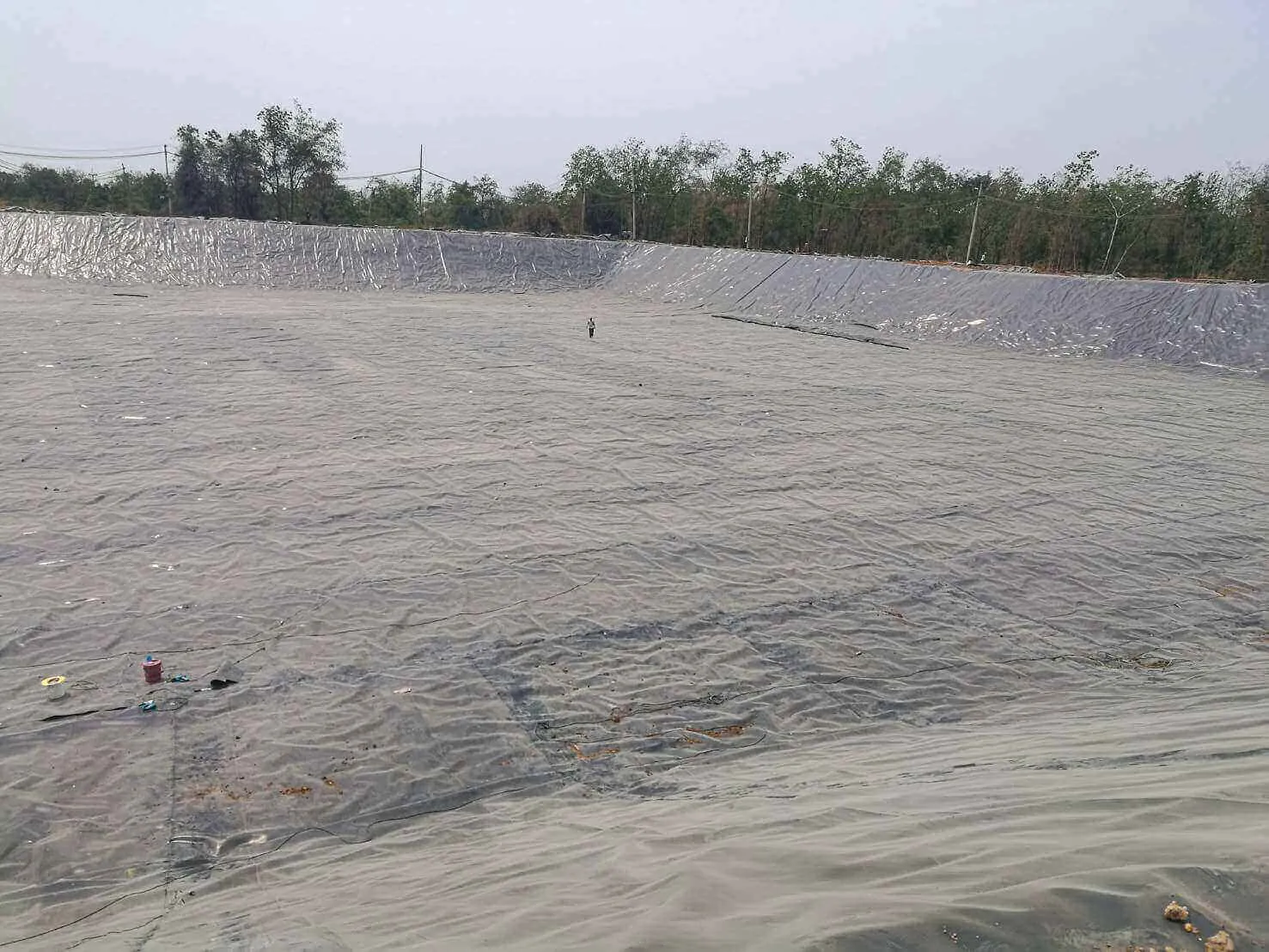
LLDPE Geomembrane Thickness Selection
LLDPE geomembranes are designed for applications requiring greater flexibility.
Typical LLDPE geomembrane applications include:
1.Aquaculture ponds
0.5 mm – 0.75 mm LLDPE geomembrane
These liners provide sufficient waterproofing while remaining flexible and cost-effective,In an aquaculture pond project in Indonesia, liner thickness was discussed after reviewing the project drawing and application requirements.

2.Agricultural irrigation reservoirs
0.75 mm – 1.0 mm LLDPE geomembrane
LLDPE liners adapt well to uneven soil surfaces and reduce installation stress.

3.Decorative ponds and water features
0.5 mm – 1.0 mm LLDPE geomembrane
Flexibility is particularly important for irregular shapes in landscape design.
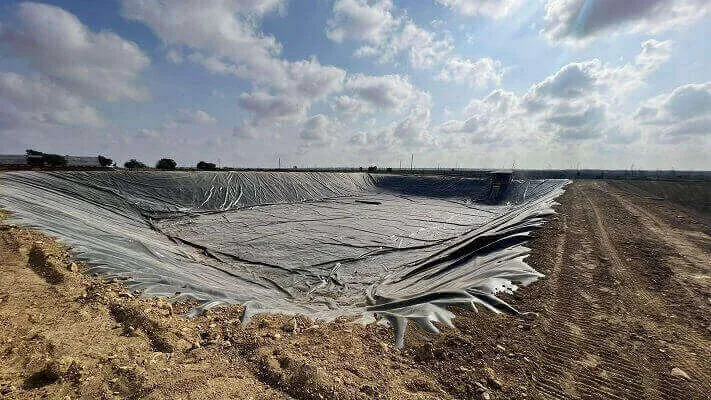
HDPE vs LLDPE Thickness Considerations
Although HDPE and LLDPE geomembranes can be produced in similar thicknesses, their mechanical properties differ.
HDPE geomembrane:
- higher tensile strength
- higher stiffness
- better chemical resistance
- commonly used in heavy-duty containment
LLDPE geomembrane
- higher elongation capacity
- improved flexibility
- easier installation on uneven terrain
For projects with complex ground conditions, LLDPE geomembranes may perform better even at similar thickness levels.
Factors Engineers Consider When Selecting Geomembrane Thickness
Thickness selection is rarely based on a single factor. Engineers typically evaluate several conditions.
1.Subgrade conditions
Sharp stones or rough soil surfaces increase puncture risk.
In such cases, thicker geomembranes or geotextile protection layers may be required.

2.Load conditions
Heavy traffic or structural loads require stronger liners.
For example, landfill containment systems often use thicker HDPE geomembranes.
3.Chemical exposure
Projects involving aggressive chemicals require durable geomembranes with sufficient thickness and chemical resistance.
4.Project lifespan
Infrastructure projects often require service life exceeding 20–30 years.
Thicker geomembranes provide better long-term performance.
Typical Geomembrane Thickness for Common Applications
| Application | Recommended Thickness |
|---|---|
| Fish shrimp ponds | 0.5mm-0.75mm |
| irrigation reservoirs,water ponds | 0.75mm-1mm |
| wastewater ponds | 1mm-1.5mm |
| landfill liners | 1.5mm-2mm |
| mining tailing | 2mm-3mm |
These values represent typical engineering practice rather than strict design requirements.
Can Thicker Geomembranes Reduce Long-Term Costs?
Although thicker geomembranes have higher initial material costs, they often reduce long-term risks.
Benefits may include:
- fewer liner failures
- reduced maintenance costs
- longer service life
- improved environmental protection
For many infrastructure projects, investing in slightly thicker geomembranes can significantly improve overall system reliability.
Selecting the correct geomembrane thickness requires understanding both the engineering environment and project requirements.
HDPE geomembranes are typically used in heavy-duty containment systems such as landfills and mining operations, while LLDPE geomembranes provide flexible solutions for aquaculture and irrigation projects.
By evaluating soil conditions, load requirements, and environmental factors, engineers can determine the most suitable geomembrane thickness for each application.