
HDPE Geomembrane Thickness Guide: How to Choose the Right Liner for Different Projects
Choosing the correct HDPE geomembrane thickness is one of the most important decisions in containment system design.Whether you are an engineer designing a landfill, a contractor installing pond liners, or a distributor sourcing materials, the question is always the same:
What thickness HDPE geomembrane should be used?
The answer depends not only on the application, but also on budget, soil conditions, load requirements, environmental exposure, and project lifespan.
As a supplier of hdpe geomembrane, we have finished and provided materials for many different projects,here are our suggestions for reference.

Standard HDPE Geomembrane Thickness Range
HDPE geomembranes are typically manufactured within the following thickness range,These thicknesses are available in smooth surface geomembrane, the textured HDPE geomembranes is ≥1mm thickness.
| Thickness | Common name | Applications use |
|---|---|---|
| 0.5mm | 20mil | aquaculture ponds |
| 0.75mm | 30mil | irrigations ponds |
| 1.0mm | 40mil | water containment,landfill capping |
| 1.5mm | 60mil | landfill liners,waste water treatment |
| 2.0mm | 80mil | mining tailing,biogas digester |
| 2.5-3mm | 100-120mil | hazardous containment |
HDPE Geomembrane Thickness by Application
Different industries require different thickness standards.
Pond Liners and Aquaculture
Recommended thickness:0.5 mm – 0.75 mm
Used in:fish ponds,shrimp farms,agricultural water storage
Key considerations:cost efficiency,flexibility,ease of installation
For uneven ground conditions, slightly thicker liners improve durability.

Water Reservoirs and Irrigation Systems
Recommended thickness:0.75 mm – 1.0 mm
Used in:irrigation reservoirs,agricultural storage ponds,municipal water containment
These projects require a balance between durability and cost.

Environment Landfill Liner Systems
Recommended thickness:1.5 mm – 2.0 mm for bottom liner, and 1mm for capping.
Landfill projects typically follow strict engineering standards such as GRI GM13.
Requirements include:high puncture resistance,long-term chemical stability,environmental safety
Thinner liners are generally not recommended for landfill applications.
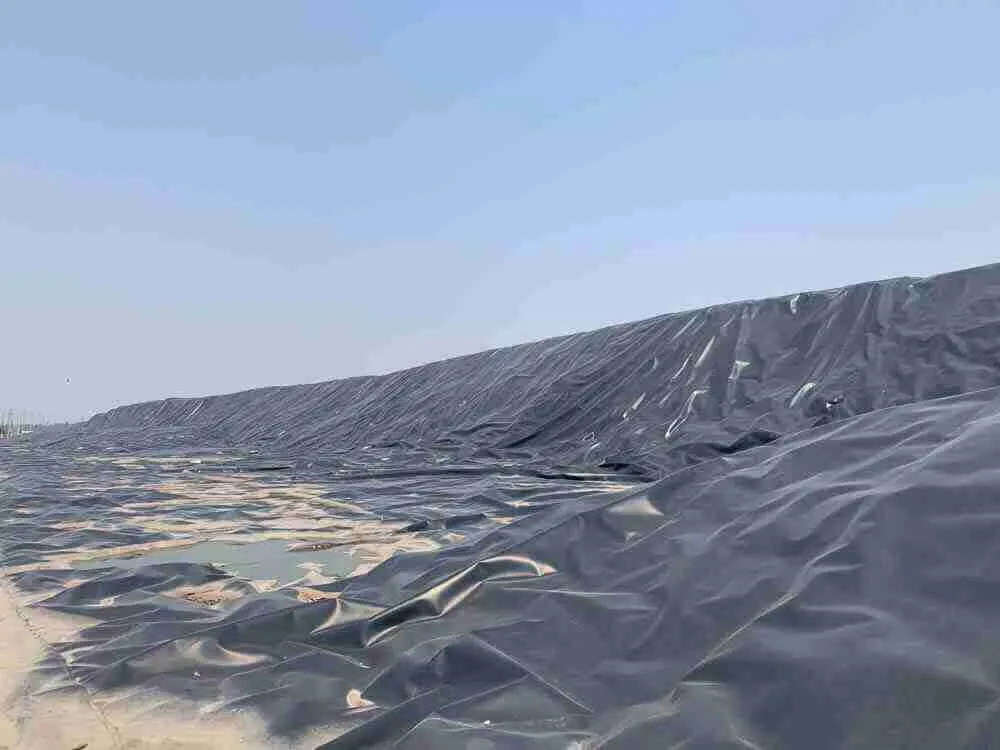
Mining and Heap Leach Projects
Recommended thickness:2.0 mm – 3.0 mm
Mining environments expose geomembranes to:heavy mechanical loads,aggressive chemicals,extreme environmental conditions
Thicker geomembranes significantly reduce the risk of liner failure.
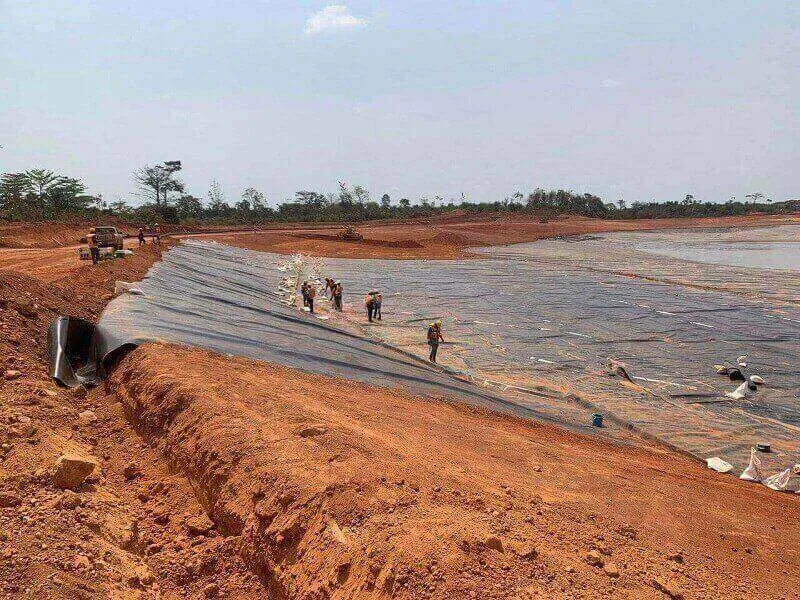
How Engineers Select HDPE Geomembrane Thickness
Engineers do not choose thickness based on guess. The decision is based on several factors.
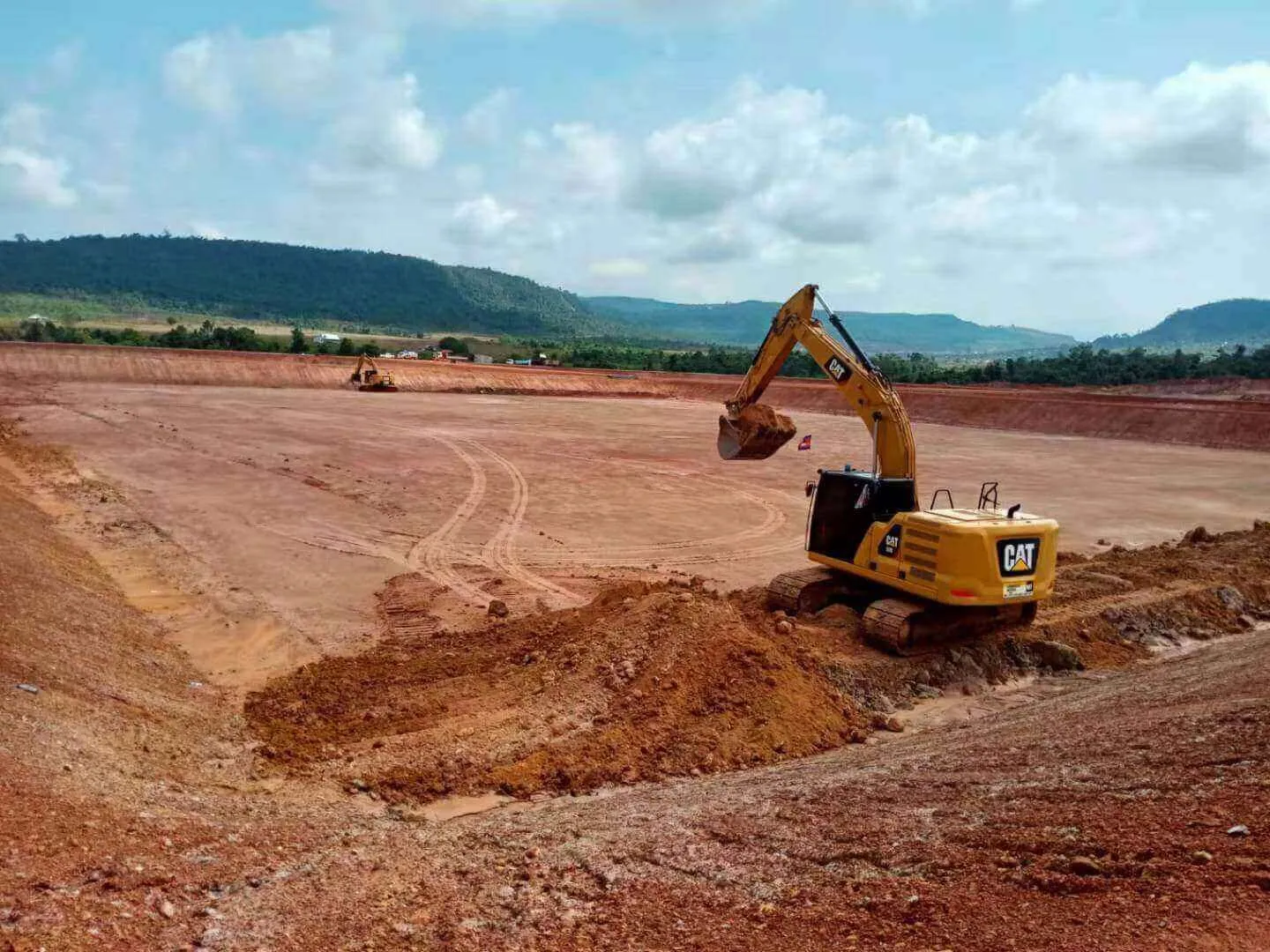
- Subgrade Condition:If the ground contains sharp stones or irregular surfaces, thicker geomembranes or protective geotextiles are required.
- Load and Stress Conditions:Traffic loads, equipment movement, and structural pressure all influence thickness selection.Higher loads require thicker liners.
- Chemical Exposure:Projects involving leachate, industrial waste, or mining chemicals require thicker and more resistant geomembranes.
- Design Life:Projects designed for 20–50 years require higher durability.Thickness directly affects long-term performance.
Thickness Selection from Different Buyer Perspectives
Different users evaluate thickness in different ways.
1.Engineers and Designers
Focus on:safety factors,compliance with standards,long-term performance
They often specify minimum thickness requirements based on design calculations.
2.Contractors
Focus on:installation efficiency,welding quality,risk reduction
Thicker geomembranes are easier to weld consistently and reduce on-site damage risk.
3.Distributors and Wholesalers
Focus on:market demand,stock flexibility,pricing competitiveness
Common stock items are usually:0.5 mm 0.75 mm 1.0 mm 1.5 mm.
4.Project Owners and Buyers
Focus on:total project cost,durability,return on investment
Many buyers initially prefer thinner liners to reduce cost, but thicker geomembranes often provide better long-term value.
HDPE Thickness vs Cost: What Really Matters?
Thicker geomembranes increase material cost, but they can reduce overall project risk.
Cost comparison example:
0.75 mm liner → lower initial cost
1.5 mm liner → higher durability and lifespan
In large infrastructure projects, liner failure can be significantly more expensive than the cost difference between thickness options.
Common Mistakes When Choosing Thickness
Some common issues include:
- Choosing thickness based only on price:Lower-cost options may not meet project requirements.
- Ignoring subgrade conditions:Sharp or rough surfaces increase puncture risk.
- Using the same thickness for all projects:Different applications require different specifications.
- Not considering installation factors:Thicker liners can improve welding quality and reduce defects.
HDPE Geomembrane Thickness Selection Checklist
Before choosing thickness, consider:
- What is the project type?
- What is the subgrade condition?
- What loads will the liner experience?
- What is the expected service life?
- Is chemical resistance required?
Answering these questions helps determine the most suitable thickness.
HDPE geomembrane thickness is not a one-size-fits-all decision.From aquaculture ponds to landfill and mining projects, each application requires a different balance between cost, durability, and performance.For engineers, contractors, and buyers, selecting the right thickness is essential to ensure long-term project success.
Welcome your inquiry!