
HDPE Geomembrane Price : Cost per m², Thickness and Project Factors
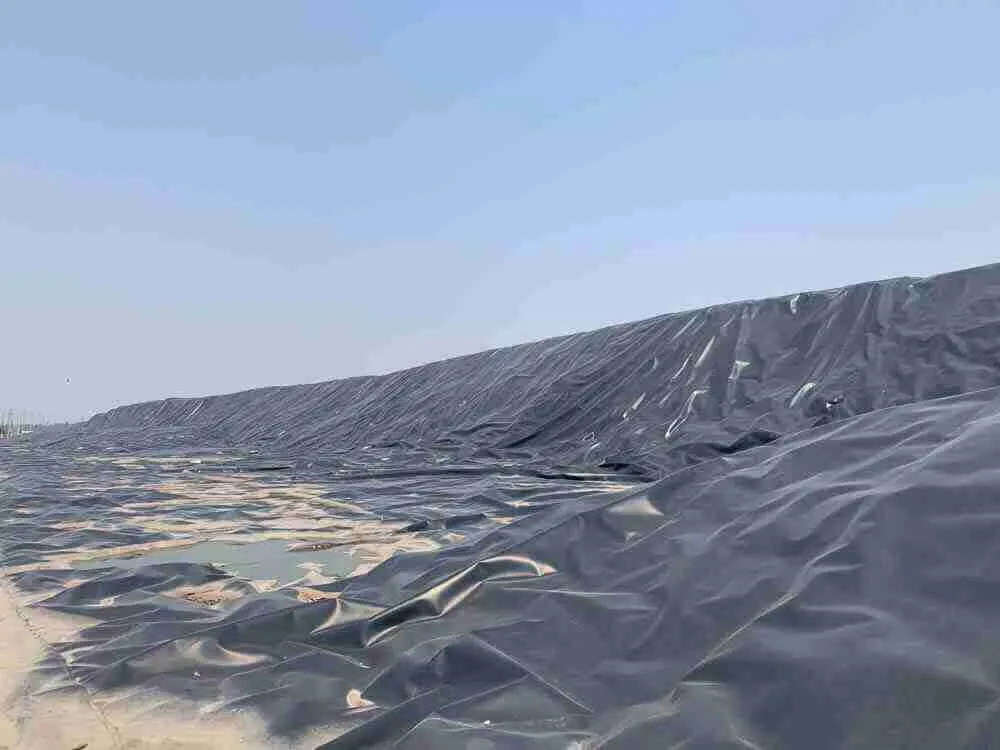
HDPE geomembranes are one of the most widely used containment materials in environmental landfill engineering, mining, aquaculture, and water management projects.One of the most common questions engineers, contractors, and project buyers ask is:
How much does HDPE geomembrane cost?
The price of HDPE geomembrane liners is deponded on several technical and commercial factors, including thickness, Tenical datasheet/raw material quality, roll size, surface, color and project quantity.
Typical HDPE Geomembrane Price per Square Meter
In most international markets, HDPE geomembrane sheet prices are typically quoted per square meter or per square foot.
The table below shows a reference price range based on common thickness specifications.These prices are general market estimates and may depending on supplier capabilities and project specifications.
| Thickness | Price Range | Common Applications |
|---|---|---|
| 0.5mm | $0.7-$1.5/sqm | fish ponds,aquaculture |
| 0.75mm | $0.9-$1.8/sqm | irrigation water reservoir |
| 1mm | $1.1-$2.0/sqm | water stroge ponds |
| 1.5mm | $1.5-$2.6/sqm | landfill liners |
| 2.0mm | $2.3-$3.5/sqm | mining tailing |
| 2.5-3mm | $3.5+/sqm | hazardous waste projects |
Key Factors That Affect HDPE Geomembrane Price
The cost of HDPE geomembrane liners depends on several technical factors:
1 Thickness of the HDPE Geomembrane
Thickness is the most important factor that is affecting the price.
Thicker geomembranes require more polyethylene raw material and offer higher mechanical strength and durability.
Typical thickness ranges include:0.5mm 1.0mm 1.5mm 1.5mm and 2mm.
Engineering projects such as landfills or mining tailings storage facilities usually require 1.5 mm to 2.0 mm HDPE geomembranes to meet international design standards.

2 Raw Material Quality
High-quality geomembranes are typically manufactured using 100% virgin HDPE resin,which the property is stable and long lifetime.
Virgin resin improves:
- UV resistance
- chemical resistance
- long-term durability
Lower-cost geomembranes may include recycled materials, which can reduce performance in demanding applications.If you donot know the differences, we could give you a simple guide to check by yourself.

3 Roll Width and Manufacturing Technology
Modern geomembrane production lines can produce rolls up to 8 meters wide,so it is no problem the rolls widht is less than 8m.And roll length can be customized.
Wider rolls provide several advantages:
- fewer welding seams
- faster installation
- reduced labor costs
Although wider rolls may slightly increase material price, they often reduce overall project cost.

4 Surface Type (Smooth vs Textured)
HDPE geomembranes are available in two main surface types.
Smooth geomembrane
Used in most containment systems such as reservoirs, ponds, and wastewater lagoons.
Textured geomembrane
Provides improved friction and slope stability for applications such as:
- landfill side slopes
- heap leach pads
- steep containment structures
Textured geomembranes are typically 10–20% more expensive than smooth liners.And there are different textured geomembrane produciton methods.

5 Project Quantity
Project size significantly affects geomembrane pricing.Large infrastructure projects benefit from:
- bulk production discounts
- optimized roll sizes
- reduced shipping cost per unit area
For example, mining projects requiring hundreds of thousands of square meters often obtain lower per-unit prices than small pond installations.

HDPE Geomembrane Cost by Project Type
Different engineering applications typically require different geomembrane specifications.
Aquaculture Ponds
Typical thickness:0.5 – 0.75 mm
Used for:
- fish ponds
- shrimp farms
- aquaculture tanks
These projects prioritize cost efficiency and installation flexibility,so the thin geomembrane price is cheaper.

Water Reservoirs and Irrigation Systems
Typical thickness:0.75 – 1.0 mm
Common uses include:
- irrigation reservoirs
- agricultural water storage
- rainwater harvesting systems

Landfill Containment Systems
Typical thickness:
1.5 – 2.0 mm
Landfills require geomembranes that comply with international standards such as GRI GM13.These liners must provide high puncture resistance and long-term environmental protection.But in the market, there are different price for GM13,so kindly check the samples and alo test report.

Mining Projects
Typical thickness:2.0 – 3.0 mm
Mining containment systems such as heap leach pads and tailings storage facilities require heavy-duty geomembranes capable of withstanding chemical exposure and mechanical loads.

Can Thicker Geomembranes Reduce Long-Term Costs?
Although thicker geomembranes increase initial material cost, they often reduce long-term risks.
Benefits include:
- improved puncture resistance
- longer service life
- reduced maintenance costs
- better environmental protection
In large infrastructure projects, the cost of liner failure far exceeds the additional cost of thicker geomembranes.
How to Estimate the Total Cost of a Geomembrane Project
When estimating geomembrane cost, buyers should consider more than just the material price.
A typical project budget includes:
- geomembrane material
- transportation
- installation welding
- protective geotextile layers
- quality testing and inspection
Working with experienced suppliers helps optimize both material selection and overall project cost.
FAQ
1.What is the price of HDPE geomembrane per square meter?
HDPE geomembrane prices typically range from $0.70 to $3.50 per square meter depending on thickness and project requirements.
2.What thickness HDPE geomembrane should I choose?
For aquaculture ponds, 0.5–0.75 mm is common, while landfill or mining projects usually require 1.5–2.0 mm or thicker geomembranes.
3.Is HDPE geomembrane more expensive than other liners?
HDPE geomembranes may have a higher initial cost than some liners, but they provide superior durability and chemical resistance for long-term projects.
4.Is smooth finish hdpe geomembrane cheaper than double-textured hdpe geomembrane?
Yes,The smooth surface hdpe geomembrane is cheaper than textured geomembrane.
HDPE geomembranes remain one of the most reliable containment materials for environmental and infrastructure projects.
The final price depends on thickness, material quality, roll size, surface type, and project scale.
For engineers and project buyers, selecting the right geomembrane specification is essential to balance cost efficiency and long-term performance.If you are doing wholesale hdpe geomembrane, the geomembrane hdpe price list could be sent for compare.