
What is Geosynthetic Clay Liner(GCL)?
1. Introduction to Geosynthetic Clay Liner (GCL)
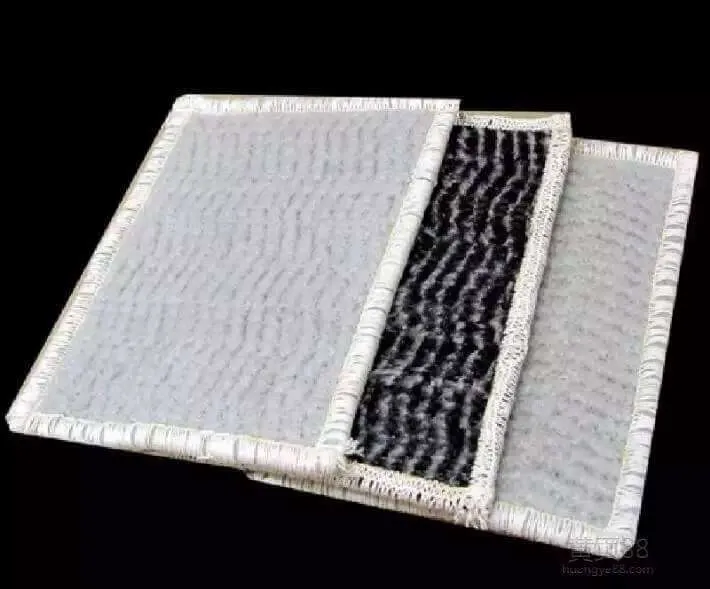
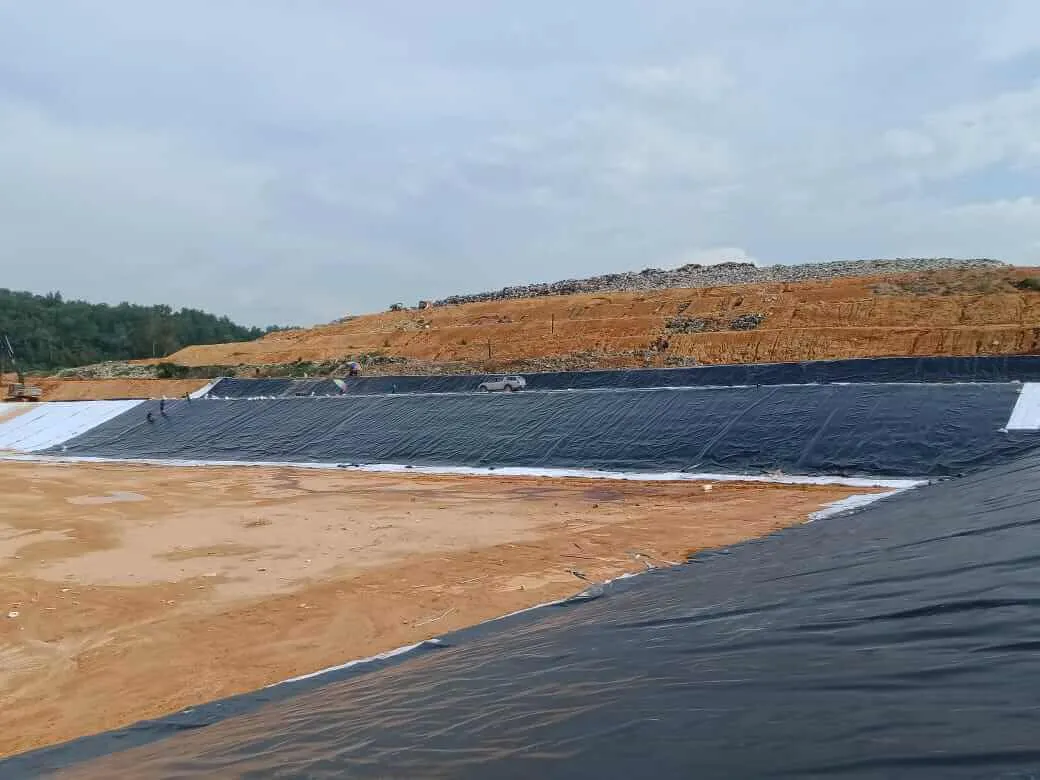
Geosynthetic Clay Liner (GCL) is a highly effective material used to prevent water leakage in a variety of construction and environmental projects. It combines two layers of geotextiles with a layer of sodium bentonite in between. This unique combination creates a strong, impermeable barrier when it comes into contact with water. GCL is often used in projects like landfills, artificial lakes, ponds, underground parking garages, and roof gardens.
2. How GCL Works
The secret behind GCL’s success lies in its use of sodium bentonite, a type of natural clay with incredible water-absorbing properties. Sodium bentonite can expand up to 15-17 times its original size when exposed to water. This expansion forms a dense, gel-like layer that effectively blocks water from passing through. Encased between two layers of geotextile, the bentonite remains protected and retains its ability to expand, even under challenging conditions.


3. Specifications and Performance
GCLs come in various thicknesses and weights, typically ranging from 5mm to 8mm thick, with the most common models weighing 4kg to 5kg per square meter. Here are some key performance parameters:
Bentonite Expansion Coefficient: Sodium bentonite expands ≥ 24ml/2g.
Permeability: GCL’s permeability is less than 5×10⁻11 cm/s, making it an excellent waterproofing material.
Break Strength: GCL’s breaking strengths are both above 600N/100mm, ensuring durability.
Durability: Its waterproof performance is long-lasting, as it resists corrosion and aging.
Geosynthetic Clay Liner peel strength (N) ≥ 40.


4. Cost of GCL
The cost of GCL depends on factors like brand, thickness, and application. On average, the price for a standard 4800g GCL is around $1-$3 per square meter. Though slightly more expensive than traditional clay liners, its superior performance and ease of installation make it a cost-effective choice in the long run.
5. Applications of GCL
GCL is a versatile material with numerous applications, including:
Municipal Engineering: For landfill liners and covers to prevent contamination.
Water Projects: Ideal for reservoirs, canals, and artificial lakes.
Underground Construction: Used in underground parking lots and roof gardens for waterproofing.
Industrial Use: Common in mining and chemical storage projects.
Its adaptability makes it suitable for nearly any project requiring a waterproof or anti-seepage solution.


6. Key Features and Benefits
Here are the reasons why GCL is so popular:
Waterproof Performance: Its dense bentonite layer ensures excellent waterproofing, even under pressure.
Durability: Sodium bentonite doesn’t age or corrode, maintaining its performance over time.
Simple Installation: GCL doesn’t require complex processes like heating or pasting. You can fix it with nails and washers, making it quicker to install.
Temperature Resistance: Unlike other materials, GCL isn’t brittle in cold climates and performs well even in sub-zero conditions.
Eco-Friendly: Made from natural materials, it’s safe for the environment and doesn’t release harmful chemicals.
High Efficiency: GCL’s wide rolls (up to 6 meters) allow for faster coverage and reduced construction time.
7. Installation Requirements
Installing GCL requires precision to ensure long-lasting performance. Here are some key steps:
Site Preparation: Ensure the base layer is smooth and free of debris.
Material Handling: GCL rolls are heavy and should be transported carefully, avoiding damage.
Laying the GCL: The rolls should overlap, and seams should be sealed with bentonite powder to prevent leaks.
Anchoring: Use sandbags or other weights to hold the GCL in place, especially on windy days.
Avoid Wrinkles: The GCL must be laid flat without any folds to ensure uniform coverage.
8. Storage and Transportation
Proper storage and handling of GCL materials are crucial. Rolls should be kept in dry, flat areas, stacked no more than four rolls high. Avoid exposing them to harsh weather or chemicals during transport or on-site handling. If a roll gets damaged, it’s best to replace it to avoid performance issues.
9. Repairs and Maintenance
Accidents happen, and GCL can get damaged during installation. If this occurs, repairs are straightforward. Cut a patch from a new roll and cover the damaged area, ensuring the patch extends at least 300mm beyond the damage on all sides. Sprinkle granular bentonite around the edges before securing the patch.
10. GCL vs. Geomembrane
Though both GCL and geomembranes are used for waterproofing, they have distinct differences:
Material: GCL uses natural bentonite clay, while geomembranes are made from synthetic polymers.
Flexibility: GCL conforms better to uneven surfaces, while geomembranes are less forgiving.
Environmental Impact: GCL is eco-friendly, while geomembranes can release harmful chemicals over time.
Geosynthetic Clay Liner (GCL) is an innovative solution for a wide range of waterproofing and anti-seepage needs. Its natural, durable, and eco-friendly design makes it a reliable choice for projects in municipal, industrial, and environmental engineering. Whether you’re building an artificial lake, a landfill, or a roof garden, GCL is a strong, versatile option that delivers excellent performance and value for money.
For more information or to request a quote, reach out to a trusted GCL supplier today!
Recent Post
Aquaculture Pond Lining in Indonesia | From Design to Installation
From Project Drawing to Water Filling: An Aquaculture Pond Lining Project in Indonesia This aquaculture pond project in Indonesia started with a project drawing.The customer firstly contacted us
When Is Geotextile Really Necessary?
When Is Geotextile Really Necessary in Civil Engineering Projects? Geotextiles are widely used in modern infrastructure and environmental engineering. However, a common question among engineers, designers, and contractors is: Is geotextile always necessary? In
Woven Polypropylene Geotextile Manufacturer | Engineering Grade & Landscape Fabric
Woven Polypropylene Geotextile Manufacturer | Engineering Grade & Landscape Fabric By Planetliner — Manufacturer of High-Performance Woven PP Fabrics for Global Projects Woven polypropylene geotextile has become a fundamental material in civil engineering, environmental protection,