
Geotextile Drainage Fabric Manufacturer | High Performance Drainage Solutions – Planetliner
-Trusted geotextile drainage fabric manufacturer for road, foundation and landfill drainage systems.
In road, driveway and landfill construction, uncontrolled water accumulation is one of the leading causes of long-term structural failure. Poor drainage often results in soil erosion, loss of bearing capacity and premature damage to pavements and foundations—especially in regions with heavy rainfall or weak subgrade conditions.
Geotextile drainage fabric is a cornerstone material in modern civil and infrastructure projects where water management determines structural performance. As a purpose-built filtration and drainage textile, geotextile allows water to flow while preventing soil migration, reducing the risk of system clogging and long-term performance loss. This makes it indispensable for road drainage, slope protection, foundation perimeter systems and landfill leachate control.
At Planetliner, we manufacture high-performance geotextile drainage fabric designed for demanding environments with heavy rainfall, weak subgrade conditions and long-term structural loading.

What is Geotextile Drainage Fabric?
Geotextile drainage fabric is a permeable geosynthetic made from polypropylene or polyester fibers. It functions as a filtration layer, allowing water to pass freely while retaining fine soil particles, protecting the integrity of drainage systems and extending service life.
Compared with traditional gravel drainage layers, drainage geotextile offers:
Consistent filtration performance
Superior clog resistance
Lightweight handling and faster installation
Reduced project cost and maintenance cycles
Planetliner supplies nonwoven and woven geotextile fabrics from 100–800 GSM, optimized for filtration, separation and drainage performance across infrastructure projects worldwide.
Why Nonwoven Geotextile Is Preferred for Drainage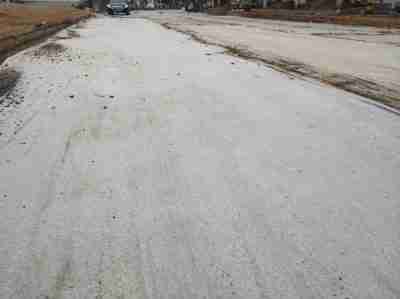
Geotextile fabrics are generally classified as woven or nonwoven.
For drainage-focused applications, nonwoven geotextile is typically preferred due to its superior filtration and permeability characteristics.
Nonwoven geotextile allows water to flow freely while effectively retaining soil particles, reducing the risk of clogging over time. Woven geotextile, by contrast, is mainly selected for reinforcement and load distribution rather than drainage.
Planetliner supplies nonwoven geotextile drainage fabric in a wide weight range, typically from 100gsm to 800gsm, to suit different drainage and soil conditions.
Key Technical Performance Overview
| Feature | Typical Range | Engineering Benefit |
|---|---|---|
| Permeability | 200–600 L/min/m² | Rapid water flow, low clog risk |
| Weight (GSM) | 100–800 g/m² | Adaptable to soil & load conditions |
| Tensile Strength | ≥20 kN/m | Structural stability under traffic |
| UV Resistance | ≥500 hours | Long service life in exposed areas |
| Filtration Opening | Customized | Soil retention without blinding |
Key Benefits of Geotextile Drainage Fabric
Effective Water Flow and Filtration
The primary benefit of geotextile drainage fabric is its ability to allow water to pass through while filtering out soil particles. This filtration prevents the drainage system from clogging and ensures that water can move freely, even in areas with poor soil permeability. This feature is vital in managing stormwater runoff, preventing foundation damage, and keeping roads safe from water-related issues.
Soil Separation and Reinforcement
Geotextile drainage fabric also acts as a separator between different soil layers. This prevents the mixing of soil particles, which could weaken the structural integrity of the foundation. In road construction, for example, soil stabilization geotextile fabric helps to maintain the strength of the road by separating the subgrade soil from the base material. This separation ensures that the road structure remains stable, even under heavy traffic loads.Durability and UV Resistance
Geotextile drainage fabric is designed to be durable and resistant to environmental conditions, including UV radiation, chemicals, and moisture. This durability ensures that the fabric remains functional and effective for years, even in harsh weather conditions.Cost-Effective Solution
Compared to traditional drainage materials like gravel or rock, geotextile drainage fabric is a cost-effective alternative. The fabric is lightweight, easy to transport, and quick to install, reducing both labor and material costs. Additionally, its long lifespan means fewer maintenance costs over time.
Applications of Geotextile Drainage Fabric
Geotextile drainage fabric is used across various industries for a wide range of applications, from construction projects to environmental protection.In road and driveway systems, geotextile drainage fabric is placed beneath base courses to prevent water accumulation and soil mixing, helping prevent rutting and prolong surface life. For retaining wall backfill and slope protection, it stabilizes soil and manages hydrostatic pressure. In landfill drainage and leachate systems, it separates fine particles while maintaining broad water movement paths. These real-world uses showcase how engineered drainage textiles enhance structural durability and reduce lifecycle maintenance.
1. Road Construction and Pavement Reinforcement
In road and driveway systems, geotextile drainage fabric is installed beneath base layers to prevent water accumulation and soil migration. This improves load distribution and helps protect pavements from moisture-related damage.
Proper drainage is a critical component of road performance.For a complete overview of geotextile solutions used in road and driveway projects, please refer to our geotextile fabric for road construction guide.
2. Erosion Control and Landscaping
Geotextile drainage fabric is also commonly used in landscaping projects, especially in areas prone to erosion. Whether it’s controlling erosion on riverbanks, slopes, or gardens, the fabric stabilizes the soil and allows excess water to drain efficiently, preventing soil loss. In a recent landscaping project, Planetliner fabric was deployed on a hillside to prevent soil erosion caused by seasonal rains. The fabric kept the soil intact while promoting healthy vegetation growth.
3. Foundation Drainage Systems
For both residential and commercial buildings, ensuring that water is effectively diverted away from the foundation is crucial. Geotextile drainage fabric is often used around the perimeter of foundations to prevent water from pooling and exerting pressure on the foundation walls. This prevents water damage and potential flooding in basements. In a recent Planetliner-based project, a geotextile drainage fabric system was installed around the foundation of a commercial building, ensuring that the building remains dry and structurally sound.
4. Landfill Drainage Systems
In landfill applications, geotextile drainage fabric plays an essential role in leachate management. It allows liquids to pass through while preventing fine particles from clogging drainage layers, helping protect surrounding soil and groundwater.
A real Cast Study:Burkina faso Agricultural Drainage Project
A client in Burkina Faso required a drainage and protection layer to stabilize agricultural soil while allowing water to pass through efficiently.
After evaluating soil conditions and drainage requirements, a 150gsm nonwoven geotextile drainage fabric was selected. The material provided effective filtration, protected the soil structure and supported long-term performance under local climate conditions.
The project was supplied in six containers, enabling large-scale application and consistent installation across the site.

How to Choose the Right Geotextile Drainage Fabric?
When selecting geotextile drainage fabric, several factors should be considered:
- Fabric Type:Nonwoven geotextile is generally recommended for drainage and filtration applications.
- Permeability and Filtration Capacity:The fabric must allow sufficient water flow while retaining fine soil particles.
- Durability and UV Resistance:For exposed or long-term applications, UV-stabilized materials should be specified.
- Performance vs. Cost:Selecting the correct GSM based on project requirements ensures optimal performance without unnecessary cost.
Planetliner provides technical support to help engineers and contractors select appropriate geotextile specifications based on real project conditions.
FAQ: Frequently Asked Questions about Geotextile Drainage Fabric
1.What is geotextile drainage fabric used for?
It is used to manage water flow, improve drainage and protect soil structure in road construction, landfills, foundations and erosion control projects.
2.Why is nonwoven geotextile preferred for drainage?
Nonwoven geotextile offers better filtration and permeability, reducing the risk of clogging in drainage systems.
3.Can geotextile drainage fabric be used in high-rainfall regions?
Yes. It is particularly effective in areas with heavy rainfall, helping maintain stable drainage conditions.
4.How long does geotextile drainage fabric last?
When properly specified and installed, high-quality geotextile can perform reliably for many years in buried applications.
5.How to choose the right geotextile drainage fabric strength?
Selection depends on soil type, water volume and load conditions. For heavy rainfall or weak clay subgrades, higher GSM and tensile strength help maintain filtration performance under stress. Nonwoven fabrics with higher permeability are recommended where water throughput is priority.
6.What tests ensure a geotextile fabric’s performance?
A: Engineers often refer to standards like ASTM D4491 for permeability and ASTM D4595 for tensile strength when specifying filtration and drainage geotextiles. These tests confirm that the fabric will support the expected water flow and soil retention over time.
Conclusion
Geotextile drainage fabric is a key component in effective water management for infrastructure and environmental projects. By improving drainage, protecting soil layers and enhancing structural stability, it helps extend the service life of roads, driveways and landfill systems.
Planetliner supplies reliable geotextile drainage fabric solutions designed for real-world engineering applications across diverse environments.
For technical consultation or project-specific recommendations, contact Planetliner anytime.
Recent Post
Aquaculture Pond Lining in Indonesia | From Design to Installation
From Project Drawing to Water Filling: An Aquaculture Pond Lining Project in Indonesia This aquaculture pond project in Indonesia started with a project drawing.The customer firstly contacted us
When Is Geotextile Really Necessary?
When Is Geotextile Really Necessary in Civil Engineering Projects? Geotextiles are widely used in modern infrastructure and environmental engineering. However, a common question among engineers, designers, and contractors is: Is geotextile always necessary? In
Woven Polypropylene Geotextile Manufacturer | Engineering Grade & Landscape Fabric
Woven Polypropylene Geotextile Manufacturer | Engineering Grade & Landscape Fabric By Planetliner — Manufacturer of High-Performance Woven PP Fabrics for Global Projects Woven polypropylene geotextile has become a fundamental material in civil engineering, environmental protection,