
What is the top Geotextile Fabric Containment
When it comes to modern construction and environmental projects, geotextile fabric containment plays a vital role. These fabrics are importantin stabilizing soil, filtering water, and protecting crucial structures. Whether you’re building roads, controlling erosion, or working on a landfill, geotextiles are good choices to get the job done efficiently and cost-effectively.
What Are Geotextiles?
Geotextiles are a type of synthetic fabric often referred to as filter cloth or geofabric. They’re made to separate, filter, and protect soils and structures. Imagine them as a shield or barrier that keeps soil layers intact while allowing water and gases to flow through. These fabrics help ensure that sub-base layers and granular materials don’t mix, which can compromise the stability of a project.
The Geotextiles materials are mainly Polyester/PET and Polypropylene/PP fabric.
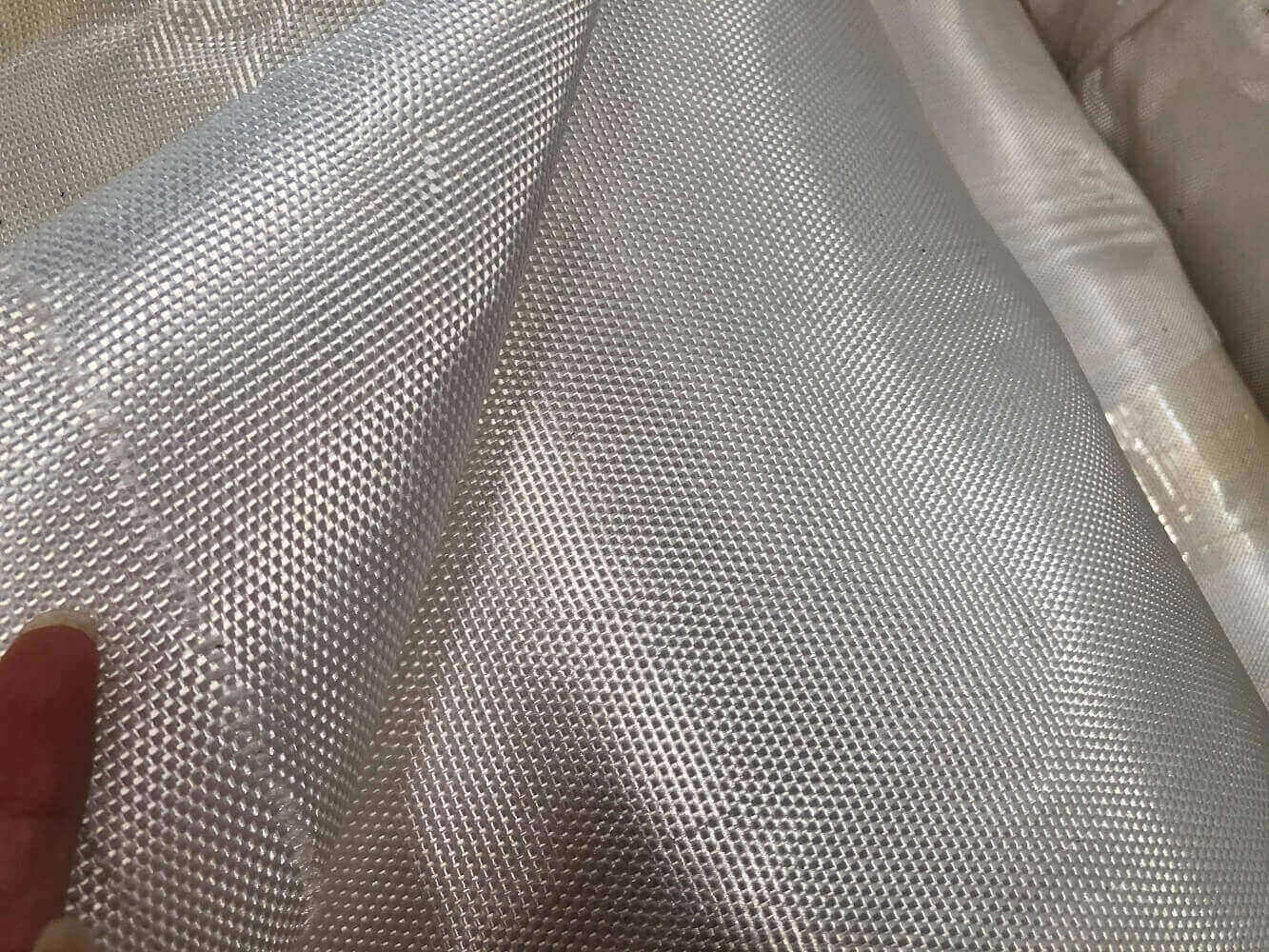
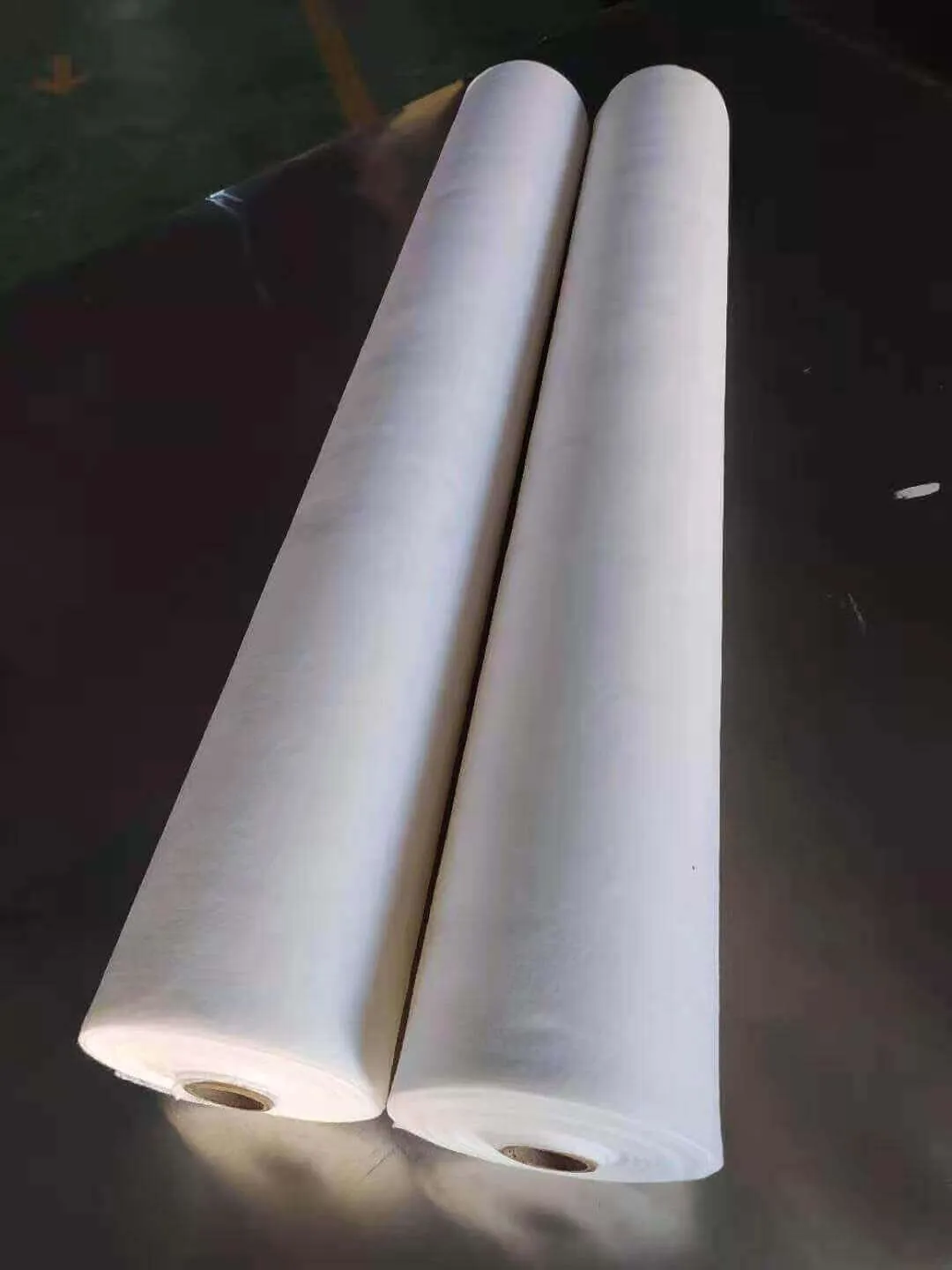
There are two main types of geotextiles: woven and nonwoven,which the production process, features and applications are different.

Types of Geotextiles
Woven Geotextiles
Woven geotextiles are created by weaving polypropylene materials into a sturdy, grid-like structure. These fabrics are incredibly durable and offer high tensile strength, making them ideal for stabilization projects.
They’re commonly used for:
- Road construction and embankment stabilization
- Railway sub-base reinforcement
- Preventing soil erosion
- Providing a stable base for heavy loads
Woven geotextiles allow liquids to pass through while keeping soil particles in place. This unique combination of strength and permeability ensures long-lasting performance in various construction and environmental applications.
Polyester PET woven geotextile
Tensile strength: Uniaxial:80/50,100/50,200/50,400/50,600/50,800/50,1000/50,1200/50,1600/50,2000/50kN/m
Biaxial:80/80,100/100,150/150,200/200,300/300,400/400,500/500,600/600kN/m
Width:3.5m 4.5m 5.2m
Length:50m 100m 200m or 300m
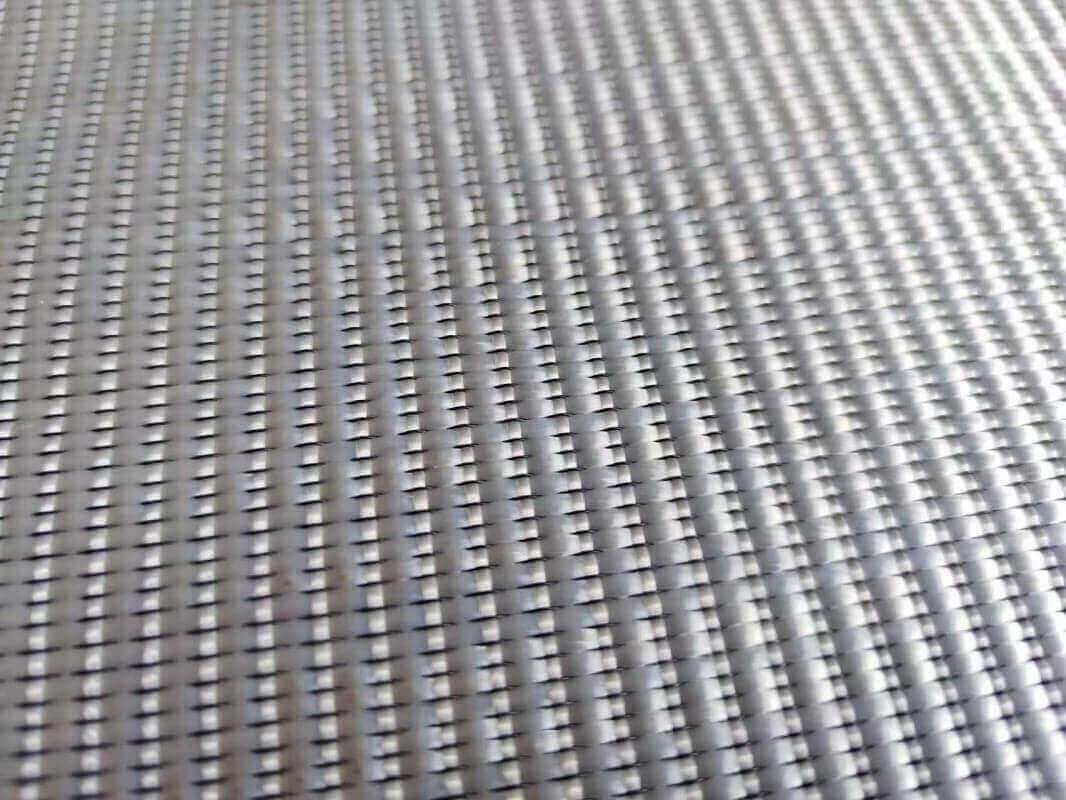
Polypropylene PP woven geotextile
Tensile strength:
40/40,45/30,50/50,60/60,70/70,80/80,100/120,120/120,175/175,200/200,300/300kN/m
Width:4.6m 5.2m
Length:100m 200m or 300m


Specific Benefits of Woven Geotextiles
Reduces the thickness of aggregate needed in unpaved roads, saving money and materials.
Extends the lifespan of roads and railways by preventing sub-base failures.
Quick and easy to install, speeding up project timelines.
Offers short-term reinforcement for temporary construction needs.
Nonwoven Geotextiles
Nonwoven geotextiles are made by bonding synthetic fibers or needle punched process together. They are softer and more flexible compared to woven geotextiles, which makes them perfect for drainage and filtration projects.
Applications include:
- Protecting geomembranes from punctures in landfills and ponds
- Enhancing drainage systems by filtering out soil and debris
- Providing erosion control in areas with water flow
Nownwoven geotextile
Mass weight:100g 150g 200g 300g 400g 500g 600g 700g 800g
Width:1m to 7m
Length:50m 100m 200m

Why Use Geotextile Fabric Containment?
Geotextiles bring a wide range of benefits to construction and environmental projects. Here are some key advantages:
- Soil Stabilization: Geotextiles keep different layers of soil separated, ensuring a stable foundation for construction.
- Filtration: These fabrics act as filters, allowing water to pass through while trapping soil and debris.
- Protection: They provide a protective cushion for geomembranes, reducing the risk of punctures from sharp materials like rocks.
- Cost-Effective: By reducing the need for traditional materials, geotextiles lower construction costs.


Applications of Geotextile Fabrics
Geotextile fabric containment is used across a variety of industries and projects. Here are some of the most common applications:
- Civil Construction:Geotextiles are essential for road construction, embankments, and railways. They provide stability, prevent soil erosion, and allow for proper drainage, ensuring that projects last for decades.
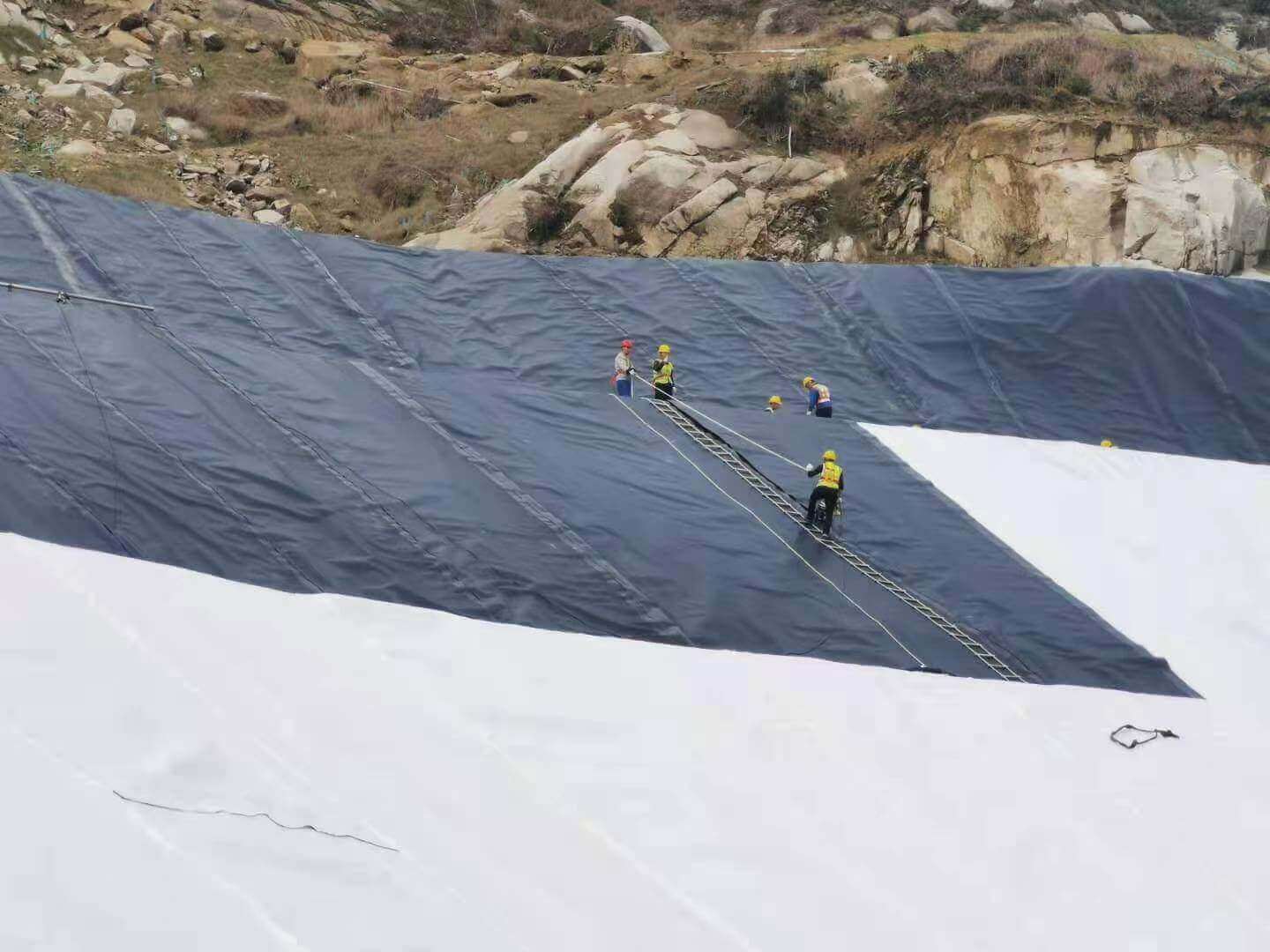
- Environmental Protection:In environmental projects, geotextiles are used to control erosion and sediment, protect water bodies, and create safe containment systems for waste. They’re also an essential part of lining systems for landfills, wastewater treatment lagoons, and ponds.
- Geomembrane Protection:When installing geomembrane liners in landfills, reservoirs, or decorative ponds, geotextiles act as a cushioning layer. This prevents sharp objects or coarse aggregate from puncturing the liner, ensuring long-term durability.
- Landscaping and Drainage:Geotextiles are also used in commercial landscaping projects to separate soil layers and improve drainage. They’re perfect for preventing waterlogging and soil erosion in gardens, parks, and other green spaces.


Choosing the Right Geotextile
Not all geotextiles are the same, so it’s crucial to select the right type for your project. Here’s what to consider:
Strength and Thickness: Projects requiring high load-bearing capacity, like roads or railways, benefit from thicker, woven geotextiles.
Permeability: For drainage or filtration, nonwoven geotextiles are the better choice.
Environmental Conditions: Consider factors like soil type, water flow, and temperature when selecting a geotextile.
Working with experts or manufacturers can help ensure you get the right material for your needs.
Installation and Maintenance Tips
Installing geotextile fabric is straightforward, but following these tips can make a big difference:
Prepare the Site: Remove debris, rocks, and vegetation from the area before laying the fabric.
Overlap the Fabric: When using multiple sheets, overlap them by at least 12 inches to ensure complete coverage.
Secure with Anchors: Use stakes or pins to keep the fabric in place, especially in windy areas.
Avoid Punctures: Be cautious when working with sharp tools or heavy machinery near the fabric.
Inspect Regularly: Periodic inspections can help you identify and address any issues early.
Geotextile fabric containment is an essential tool for modern construction, environmental protection, and landscaping projects. Whether you need to stabilize a road, protect a liner, or control erosion, geotextiles provide a reliable and cost-effective solution.
Woven geotextiles are your go-to for strength and stability, while nonwoven fabrics excel in filtration and drainage. By choosing the right material and following proper installation practices, you can ensure your project’s success and longevity.
In today’s world, where efficiency and sustainability are key, geotextiles prove to be a practical and innovative solution for countless applications. So, the next time you’re planning a construction or environmental project, don’t overlook the power of geotextile fabrics—they’re the foundation of success.
Recent Post
Aquaculture Pond Lining in Indonesia | From Design to Installation
From Project Drawing to Water Filling: An Aquaculture Pond Lining Project in Indonesia This aquaculture pond project in Indonesia started with a project drawing.The customer firstly contacted us
When Is Geotextile Really Necessary?
When Is Geotextile Really Necessary in Civil Engineering Projects? Geotextiles are widely used in modern infrastructure and environmental engineering. However, a common question among engineers, designers, and contractors is: Is geotextile always necessary? In
Woven Polypropylene Geotextile Manufacturer | Engineering Grade & Landscape Fabric
Woven Polypropylene Geotextile Manufacturer | Engineering Grade & Landscape Fabric By Planetliner — Manufacturer of High-Performance Woven PP Fabrics for Global Projects Woven polypropylene geotextile has become a fundamental material in civil engineering, environmental protection,