
Geotextile Fabric Manufacturer | Woven & Nonwoven Geotextile Supplier
Geotextile fabrics are widely used in civil engineering, road construction, drainage systems, erosion control, landfill protection, and infrastructure projects.
Planetliner supplies high-performance geotextile solutions for contractors, distributors, and project developers worldwide. Our products are designed to improve soil stability, enhance filtration performance, and extend the service life of engineering structures.We provide both nonwoven geotextile and woven geotextile, available in multiple weights, strengths, and roll sizes to meet different project requirements.
| 1.What Is Geotextile Fabric |
|---|
| 2.Types of Geotextile Fabric |
| 3.Major Applications of Geotextile |
| 4.How to Select the Right Geotextile |
| 5.Geotextile Installation Overview |
| 6.Geotextile Price Factors |
| 7.Why Choose PlanetLiner |
| 8.FAQ |
What Is Geotextile Fabric
Geotextile fabric is a permeable synthetic material used in geotechnical engineering to perform functions such as:
- Separation
- Filtration
- Drainage
- Reinforcement
- Protection
Most geotextiles are manufactured from polypropylene or polyester fibers, offering excellent durability, chemical resistance, and long service life in harsh environments.Because of these characteristics, geotextiles are widely used in road construction, drainage systems, erosion control, and landfill engineering.

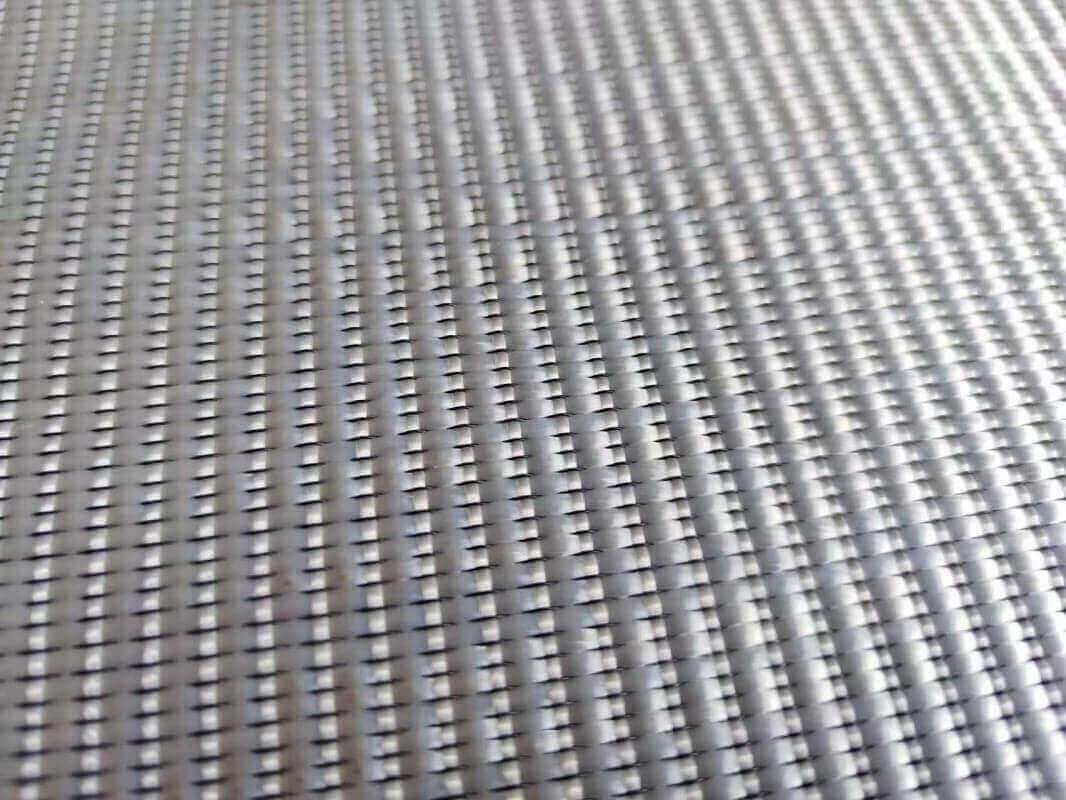


Types of Geotextile Fabric
According to the construction of geotextile, there are Nonwoven geotextile and Woven geotextile. On the material sides, there are Polyester/ pet geotextile and Polypropylene/pp geotextile.
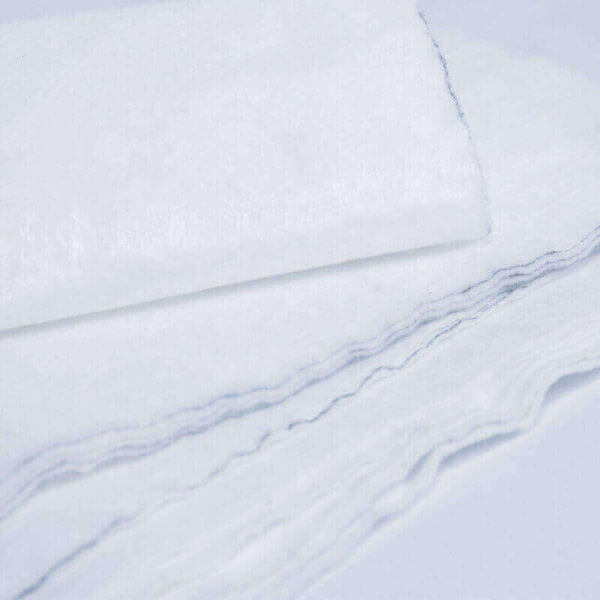
1.Nonwoven Geotextile Fabric
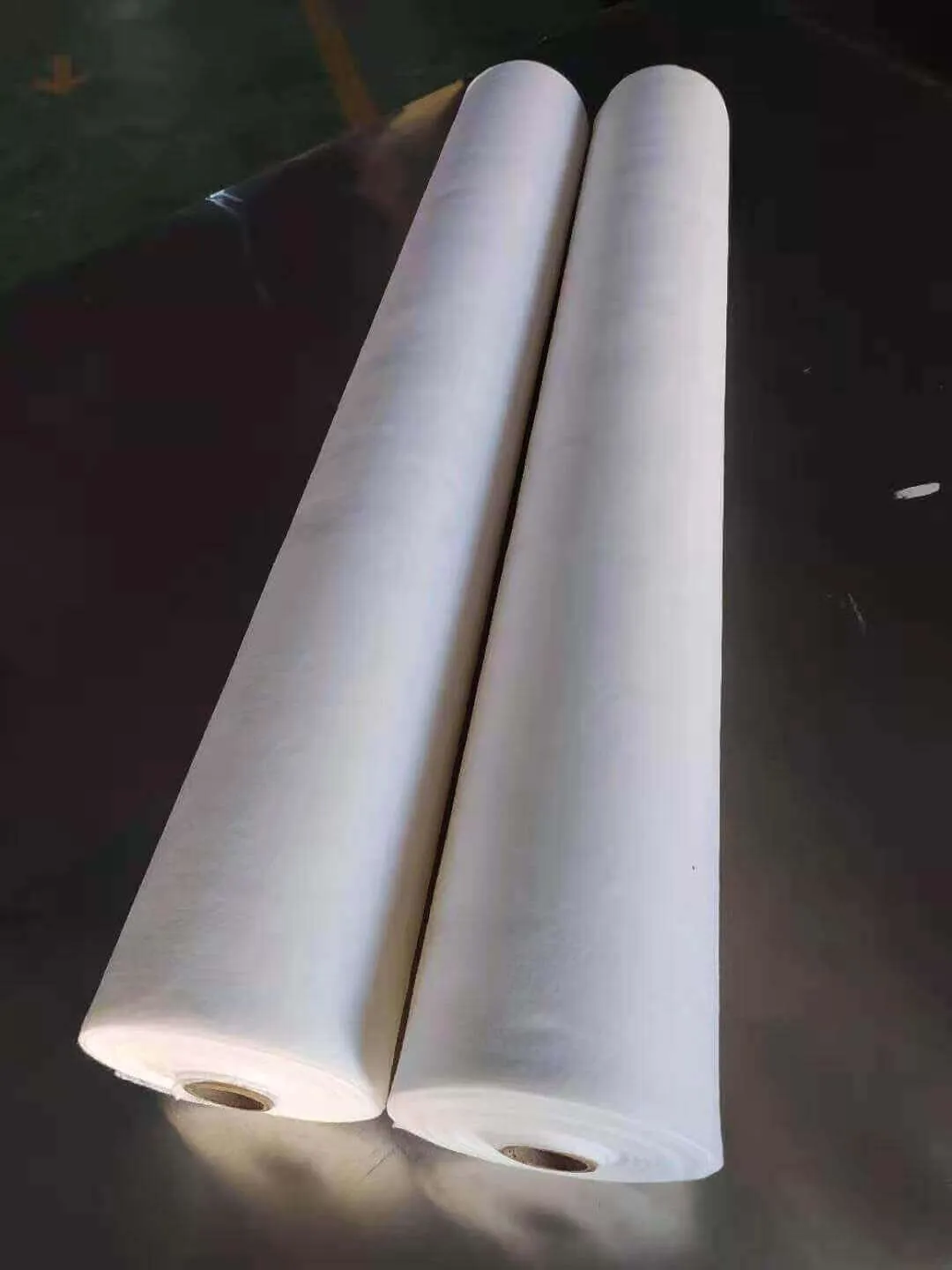
Nonwoven geotextile is produced using needle-punched fibers, creating a highly permeable and flexible material,there are short fiber staple geotextile and long fiber filament geotextile.
Key Advantages:
- Excellent filtration performance
- High elongation and adaptability
- Good puncture resistance
Typical Applications:
- Drainage systems
- Landfill liner protection
- Road subgrade stabilization
- Erosion control
Learn more about Nonwoven geotextile specifications and applications.

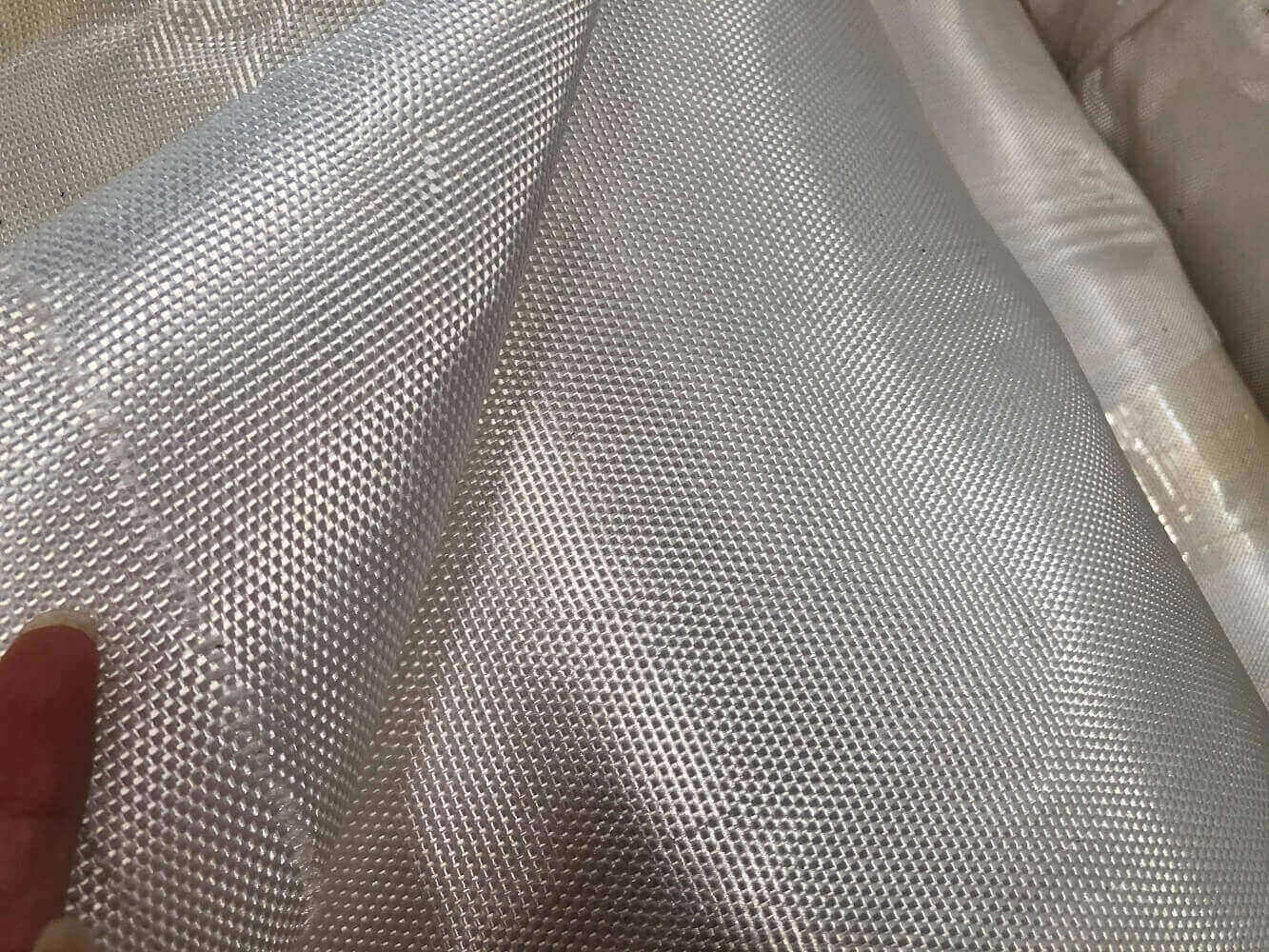
2.Woven Geotextile Fabric
Woven geotextile is manufactured by weaving polypropylene tapes or yarns, providing high tensile strength and low elongation.
Key Advantages:
- High load bearing capacity
- Excellent soil reinforcement
- Long service life
Typical Applications:
- Road construction
- Ground stabilization
- Embankment reinforcement
- Heavy load areas
Learn more about Woven geotextile fabric.

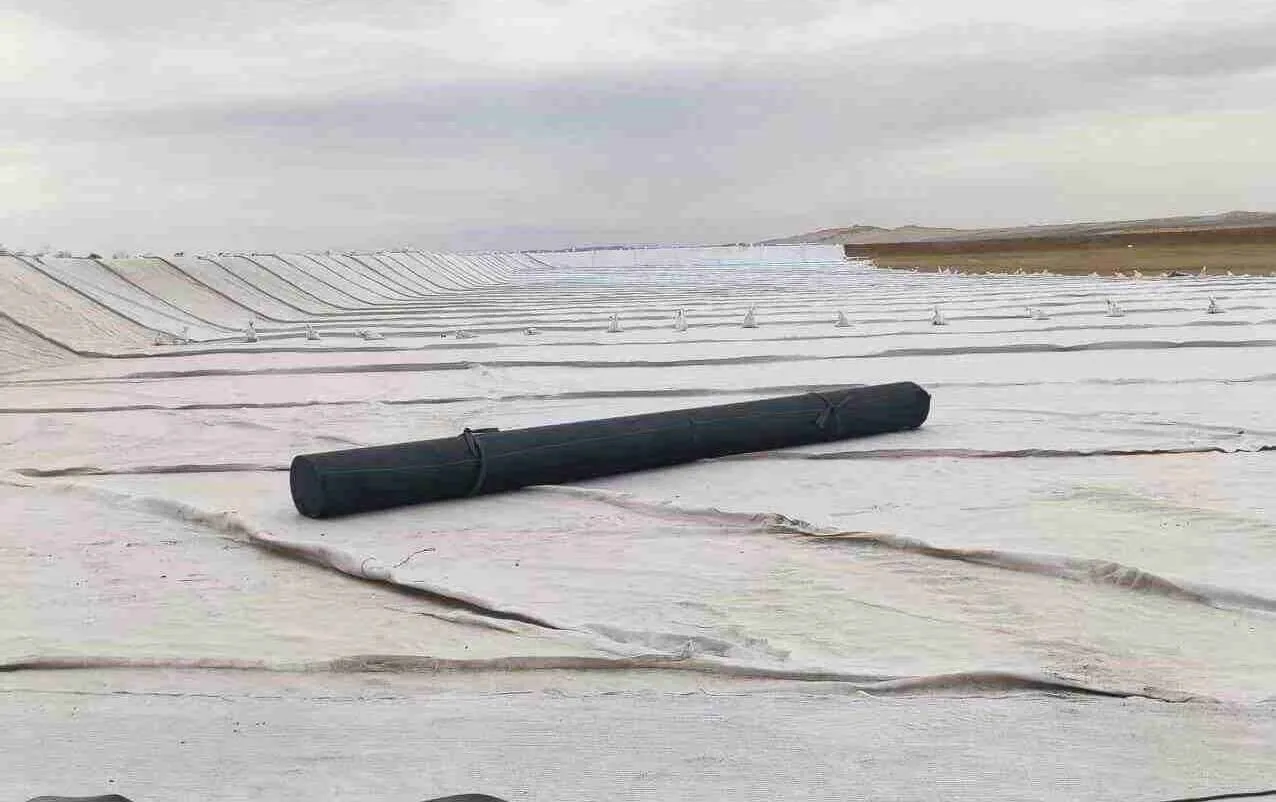
Major Applications of Geotextile
Geotextile fabrics are used for multiple industries and engineering projects.
- Road Construction and Subgrade Stabilization:Geotextiles are commonly installed between soil layers to prevent mixing and improve structural stability.
- Drainage and Filtration Systems:Nonwoven geotextiles allow water to pass while preventing soil migration, improving drainage performance.
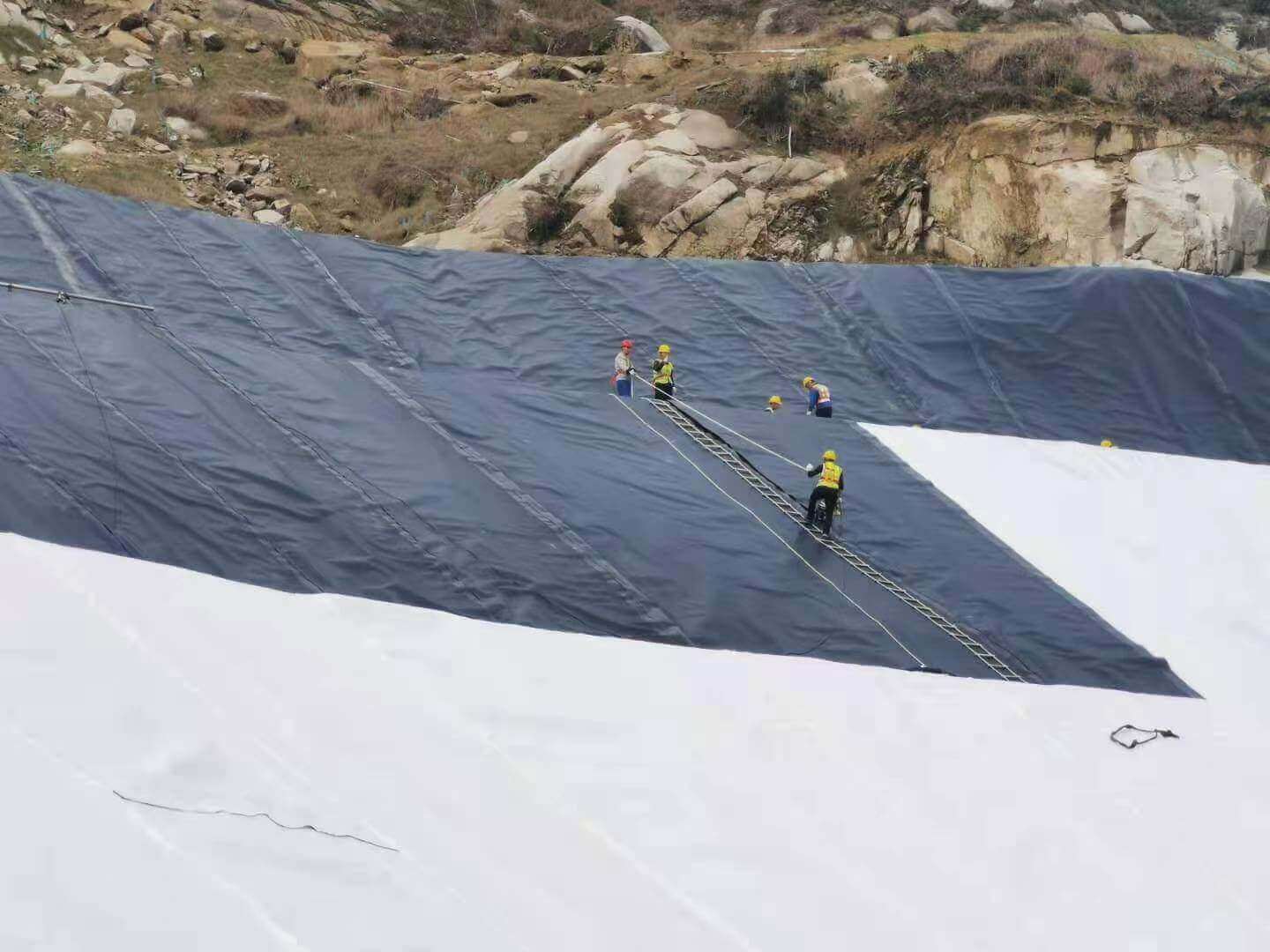
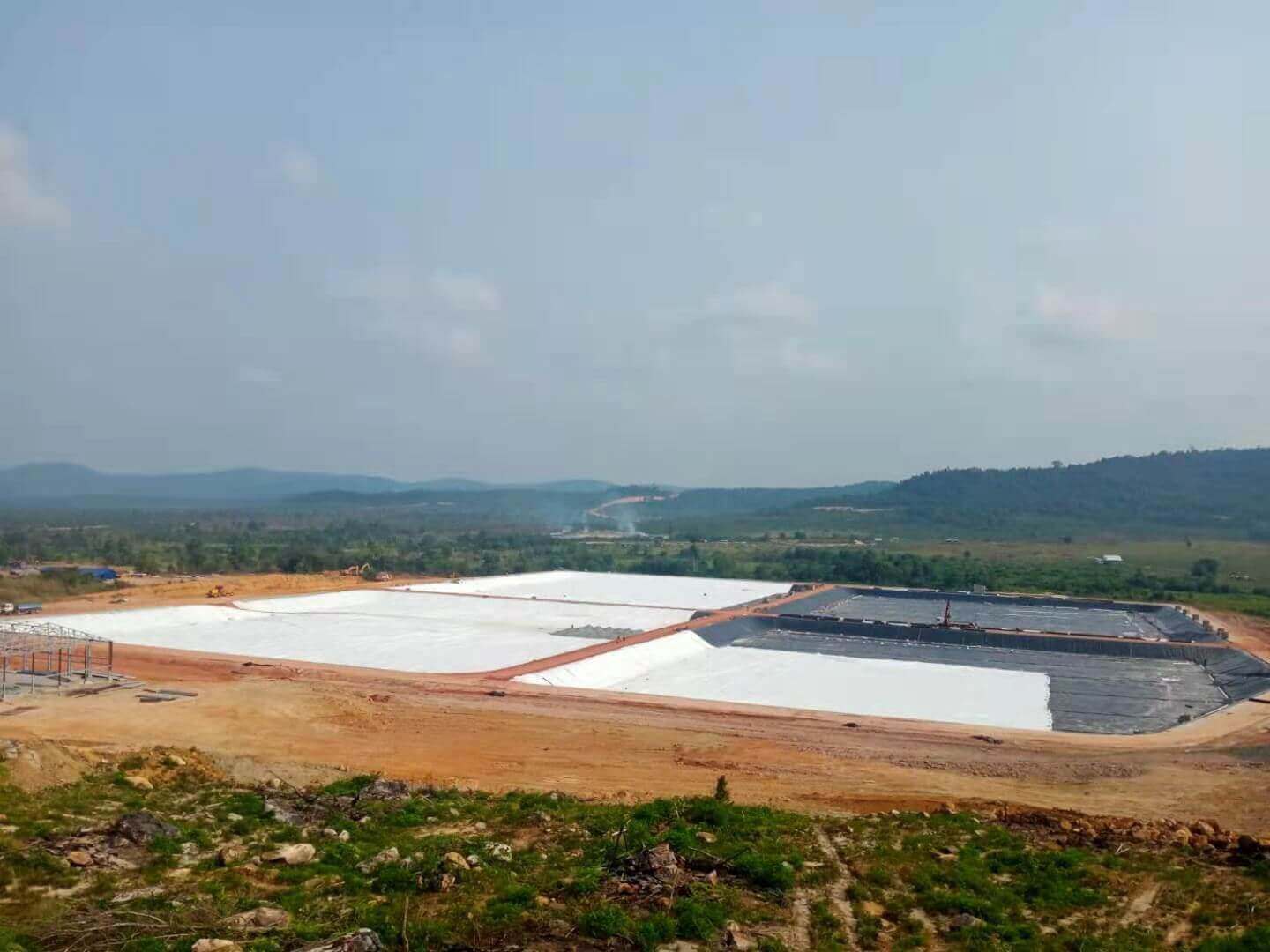
- Landfill and Environmental Protection:Geotextiles protect geomembrane liners from puncture and mechanical damage.
- Erosion Control and Slope Protection:Used in riverbanks, embankments, and coastal engineering to prevent soil erosion.
- Agriculture and Landscaping:Geotextiles are used in irrigation systems, greenhouse construction, and ground stabilization.



How to Select the Right Geotextile
Choosing the correct geotextile depends on several factors.
1.Weight and Strength
Common weights:
- 100gsm – light duty drainage
- 150gsm – filtration and landscaping
- 200–300gsm – road and subgrade
- 400gsm+ – heavy engineering
2.Material Type
Polypropylene – most common
Polyester – high temperature resistance
3.Project Conditions
Soil type
Load conditions
Drainage requirements
Our engineering team can help select the appropriate specification for your project.
Geotextile Installation Overview
Proper installation ensures performance and service life.
Typical steps include:
- Subgrade preparation
- Geotextile placement
- Overlap and anchoring
- Cover layer installation
Installation methods vary depending on application and site conditions.

Geotextile Price Factors
The price of geotextile fabric depends on:
- Material type
- Weight and strength
- Roll width
- Project quantity
- Transportation distance
Bulk orders and long-term projects usually receive more competitive pricing.
Request a customized quotation based on your project requirements.

Why Choose Planet Liner
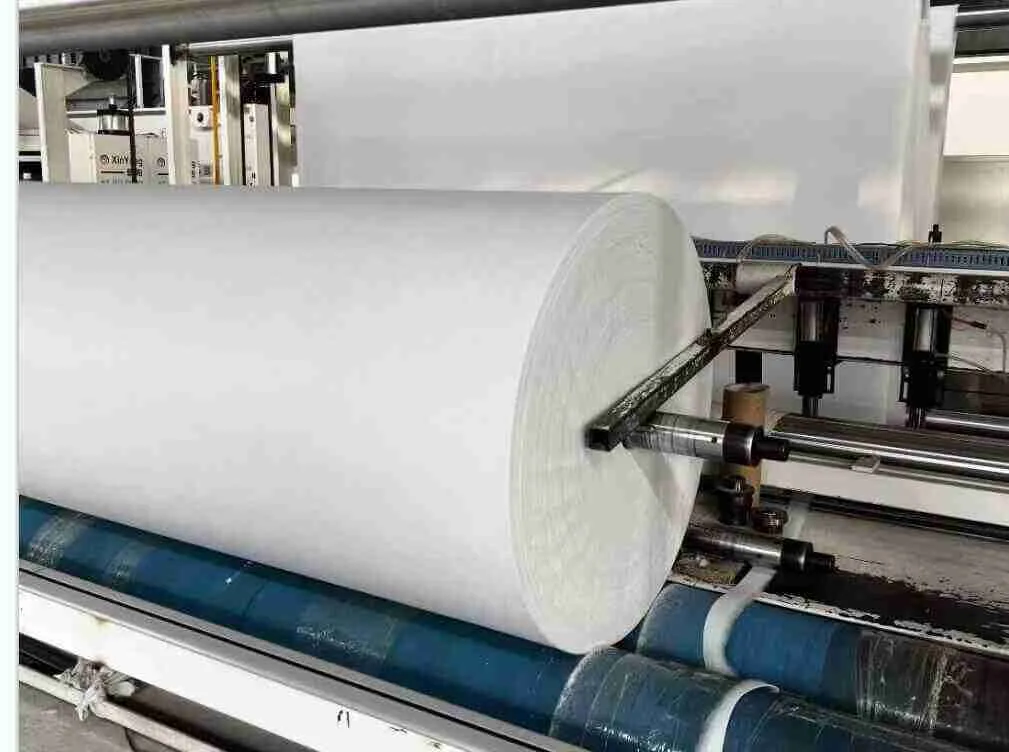
Reliable Manufacturing
Advanced production lines
Strict quality control
Stable raw material sourcing
Global Export Experience
Technical Support
Material selection guidance
Installation suggestions
Project optimization advice
Frequently Asked Questions
What is the difference between woven and nonwoven geotextile
Nonwoven geotextile is mainly used for filtration and drainage, while woven geotextile is used for reinforcement and stabilization.
How long does geotextile last
Depending on project conditions, geotextiles can last 10 to 50 years.
Can geotextile be used with geomembrane
Yes. Geotextile is often used as a protective layer above or below geomembrane liners.
Get Geotextile Recommendation and Price
If you are planning a road, drainage, landfill, or environmental project, our team can help you choose the correct geotextile solution.
Fast quotation
Technical support
Worldwide delivery
Contact us today for project consultation.