
What are geotubes and specifications?
What is geotube?
Geotubes, also known as geotextile tubes or dewatering tubes, have become a critical tool in modern civil, marine, and environmental engineering. Geotube is made from high-strength, permeable geotextile fabrics. They are widely used in coastal protection, dewatering, erosion control, and land reclamation. Their versatility, cost-effectiveness, and durability make them a preferred solution for civil and environmental engineering projects.
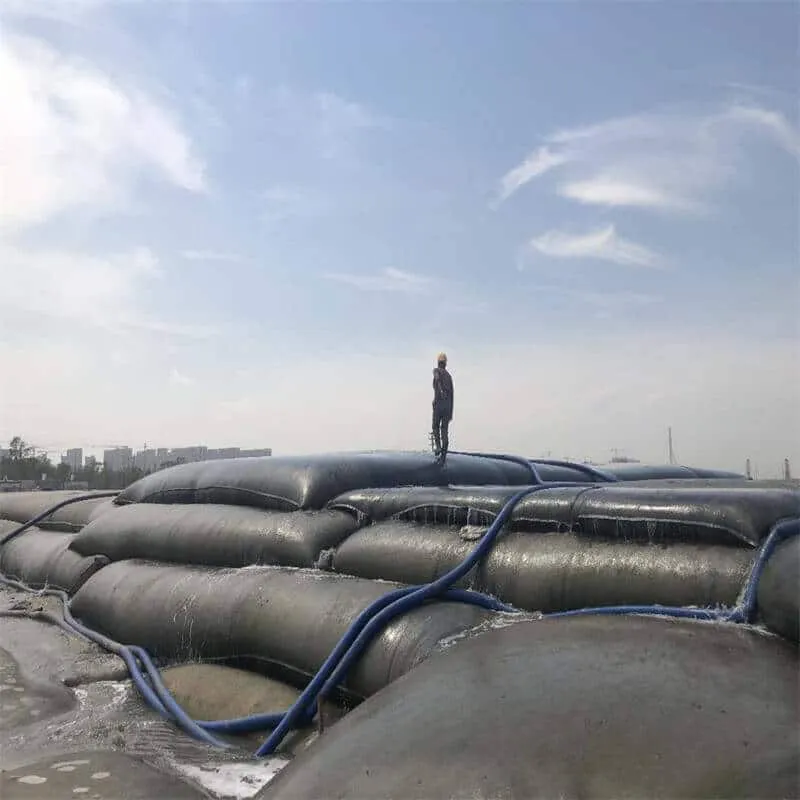
A geotube is designed to contain, dewater, and stabilize various types of sludge, sediment, or soil. These tubes are typically filled with slurry (a mix of water and solids) and allow the water to escape through the fabric pores, leaving the solids trapped inside. Once dried, the consolidated material can either be disposed of or used for land reclamation, construction, or shoreline stabilization.
The core functions of a geotube include:
Sludge dewatering (municipal, industrial, agricultural, and dredging)
Erosion control and shoreline protection
Flood prevention and levee construction
Land building and reclamation
Key Advantages of Geotubes
1. High Strength & Durability
Our Geotubes are manufactured with high-tenacity polypropylene, mainly PP woven geotextile, offering tensile strengths from 50/50 kN/m up to 350/350 kN/m, making them suitable for:
Heavy-duty marine applications (breakwaters, seawalls)
Industrial sludge dewatering (mining, wastewater treatment)
Large-scale land reclamation
Unlike traditional rock or concrete structures, Geotubes flex under stress, reducing the risk of cracking or failure
2. Customizable Sizes for Any Project
We provide tailored Geotube solutions in:
Diameter: 1m – 8m
Circumference: 5m – 60m
Length: 20m – 120m
This flexibility allows engineers to optimize designs for specific site conditions, minimizing waste and improving efficiency

3. Faster Installation & Lower Labor Costs
No heavy machinery required (unlike rock or concrete placement)
Rapid deployment – Can be filled in place using hydraulic pumps
Minimal site disruption – Ideal for environmentally sensitive areas
4. Superior Erosion Control & Adaptability
Conforms to natural terrain – Unlike rigid structures, Geotubes adjust to shifting shorelines.
Traps sediment naturally – Promotes beach nourishment over time.
Resistant to scour – Reduces maintenance costs compared to riprap.
5. Eco-Friendly Solution
Reduces carbon footprint (less material transport vs. rock/concrete)
Permeable design – Allows natural water flow, preserving ecosystems.
Reusable in some cases – Can be relocated if project needs change.
Geotube Specifications: Sizes, Strengths, and Customization
Our geotubes are engineered to meet diverse project demands—from small-scale dredging to large-scale coastal engineering.
Strength Classes (kN/m):50/50,60/60,70/105,90/120,120/120,200/200,250/250,300/300,350/350
Size Options:
Diameter: 1 meter to 8 meters
Circumference: 5 meters to 60 meters
Length: 20 meters to 120 meters
Our products are made from high-strength woven polypropylene and polyester geotextiles. They meet or exceed performance standards of internationally recognized brands such as TenCate, but at a more competitive price point.
We offer full customization to match your project’s hydraulic, environmental, and structural needs. Whether you need a small-diameter tube for dewatering silt or a massive containment tube for storm surge protection, we can deliver with precision and speed.
Geotube Specifications: Strength, Sizes & Customization
We provide high-strength Geotubes at competitive prices, with the following specifications:
Strength Options (kN/m):
| Warp/Weft Strength | Typical Applications |
|---|---|
| 50/50 | Light-duty dewatering, small-scale erosion control |
| 60/60 | Riverbank protection, moderate loads |
| 70/105 | Coastal barriers, medium-strength reinforcement |
| 90/120 | Heavy-duty shoreline stabilization |
| 120/120 | Breakwaters, high-stress environments |
| 200/200 | Extreme load conditions, deep-water applications |
| 250/250 | Large-scale land reclamation |
| 300/300 | Industrial sludge dewatering, mega-projects |
| 350/350 | Ultra-high-strength marine structures |
What Are Geotextile Tubes Used For?
Geotextile tubes are used in various infrastructure and environmental projects. Below are some of the most common applications:
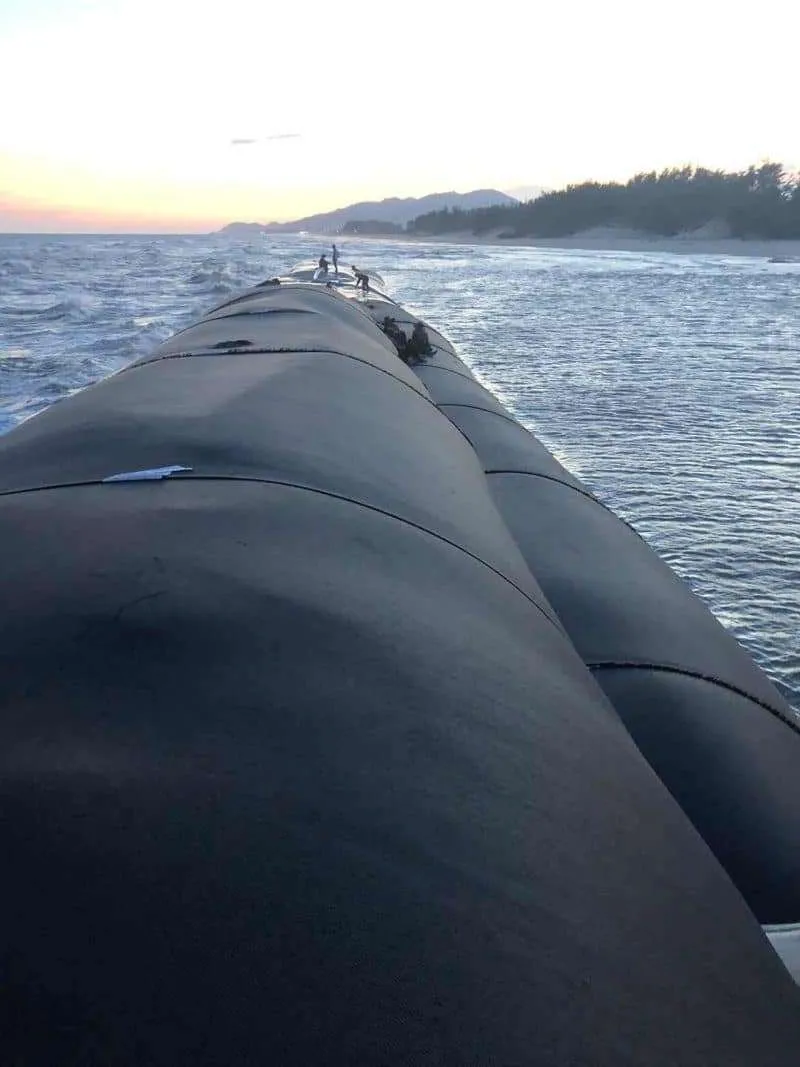
1. Coastal & Riverbank Protection
Shoreline stabilization – Prevents erosion from waves and tides.
Breakwaters & revetments – Dissipates wave energy, protecting infrastructure.
Dune restoration – Reinforces sand dunes against storm surges.
2. Dewatering & Sludge Management
Mining & industrial waste – Separates water from slurry, reducing disposal costs.
Municipal wastewater treatment – Dewaters sewage sludge efficiently.
Agricultural waste – Processes manure and organic sediments.
3. Land Reclamation & Containment
Creating artificial islands – Provides a stable foundation for land expansion.
Contaminated sediment capping – Isolates pollutants while allowing natural consolidation.
4. Erosion Control in Infrastructure
Embankment reinforcement – Strengthens weak soils under roads and railways.
Temporary cofferdams – Facilitates construction in wet environments.
Cost Efficiency: Why Geotubes Save Money
1. Lower Material & Transportation Costs
| Method | Material Cost | Transport Cost | Installation Cost |
|---|---|---|---|
| Geotubes | Moderate (fabric + fill material) | Low (lightweight, compact delivery) | Low (minimal labor) |
| Rock Revetment | High (quarried rock) | Very High (heavy loads) | High (crane/equipment needed) |
| Concrete Structures | Very High (cement, steel) | High (precast or on-site casting) | Very High (skilled labor) |
2. Reduced Construction Time = Faster ROI
No curing time (unlike concrete)
Immediate functionality once filled
Shorter project timelines mean lower labor expenses.
3. Long-Term Savings from Durability
UV-resistant fabrics last 10–20 years with minimal maintenance.
No corrosion (unlike steel sheet piles).
Self-healing properties – Minor abrasions don’t compromise structural integrity.
4. Lower Environmental Compliance Costs
Minimal permitting issues (eco-friendly alternative).
No leaching of harmful materials (unlike some concrete additives).
Geotubes vs. Traditional Methods: A Cost-Benefit Analysis
| Feature | Geotubes | Rock Revetment | Concrete Structures |
|---|---|---|---|
| Initial Cost | $$ | $$$$ | $$$$$ |
| Installation Speed | Fast (days) | Slow (weeks) | Very Slow (months) |
| Flexibility | High (adapts to terrain) | Low (rigid placement) | None (fixed structure) |
| Maintenance | Low (self-sustaining) | Moderate (rock displacement) | High (cracking, corrosion) |
| Lifespan | 10–20+ years | 15–30 years (but requires upkeep) | 30–50 years (with repairs) |
| Environmental Impact | Low (permeable, natural) | Moderate (quarrying, habitat disruption) | High (carbon-intensive) |
How Do Geotubes Prevent Erosion?
Erosion is a natural process accelerated by wave energy, water currents, or heavy rainfall. Geotubes counter this by absorbing and deflecting the energy of moving water.
Once placed and filled, a geotube stabilizes the soil behind it and provides a solid, immobile structure that resists hydraulic forces. Its low permeability ensures that fine particles are not washed away, thus preserving the shoreline or embankment’s structural integrity.
Moreover, geotubes can be integrated into eco-friendly solutions like vegetated coastlines or hybrid “green-gray” infrastructure, enhancing both performance and sustainability.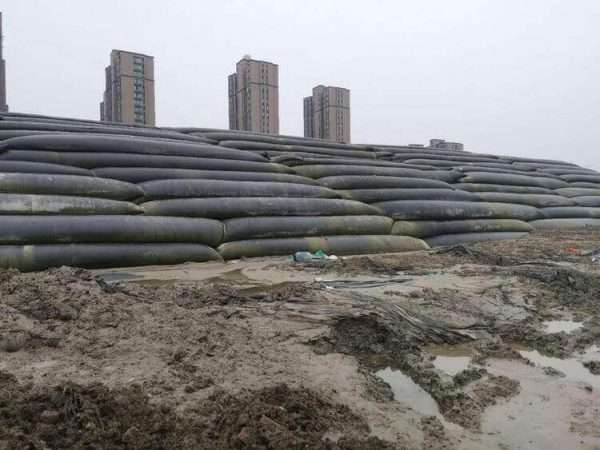
Geotube Dewatering: How Does It Work?
Geotube dewatering is a simple yet highly effective process:
Filling: The tube is hydraulically filled with sludge, dredged sediment, or slurry.
Dewatering: Through gravity and pressure, water is filtered out via the geotextile fabric.
Consolidation: The retained solids dry and compact over time.
Final Handling: Once dry, the geotube can be opened for removal or left in place for structural applications.
This method reduces transportation, handling, and disposal costs while minimizing environmental impact.
How Long Do Geotubes Last?
The lifespan of a geotube depends on its material, UV exposure, and application environment. Under normal conditions:
Temporary dewatering geotubes may last 1–5 years.
Permanent erosion control or structural geotubes can last over 10–20 years, especially when covered or submerged.
Our geotubes are made with UV-stabilized fibers, offering high resistance to chemicals, bacteria, and sunlight degradation. For long-term use, geotubes can also be buried or reinforced with vegetation to extend durability.
Why Choose Planetliner Geotubes?
Our copmany produce the PP woven geotextile for many years, and can make the different size and property geotubes.The products are widely used in river channels, lake coasts, reservoirs and canals, coal mine goafs and goaf filling, etc. The company has strong technical force and its production technology has reached the international advanced level. The company has 4 Japanese imported six-needle sewing machines, 16 chain double needles, 5 bottom shuttle double needles, 5 heavy material chain double needles, 14 round head single needles, 5 platform single needles, 1 overlock machine, 1 fully automatic cutting and unloading machine, 1 5.2m wide quilting machine, 1 5.2m wide needle punching machine, 2 winding machines, which can provide users with finished products for different construction purposes such as sewing, quilting, and needle punching, with a maximum production capacity of 9,000 square meters of tube bags per day.
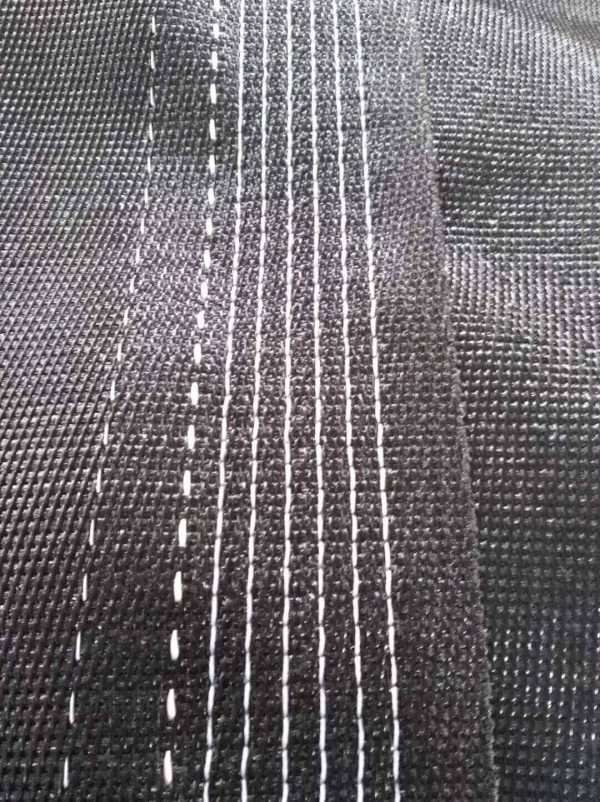

- High Strength Options: Up to 350/350 kN/m tensile strength.
- Wide Customization: Diameter, circumference, and length tailored to your needs.
- Cost-Effective: Comparable performance to TenCate at significantly lower prices.
- Reliable Quality: Suitable for both temporary and long-term engineering applications.
- Proven Results: Our geotubes have been successfully deployed in coastal protection, mining tailings, sludge dewatering, and flood defense across multiple regions.
Geotubes provide a powerful, flexible, and cost-efficient solution to erosion, flooding, and waste management challenges. From dewatering industrial sludge to reinforcing coastlines, these woven wonders are reshaping modern infrastructure with their smart functionality and sustainable benefits.
Whether you are an engineer, contractor, or government project manager, our geotube systems offer the performance, customization, and value you need.Follow our Linedin Facebook for more informations!
Recent Post
Aquaculture Pond Lining in Indonesia | From Design to Installation
From Project Drawing to Water Filling: An Aquaculture Pond Lining Project in Indonesia This aquaculture pond project in Indonesia started with a project drawing.The customer firstly contacted us
When Is Geotextile Really Necessary?
When Is Geotextile Really Necessary in Civil Engineering Projects? Geotextiles are widely used in modern infrastructure and environmental engineering. However, a common question among engineers, designers, and contractors is: Is geotextile always necessary? In
Woven Polypropylene Geotextile Manufacturer | Engineering Grade & Landscape Fabric
Woven Polypropylene Geotextile Manufacturer | Engineering Grade & Landscape Fabric By Planetliner — Manufacturer of High-Performance Woven PP Fabrics for Global Projects Woven polypropylene geotextile has become a fundamental material in civil engineering, environmental protection,