
What Geosynthetic Products Do GISTM Mining Projects Need?
The International Council on Mining and Metals (ICMM), the United Nations Environment Programme (UNEP) and the Principles for Responsible Investment (PRI) co-convened the Global Tailings Review to establish an international standard for the safer management of tailings storage facilities.The Global Industry Standard on Tailings Management (GISTM) is directed at Operators and applies to tailings facilities, both existing and to-be-built. It makes clear that extreme consequences to people and the environment from catastrophic tailings facility failures are unacceptable. Operators must have zero tolerance for human fatalities and strive for zero harm to people and the environment from the earliest phases of project conception. To be compliant with the Standard, Operators must use specified measures to prevent the catastrophic failure of tailings facilities and to implement best practices in planning, design, construction, operation, maintenance, monitoring, closure and post closure activities. Overall, conformance is expected where there is no conflict with the legislative requirements of the jurisdictions where tailings facilities are located.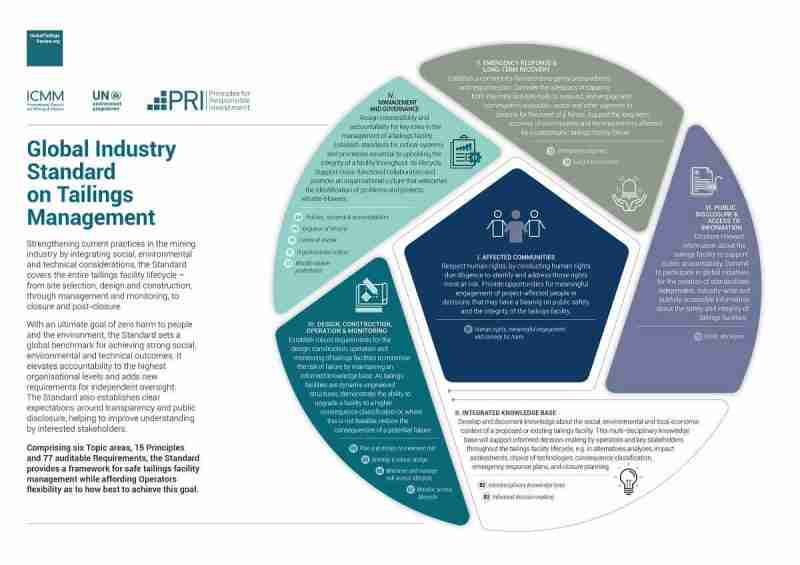
The Global Industry Standard on Tailings Management (GISTM) was created to make mining safer and more responsible. It focuses on protecting the environment, people, and communities near mining projects. One of the key ways mining companies can meet GISTM requirements is by using geosynthetic products. These materials provide strong, reliable, and cost-effective solutions for tailings storage facilities (TSFs), waste management, and environmental protection.
As a leading producer and exporter of geosynthetic products, we recognize that selecting the right materials is crucial for compliance with these stringent standards. Geosynthetics play a vital role in creating safer, more sustainable mining operations by providing engineered solutions for containment, stabilization, drainage, and environmental protection.
In this article, we explain why geosynthetics are important for mining, what products are used, and how they help projects follow GISTM standards.
Why Geosynthetics Are Necessary in GISTM Mining Projects?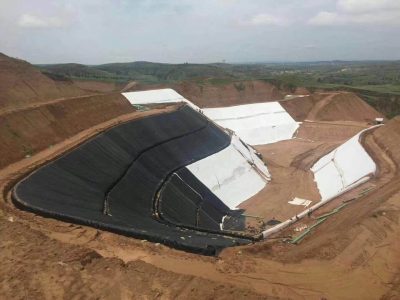
Mining projects make large amounts of waste and tailings that can harm soil, water, and air if not managed well. GISTM requires companies to reduce risks by:
Preventing leaks and contamination
Ensuring long-term stability of tailings dams
Protecting local water resources
Reducing the chance of accidents or failures
Geosynthetics such as geomembranes, geotextiles, geogrids,geonet, and geosynthetic clay liners (GCLs) can support these goals by creating barriers, improving drainage, and strengthening structures.
What Geosynthetic Products Needed for GISTM Mining Projects?
1. HDPE Geomembranes – The Impermeable Barrier
HDPE Geomembranes serve as impermeable barriers critical for tailings storage facilities (TSFs) and containment areas. These HDPE liners prevent harmful chemicals and contaminants from leaching into surrounding soil and groundwater.
Application: Base liners for tailings dams, heap leach pads, and contamination barriers

Material Specifications: High-Density Polyethylene (HDPE),1.5mm 2mm and 3mm thickness, ASTM GRI GM13 Standard
Key Properties:
Chemical resistance to mining byproducts and processing chemicals
Puncture resistance to withstand installation and operational stresses
UV resistance for long-term exposed applications
Low permeability (as low as 10⁻¹³ cm/s)
According to case studies, using at least 1.5mm thickness HDPE geomembranes can effectively block heavy metal contaminants from entering groundwater in mining applications, making them essential for GISTM Standard.
2. Geotextiles – Separation, Filtration, and Reinforcement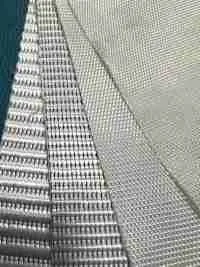
Geotextiles have multiple functions including separation, filtration, and reinforcement in mining applications. These permeable fabrics are essential for proper drainage systems and soil stabilization.
Types:
Woven geotextiles – High tensile strength for reinforcement,PET and PP woven geotextile.
Non-woven geotextiles – Excellent filtration and separation properties
Application: Underliner protection for geomembranes, drainage systems, erosion control, and soil stabilization
Key Properties:
High tensile strength (from 4.5 kN/m to 40 kN/m depending on weight)
Puncture resistance to protect geomembranes
Permeability allowing water flow while retaining soil particles
Chemical resistance to withstand harsh mining environments
Geotextiles is first choice as drainage solution in mining infrastructure, with studies showing that using 400g/m² polyester non-woven geotextiles can improve drainage efficiency by 30% compared to traditional gravel layers while reducing fine particle loss risk by 70% .
3.Geogrids – Slope Stabilization and Reinforcement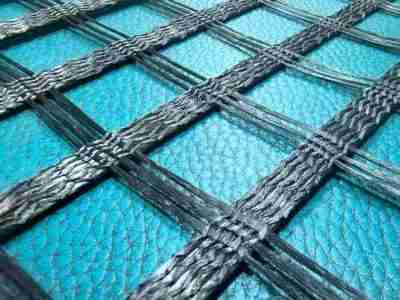
Geogrids provide tensile reinforcement for soil structures, essential for stable tailings dam construction and slope stabilization.
Application: Slope reinforcement, retaining structures, and foundation stabilization
Key Properties:
High tensile strength and stiffness
Soil interaction characteristics for stability
Chemical resistance to mining environments
Long-term durability under stress
4.Geosynthetic Clay Liners (GCLs) – Self-Healing Barrier Protection
GCLs consist of bentonite clay between geotextiles, creating a self-healing hydraulic barrier that provides backup protection to geomembranes.
Application: Secondary containment, landfill liners, and as composite lining systems
Key Properties: at least 4000gsm GCL is needed.
Self-sealing capability when hydrated
Low hydraulic conductivity
Resistance to chemical compatibility issues
Ability to accommodate subgrade settlement
Research shows that reinforced GCLs demonstrate comprehensive contaminant barrier performance in mining applications, effectively controlling CODCr, NH3-N, TP, and TN levels in surrounding waters
5. Geotubes and Geobags
Geotubes are large, permeable containers made from high-strength PP woven geotextiles. They are designed for dewatering slurry-like materials, separating solids from liquids through controlled filtration.
Application: Secondary containment, landfill liners, and as composite lining systems
Key Properties: the TDS is customized.
Risk Reduction: Lower TSF volume and create drier, more stable tailings, directly supporting GISTM safety goals.
Water Efficiency: Enhance water recycling rates, reducing freshwater consumption and improving effluent management.
Cost Savings: Offer a modular, portable alternative to expensive mechanical dewatering systems or large settling ponds.
Closure Ready: Facilitate stable, drier landforms that simplify final mine closure and rehabilitation.
6.Erosion Control Mats – Surface Protection Solutions
Erosion control mats and geomat solutions prevent surface erosion on slopes and around mining sites, crucial for long-term stability and environmental protection.
Application: Slope protection, channel lining, and reclamation areas
Key Properties:
UV resistance
Biodegradability (in some environmental applications)
Water permeability
Soil stabilization capabilities
7.Geonet-Drainage solutions
Geonets function as the primary drainage layer in composite lining systems for tailings storage facilities (TSFs). They efficiently manage leachate and seepage by creating a stable, continuous pathway for fluid flow, preventing dangerous pressure buildup that could compromise the structure’s stability. Their high in-plane transmissivity allows them to move large volumes of liquid even under the immense loads of mining waste.
- Application: Primary Drainage Layer in Tailings Storage Facilities (TSFs),Leachate Collection in Heap Leach Pads,Gas Venting in Biologically Active Tailings,Drainage in Closure Caps and Final Covers
Key Properties:
High Transmissivity: Ability to transport large volumes of water or gas within its plane.
High Compressive Strength: Resists deformation under heavy loads (e.g., from overlying tailings or soil).
Chemical Resistance: Inert to many chemicals found in mining leachates and soil environments.
Lightweight & Easy Installation: Much easier and faster to install compared to traditional gravel drainage layers.
How Geosynthetics Help Mining Projects Meet GISTM
Environmental Safety: Prevent leakage and protect groundwater
Structural Stability: Reinforce dams, slopes, and haul roads
Cost Efficiency: Reduce construction and maintenance costs
Sustainability: Improve waste management and reduce risks for communities
By using the right geosynthetics, mining companies can show compliance with GISTM and build stronger trust with regulators, investors, and local communities.
Best Practices for GISTM Mining Projects
Proper Installation Techniques
Correct installation is very important for geosynthetic performance. Key considerations include:
Subgrade preparation – Removing sharp objects and creating a smooth surface
Seam integrity – Ensuring proper welding of geomembranes (with seam strength ≥90% of parent material)
Protection layers – Using appropriate geotextiles to protect geomembranes from damage
Anchorage systems – Properly securing geosynthetics against wind and water forces
Quality Assurance and Testing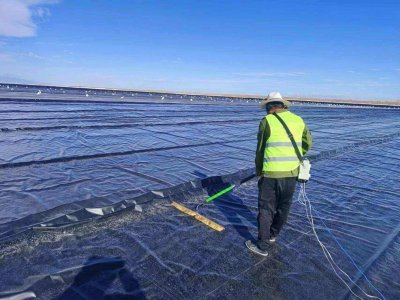
Regular testing ensures geosynthetic materials meet project specifications:
Material conformance testing – Verifying properties match specifications
Field testing – Conducting seam tests, patch tests, and destructive testing
Environmental performance verification – Ensuring chemical compatibility
Monitoring and Maintenance
Long-term monitoring detects potential issues early:
Regular inspections for damage or deterioration
Performance monitoring of drainage systems and containment areas
Integrity testing of barrier systems
Frequently Asked Questions (FAQ)
1. Why are geomembranes important for mining projects?
Geomembranes are the main barrier that stops chemicals and tailings water from leaking into soil and groundwater. Without them, contamination risks are very high.
2. Do mining projects need both geomembranes and GCLs?
Yes. A double-liner system with geomembrane + GCL provides extra safety and meets strict environmental standards under GISTM.
3. What geosynthetics are used in tailings storage facilities (TSF)?
TSFs usually need HDPE geomembranes, GCL liners, geotextiles for protection and drainage, and geogrids for slope stability.
4. Can geotextile tubes be used for tailings management?
Yes. Geotube technology is often used to dewater tailings, making them easier and safer to store.
5. How do geosynthetics reduce the risk of tailings dam failure?
They strengthen the dam structure, prevent leaks, and manage water movement—all key requirements of GISTM.
Conclusion
The GISTM standard makes safety and environmental protection a priority for the global mining industry. Geosynthetic products are essential tools for meeting these standards. By using geomembranes, geotextiles, geogrids, GCLs, and geotubes, mining projects can manage tailings safely, reduce risks, and build a sustainable future.Investing in quality geosynthetic products and proper installation is not merely a regulatory requirement—it’s a commitment to environmental stewardship, community safety, and the long-term viability of mining operations worldwide.
If you have any question,please feel free to contact us,our engineers can provide solutions for you, And follow our Linkedin Facebook Youtube Instagram for more information!
Recent Post
Aquaculture Pond Lining in Indonesia | From Design to Installation
From Project Drawing to Water Filling: An Aquaculture Pond Lining Project in Indonesia This aquaculture pond project in Indonesia started with a project drawing.The customer firstly contacted us
When Is Geotextile Really Necessary?
When Is Geotextile Really Necessary in Civil Engineering Projects? Geotextiles are widely used in modern infrastructure and environmental engineering. However, a common question among engineers, designers, and contractors is: Is geotextile always necessary? In
Woven Polypropylene Geotextile Manufacturer | Engineering Grade & Landscape Fabric
Woven Polypropylene Geotextile Manufacturer | Engineering Grade & Landscape Fabric By Planetliner — Manufacturer of High-Performance Woven PP Fabrics for Global Projects Woven polypropylene geotextile has become a fundamental material in civil engineering, environmental protection,