TOP HDPE Liner HDPE Geomembrane Manufacturers Suppliers
In the civil engineering projects,such as landfill sites, mining operations, or aquaculture ponds, HDPE liner is becoming popular. These liners are made from high-density polyethylene (HDPE), offer excellent chemical resistance, durability, high tensile strength and a cost-effective solution for impermeable barriers. If you’re a project manager looking to find a high-quality geomembrane or a contractor need HDPE geomembrane suppliers, it is helpful to know the parameters, production process, and market trends .
Our company is a geosynthetic material manufacturer and supplier with 10+years experience, products includes geomembrane, geotextile, geosynthetic clay liner and so on. With 500+people,and nice QC quality system, our products quality meet and exceed the astm standard, for example, our HDPE liner meet the ASTM GRI GM13 standard,and have the SGS TRI test report.Our hdpe liner is exported to 50+countries, used for fish shrimp pond, water reservoir, dam,lagoon, landfill, dump waste, mining heap leach tailing, salt, root barrier,and oil mud pit liner.
To help you know more about the HDPE liner, i will show you some details about technical aspects of HDPE liners, global geomembrane manufacturers, and suppliers, as well as application areas, pricing, and how to evaluate the quality of an HDPE liner.
What is an HDPE Liner?
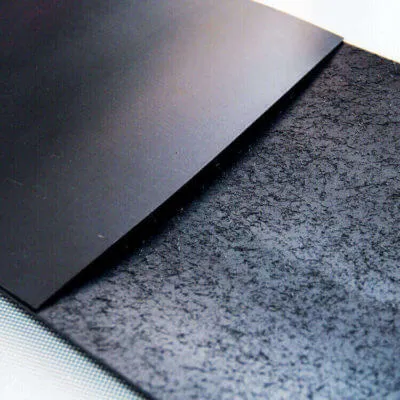
An HDPE liner is a type of geomembrane, which is a synthetic membrane used to control fluid or gas migration in a man-made project, structure, or system. It is made of High density polyethylene resin, HDPE liners are known for their high strength, durability, and ability to withstand chemicals, UV radiation, and extreme weather conditions. They are widely used for waste management in landfills, water containment in ponds, and liquid containment in mining operations.
Technical Parameters of HDPE Liners
When choosing the HDPE liner, it’s important to understand the product’s technical specifications. Below is a table with typical parameters for HDPE liners:
| Parameter | Specification |
|---|---|
| Material | High-Density Polyethylene (HDPE) |
| Thickness | 0.5mm to 3.0mm |
| Tensile Strength | 20 – 80 kN/m |
| Elongation at Break | 700% to 900% |
| Chemical Resistance | Excellent resistance to chemicals, acids, and bases |
| UV Resistance | Highly UV-resistant, suitable for outdoor applications |
| Water Permeability | Less than 1×10^-11 m/s |
| Temperature Range | -50°C to 85°C |
| Lifespan | 20-30 years depending on application and exposure |


Thickness and Strength
HDPE liners come in a range of thicknesses, typically between 0.5mm and 3mm. The choice of thickness depends on the project requirements. Thicker liners (2mm to 3mm) are used in demanding applications like landfills or mining, where high tensile strength is required. Thinner liners (0.5mm to 1mm) are sufficient for pond linings or lightweight water containment.Here are some popular thickness for different projects:
0.5mm: fish pond, shrimp pond,salt pond
0.75mm: fish pond, shrimp pond,water reservoir,
1mm:fish pond, shrimp pond, water reservoir, dam,lagoon,landfill capping,water treatment,salt pond,
1.5mm:landfill,dam,lagoon,water treatment, salt pond, root barrier,biogas digester,oil gas.
2mm: landfill,mining,oil gas,water treatment,biogas
3mm:mining,landfill
UV and Chemical Resistance
HDPE is famous for its resistance to UV radiation and chemicals. These qualities make HDPE liners good for applications like outdoor ponds or hazardous waste containment, where they might be exposed to the elements or corrosive substances.

How HDPE Liners are Manufactured
1. Raw Material Selection
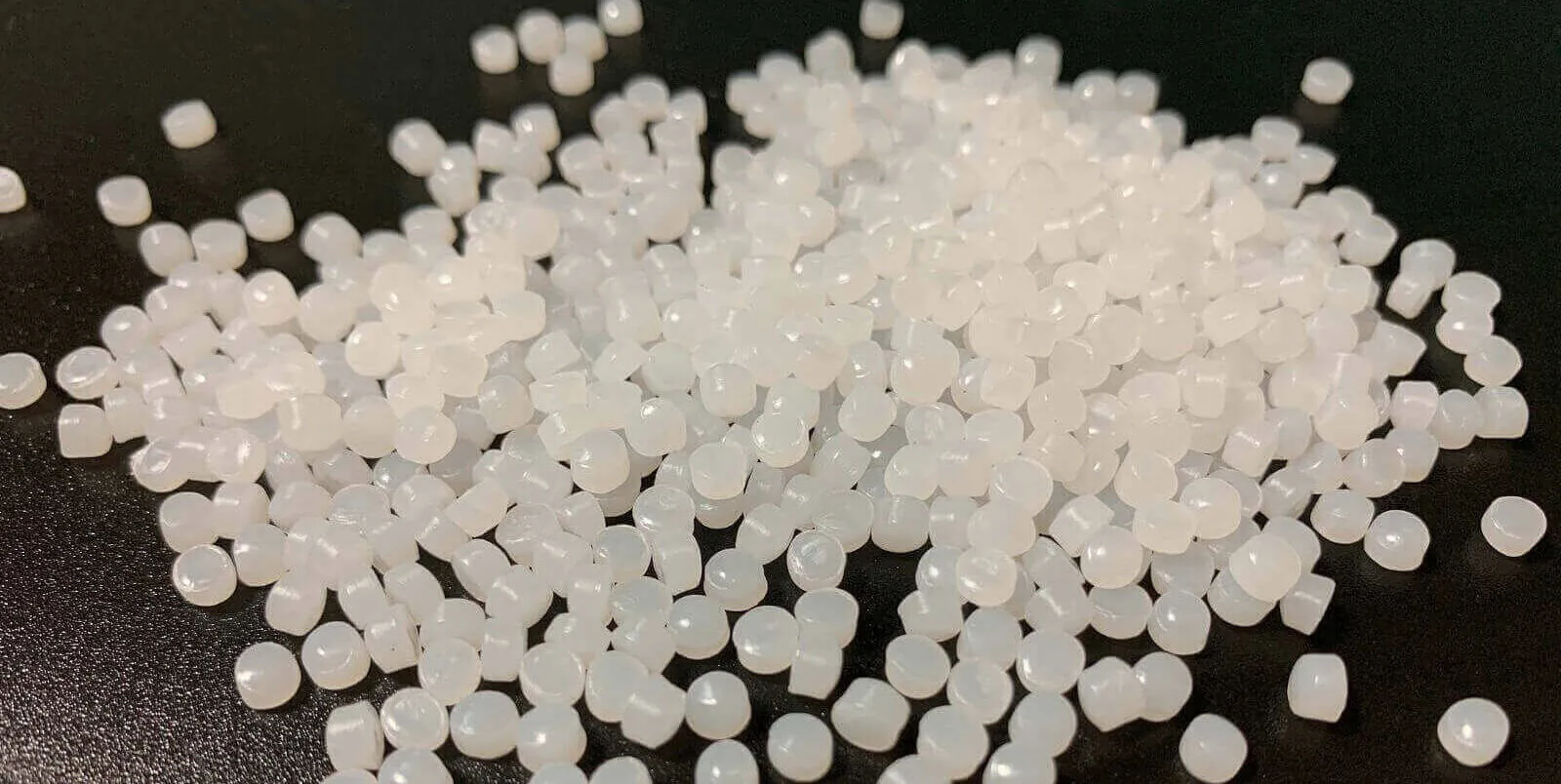
HDPE resins are the key component of these liners. Leading geomembrane manufacturers source high-quality virgin HDPE resins to ensure superior product performance. Recycled resins can also be used but might not offer the same level of durability or chemical resistance as virgin materials.Our company use the 100%virgin resin, which can ensure the property of the liner.
2. Extrusion
HDPE resin resins are fed into an extruder, where they are heated to a high temperature and melted. The molten HDPE is then forced through a die to form a thin, continuous bubble.
3. Calendering
In this process, the extruded HDPE bubble is passed through calendering rolls, which press and smooth the material to the desired thickness.
4. Cooling and Trimming
The bubble is cooled using a series of water or air-cooling systems and then trimmed to the required width and length.
5. Rolling and Quality Testing
After trimming, the liner will be packed in rolls with woven bags or according to clients requirement,meanwhile the hdpe liner will be tested in our factory lab. This includes checking for tensile strength, elongation, puncture resistance to ensure that the liner meets industry standards.


Key Geomembrane Manufacturers and Suppliers by Region
If you’re in the market for HDPE liners, it’s essential to source from reputable geomembrane suppliers and manufacturers who meet international quality standards.
Major Manufacturing Countries
China: China leads in affordable production without compromising quality,the products are cost-effective.
USA: Known for high-quality and innovation, American manufacturers provide premium geomembrane solutions.
Germany: A leader in high-performance industrial materials, including geomembranes.
India: Rapidly growing in the geomembrane industry, known for producing affordable, reliable materials.
Key Manufacturers and Suppliers
Solmax/GSE Environmental: One of the largest producers of geomembranes, known for high-quality liners used globally.Solmax is a global leader in sustainable solutions for infrastructure and environmental protection. Solmax was founded in 1981 and has grown through acquisitions of companies such as GSE, TenCate Geosynthetics, and Propex. Solmax’s main products have HDPE geomembranes and LLDPE geomembranes. Solmax HDPE geomembrane liner meet and exceed the GRI-GM13 international standard (GRI-GM13 specification is the globally recognized international standard for HDPE geomembranes). Solmax produces standard linear low-density polyethylene geomembranes that meet or exceed the GRI-GM17 standard (this standard is the recognized global standard for linear low-density polyethylene geomembranes). Solmax has now become the world’s largest geosynthetics company, with more than 2,000 employees. Solmax is headquartered in Quebec, Canada, with branches and manufacturing centers around the world.
Planetliner:Planetliner is a manufacturer and supplier of Geosynthetic material since2002year,the products includes Geomembrane,Geotextile, Geonet,Geosynthetic Clay Liner and other products.The main products are HDPE geomembrane(smooth surface, texturued surface),LLDPE geomembrane, Nonwoven geotextile, Woven geotextile, Geosynthetic Clay liner.The quality meet and exceel the ASTM GM13 and GM17 standard, have the SGS TRI test reports, and production follow the ISO9001 system.The products are widely used in aquaculture, landfills, biogas tanks, sewage treatment, drainage systems, municipal engineering, mining, landscaping, and other fields.
With more than 500people work,the sales network covers North America,South America,Africa, and Southeast Asia, 80+ countries and regions.With optimized production process and development of innovative geosynthetic anti-seepage products,Planetliner will be the Environment Industry Benchamark
Maccaferri: is a well-known geomembrane manufacturer specializing in engineering solutions for geotechnical engineering and environmental issues. Founded by Raffaele Maccaferri in Bologna, Italy, in 1879, the company has grown into a global leader in providing erosion control, retaining structures, and soil stabilization solutions. Maccaferri is particularly known for the development and production of gabions, which are wire baskets filled with stones or other materials for civil engineering, road construction, military applications, and landscaping
Agru: Agru is a world-renowned manufacturer of extruded geomembranes, geonets, geocomposites and geotextiles since 1988, it also supplies the international market with bentonite blankets (GCL), specialty geomembranes for protecting concrete, flexible vertical anti-seepage systems and system.
AGRU America produces a variety of geomembranes for different applications, focusing on durability, chemical resistance, and easy installation. Its geomembrane products include smooth and textured options made of high-density polyethylene (HDPE) and linear low-density polyethylene (LLDPE). AGRU America’s geomembranes meet or exceed industry standards to ensure reliable performance in demanding applications (AGRU America).
SOTRAFA:Sotrafa is part of the Armando Alvarez Group, which was founded in 1964. The company has been producing and supplying geomembranes since 2005. Its products are mainly used in four fields: mining, water conservancy, environmental engineering, and civil engineering. Alvatech HDPE liner products are sold in more than 60 countries around the world. Its business offices are located in core markets around the world. Since 2005, the company has produced and supplied more than 100 million square meters of geomembranes.
SOTRAFA uses high-quality raw materials to ensure good product performance. SOTRAFA uses an advanced cast extrusion process (calendering system) to ensure uniform product thickness and smooth surface. SOTRAFA’s rough HDPE liner made of high-density polyethylene (HDPE) or linear low-density polyethylene (LLDPE) can be stably installed on steep slopes (high friction coefficient, high friction angle). SOTRAFA is the only manufacturer in the world that can provide 7.5-meter-wide rolled rough-surface HDPE pipes, which can effectively reduce the number of welds, thereby reducing installation costs and improving project quality.
Atarfil:Atarfil was founded in 1995 and is headquartered in Granada, Spain. ATARFIL uses independently developed advanced flat extrusion technology to produce various types of high-performance geomembranes. The product series includes high-density polyethylene HDPE, linear low-density polyethylene LLDPE, ultra-low-density polyethylene VLDPE and polypropylene PP, which are professionally used in various applications. An anti-seepage system.
The current production capacity exceeds 65,000 tons/year, which makes Atarfil one of the top five producers in the world, with roll widths of 2/ 6/ 6,3/ 7,5 meters and even up to 11,6 meters (the widest in the world), and thicknesses ranging from 0,75 mm to 5 mm.
Features of HDPE Liners
1. Durability
HDPE liners are incredibly durable, lasting up to 20-30 years in harsh conditions. Their durability makes them ideal for long-term projects, such as landfills and mining operations.
2. Flexibility
Despite their strength, HDPE liners are relatively flexible, making them easier to install in various project types, including uneven or sloped terrains.The 2mm and 3mm are a little hard.
3. Low Permeability
HDPE liners are nearly impermeable, providing an effective barrier to prevent leakage in containment applications.
Our geomembrane Specifications:
Thickness Range:0.3mm-3mm, popular thickness 0.5mm 0.75mm 1mm 1.5mm and 2mm
Width range:Max 8m, and popular width 5.8m 6m 7m 8m
Surface: Smooth surface, Rough/Textured surface
Color: Mainly black color, other colors can be customized.

Smooth Surface HDPE Geomembrane TDS
Textured/Rough Surface HDPE Geomembrane TDS


Why Choose Us?
1. Raw Materials
Our base resin suppliers are Muntajat, Saudi Polymers, TotalEnergies and their brands are Lotrene/Marlex/Borstar, etc, The masterbatch supplier is Cabot etc. The raw material are from famous factories, and Our QC team will test each batch of raw materials, which is consistent with the number of finished products and traceable products to ensure that each order has traceability.
2.Blown Film Production Process
Automatic weighing instrument and mixing device controlled by Siemens are electrically controlled, and the ratio error of resin and masterbatch is less than 0.005%. Polyethylene resin is pumped directly from storage silos to hoppers above the extruder. The resin is heated to the melting point in the extruder barrel. It is conveyed through the barrel by the rotation of a specially designed screw which, in conjunction with heating elements along the barrel, provides consistency to produce a molten polymer stream.
The molten stream is forced through a die. It extrudes from the circular die as a film bubble, pulled vertically by a set of nip rollers located at the top of a cooling tower. An air cooling ring unit, part of the extruder, maintains consistent bubble diameter. Material gauge is monitored and maintained by a computer system which controls the operation of the extruder.
At the top of the tower the bubble passes through a collapsing frame and is pulled through the nip rollers. The material is directed back toward the ground, and continues cooling as it approaches a winding machine. Before being taken up by the winder, the tube is split and spread to its deployable width. The winder rolls the finished geomembrane onto a specially made heavy-duty core.
3.Quality Control
Our engineers have more than 10 years of geosynthetic inspection experience, and they pay close attention to the quality of the products to ensure the quality is no problem. The automatic thickness gauge (red box) detects the thickness of the product online 24 hours a day, and if the thickness exceeds the standard requirement, the alarm will be sounded immediately. On-line leakage detection equipment, always detect whether the product has leakage. The color, thickness, smooth surface and rough surface can be customized according to the different needs of customers. Thickness re-inspection: We take 10 points for each roll and measure the thickness in turn every 80cm. Every 8 hours, we will attach traceability coding labels to the products sampled online and send them to the laboratory, where we will conduct 11 instrument tests including physical and chemical tests.We keep samples for each order, and each sample is kept for 3-5 years to ensure that the products have complete traceability.
Applications of HDPE Liners
HDPE liners are widely used across various industries due to their versatility and durability. Common applications include:
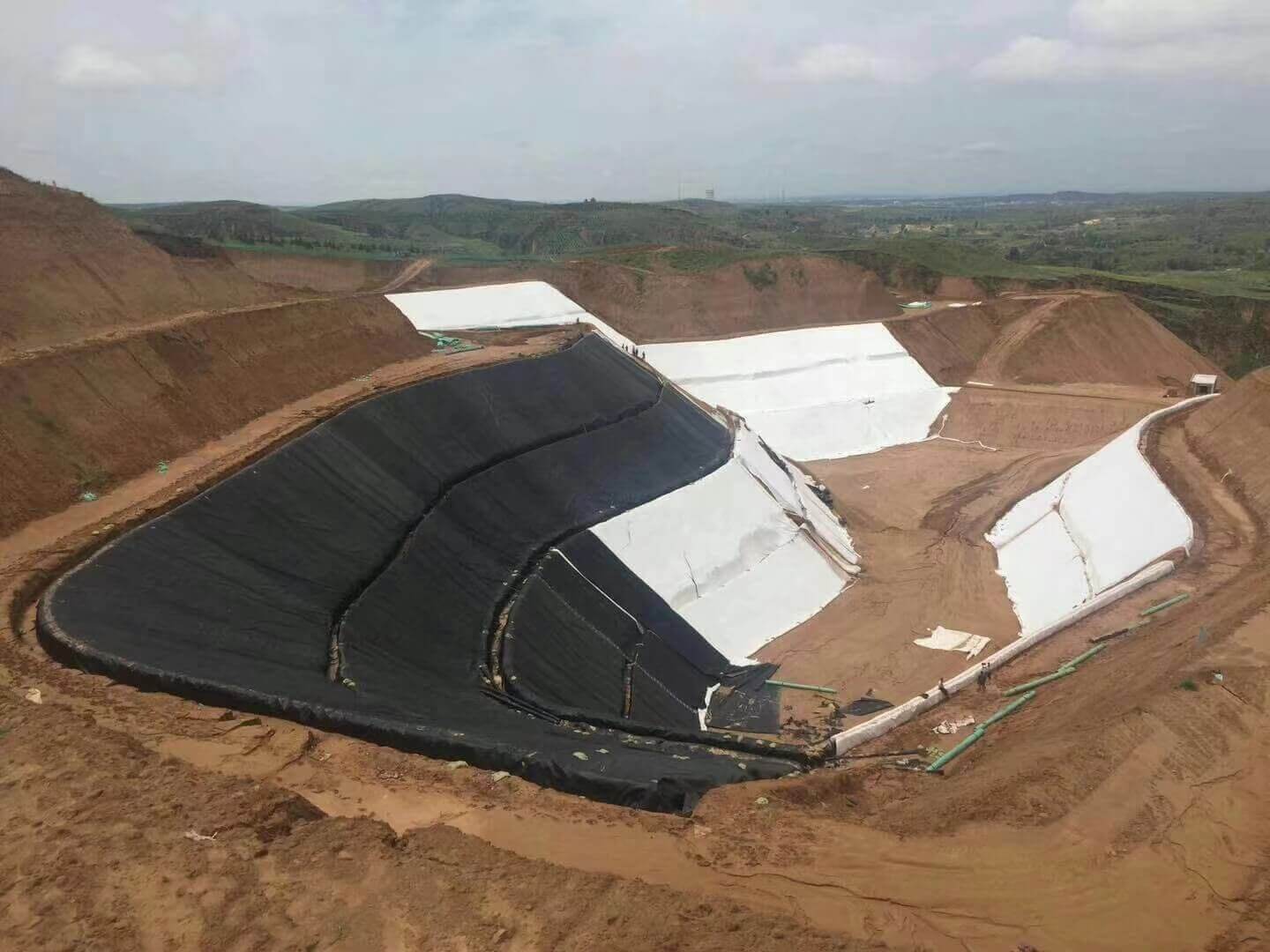
Landfill Liners: HDPE is the material of choice for landfill liners because of its impermeability and chemical resistance.
Mining Operations: HDPE liners are used in heap leach pads and tailing ponds to prevent environmental contamination.
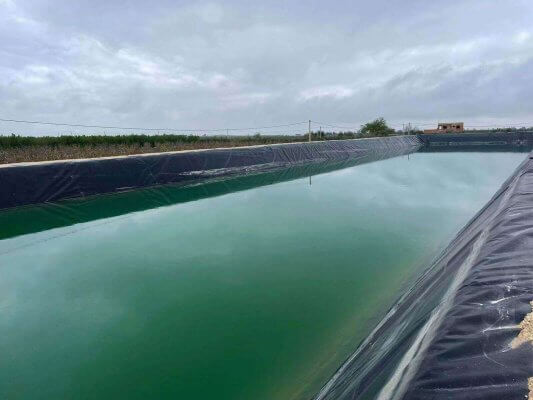
Aquaculture: Fish and shrimp farms often use HDPE liners for pond linings, as they provide a clean and safe environment.
Water Containment: HDPE liners are also used for irrigation ponds, reservoirs, and rainwater harvesting systems.
Advantages of HDPE Liners
1. Cost-Effective
Compared to other liner materials like PVC or EPDM, HDPE liners are more affordable while still providing high performance.
2. Long Lifespan
With proper installation, HDPE liners can last up to three decades, reducing the need for frequent replacements.
3. Environmental Resistance
HDPE liners resist chemicals, UV rays, and extreme temperatures, making them ideal for outdoor applications or industrial containment.
Disadvantages of HDPE Liners
1. Installation Complexity
While HDPE liners are strong, they are also stiff, making installation on complex surfaces more challenging compared to more flexible materials like EPDM.
2. Limited Flexibility
Although durable, HDPE liners can crack or puncture under extreme stress or sharp objects if not installed correctly.
Comparison with Other Liner Materials
| Property | HDPE Liner | PVC Liner | EPDM Liner |
|---|---|---|---|
| Durability | High | Medium | High |
| Chemical Resistance | Excellent | Good | Excellent |
| Flexibility | Moderate | High | High |
| UV Resistance | Excellent | Low | Excellent |
| Cost | Lower | Moderate | High |
| Installation Difficulty | Moderate to High | Low | Low |


Cost Structure of HDPE Liners
The cost of an HDPE liner depends on several factors:
1. Material Quality/Property
Higher-quality HDPE liners made from virgin materials generally cost more but offer longer lifespans and better performance,If you need a better property, means that the material should be very excellent.But in the market, there are different quality, so it is very import to know the difference between the virgin and recycled material,Please contact us for the tips.
2. Thickness
The thicker the liner, the more material is used, increasing the cost. Thicker liners are typically used in high-stress applications like landfills or mining.
3. Quantity
Buying in bulk from HDPE geomembrane suppliers or distributor geomembrane often results in cost savings. Many geomembrane manufacturers offer discounts for large orders.
4. Shipping and Installation Costs
Shipping costs vary depending on the manufacturer’s location. Installation may also add significantly to the overall cost, especially if the liner is being used in a remote or difficult-to-access area.
How to Evaluate HDPE Liner Quality
To ensure you’re getting a high-quality HDPE liner, keep these points in mind:
1. Certifications
Look for liners certified to meet international standards such as ISO 9001 ,SGS,or ASTM standards.
2. Material Composition
It is necessary for liners made from virgin HDPE material rather than recycled material for better performance and longevity.
3. Supplier Reputation
Work with well-established HDPE geomembrane suppliers or geomembrane manufacturers with a history of producing reliable, high-quality liners.
The global demand for HDPE liners is growing due to increasing environmental regulations for waste management and water conservation. Please follow our Facebook,Linkedin for more details, and welcome your inquiry, our engineers can provide you a nice solution or meet at your site for deep talk.
Recent Post
Aquaculture Pond Lining in Indonesia | From Design to Installation
From Project Drawing to Water Filling: An Aquaculture Pond Lining Project in Indonesia This aquaculture pond project in Indonesia started with a project drawing.The customer firstly contacted us
When Is Geotextile Really Necessary?
When Is Geotextile Really Necessary in Civil Engineering Projects? Geotextiles are widely used in modern infrastructure and environmental engineering. However, a common question among engineers, designers, and contractors is: Is geotextile always necessary? In
Woven Polypropylene Geotextile Manufacturer | Engineering Grade & Landscape Fabric
Woven Polypropylene Geotextile Manufacturer | Engineering Grade & Landscape Fabric By Planetliner — Manufacturer of High-Performance Woven PP Fabrics for Global Projects Woven polypropylene geotextile has become a fundamental material in civil engineering, environmental protection,