
Why HDPE is Better Than PVC for Pond Liners?
If you’re planning to build a pond, whether it’s for fish farming, irrigation, or just for landscape purposes, one of the most important decisions you’ll make is choosing the right pond liner. Pond liners are very important for keeping water and ensuring that the pond remains functional for years to come. When it comes to choosing a pond liner, two materials often come up: HDPE (High-Density Polyethylene) and PVC (Polyvinyl Chloride). While both options are commonly used, HDPE liners tend to offer more benefits, especially for long-term performance.
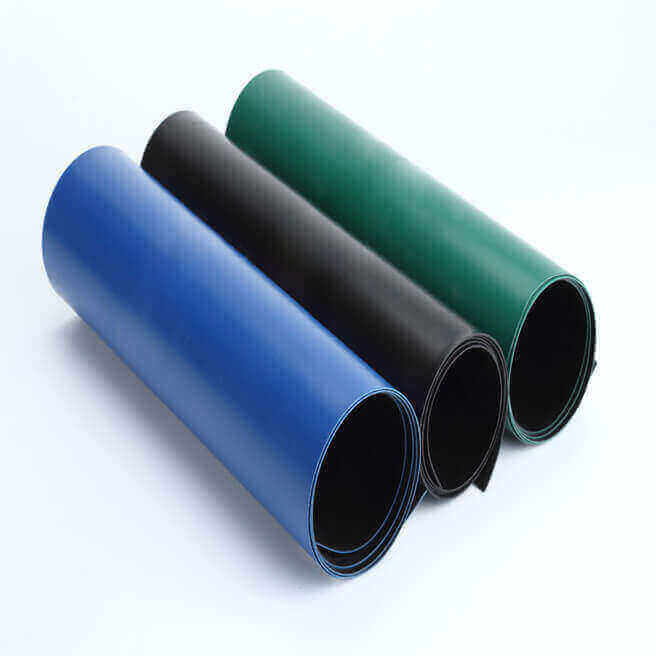

What are HDPE and PVC Pond Liners?
HDPE Pond Liners: HDPE liners are made from high-density polyethylene, a tough, durable plastic that’s ideal for various applications, including pond lining. These liners are known for their strength, UV resistance, and ability to withstand harsh environmental conditions. They also contain carbon black, which further boosts their durability and UV resistance.
PVC Pond Liners: PVC liners, on the other hand, are made from polyvinyl chloride, a synthetic plastic polymer. PVC liners are flexible and relatively easy to work with, which makes them a popular choice for small ponds. However, they aren’t as durable as HDPE and can degrade over time, especially under constant exposure to sunlight.


Differences Between HDPE and PVC Pond Liners
1. Material Composition and Safety
One of the most significant differences between HDPE and PVC pond liners is their composition and safety.
PVC Pond Liners: While PVC is a commonly used material, many PVC pond liners contain plasticizers to make them more flexible. Some of these chemicals can be harmful to aquatic life, especially in fish ponds. Certain PVC liners may even contain trace amounts of arsenic and other toxic chemicals, which can leach into the water and harm your fish and plants. Even though some PVC liners are marketed as “fish-safe,” the plasticizers used to maintain flexibility can still pose risks.
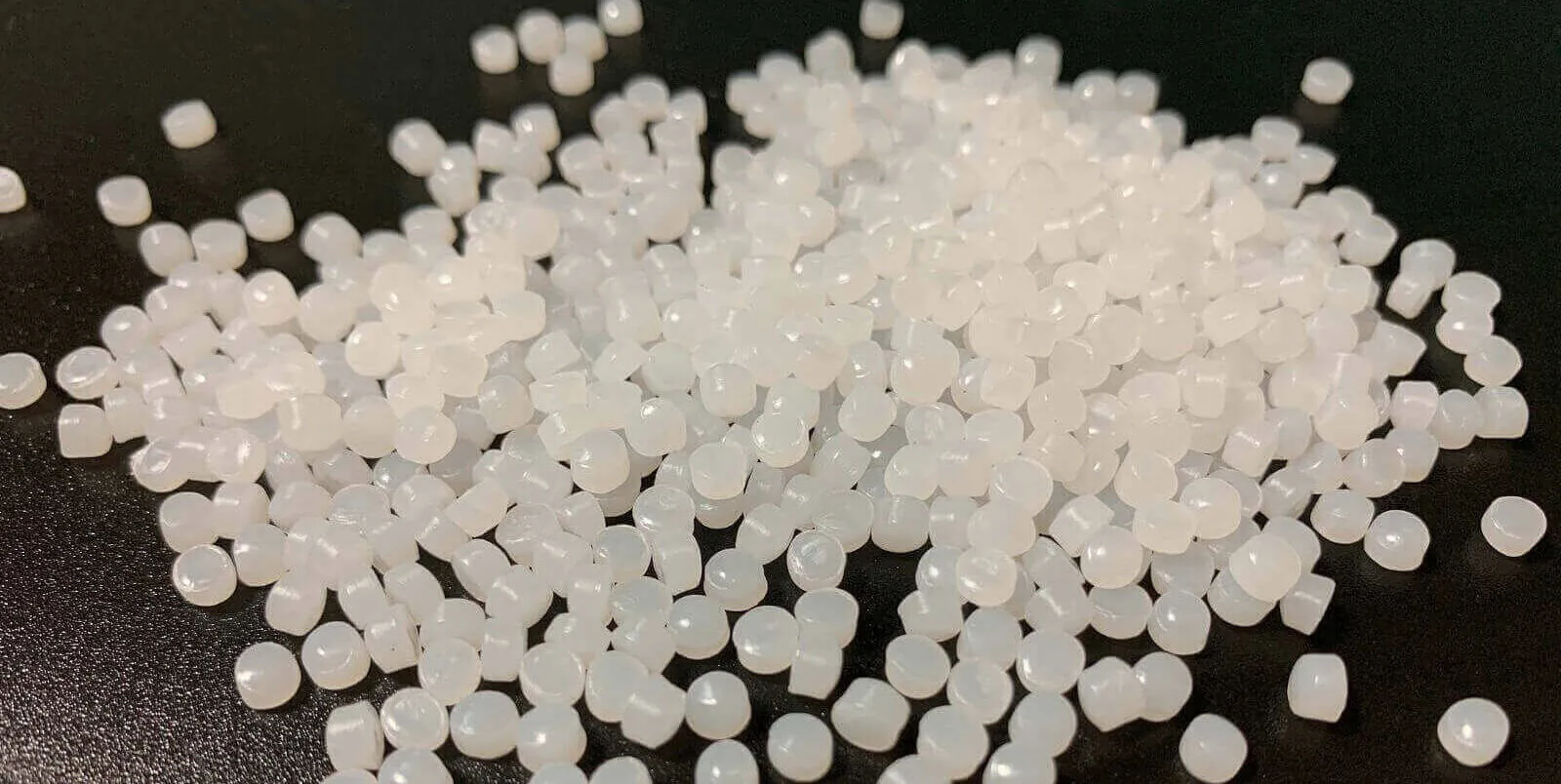
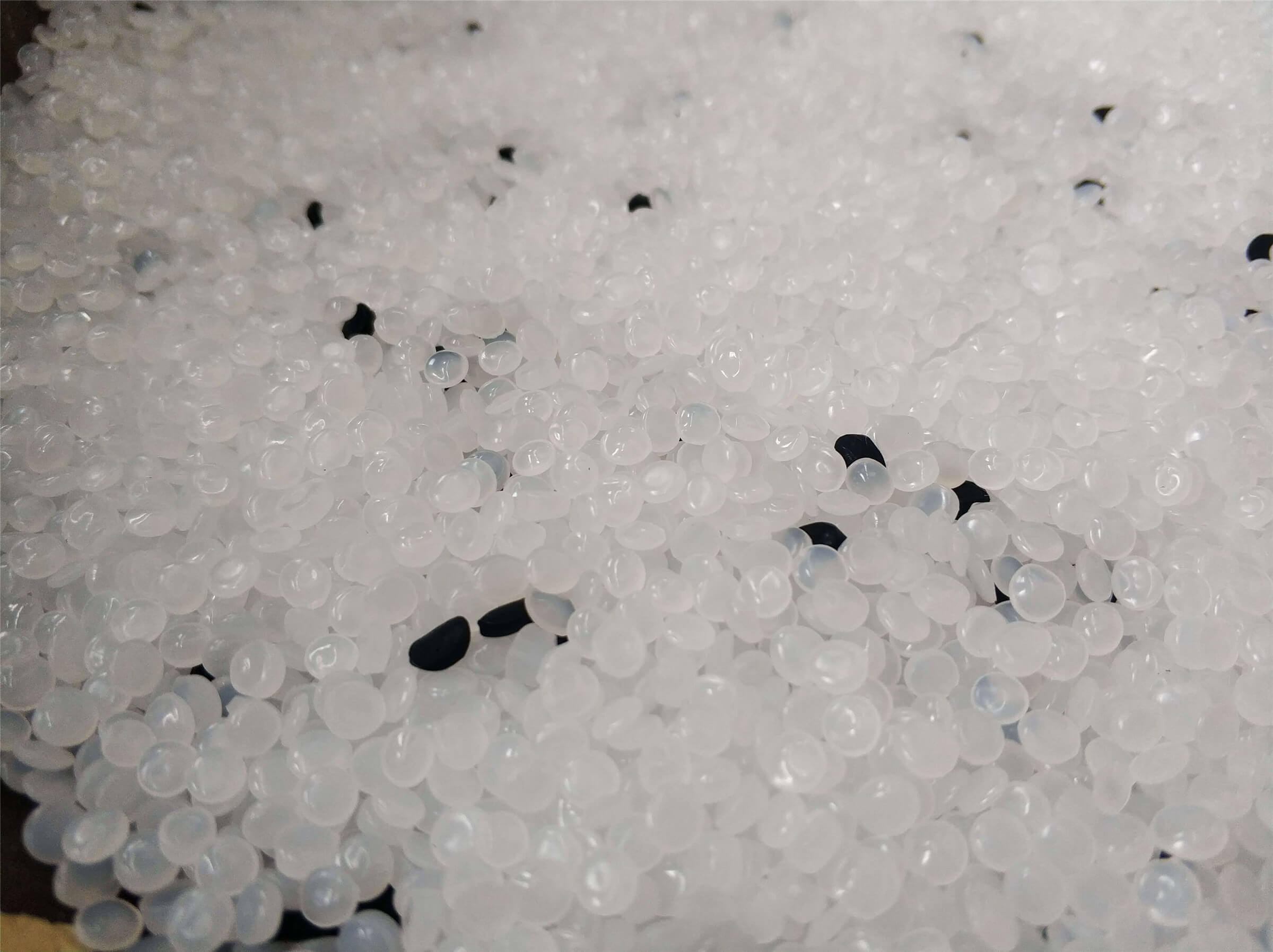
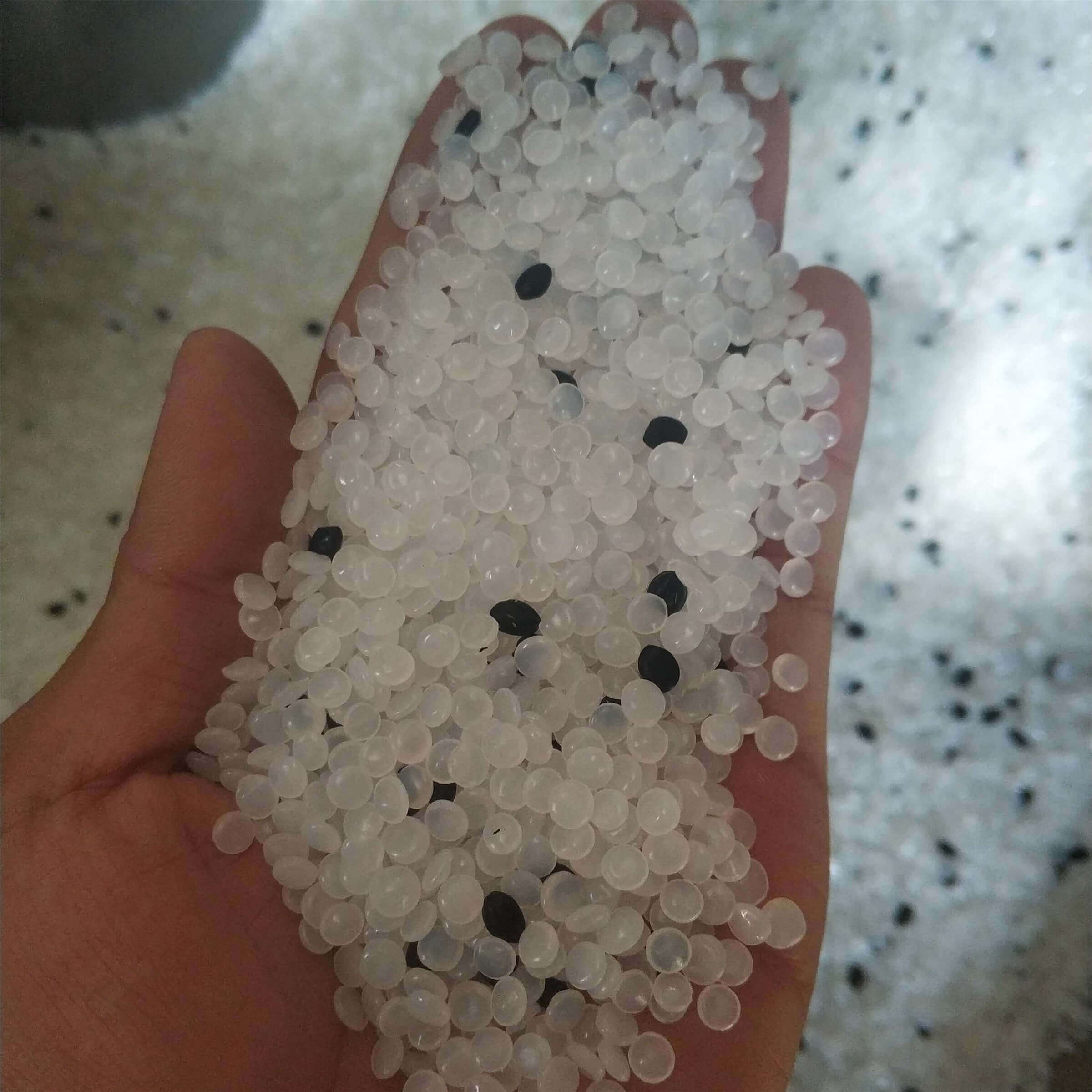
HDPE Pond Liners: HDPE, on the other hand, is made from 100% virgin material, with no recycled content. This means HDPE pond liners are completely non-toxic and safe for both fish and plants. In fact, HDPE is also used in drinking water pipes, which shows just how safe it is for environmental applications.
2. Durability and Strength
PVC Pond Liners: PVC liners are flexible, but they are also less durable than HDPE. They don’t handle UV radiation well, which means prolonged exposure to sunlight can cause them to degrade over time. As they age, PVC liners can become brittle, crack, and lose their ability to contain water effectively. This can lead to seepage and leaks, which is not ideal for pond applications.
HDPE Pond Liners: HDPE liners, on the other hand, are extremely durable. They are resistant to UV radiation, oxidation, and chemical reactions, making them ideal for outdoor use in all kinds of environments. HDPE is also puncture-resistant, meaning it’s much less likely to get damaged by rocks, roots, or other sharp objects. Plus, HDPE liners are welded, not glued, which means their seams are stronger and more reliable than PVC liners, reducing the risk of leakage.
3. Cost Considerations
PVC Pond Liners: PVC liners tend to have a lower initial cost compared to HDPE liners, making them seem like a more affordable option upfront. However, this cheaper price tag comes with a catch. Over time, PVC liners will need more maintenance and will likely require replacement sooner than HDPE liners. The degradation caused by UV exposure and the potential for leaks can make PVC liners a more expensive choice in the long run.
HDPE Pond Liners: While the upfront cost of HDPE liners is higher, they are much more cost-effective in the long run. HDPE liners can last for decades, with very little maintenance required. Because they are highly durable, UV-resistant, and have welded seams, you won’t have to worry about replacing or repairing them anytime soon. So, even though HDPE liners cost more initially, their longevity and durability make them a better investment in the long term.
4. Installation Process
PVC Pond Liners: Installing PVC liners is relatively easy, and they can be glued together to form seams. However, this method is not always ideal, especially in hot climates. The glue can weaken over time, especially when exposed to high temperatures, which can lead to seams failing and water leaking.
HDPE Pond Liners: HDPE liners are welded using specialized machines like hot-air or hot-wedge welding tools. The process of welding the seams creates a much stronger bond than gluing, and this is essential for ensuring a reliable and long-lasting pond liner. The welds are also more resistant to extreme temperatures and harsh conditions, which makes HDPE a better choice for larger, more demanding pond projects.


5. Long-Term Maintenance
PVC Pond Liners: PVC liners need a lot more attention over time. As they degrade and become brittle, they are more prone to tears, leaks, and punctures, requiring frequent repairs. If you’re using PVC for fish farming or other sensitive applications, you may need to monitor and maintain the liner more regularly.
HDPE Pond Liners: HDPE liners, however, are known for requiring little to no maintenance. Their welded seams are incredibly durable, and the material can withstand extreme weather conditions without breaking down. Once installed, you can largely forget about your HDPE pond liner and focus on other aspects of your pond project.
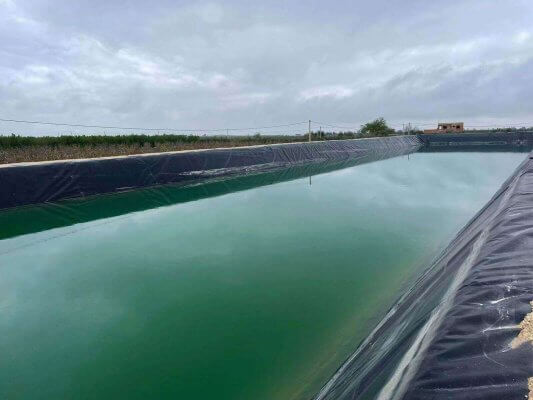
When it comes to choosing the right pond liner, HDPE is often the better option over PVC for several reasons. Not only is HDPE more durable, but it’s also safer for aquatic life, resistant to UV degradation, and cost-effective in the long run. While PVC liners might seem like a cheaper choice upfront, the long-term maintenance costs and the risk of degradation often make them a less attractive option.
Our company is the hdpe pond liner manufacturer and exporter with many years experience,can produce 0.3mm to 3mm thickness, max width is 10m, and color can be black blue and others. Our pond liners use 100% virgin material, which property meet and exceed the GB ASTM standard, and can have a long lifetime.
So, whether you’re building a fish pond, an irrigation pond, or even a larger water reservoir, choosing an HDPE pond liner will provide you with peace of mind and a long-lasting solution that will save you money and maintenance in the future.
Please follow our Linkedin, Facebook for more update, and welcome your inquiry!
Recent Post
Aquaculture Pond Lining in Indonesia | From Design to Installation
From Project Drawing to Water Filling: An Aquaculture Pond Lining Project in Indonesia This aquaculture pond project in Indonesia started with a project drawing.The customer firstly contacted us
When Is Geotextile Really Necessary?
When Is Geotextile Really Necessary in Civil Engineering Projects? Geotextiles are widely used in modern infrastructure and environmental engineering. However, a common question among engineers, designers, and contractors is: Is geotextile always necessary? In
Woven Polypropylene Geotextile Manufacturer | Engineering Grade & Landscape Fabric
Woven Polypropylene Geotextile Manufacturer | Engineering Grade & Landscape Fabric By Planetliner — Manufacturer of High-Performance Woven PP Fabrics for Global Projects Woven polypropylene geotextile has become a fundamental material in civil engineering, environmental protection,