What is High Density Polyethylene Pond Liner and application?
When it comes to constructing ponds, reservoirs, water tanks, and waste containment systems, the most important component is the lining material. There are many solutions, but the High Density Polyethylene (HDPE) pond liner has become the first choice for many engineers, project managers, and environmental contractors all over the world. As an experienced HDPE geomembrane manufacturer and installer in China, we could give you suggestions on the quality, cost-effectiveness, and reliable performance.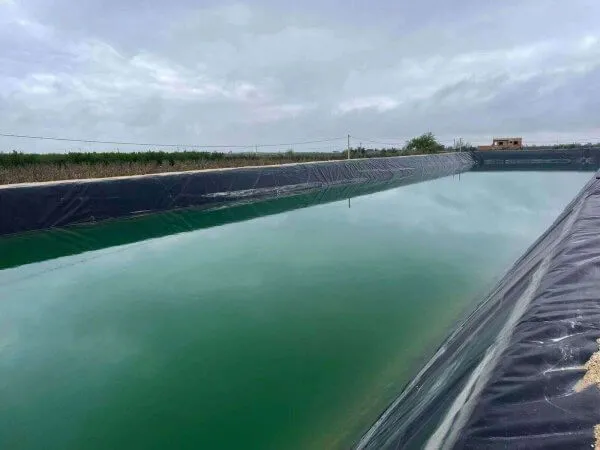
What is a High Density Polyethylene Pond Liner?
A High Density Polyethylene pond liner is an impermeable liner manufactured from specially formulated high-density polyethylene resin. This plastic material is engineered into large, seamless high density polyethylene rolls of varying thicknesses (measured in mils or millimeters)It is widely used in impermeable and containment applications, Its primary function is to create a highly effective barrier, preventing fluid loss or contamination in diverse applications. Due to its high chemical resistance, excellent durability, and low permeability, it is suitable for both freshwater and wastewater projects.
HDPE liners are available in various thicknesses, such as 20 mil, 30 mil, 40 mil, 60 mil, and even 80 mil, depending on the projects technical requirements. These liners are usually produced in HDPE rolls and welded on-site to form a continuous waterproof barrier.
Why Choose HDPE Geomembrane Liners?
1. Durability and UV Resistance
HDPE geomembrane liners are designed to withstand harsh environmental conditions. They resist degradation from UV rays, oxidation, and aggressive chemicals. For outdoor applications like fish ponds, landfills, or tailing dams, the UV resistance of HDPE is a major advantage over materials like PVC.
2. Cost-Effectiveness
Compared to other pond lining materials, HDPE liners offer long-term cost savings. The installation cost per square meter is low, and the material requires minimal maintenance over its lifespan. For large-scale projects, this becomes a critical economic factor.
3. Environmental Safety
Our HDPE membranes are manufactured according to international standards and are non-toxic, making them safe for aquaculture, drinking water reservoirs, and irrigation ponds. They comply with ISO, ASTM, and GB/T testing requirements.
4. Ease of Installation
HDPE liners can be heat-welded using automated equipment, forming strong seams that are 100% watertight. They are delivered in rolls to the project site and deployed quickly using standard machinery.
HDPE Liner Technical Specifications and Options
| Property | Specification Range |
|---|---|
| Thickness | 0.5 mm to 3.0 mm (20 mil to 120 mil) |
| Width | 1m to 8 m per roll,popular 5.8m 7m and 8m. |
| Length | Customized, 50m 100m ok |
| Color | Black (Standard), White, or Green |
| Surface Type | Smooth or Textured (HDPE texture for slopes) |
| Standard Compliance | ASTM GRI-GM13 |
Understanding HDPE liner specifications ensures optimal project success:
1.Thickness:
- 20 mil HDPE liner (0.5mm): Suitable for very light-duty, temporary applications, or secondary containment where puncture risk is minimal. Not typically recommended for primary pond lining.
- 30 mil HDPE liner (0.75mm): A popular choice for many standard pond liners, fish ponds, decorative water features, and irrigation ponds with stable, well-prepared subgrades. Offers a good balance of cost and performance .
- 40 mil HDPE liner (1.0mm): Provides enhanced durability and puncture resistance. Ideal for larger ponds, reservoirs, moderate landfill capping applications, and sites with slightly more challenging subgrades.
- 60 mil HDPE liner (1.5mm): Used for demanding applications like municipal/industrial waste containment (landfills, lagoons), large evaporation ponds, mining leach pads, and sites with higher potential for stress or puncture.
- 80 mil HDPE liner (2.0mm): Employed for the most critical containment projects, such as primary landfill liners, hazardous liquid impoundments, and extremely harsh environments requiring maximum strength and security.
2.Surface Texture: Enhanced Stability
- Smooth HDPE Liner: Standard surface, ideal for applications where maximum friction against the subgrade or cover isn’t the primary concern.
- Textured HDPE Liner (HDPE Texture): Features a specially engineered rough surface on one or both sides. This significantly increases interface friction, preventing slippage on slopes and enhancing stability when covered with soil or geotextiles. Essential for steep slopes, landfill caps, and canal linings.


3.Carbon Black & UV Stabilizers: All quality HDPE geomembranes incorporate a minimum of 2-3% premium carbon black and advanced UV stabilizers. It is essential for applications on steep slopes, such as in landfills and dams, where it provides stability and prevents the sliding of cover soils.
Common Applications of HDPE Liners
1. Aquaculture Fish and Irrigation Ponds
Whether for irrigation, aquaculture (fish/shrimp farming), decorative lakes, stormwater management, or fire reservoirs, HDPE lining provides a secure, leak-proof barrier. Its durability withstands wildlife, water movement, and environmental exposure far better than alternatives like clay or EPDM rubber.

2. Landfills and Solid Waste Containment
The high chemical resistance of HDPE membranes makes them suitable for landfill base liners, covers, and leachate ponds.Landfill liners (base and cap), leachate ponds, and anaerobic digesters rely on the chemical resistance and impermeability of HDPE geomembrane liner to protect groundwater and soil.
3. Mining Industry
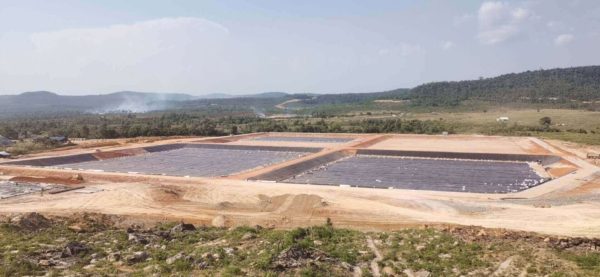
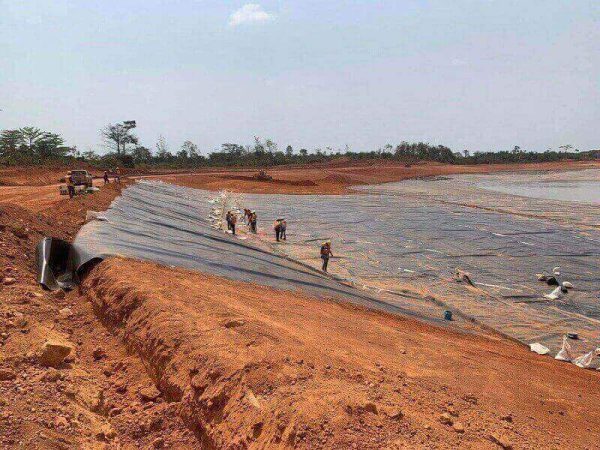
In mining operations, HDPE liners are used to line tailing ponds, heap leach pads, and process water storage areas. They resist exposure to acids and heavy metals.Heap leach pads, tailings ponds, process solution containment, and secondary spill containment use HDPE high property against harsh chemicals and mechanical stresses.
4. Water Tanks and Reservoirs
HDPE lining for water tanks ensures that potable water is not contaminated by soil or other environmental factors. It is a durable and clean option for large-capacity reservoirs.HDPE is the preferred geomembrane liner for potable water storage tanks, treatment plant basins, and industrial process tanks due to its inert nature, lack of leaching, and NSF certification potential. It ensures water quality integrity.

5. Wastewater Treatment Facilities
Municipal and industrial treatment plants use HDPE liners in sewage lagoons, bioreactors, and sludge drying beds.

6.Salt industry
Salt field anti-seepage geomembrane plays an important role in salt fields, mainly including preventing water and salt penetration in the soil, improving salt production and quality, preventing soil salinization and protecting the soil ecological environment, etc. 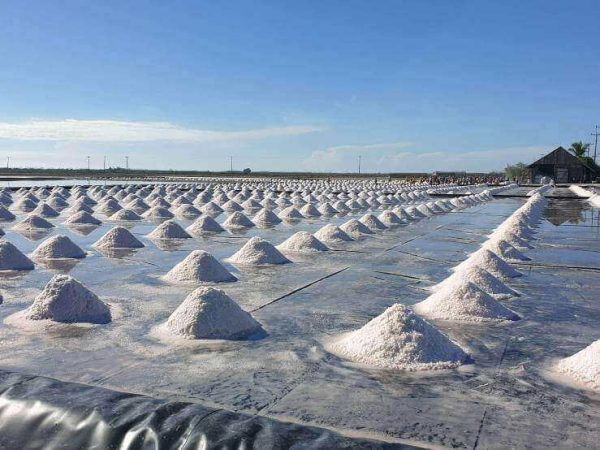
7.Root barrier
Root barrier membrane is mainly used to prevent plant roots from damaging buildings and roads, so that plant roots grow in a fixed area, thereby protecting the integrity of buildings and roads.
8.Landscape
HDPE membrane is also suitable for gardens: artificial lakes, rivers, reservoirs, golf course pond bottoms, slope protection, green lawn waterproofing and moisture-proofing, etc.

30mil fish pond liner
The Critical Role of HDPE Membrane Installation
Selecting the right HDPE membrane is only half the solution. Proper installation by certified professionals is paramount to achieving the designed performance and lifespan. Key steps include:
Subgrade Preparation: Creating a smooth, stable, compacted base free of sharp objects, rocks, roots, and voids is essential. Poor preparation is a leading cause of liner failure.
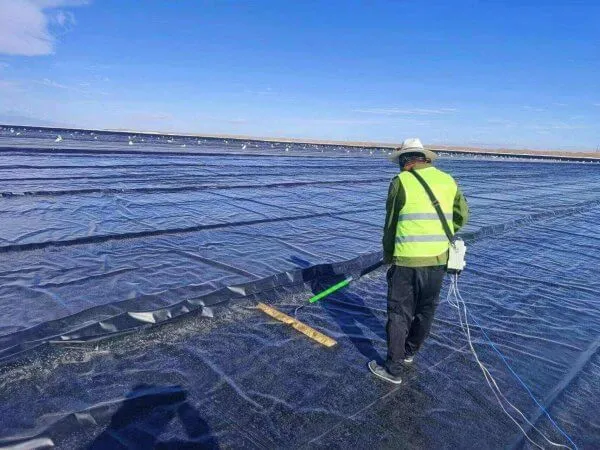
Laying roll &Welding: Unrolling high density polyethylene rolls requires care. Seams between panels are joined using specialized thermal fusion welding (dual-track hot wedge or extrusion). Certified welders and rigorous quality control (air channel testing, destructive testing) are non-negotiable for creating continuous, watertight seams.
Detail Work: Properly sealing around pipes, structures, and penetrations using boot details or custom fabricated elements.
Protection: Utilizing protective geotextiles above or below the liner where necessary (e.g., on rocky subgrades or under heavy cover soil).
Choosing Your HDPE Geomembrane Partner: Experience & Quality Assured
As a manufacturer and installer, we bring more than just HDPE liners to your project:
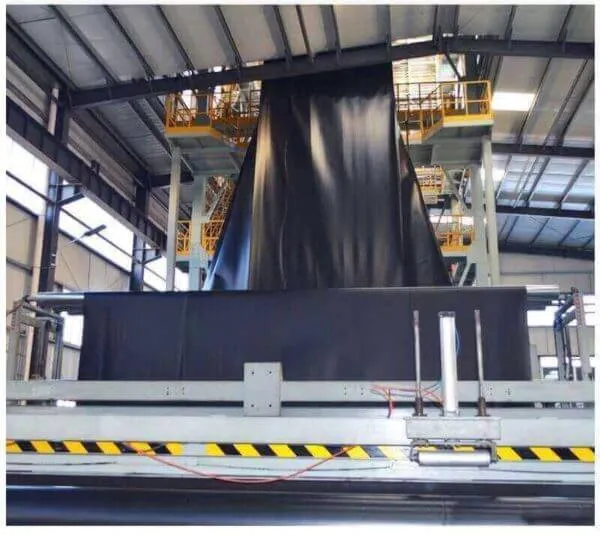
Strict Quality Control: Our high density polyethylene liner products consistently meet or exceed international standards like ASTM, GRI-GM13, and project-specific specifications. Raw material sourcing and manufacturing processes are rigorously controlled.
Global Project Experience: We possess extensive knowledge from supplying and installing HDPE liners and HDPE geomembrane solutions across diverse climates and challenging project sites worldwide. This translates into practical problem-solving ability.
Cost-Effectiveness: By controlling manufacturing and leveraging efficient project management, we deliver high-quality HDPE pond liners, HDPE membrane, and HDPE lining solutions at highly competitive prices without compromising on material integrity or installation expertise.
Comprehensive Service: From initial consultation and design support (including thickness/texture recommendations) to manufacturing, certified installation, and quality assurance testing, we offer a complete turnkey solution for high density polyethylene geomembrane projects.
Frequently Asked Questions
Q1: How long does an HDPE liner last?
A properly installed HDPE liner can last 20–50 years, depending on thickness, UV exposure, and usage conditions.
Q2: Can HDPE liners be repaired?
Yes, small damages can be repaired by hot wedge welding or extrusion welding techniques.
Q3: What is the best thickness for a pond liner?
30 mil: for decorative or backyard ponds
40–60 mil: for farm irrigation or fish farming
80 mil: for industrial or hazardous applications
Q4: Is HDPE better than PVC for pond lining?
Yes. HDPE is more UV resistant, has a longer service life, and is better for large-scale outdoor projects.
A High Density Polyethylene pond liner is a smart, reliable, and sustainable choice for a wide range of water containment applications. Whether you require a robust 60 mil HDPE liner for a landfill cell, a reliable 30 mil HDPE liner for a farm pond, a textured HDPE lining for water tank security, or a heavy-duty 80 mil HDPE liner for mining, HDPE geomembrane offers unparalleled performance and value. Its combination of durability, chemical resistance, impermeability, and proven longevity makes it the smart choice for critical containment applications worldwide.
If you are looking for a trusted HDPE liner supplier with manufacturing strength and on-site service experience, contact us today. We are here to support your next project with expert advice, high-quality products, and international delivery.Follow our Linkedin Facebook Youtube for more details!
Recent Post
Aquaculture Pond Lining in Indonesia | From Design to Installation
From Project Drawing to Water Filling: An Aquaculture Pond Lining Project in Indonesia This aquaculture pond project in Indonesia started with a project drawing.The customer firstly contacted us
When Is Geotextile Really Necessary?
When Is Geotextile Really Necessary in Civil Engineering Projects? Geotextiles are widely used in modern infrastructure and environmental engineering. However, a common question among engineers, designers, and contractors is: Is geotextile always necessary? In
Woven Polypropylene Geotextile Manufacturer | Engineering Grade & Landscape Fabric
Woven Polypropylene Geotextile Manufacturer | Engineering Grade & Landscape Fabric By Planetliner — Manufacturer of High-Performance Woven PP Fabrics for Global Projects Woven polypropylene geotextile has become a fundamental material in civil engineering, environmental protection,