
How to install the tree Root Barriers?
1. Introduction
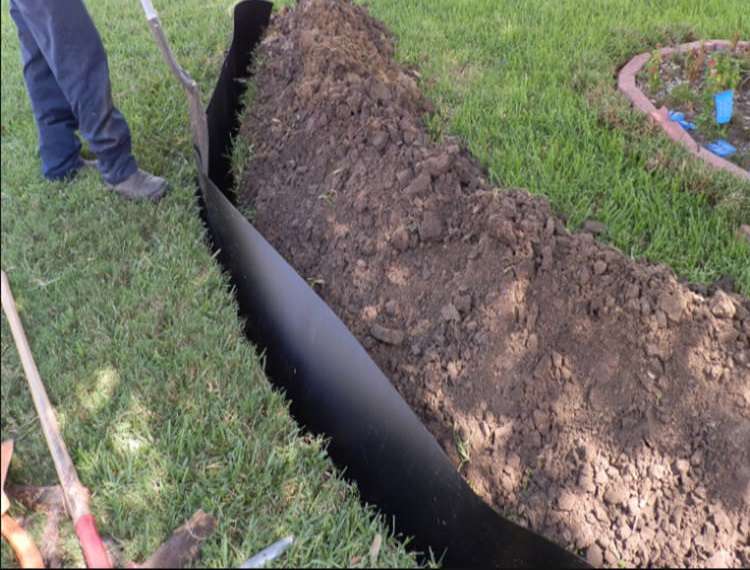
In the natrue, the tree roots are very powerful,they seek water, nutrients, and space, and they will break through sidewalks, foundations. So the tree root barrier becomes essential. It likes a protective shield, can stop root growth to protect nearby infrastructure and landscapes.
2. What Is a Root Barrier?
A root barrier is a physical or chemical system installed underground to prevent roots from extending to some areas. These barriers don’t kill roots but redirect them, keeping them away from foundations, sidewalks, driveways, underground utilities, and gardens.
They are typically used in both residential and commercial landscaping to control root spread and avoid costly damage.

3. How Long Do Root Barriers Last?
The lifespan of a root barrier depends mainly on the material, it’s made from and the environmental conditions. Here’s a compare of the most common plastic root barrier materials and their average lifespans:
| Material Type | Average Lifetime | Characteristics |
|---|---|---|
| HDPE/High density polyethylene | 50-100years | Durable,chemcial-resistant,ideal for long term use |
| Polypropylene | 30-50years | flexible and moderately strong |
| PVC/Polyvinyl chloride | 20-40years | less durable than HDPE,but more affordable |
| Biodegradable barriers | 1-5years | good for temporary landscaping uses |
For long-term and heavy-duty applications, HDPE root barriers are often the best choice. They offer exceptional durability and resistance to environmental stressors like moisture, soil acidity, and temperature changes.
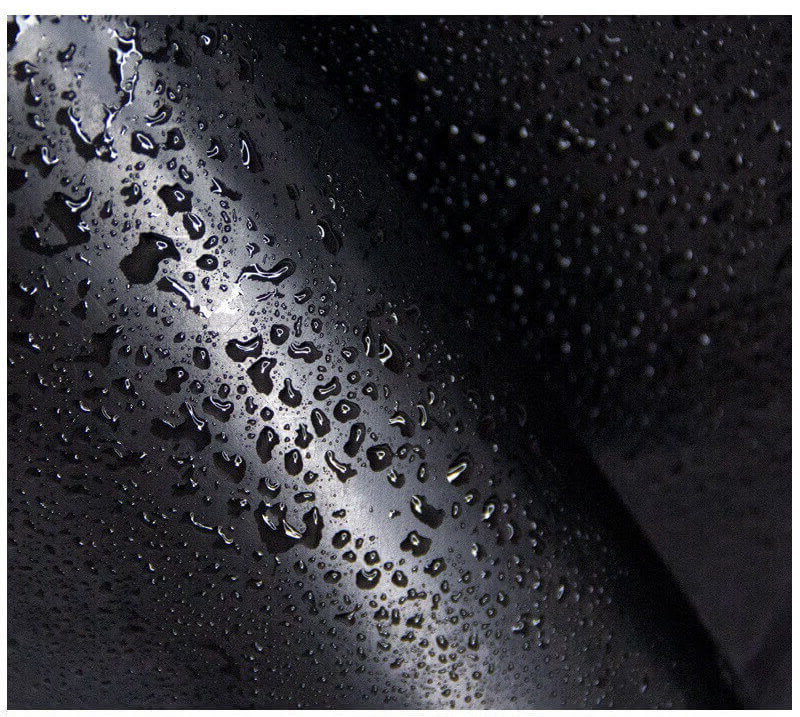
Our HDPE geomembrane use the 100% virgin new material, the property of the hdpe barriers are excellent,has a high strength and punch resistant,waterproof and chemical resistant,which can help the barrier to have a nice result.
Our HDPE Geomembrane has Good Properties as Follows:
Wide working temperature range: -70℃ to +110℃
Good Chemical and corrosion resistance,
High tensile strength and elongation property.
Easy installation for the seepage control projects
With carbon black inside which has great aging resistance, the service time can last 50 years to 70 years

4. Benefits of Using a Root Barrier
Installing a root barrier brings many benefits, including:
- Prevents structural damage: Protects buildings, roads, and others from being damaged by growing roots.
- Reduces maintenance costs: No need to trip root often or repair of damaged infrastructure.
- Environmentally friendly: Redirects the roots rather than harms roots, tree health is keeped.
- Improves landscape control: Help to manage nice root systems, especially with aggressive roots like bamboo.

5. Types of Root Barriers
A. Solid Root Barriers
These are thick, rigid sheets made from HDPE or similar plastic materials. They can block root growth completely and are excellent for long-term structural protection.
B. Permeable Root Barriers
Made from woven fabrics or geotextiles, these barriers allow water and air to pass through while redirecting roots. They are ideal for areas needing soil health preservation.
C. Chemical Root Barriers
These barriers release root-inhibiting chemicals into the soil. While effective, they are usually short-term and used in specific situations.
D. Biodegradable Root Barriers
Designed for temporary applications, these barriers degrade over time, making them suitable for seasonal gardens or new tree plantings.
6. Where Should You Install Root Barriers?
Root barriers can be installed in various locations depending on the risk and type of plants:
- Along property lines to prevent tree encroachment
- Near building foundations to protect structural integrity
- Around driveways and walkways to stop root lifting
- Surrounding utility lines and septic systems
- Around landscape features such as flower beds or vegetable gardens

7. Tips for Root Barriers root barrier installation
Proper installation ensures your root barrier performs effectively and lasts as long as possible. Here are a few key tips:
- Depth : Most root barriers should be installed at a depth of at least 24 to 48 inches (60 to 120 cm) depending on the tree types.
- Angle the barrier: Position the barrier with a slight outward tilt to guide roots down and away from protected areas.
- Smooth surface facing the roots: This makes it harder for roots to grip and penetrate the barrier.
- Overlap panels: If using multiple sheets or panels, make sure they overlap to prevent root penetration between seams.
8. Choosing the Right Root Barrier
When selecting a root barrier, consider the following factors:
- Lifetime needed: For permanent structures, choose HDPE. For temporary gardens, biodegradable options may be sufficient.
- Soil type: Heavier soils may require stronger, thicker barriers.
- Root types: Trees like bamboo or poplar require high-strength barriers.
- Installation budget: PVC and polypropylene are more affordable than HDPE but may require earlier replacement.

9. Maintenance and Inspection
Although most root barriers are low-maintenance, often inspections can help ensure longevity:
Check for root breaching, especially near seams
Inspect for damage from digging or weather-related shifts
Repair or replace damaged sections promptly
10. Common Mistakes to Avoid
Shallow installation: Roots can easily grow under barriers that aren’t deep enough.
Poor overlap: Gaps between sheets or panels allow root intrusion.
Wrong material for the job: Using biodegradable barriers where HDPE is needed will result in failure.
Installing too close to tree trunks: This can harm tree health and reduce barrier effectiveness.
A root barrier is a smart investment for anyone managing trees near infrastructure. By choosing the right material and installing it correctly, you can prevent costly damage, reduce maintenance, and protect your landscape for decades.
For long-term use, HDPE root barriers offer the best performance. Please follow our Linkedin, Facebook for more details.
Recent Post
Aquaculture Pond Lining in Indonesia | From Design to Installation
From Project Drawing to Water Filling: An Aquaculture Pond Lining Project in Indonesia This aquaculture pond project in Indonesia started with a project drawing.The customer firstly contacted us
When Is Geotextile Really Necessary?
When Is Geotextile Really Necessary in Civil Engineering Projects? Geotextiles are widely used in modern infrastructure and environmental engineering. However, a common question among engineers, designers, and contractors is: Is geotextile always necessary? In
Woven Polypropylene Geotextile Manufacturer | Engineering Grade & Landscape Fabric
Woven Polypropylene Geotextile Manufacturer | Engineering Grade & Landscape Fabric By Planetliner — Manufacturer of High-Performance Woven PP Fabrics for Global Projects Woven polypropylene geotextile has become a fundamental material in civil engineering, environmental protection,