
Advantages of Polyethylene Pond Liner as an Impermeable Liner
An impermeable liner is an engineered barrier designed to stop water from leaking into the ground. In pond construction, agriculture, aquaculture, landfill,mining, and landscaping, impermeable liners are widely used to control water flow and protect the surrounding environment. Among the many options, the polyethylene pond liner is a type of geomembrane liner known for its high strength, long lifespan, and cost-effectiveness.
As a manufacturer and exporter of Polyethylene liner, we have the HDPE and LLDPE produciton equipements, can produce 8m width liner rolls.And the surface can be smooth or textured, the color can be customized.
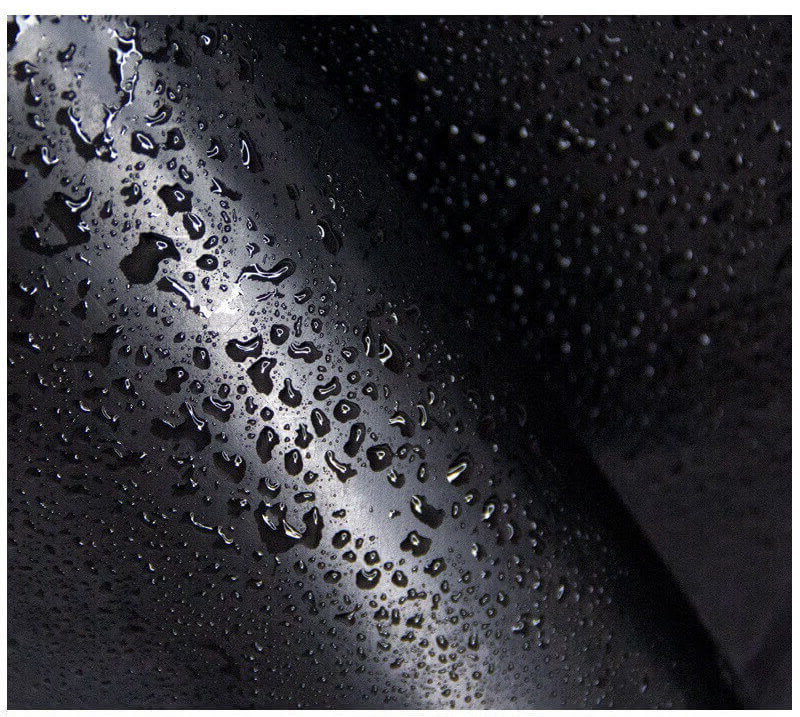
1. What Is an Impermeable Liner?
An impermeable liner is a sheet of material that does not allow liquids to pass through. In water ponds and reservoirs, it creates a sealed layer between water and soil, preventing seepage and water loss.
Polyethylene pond liners are a type of impermeable geomembrane liner made from high-quality polyethylene resin. They can be manufactured as high-density polyethylene (HDPE) liners or reinforced polyethylene (RPE) liners, both offering excellent water retention and durability.

2. Excellent Waterproof Impermeable ability of the pond liner
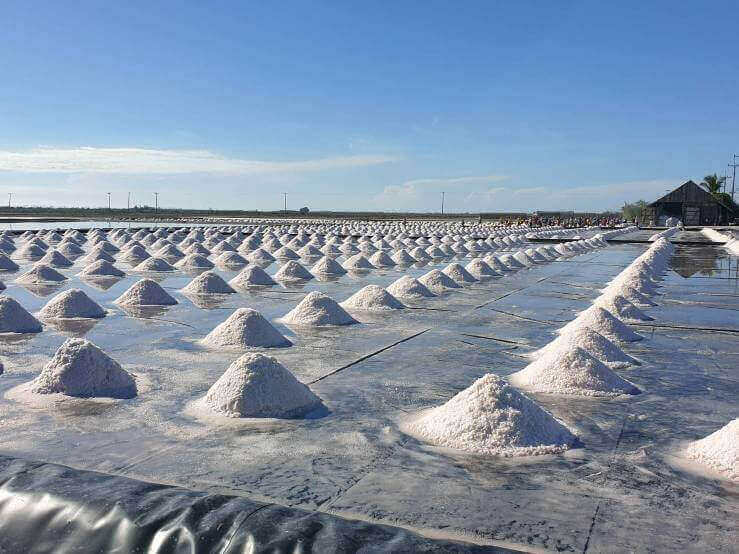
The most important job of an impermeable liner is to hold water where it is needed. Polyethylene pond liners have a dense molecular structure that prevents water penetration. This property makes them perfect for koi ponds, irrigation ponds, aquaculture systems, stormwater retention basins, and rainwater harvesting projects.
By using a fish-safe impermeable liner, pond farmers can reduce water loss, conserve resources, and protect the ecosystem.

3. High Strength and Puncture Resistance of the hdpe liner
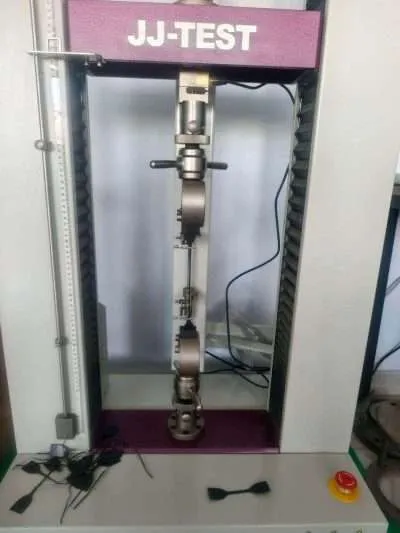
A high-quality polyethylene liner is tear-resistant, puncture-resistant, and stretch-resistant. These features are very necessary when the liner is in contact with sharp stones, roots, or heavy equipment. HDPE impermeable liners, in particular, have outstanding tensile strength and can withstand soil movement and heavy water loads.
This makes them a preferred choice for both small backyard ponds and large industrial reservoirs.
Our HDPE lining can meet and exceed the ASTM standard, pass the SGS TRI test.

4. UV and Weather Resistance of geomembrane liner
An UV resistant geomembrane liner is necessary for outdoor ponds exposed to sunlight. Polyethylene pond liners are UV-stabilized, preventing rapid aging under strong sun. They also stay flexible in cold weather, resisting cracks even at freezing temperatures.
This combination of weather resistance and impermeable performance allows them to perform well in tropical, desert, and cold-climate projects.
Our high quality pe pond liner lifetime is 10years under sunshine,and normal quality can use 3-8years.

5. Safe for Aquatic Life of tank liner
A major advantage of polyethylene pond liners is that they are non-toxic and fish-safe. They contain no harmful chemicals that could leach into the water. This makes them suitable for koi ponds, ornamental water features, and aquaculture farms.Our PE pond liner use the 100% virgin raw material,it is clean for the fish, no chemical no pollution.
A smooth-surface impermeable liner also helpful for build-up and makes cleaning easier.

6. Flexible and Easy to Install impermeable liner
Polyethylene geomembrane liners can be manufactured in custom sizes and shapes. They are available in large prefabricated panels to minimize seams during installation. Flexible RPE liners are lightweight and easy to handle, making them faster to position compared to many other impermeable liners.
For long-term water containment, seams can be heat-welded to create a continuous waterproof layer.
7. Low Maintenance and Long Service Life of the pe liner
A polyethylene pond liner requires minimal maintenance once installed. Regular inspections to remove debris and prevent punctures will help extend its service life.
With proper care, a polyethylene impermeable liner can last 15 to 40 years, offering a very low life-cycle cost compared to alternative pond sealing methods.
8. Many Applications of polyethylene liner
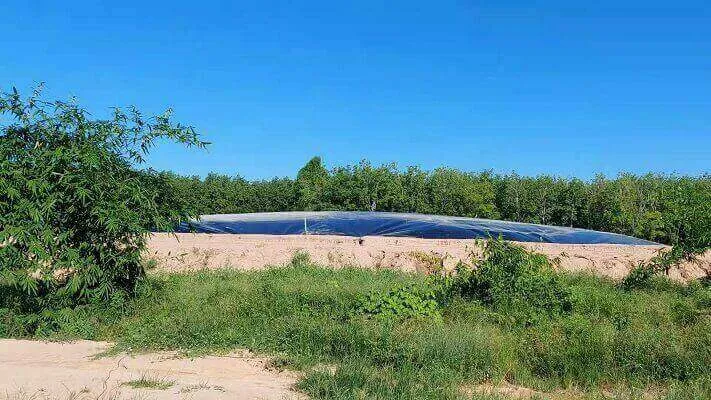
The use of polyethylene impermeable liners extends beyond garden ponds:
Irrigation ponds for agriculture
Fish farming ponds for aquaculture
Industrial water containment systems
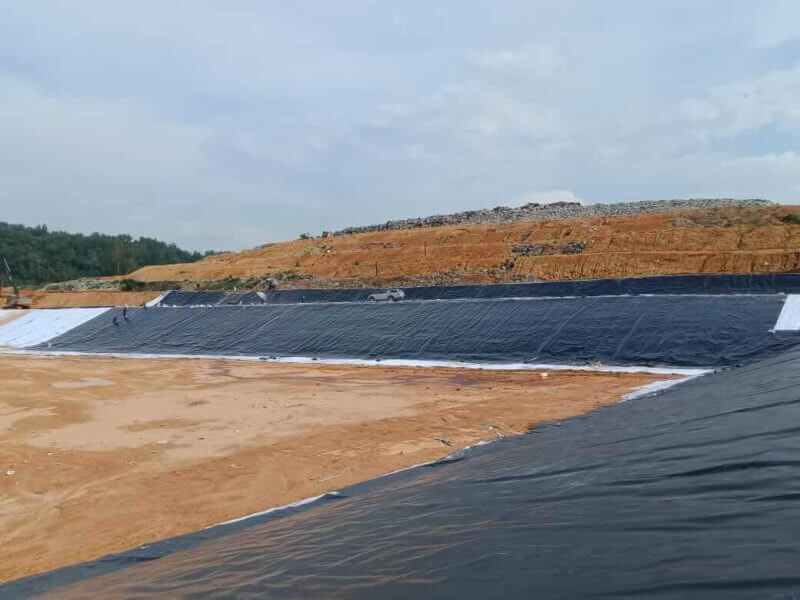
Landfill geomembrane liners for leachate control
Mining tailings ponds and waste storage
Stormwater retention basins
Rainwater harvesting systems
This versatility makes them a top choice for engineers, farmers, landscapers, and environmental managers.
Summary Table of Advantages
| Feature | Benefit |
|---|---|
| Impermeable barrier | Prevents water leakage and soil contamination |
| Puncture and tear resistance | Handles rough ground and heavy water loads |
| UV and weather resistant | Works in all climates without rapid degradation |
| Fish-safe and non-toxic | Protects aquatic life and plants |
| Flexible and easy installation | Fits ponds of any size or shape |
| Long service life | Reduces replacement costs and maintenance efforts |

Frequently Asked Questions (FAQ)
1. How does a polyethylene pond liner work as an impermeable liner?
It creates a sealed waterproof layer that blocks seepage and keeps water inside the pond or reservoir.
2. Is polyethylene liner safe for fish and plants?
Yes. A fish-safe polyethylene impermeable liner is non-toxic and safe for aquatic life.
3. What thickness is best for a pond liner?
Small ponds can use 0.75 mm to 1 mm, while larger ponds and industrial projects benefit from 1.5 mm 2mm or thicker for added strength.
4. Can polyethylene liners be used in extreme climates?
Yes. UV resistance and temperature flexibility make them suitable for both very hot and freezing environments.
5. How long can a polyethylene impermeable liner last?
With proper installation and care, it can last 15 to 40 years or longer.
6. Do I need an underlayment?
An underlayment is recommended on rough or rocky surfaces to protect the liner from punctures.
7. Can a polyethylene liner be repaired?
Yes. Heat welding or patching can be used to repair small holes or tears.
A polyethylene pond liner is more than just a plastic sheet. As a durable, flexible, and eco-friendly impermeable liner, it offers reliable long-term water retention for ponds, reservoirs, and many other containment systems. Its ability to resist punctures, handle harsh weather, and remain safe for aquatic life makes it one of the most trusted choices in the world of geomembrane liners.
When chosen and installed correctly, this liner can protect your water feature or storage system for decades with minimal maintenance.Follow our linkedin, facebook, youtube, and Ins for more informations!
Recent Post
Aquaculture Pond Lining in Indonesia | From Design to Installation
From Project Drawing to Water Filling: An Aquaculture Pond Lining Project in Indonesia This aquaculture pond project in Indonesia started with a project drawing.The customer firstly contacted us
When Is Geotextile Really Necessary?
When Is Geotextile Really Necessary in Civil Engineering Projects? Geotextiles are widely used in modern infrastructure and environmental engineering. However, a common question among engineers, designers, and contractors is: Is geotextile always necessary? In
Woven Polypropylene Geotextile Manufacturer | Engineering Grade & Landscape Fabric
Woven Polypropylene Geotextile Manufacturer | Engineering Grade & Landscape Fabric By Planetliner — Manufacturer of High-Performance Woven PP Fabrics for Global Projects Woven polypropylene geotextile has become a fundamental material in civil engineering, environmental protection,