
Why Choose HDPE Geomembranes for Lake liner?
Water is our most precious resource in our life. For any water containment project,from a decorative lake to a large szie agricultural reservoir, it it very important to prevent leakage. Water loss through seepage is costly and environmentally damaging. So whether you are building a fish pond liner, an irrigation reservoir liner, a secure lagoon liner for wastewater, or a large dam liner, the impermeable barrier is necessary.
As a leading manufacturer and global exporter with 10+years experience in the geomembrane industry, our hdpe geomembrane have finished many successful water containment projects.
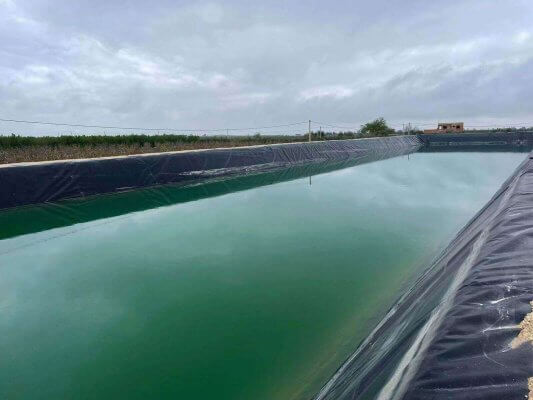
What is an HDPE Liner and Why is it the first Choice?
An HDPE geomembrane is a synthetic lining material made from polyethylene resins. Its molecular structure make it waterproof impermeable , and high break strength,so it can suit many different projects, and have a long lifetime.
Key Advantages of HDPE Lake Liners:
- Impermeability: HDPE is 100% impermeable. This core feature ensures that water stays exactly where you want it, preventing leakage and saving resources.
- Durability: HDPE liners offer excellent resistance to UV radiation, harsh chemicals, and punctures from rocks or roots,even extreme temperatures(-50°C to +70°C),so can have a longer service life with minimal maintenance.
- Cost Effectiveness: While the initial cost of hdpe geomembrane might be high,but considering the long term use, HDPE pond liner is excellent. With a design life of normal 20 years, its durability reduces the need for future repairs or replacements, can low the project cost.
- Safe and Environmentally: We manufacture our liners from 100% virgin HDPE resin. They are non-toxic(can meet NSF-61), and safe for aquatic life, so it is perfect choice for aquaculture and decorative pond liner projects.
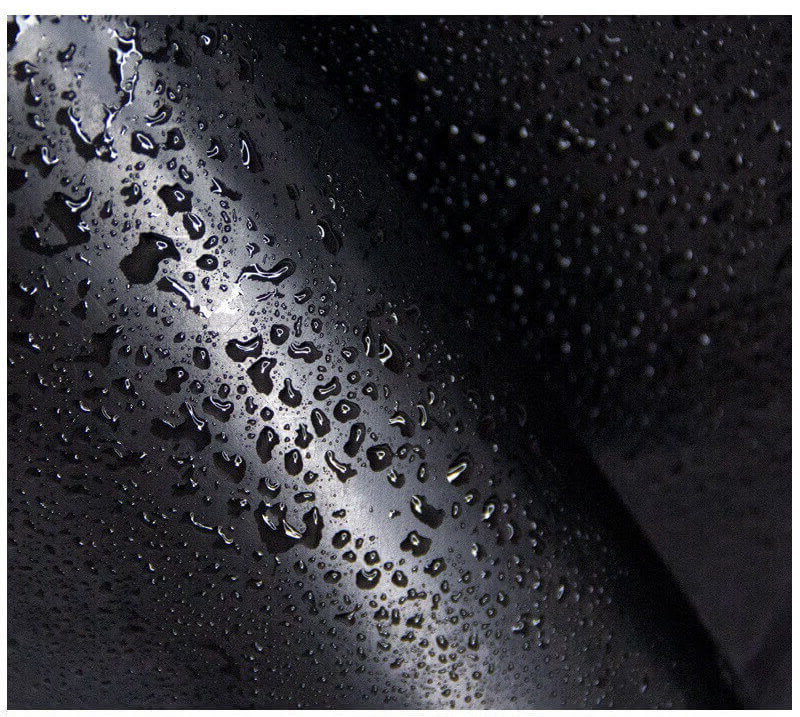

Technical Specifications of Lake liners
- Thickness (0.5mm – 3.0mm): The right thickness depends on the application. A decorative garden pond liner might use a 0.75mm -1mm liner, while a deep reservoir liner or dam liner would require a thicker( 1.5mm or 2.0mm) to handle higher water pressure and mechanical stress. You can tell me your project application and size, we help to choose the best thickness for you.
- Mechanical Strength: HDPE has high tensile strength (> 20 MPa), tear resistance (> 93 N/mm), and CBR puncture resistance (> 2500 N) withstand installation stresses and long-term loadsand,
- Flexibility: with an elongation rate often exceeding 700%. so the hdpe liner can stretch and adapt to ground settling or shifting without tearing.
- Environmental : With a wide operational temperature range (from -50°C to +70°C), HDPE liners perform reliably in climates from frozen areas to hot deserts.
More Applications: More Than Just Lakes
The strength and reliability of HDPE make it the ideal solution for a big range of containment applications.
- Pond Liners (Decorative, Koi, Stormwater Ponds): Create beautiful, stable water features. Our liners prevent leaks, resist root penetration, and are safe for fish and plants. The thickness 0.75mm and 1mm are good.
- Aquaculture: The non-toxic and Anti-UV of HDPE liners makes them perfect for fish and shrimp farming, preventing disease transmission from the soil and maintaining water quality. The thickness 0.5mm 0.75mm and 1mm are good.
- Reservoir Liners (Potable Water, Irrigation, Fire Suppression): Securely contain vital water resources. Our liners meet stringent health and safety standards (NSF-61) and ensure minimal loss.
- Lagoon Liners (Agricultural, Industrial Wastewater, Anaerobic Digesters): Safely contain aggressive liquids and biogas. Our HDPE offers exceptional chemical resistance crucial for these demanding environments.The thickness 1mm 1.5mm and 2mm are good.
- Dam Liners & Canal Liners: Provide critical seepage control for earthen dams, tailings dams, and irrigation channels, enhancing structural integrity and safety.
- Landfill Liners & Caps (Base & Final Cover)Mining liner: The industry standard for primary and secondary containment, protecting soil and groundwater from leachate.

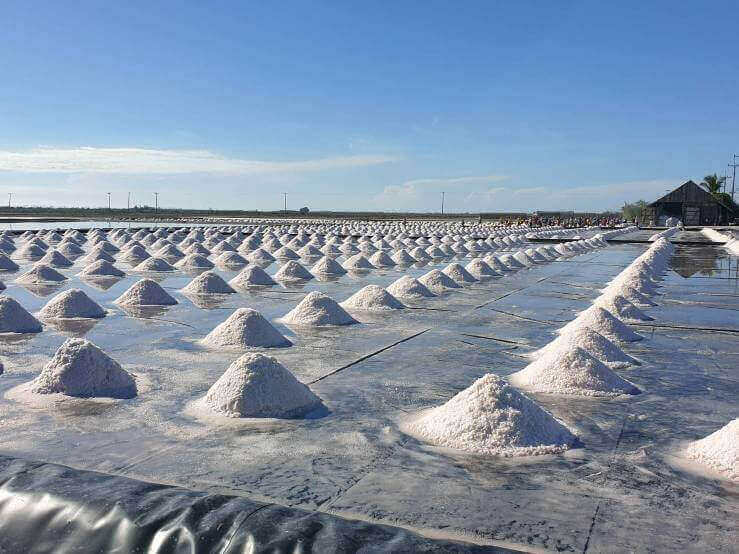
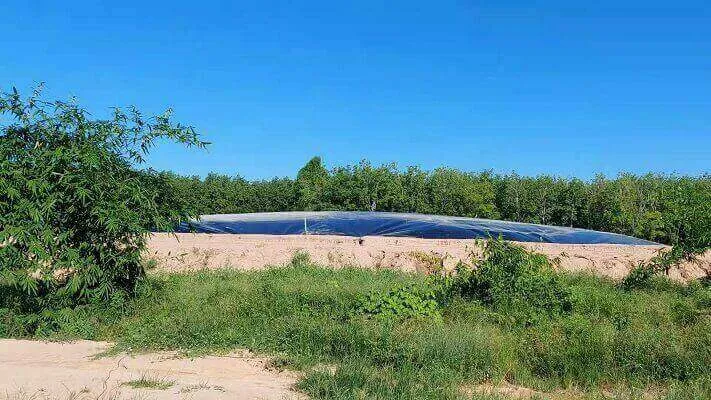
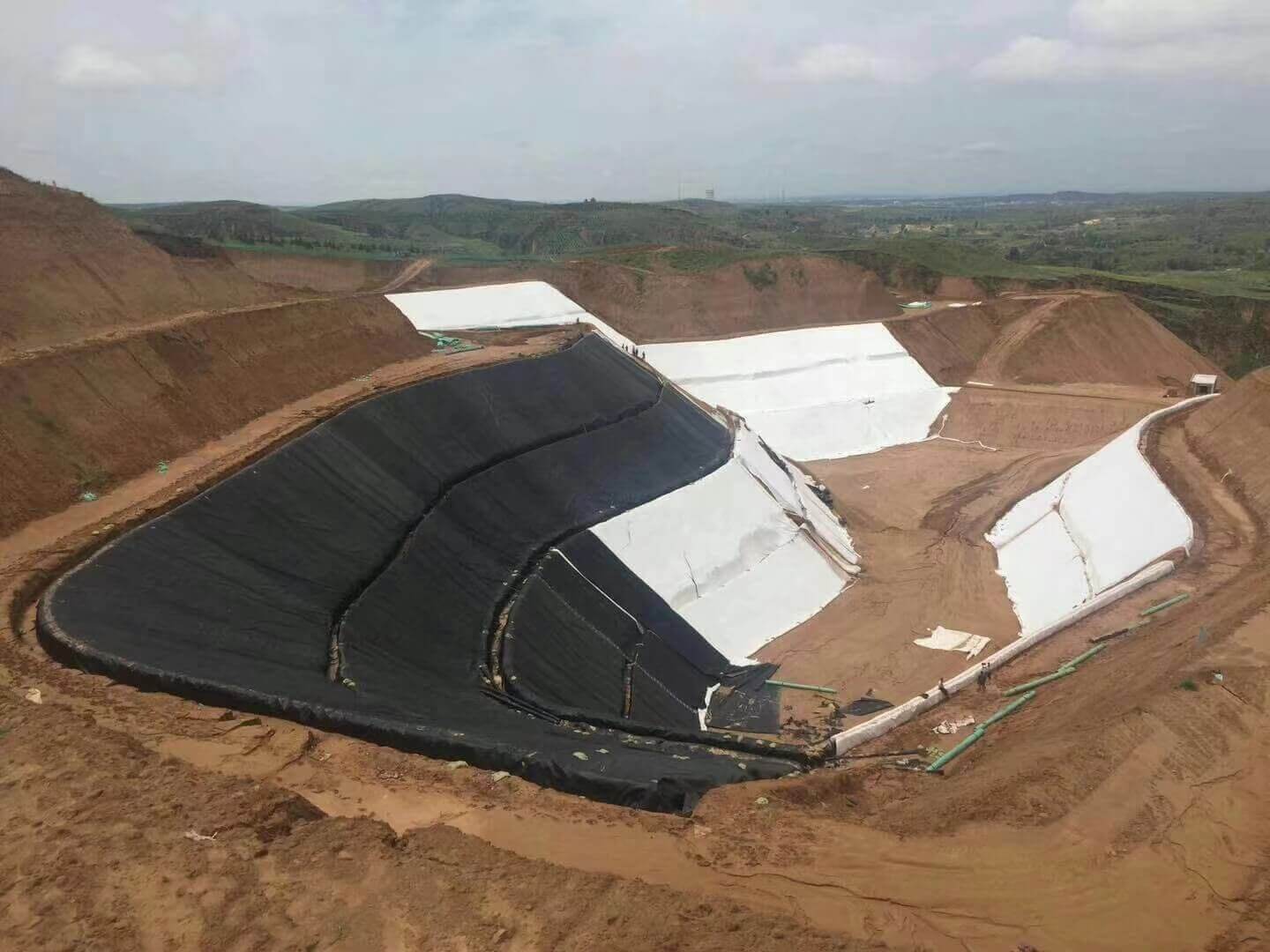
Installation and Quality Control
A superior product need a professional installation. The long term performance of any liner system depends on proper installation techniques.
- Site Preparation: The ground surface must be smoothed, compacted, and no any sharp objects like rocks or roots branchs. Some clients would use a protective geotextile layer at bottom to protect the liner.
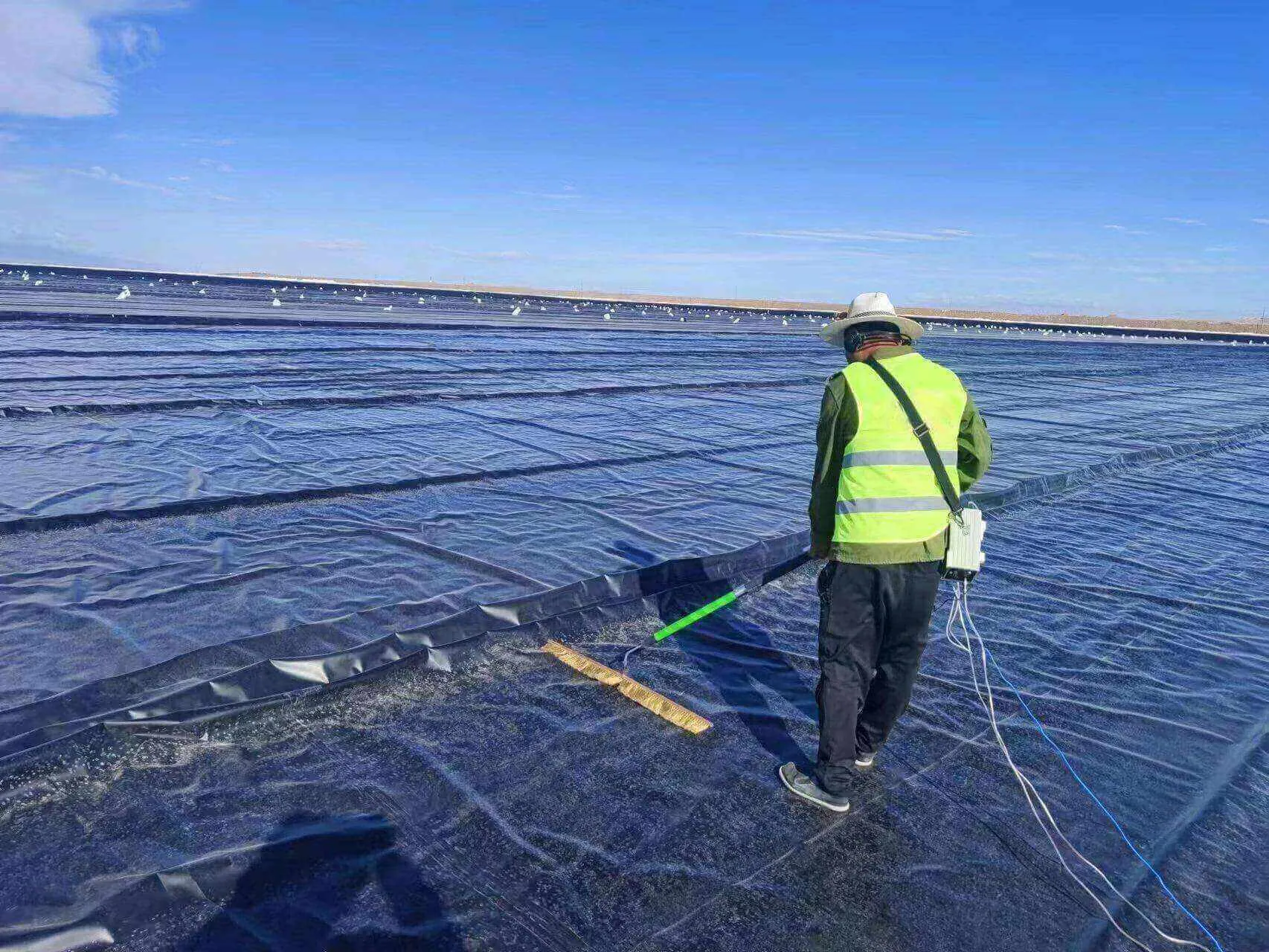
- Welding: HDPE sheet are joined using thermal fusion welding,hot wedge welding machine and extrusion welding machine. This process uses specialized equipment to melt the edges of the two liners and join them. The overlap seam seam is as strong as the material itself.
- Quality Control: Every weld must be tested to ensure its integrity. Methods like air pressure testing and vacuum box testing are used on-site to guarantee a completely sealed system.

Beyond the Product: Expertise & Support You Need
As an experienced exporter, our products are manufactured to meet and exceed the international standards, including ASTM GRI GM13 standard. Our professional industry experience can help you more on projects:
- Expert Technical Support: Our technical team helps you select the best suitable HDPE liner thickness and specification for your pond liner, lake liner, dam liner, lagoon liner, or reservoir liner project, considering site conditions and regulations.
- Precise Manufacturing: Liners are produced to exact project dimensions (standard widths 6m-9m), minimizing field seams and potential leak points.
- Comprehensive Installation Support: We offer detailed installation guidelines and can connect you with qualified installation crews experienced in best practices like proper welding (dual hot wedge, extrusion) and seam testing (air lance, vacuum).
- Quality Assurance: Rigorous factory quality control ensures you receive a consistently high-performing product.
- Global Logistics: Efficient shipping solutions for projects anywhere in the world.
- Reliable Warranty: Backed by strong, project-specific material warranties for your peace of mind.


FAQs: Your HDPE Liner Questions Answered
Q: How long does an HDPE pond liner last?
A: There are different quality hdpe pond liner, the lifetime 3-50years. The bad quality one 1-3years, the 100%virgin material 3-10years, and ASTM GRI GM13 standard 10-50years.
Q: Is HDPE safe for fish and shrimp in ponds?
A: Yes Absolutely. Our hdpe use 100%virgin resin, it is non-toxic, perfectly safe for fish, plants, and aquatic life.
Q: Can HDPE liners handle freezing temperatures?
A: Yes. HDPE retains excellent flexibility and impact resistance down to -50°C, making it ideal for reservoir liners and dam liners in cold climates.
Q: What if the liner gets damaged during installation?
A: HDPE liner can be repairable by welding techniques (hot air machine,extrusion welding).
Choosing the right liner is an important decision that impacts the lifetime, safety, and cost effectiveness of your project. With our company professional experience, you could save time and cost.
Contact us today for a quote or expert technical advice on your next HDPE liner project. Let our experience be your foundation.Follow our Linkedin Facebook for more informations!
Recent Post
Aquaculture Pond Lining in Indonesia | From Design to Installation
From Project Drawing to Water Filling: An Aquaculture Pond Lining Project in Indonesia This aquaculture pond project in Indonesia started with a project drawing.The customer firstly contacted us
When Is Geotextile Really Necessary?
When Is Geotextile Really Necessary in Civil Engineering Projects? Geotextiles are widely used in modern infrastructure and environmental engineering. However, a common question among engineers, designers, and contractors is: Is geotextile always necessary? In
Woven Polypropylene Geotextile Manufacturer | Engineering Grade & Landscape Fabric
Woven Polypropylene Geotextile Manufacturer | Engineering Grade & Landscape Fabric By Planetliner — Manufacturer of High-Performance Woven PP Fabrics for Global Projects Woven polypropylene geotextile has become a fundamental material in civil engineering, environmental protection,