
why use top landfill liner geomembrane in 2025?
A landfill is a designated area where waste is stored and managed. It is one of the most common methods of waste disposal worldwide. Landfills are designed to isolate trash from the surrounding environment, ensuring that it doesn’t harm soil, water, or air quality.The landfill liner is an impermeable waterproof material, which is very important for the landfill projects.
There are different types of landfills based on the type of waste they handle, such as:
1. Municipal Solid Waste (MSW) Landfills: These are used for everyday household waste.
2. Hazardous Waste Landfills: Specially designed to handle toxic and dangerous materials.
3. Inert Waste Landfills:For construction debris, rocks, and other materials that don’t break easily.
Modern landfills are highly engineered systems that include features like plastic liners,leachate collection systems, and gas extraction systems to ensure environmental safety. They are regulated to meet strict environmental standards, making them far safer and more efficient than open dumping methods.
By containing waste in a controlled environment, landfills prevent pollution and help manage waste on a large scale. Additionally, some landfills capture gases like methane, produced during waste decomposition, for energy generation. Over the years, technology has improved landfill design, introducing materials like geosynthetic material,geomembrane liners, geotextile,geonet,geogrid,hdpe pipe,gcl, to prevent leachate from contaminating the surrounding soil and groundwater.
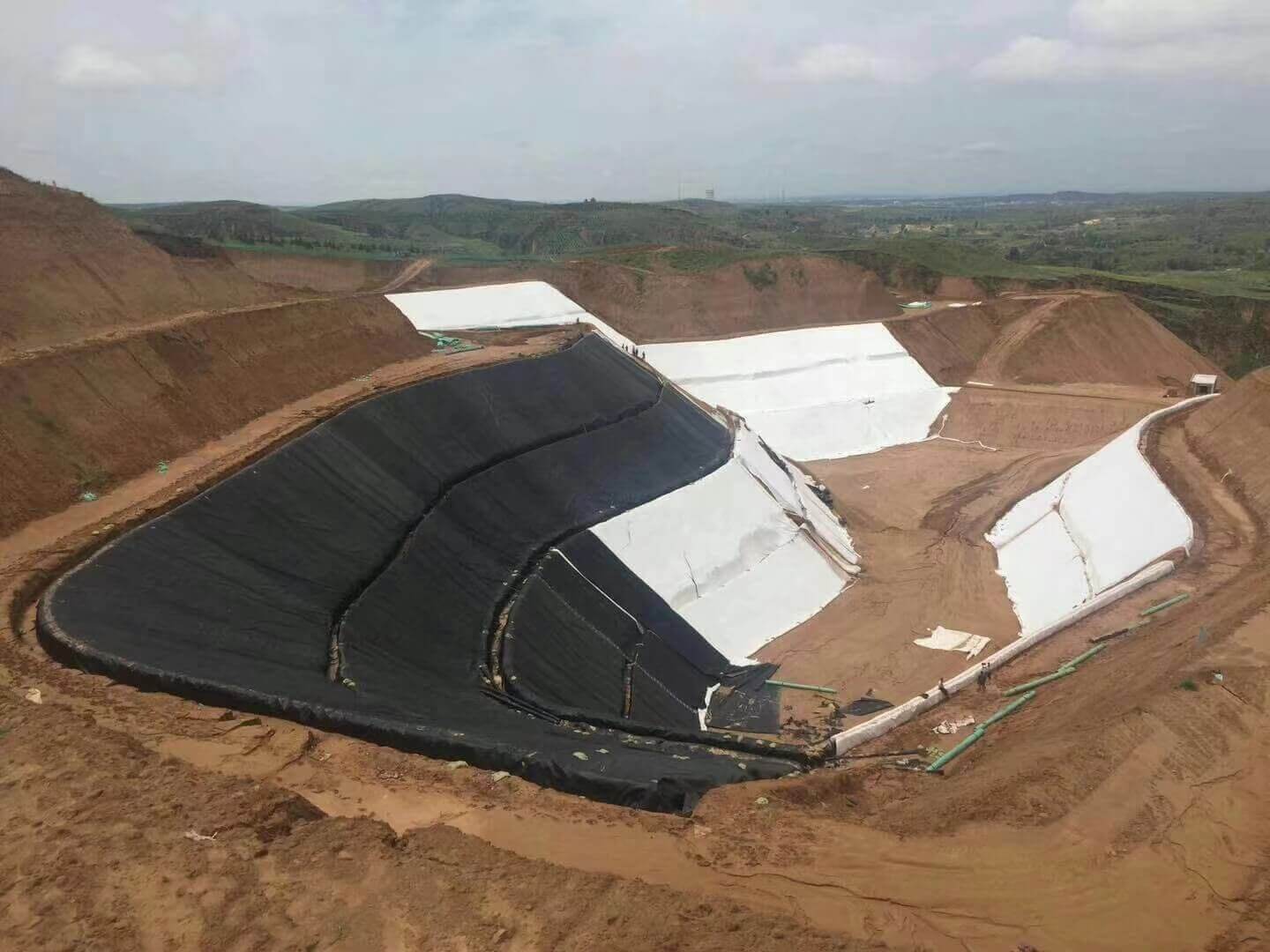
Landfill Structure
A landfill with a plastic liner, also known as a lined landfill, is a waste containment system that uses impermeable materials like HDPE (High-Density Polyethylene) and geomembrane liners to protect the environment. These liners are placed at the base of the landfill to act as barriers, stopping leachate (a liquid formed when waste decomposes) from seeping into the soil and polluting groundwater.
A landfill structure is a carefully engineered system designed to safely isolate waste from the environment. It typically includes multiple layers: a bottom liner (often made of HDPE or clay liner) to prevent leachate leakage, a drainage layer to collect liquids, and a waste layer. Above this, a cover system with soil and geomembranes minimizes water infiltration and controls gas emissions. Additional components like geotextiles, geogrids, and geonets enhance stability and functionality. This multi-layered design ensures environmental protection and efficient waste management over the landfill’s lifespan.

Types of Geosynthetic material Used in Landfills
HDPE Liners (High-Density Polyethylene):These are the most commonly used liners in modern landfills.HDPE liners are durable, resistant to chemicals, and impermeable, making them ideal for containing hazardous waste.Available in different thicknesses (e.g., 1.5mm, 60 mil), HDPE liners can handle various landfill conditions.
Geosynthetic Clay Liners (GCLs):GCLs are made of a layer of bentonite clay sandwiched between geotextiles or geomembranes.They provide excellent sealing properties and are often used alongside HDPE liners for added protection.
Geotextile:Nonwoven Geotextiles are commonly used in drainage and protection applications. Their porous structure allows efficient filtration and cushioning for geomembranes.Woven Geotextiles are typically used for separation and reinforcement due to their high tensile strength.
Geonet:Geonets are essential components in landfill engineering, primarily used for effective drainage and liquid management. These three-dimensional structures, made from high-density polyethylene (HDPE), are placed between geotextiles and geomembranes. In landfills, geonets facilitate the collection and movement of leachate and gases, ensuring proper flow without clogging. They are commonly used in leachate collection systems, gas venting layers, and under capping systems to reduce hydraulic pressure and prevent liner damage. Their durability, chemical resistance, and ability to withstand high loads make geonets a vital solution for long-term landfill performance.
HDPE pipe:HDPE pipes are widely used in landfill systems due to their strength, flexibility, and resistance to chemicals. These pipes are essential for managing leachate collection and gas extraction, ensuring efficient drainage and venting within the landfill. HDPE pipes can handle the harsh conditions of waste environments, including exposure to toxic chemicals and extreme temperatures. Their smooth inner surface prevents clogging, while their long lifespan and corrosion resistance make them a cost-effective and reliable choice for landfill operations. They are integral to maintaining the stability and environmental safety of modern landfills.
Geogrid:Geogrids are essential in landfill construction to provide soil reinforcement and improve the overall stability of the structure. They are used to strengthen slopes, stabilize subgrades, and prevent soil erosion in landfill applications. By interlocking with surrounding materials, geogrids distribute loads evenly, reducing the risk of settlement and deformation. Their high tensile strength and resistance to chemical degradation make them ideal for harsh landfill conditions. Geogrids also enhance the durability and safety of landfill systems, ensuring long-term performance and minimizing environmental impact.


How Are Landfills Made?
Modern landfills are built with advanced engineering to ensure waste is safely contained. Here’s how the process works:
Excavation and Preparation:The site is excavated and leveled to create the landfill’s base.A layer of compacted soil is added to provide a smooth surface for the liners.
Installation of Liner Systems:HDPE liners or geomembranes are installed at the base of the landfill.In many cases, GCLs are added for extra protection.
Leachate Collection System:A network of pipes is placed above the liners to collect leachate and direct it to treatment facilities.
Waste Placement:Waste is deposited in layers and compacted to maximize space.Daily cover materials (e.g., soil or geosynthetic fabrics) are applied to reduce odors and deter pests.
Capping and Closure:Once the landfill reaches capacity, it is capped with a geomembrane liner, clay, and soil to prevent rainwater infiltration.The site is then monitored for environmental safety.
Key Features of HDPE Liners
HDPE liners are the most popular choice for landfill applications because they offer:
Durability: Resistant to chemicals, UV exposure, and physical damage. Stands up to harsh chemicals and leachate components.
High Strength: Handles heavy loads and rough conditions,can treat many tons of waste every day.
Impermeability: Prevents liquids and gases from passing through.
Flexibility: Adapts to various shapes and terrains.
Recyclability: HDPE is environmentally friendly and can be recycled after use.
Longevity: Designed to last 30-50 years or more,Cost-Effectiveness,Affordable.
Easy Installation: Flexibility is helpful for various shapes and terrains.Can be welded using geomembrane welding machines for seamless joins.


The Function and Purpose of Liners in Landfills
Liners are the backbone of modern landfills. Here’s why they are so important:
Groundwater Protection: Prevent leachate from polluting groundwater.
Environmental Safety: Contain hazardous materials and prevent them from escaping into the environment.
Long-Term Durability: Materials like HDPE geomembranes ensure the landfill remains secure for decades.
Regulatory Compliance: Many countries require lined landfills to meet strict environmental standards.
Which parts of landfills to use Geomembranes?
Geomembranes liners are used in different parts of a landfill:
Base Liners: To prevent leachate leakage into the soil.
Capping Systems: To seal the landfill after closure, preventing rainwater infiltration.
Gas Collection Systems: Help capture methane and other gases for energy production or safe disposal.
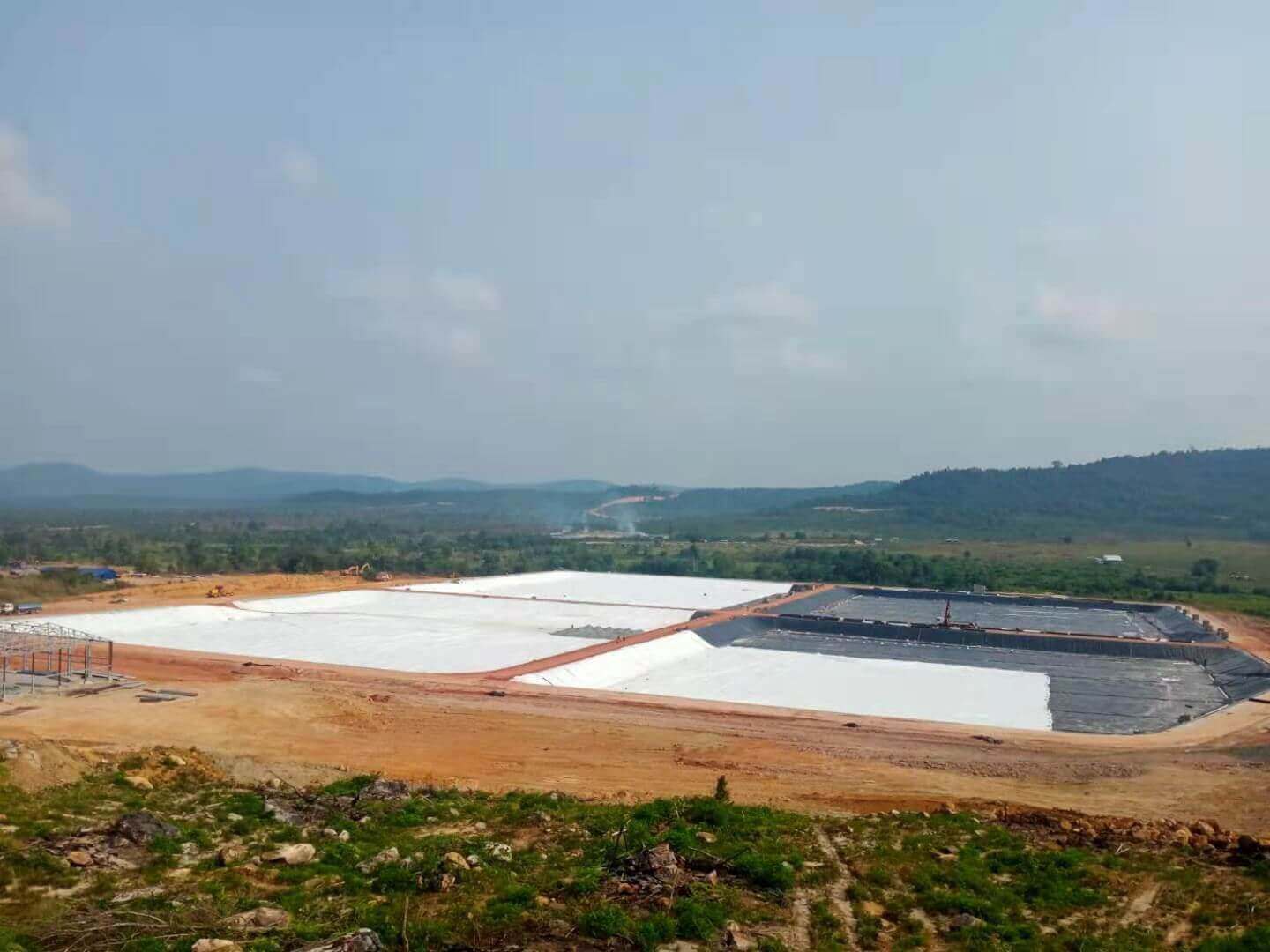
Leachate Ponds: HDPE liners are used to line leachate treatment ponds.


FAQ About Landfill Liners
1. What Is the Purpose of a Plastic Liner in a Landfill?
The liner acts as a barrier to prevent leachate from contaminating soil and groundwater.
2. How Thick Is an HDPE Liner for Landfills?
The thickness typically ranges from 1.5mm (60 mil) to 3mm (120 mil), depending on the landfill’s requirements.
3. What Is a Geosynthetic Clay Liner (GCL)?
A GCL is a liner made of bentonite clay, which swells when wet to create an impermeable barrier.
4. How Are HDPE Liners Welded?
HDPE liners are joined using welding plastic machines, which heat and fuse the material to create a leak-proof seam.
5. What Is the Lifespan of an HDPE Geomembrane?
HDPE geomembranes can last 30-50 years or more, depending on environmental conditions and maintenance.
People Also Ask
1. What Is the Use of Geomembranes in Landfills?
Geomembranes provide a waterproof barrier to contain waste and prevent environmental contamination.
2. Why Are Modern Landfills Lined?
Liners are essential for preventing leachate and gases from polluting the environment.
3. What Is the Difference Between HDPE and GCL Liners?
HDPE liners are synthetic plastic membranes, while GCLs are made from natural bentonite clay. Both are used for impermeability but serve slightly different functions.
Modern landfills rely on advanced materials like HDPE geomembranes, GCL liners, and geosynthetic solutions to manage waste safely. These liners ensure environmental protection, groundwater safety, and long-term durability.
If you’re planning a landfill project, it’s crucial to select the right type of liner and work with reputable HDPE geomembrane manufacturers to ensure quality and reliability. Please feel free to contact us, a good solutions will be sent to you for check.
Recent Post
Aquaculture Pond Lining in Indonesia | From Design to Installation
From Project Drawing to Water Filling: An Aquaculture Pond Lining Project in Indonesia This aquaculture pond project in Indonesia started with a project drawing.The customer firstly contacted us
When Is Geotextile Really Necessary?
When Is Geotextile Really Necessary in Civil Engineering Projects? Geotextiles are widely used in modern infrastructure and environmental engineering. However, a common question among engineers, designers, and contractors is: Is geotextile always necessary? In
Woven Polypropylene Geotextile Manufacturer | Engineering Grade & Landscape Fabric
Woven Polypropylene Geotextile Manufacturer | Engineering Grade & Landscape Fabric By Planetliner — Manufacturer of High-Performance Woven PP Fabrics for Global Projects Woven polypropylene geotextile has become a fundamental material in civil engineering, environmental protection,