
What is Difference between Non Woven and Woven Geotextiles
In modern geotextile construction, two main fabric types are in the industry—non woven and woven geotextiles. Both are important for soil stabilization, filtration, drainage, and protection, yet their properties, performance, and best uses differ.
As a leading geotextiles factory and trusted geotextiles supplier manufacturer, we produce both woven geotextiles and non woven geotextiles, helping engineers, contractors, and landscapers choose the right fabric for their projects.

1. What is Non Woven and Woven Geotextiles
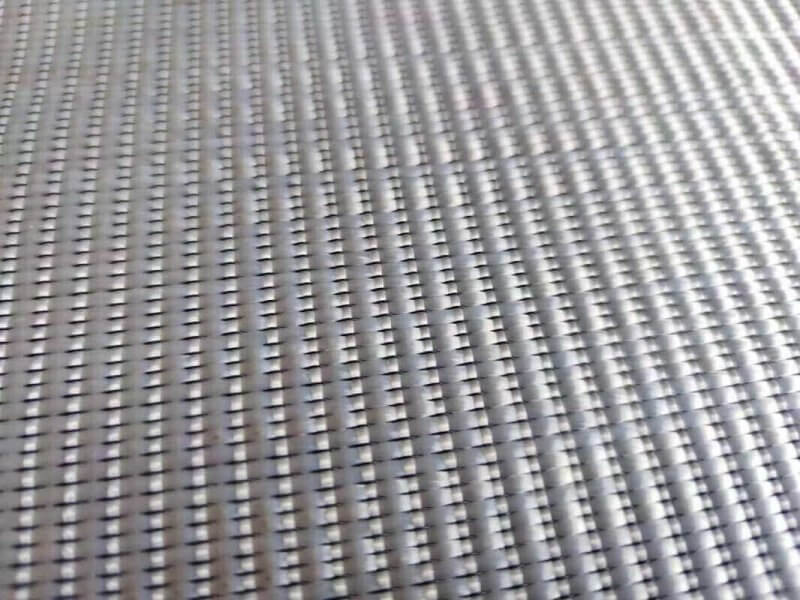
Woven geotextiles are made by weaving polypropylene or polyester fabric into a strong, grid-like structure. The weaving process produces high tensile strength, making them ideal for load-bearing and soil separation applications.
Our Polyester PET woven geotextile specifications:
Tensile strength:80/50,100/50,200/50,400/50,600/50,800/50,1000/50,1200/50,2000/50. 80/80,100/100,200/200,400/400,600/600kN/m.
Width:3.5m 4m 5.2m
Length:50m 100m 200m or 300m
Our Polypropylene PP woven geotextile specifications:
Tensile strength:40/40,50/50,60/60, 80/80,120/120,175/175,200/200,300/300kN/m.
Width:4.6m 5.2m
Length:100m 200m or 300m
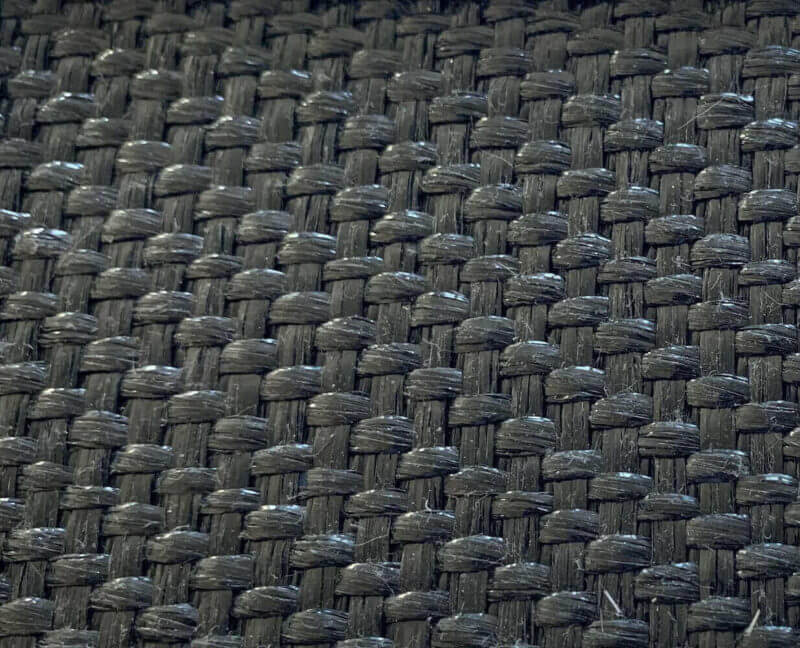
Non woven geotextiles are made by bonding or needle-punching fibers together to form a felt-like, permeable sheet. This gives them high permeability, flexibility, and cushioning properties.
Material:Polyester /PET or Polypropylene /PP
Unit weight:100g 150g 200g 300g 400g 500g 600g 800g 1000g/sqm
Width:1m 2m 3m 4m 5.8m

2. Woven vs Non Woven Landscape Fabric – Key Differences
| Feature | Woven Geotextiles | Non Woven Geotextiles |
|---|---|---|
| Structure | Interlaced tapes/yarns | Randomly bonded fibers |
| Strength | High tensile strength,40–2000 kN/m (Heavy Load Support) | Moderate strength, high elongation,10–30 kN/m (Flexible Reinforcement) |
| Permeability | Low water flow | High water flow (good drainage) |
| Flexibility | Less flexible | Highly flexible and adaptive |
| Best For | Soil reinforcement, separation | Filtration, drainage, cushioning |
When deciding between woven vs nonwoven geotextiles, the choice depends on whether your project needs strength and stability or drainage and filtration.
3. Advantages of Woven Geotextiles
High tensile strength – Ideal for heavy-load roads, highways, and embankments.
Excellent soil separation – Prevents mixing of base and subgrade layers.
Durable and UV-resistant – Long-term performance in harsh environments.
Best Applications:
Road and railway construction
Embankment and slope stabilization
Heavy-duty landscaping under pavers or driveways

4. Advantages of Non Woven Geotextiles
Superior drainage capability – Allows water to pass freely while retaining soil.
High adaptability – Conforms to uneven surfaces without tearing.
Protective cushioning – Ideal for geomembrane liner protection.
Best Applications:
Drainage in retaining walls
Filtration layers in road construction
Cushioning layers for landfill liners and reservoirs

5. Nonwoven vs Woven in Geotextile Construction
In geotextile construction, these materials are sometimes used together. For example, in landfill lining systems:
Non woven geotextile protects the geomembrane from punctures.
Woven geotextile provides soil reinforcement above the protective layer.
This combination maximizes both filtration and strength.
6. Woven Versus Non Woven Fabric in Landscaping
In landscaping projects, the choice between woven versus non woven fabric affects performance:
Woven landscape fabric: Best for long-term weed control and strength under high-traffic areas.
Non woven landscape fabric: Better for gardens and planting areas where water and nutrient flow are important.And also for the supermarket DIY.
For example, woven vs non woven landscape fabric in driveway construction will favor woven, while garden beds will benefit from non woven.

7. Our Factory Strength – Geotextiles Supplier Manufacturer
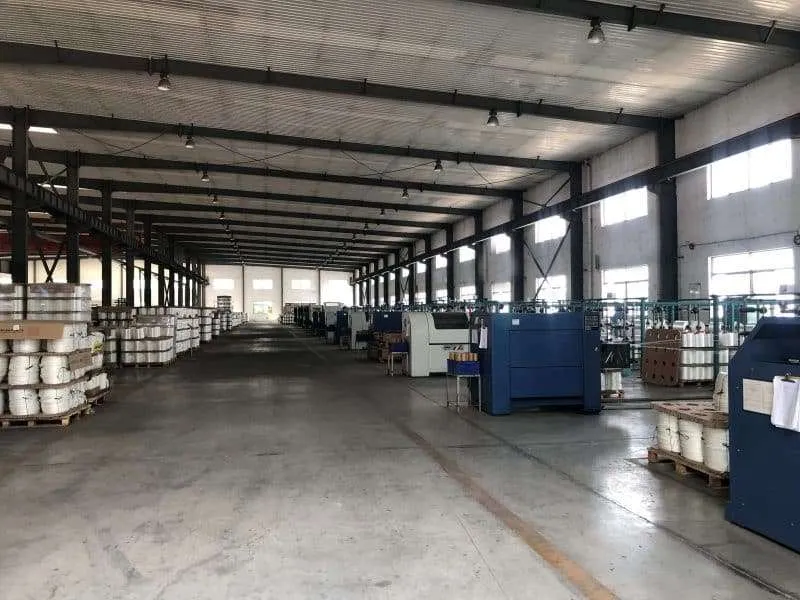
As a geotextile supplier with a dedicated geotextiles factory, we offer:
State-of-the-art production lines for both weaving and needle-punching.
Custom manufacturing from 100 g/m² to over 800 g/m²,or 40kN to 1200kN.
Full quality control with ASTM and ISO testing standards.
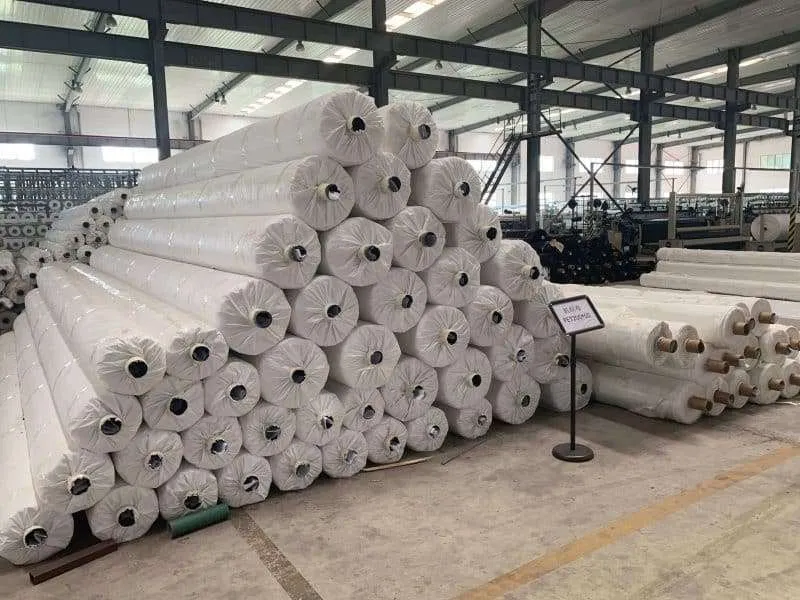
Global export capability to over 30 countries for civil, mining, agricultural, and landscaping projects.

8. Why Work With a Factory-Direct Geotextile Supplier
Working directly with a geotextiles supplier manufacturer like us ensures:
Lower costs without middlemen
Faster lead times
Direct technical support
Consistent quality with traceable production batches


9. Installation Tips for Woven and Non Woven Geotextiles
Overlap: Woven 30–40 cm, non woven 50 cm or more
Anchoring: Use pins or trenches for slope stability
Protection: Cover within 30 days if exposed to sunlight
Drainage: Ensure non woven layers are not clogged with fine soil
10. Non Woven Geotextile vs Woven – Quick Reference
| Project Type | Recommended Fabric |
|---|---|
| Road base reinforcement | Woven |
| Retaining wall drainage | Non woven |
| Landfill liner protection | Non woven |
| Railway stabilization | Woven |
| Garden bed weed control | Non woven |
| Driveway weed barrier | Woven |
FAQ
Q:Which is stronger: non woven geotextile or woven geotextile?
A:Woven geotextiles have higher tensile strength and lower elongation, making them stronger for reinforcement. Non woven geotextiles are more flexible and better for filtration but have lower tensile strength.
Q:Can I use non woven and woven geotextiles together?
A:Yes. In many projects, woven geotextiles are used for structural reinforcement while non woven geotextiles are added for filtration or cushioning, creating a combined performance benefit.
Understanding non woven and woven geotextiles is key to selecting the right product for your project.
Use woven geotextiles for strength, separation, and load support.
Choose non woven geotextiles for drainage, filtration, and cushioning.
For complex applications, combine both to maximize performance.
At our geotextiles factory, we produce high-quality fabrics and ship globally, ensuring reliable supply for your geotextile construction needs,and also we can provide Geomembrane. Partner with an experienced geotextile supplier to get the right fabric—delivered on time and built to perform.Please follow our Linkedin Facebook Youtube for more information!
Recent Post
Aquaculture Pond Lining in Indonesia | From Design to Installation
From Project Drawing to Water Filling: An Aquaculture Pond Lining Project in Indonesia This aquaculture pond project in Indonesia started with a project drawing.The customer firstly contacted us
When Is Geotextile Really Necessary?
When Is Geotextile Really Necessary in Civil Engineering Projects? Geotextiles are widely used in modern infrastructure and environmental engineering. However, a common question among engineers, designers, and contractors is: Is geotextile always necessary? In
Woven Polypropylene Geotextile Manufacturer | Engineering Grade & Landscape Fabric
Woven Polypropylene Geotextile Manufacturer | Engineering Grade & Landscape Fabric By Planetliner — Manufacturer of High-Performance Woven PP Fabrics for Global Projects Woven polypropylene geotextile has become a fundamental material in civil engineering, environmental protection,