
What is Non Woven Geotextile Fabric Cloth?
Introduction
Non woven geotextile fabric is popular used in construction, civil engineering, and landscaping. For importers& wholesalers&contractors, this fabric is not only a product ,but a solution for filtration separation, soil stabilization, erosion control, and weed prevention. As a manufacturer of geotextile fabric, we will share you how to manufacture, how to calculate fabric width, and compares it with woven geotextiles and traditional landscape fabrics.
What is Non Woven Geotextile Fabric?
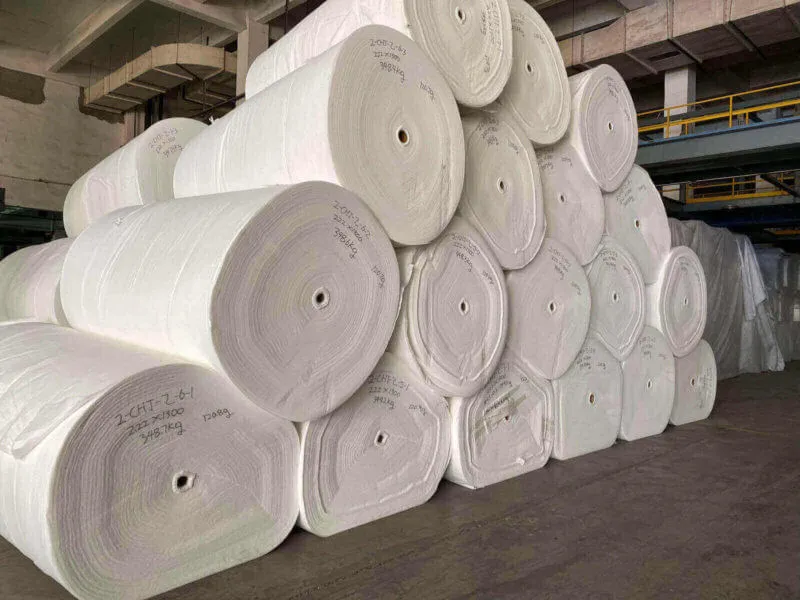
Non woven geotextile fabric is a synthetic textile made of polypropylene (PP) or polyester (PET) fibers. Instead of weaving, the fibers are bonded into a felt by needle punch process or heat bonding. This gives the fabric strength, flexibility, and permeability.
Key functions include:
Filtration and separation: Prevents soil mixing while allowing water flow.
Erosion control: Stabilizes slopes, riverbanks, and retaining walls.
Ground reinforcement: Provides stability under roads, railways, and heavy-duty foundations.
Filter fabric applications: Improves drainage systems and prevents clogging.
For bulk buyers, this versatility ensures high demand across multiple sectors.
The Manufacturing Process of Non Woven Geotextile Fabrics
The production process includes:
Material preparation – PP or PET chips are melted and extruded into fibers.
Fiber layering – Fibers are spread in random or aligned patterns.

Bonding methods:
Needle punching – Entangles fibers for durability.
Heat bonding – Uses heat and pressure for higher tensile strength.
Chemical bonding – Less common but used in some specialty fabrics.


The result is a heavy duty geotextile fabric with high performance in filtration, separation, and erosion control.
How to Calculate the Width of Non Woven Geotextile Fabric
Geotextile rolls are usually available in 1m 2m 3m 4m, 5.8m, 6m widths. Choosing the correct width helps reduce overlaps and waste.
Example:
A contractor needs 10,000 m² of coverage for a retaining wall project.
Using 6m wide rolls → 10,000 ÷ 6 = 1,667 meters required.
Adding 15% overlap = about 1,917 meters total.
For importers and wholesalers, understanding these calculations ensures better planning and customer support.
Non Woven vs Woven Geotextile – Which One to Choose?
Both fabric types serve unique roles:
Made with woven yarns.
High tensile strength.
Best for reinforcement, heavy loads, and long-term soil separation.
Bonded fibers.
Superior filtration separation.
Ideal for drainage, erosion control, and retaining wall protection.
Summary,more difference between non woven and woven geotextile
Road base construction → woven fabrics perform better.
French drains or slope stability → non woven fabrics are preferred.
Is Geotextile Better Than Landscape Fabric for Weed Control?
Landscape fabrics are lightweight, affordable, but degrade quickly. They are suitable for home gardening but not for industrial projects.
Non woven geotextile fabric is stronger and long-lasting. As a filter fabric, it allows water through but blocks weed growth. For wholesalers and contractors supplying commercial landscaping projects, non woven geotextiles provide better performance than standard landscape fabrics.
Key Applications for Importers, Wholesalers, and Contractors
Non woven geotextile fabrics are applied in:
Infrastructure: Roads, highways, airports, and railways.
Drainage and filtration: French drains, canals, and stormwater systems.
Retaining wall projects: Protects against soil loss and enhances stability.
Erosion control: Used in riverbanks, shorelines, and coastal protection.
Agriculture and landscaping: Prevents weeds, separates soil layers, and improves durability.
Buying Considerations for Bulk Orders
When sourcing geotextiles, check:
Fabric weight: From light duty (100gsm) to heavy duty (400gsm+).
Tensile strength: Essential for load-bearing projects.
Roll size and width: Wide rolls reduce installation time.
Certifications: ASTM, ISO, CE ensure quality.
Supplier support: Reliable manufacturers provide custom solutions.
How to Install Non Woven Geotextile Fabric
Step 1: Prepare the Area
Clear the site of debris, rocks, and vegetation. Level the ground as needed.
Step 2: Lay the Fabric
Roll out the geotextile fabric over the prepared area. Make sure it covers the entire surface.
Step 3: Overlap the Edges
If using multiple pieces, overlap them by at least 12 inches to prevent soil from seeping through the gaps.
Step 4: Secure the Fabric
Use landscape staples or heavy objects to hold the fabric in place.
Step 5: Add Gravel or Soil
Depending on your project, cover the fabric with gravel, soil, or other materials as required.
Where to Buy Non Woven Geotextile Fabric?
You can find non-woven geotextile fabric at local hardware stores, landscaping supply stores, and online retailers. Some common places include:
Local Hardware Stores: Retailers like Lowe’s sell non woven geotextile fabric Lowes for small projects.
Online Suppliers: Search for geotextile fabric manufacturers or geotextile cloth suppliers for bulk orders.
Specialty Construction Stores: They stock heavy-duty options like double punched geotextile fabric.
Frequently Asked Questions
1. What is the tensile strength of non woven geotextile fabric? Strength varies by weight, but heavy duty fabrics exceed 20kN/m, making them suitable for road and retaining wall projects.
2. Can non woven geotextiles be used for retaining wall drainage? Yes, they are excellent filter fabrics for allowing water flow while preventing soil movement.
3. What is the difference between filter fabric and landscape fabrics? Filter fabrics (geotextiles) are engineered for heavy duty performance, while landscape fabrics are lighter and degrade faster.
4. How heavy duty should non woven geotextile fabric be for road construction? At least 200–400gsm depending on traffic load and soil type.
5. Which is better for erosion control: woven or non woven geotextiles? Non woven fabrics are generally preferred for erosion control due to their permeability and filtration efficiency.
Non woven geotextile fabric is a reliable choice for filtration, separation, and erosion control. Its manufacturing process delivers strong, permeable, and heavy duty material suitable for both small landscaping jobs and large infrastructure projects. Compared with woven fabrics, non woven geotextiles are ideal for water management, while they outperform standard landscape fabrics in long-term weed control. For importers, wholesalers, and contractors, investing in non woven geotextile fabric ensures profitability and project success. Please follow our Linkedin Facebook Youtube for more informations!
Recent Post
Aquaculture Pond Lining in Indonesia | From Design to Installation
From Project Drawing to Water Filling: An Aquaculture Pond Lining Project in Indonesia This aquaculture pond project in Indonesia started with a project drawing.The customer firstly contacted us
When Is Geotextile Really Necessary?
When Is Geotextile Really Necessary in Civil Engineering Projects? Geotextiles are widely used in modern infrastructure and environmental engineering. However, a common question among engineers, designers, and contractors is: Is geotextile always necessary? In
Woven Polypropylene Geotextile Manufacturer | Engineering Grade & Landscape Fabric
Woven Polypropylene Geotextile Manufacturer | Engineering Grade & Landscape Fabric By Planetliner — Manufacturer of High-Performance Woven PP Fabrics for Global Projects Woven polypropylene geotextile has become a fundamental material in civil engineering, environmental protection,