
Two Popular Non-Woven Geotextile Fabric
Now there are more and more construction, landscaping, and drainage projects, and non-woven geotextile fabric plays an essential role. This material is becoming more and more popular for its wide range of applications, durability, and effectiveness in solving common soil and water-related challenges. Whether you’re working on a French drain, stabilizing soil, or preventing erosion, non-woven geotextiles offer practical solutions.
What Is Non-Woven Geotextile Fabric?
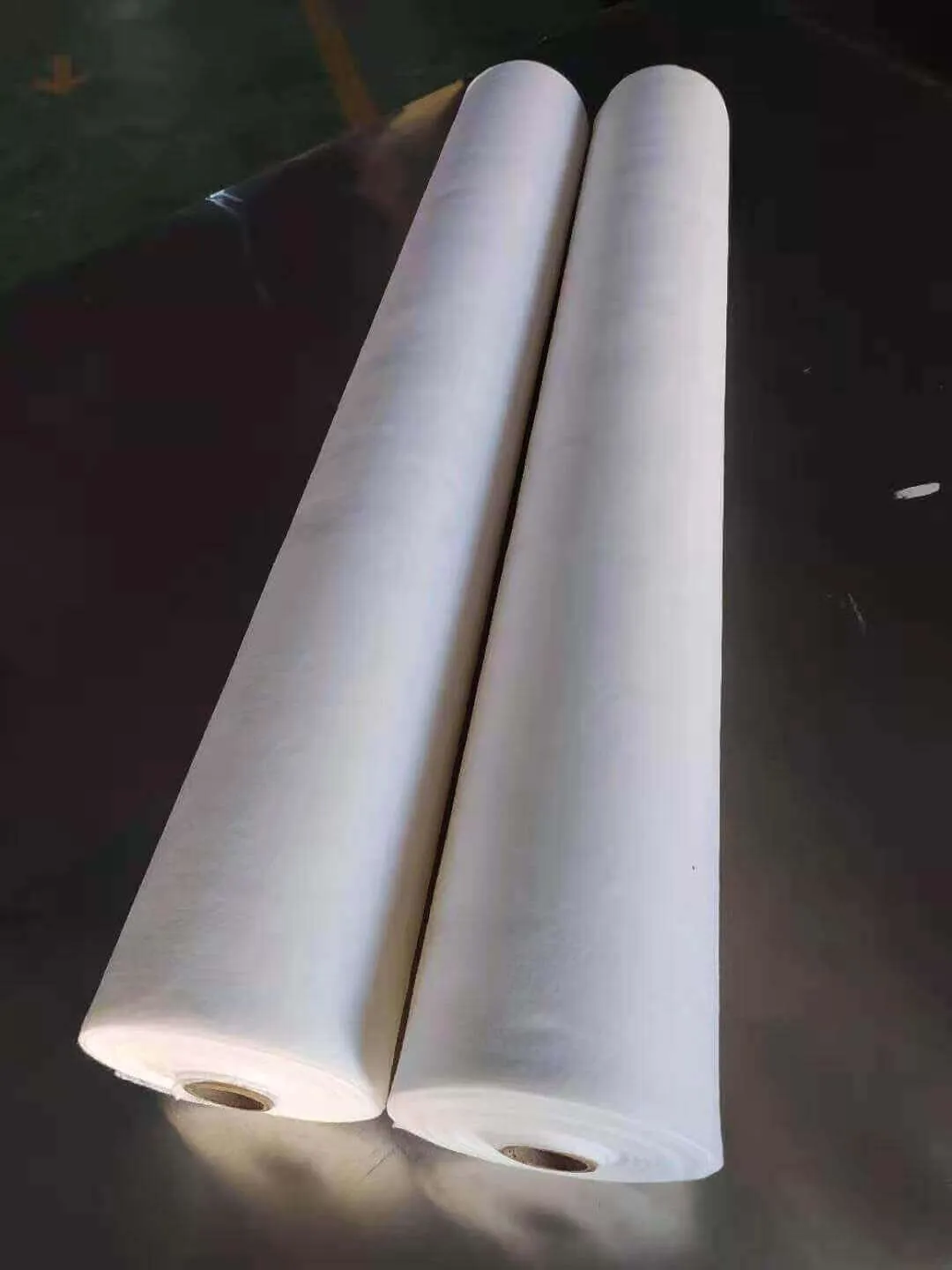
Non-woven geotextile fabric is a permeable textile made from synthetic materials like polypropylene or polyester. Unlike woven geotextiles, non-woven fabrics are created by bonding fibers together using heat, chemicals, or mechanical processes such as needle-punching,so this geotextile is soft, flexible, and more felt-like in texture.
Meanwhile,this non-woven geotextile fabric can make many colors, the white color is the most popular.
With this unique structure, non-woven geotextile fabric is widely used for drainage, filtration, separation, and protection in various engineering, landscaping, and environmental applications.


Features of Non-Woven Geotextile Fabric
- Water Permeability:Non-woven geotextiles are designed to allow water to flow through while retaining fine soil particles. This makes them ideal for applications like French drains, where proper water filtration is crucial.
- Durability:These fabrics are resistant to UV rays, chemicals, and weathering, ensuring long-term performance in outdoor applications.The Polyester fabric has better uv resistant then polypropylene.
- Flexibility:The soft and flexibility of non-woven fabrics makes them easy to install, even on uneven surfaces.

Types of Non-Woven Geotextile Fabrics
Needle-Punched Non-Woven Geotextiles:These fabrics are mechanically bonded by punching fibers together with needles. They are strong, durable, and commonly used for drainage and filtration.
Thermally Bonded Non-Woven Geotextiles
Heat is used to fuse the fibers together, creating a fabric with higher strength and lower elongation. This type is often used in stabilization and erosion control projects.
Chemical-Bonded Non-Woven Geotextiles
Fibers are bonded using adhesives or chemical agents. This type is less common but can be tailored for specific applications.
Our company is a manufacturer of the geotextile fabric, we have the staple short fiber geotextile and the long fiber continuous filament geotextile.
The staple geotextile weight range from 100g/sqm to 1000g/sqm, and the filament geotextile same too.
The width range of rolls is from 1m to 7m, and the length can be customized.

Applications of Non-Woven Geotextile Fabric
1. Drainage Systems
Non-woven geotextile fabric is widely used in drainage applications . It prevents soil from clogging drainage pipes while allowing water to flow freely.
2. Erosion Control
The fabric acts as a protective layer over soil, reducing erosion caused by rain or water flow. It’s often used in slopes, riverbanks, and shorelines.
3. Road Construction
Non-woven geotextiles are used as a separation layer between different soil types, preventing the mixing of subgrade soil with aggregate layers.
4. Landscaping
These fabrics are popular in gardens and landscapes to prevent weed growth, improve soil stabilization, and assist in water management,popular in the supermarket and DIY market.
5. Landfill Liners
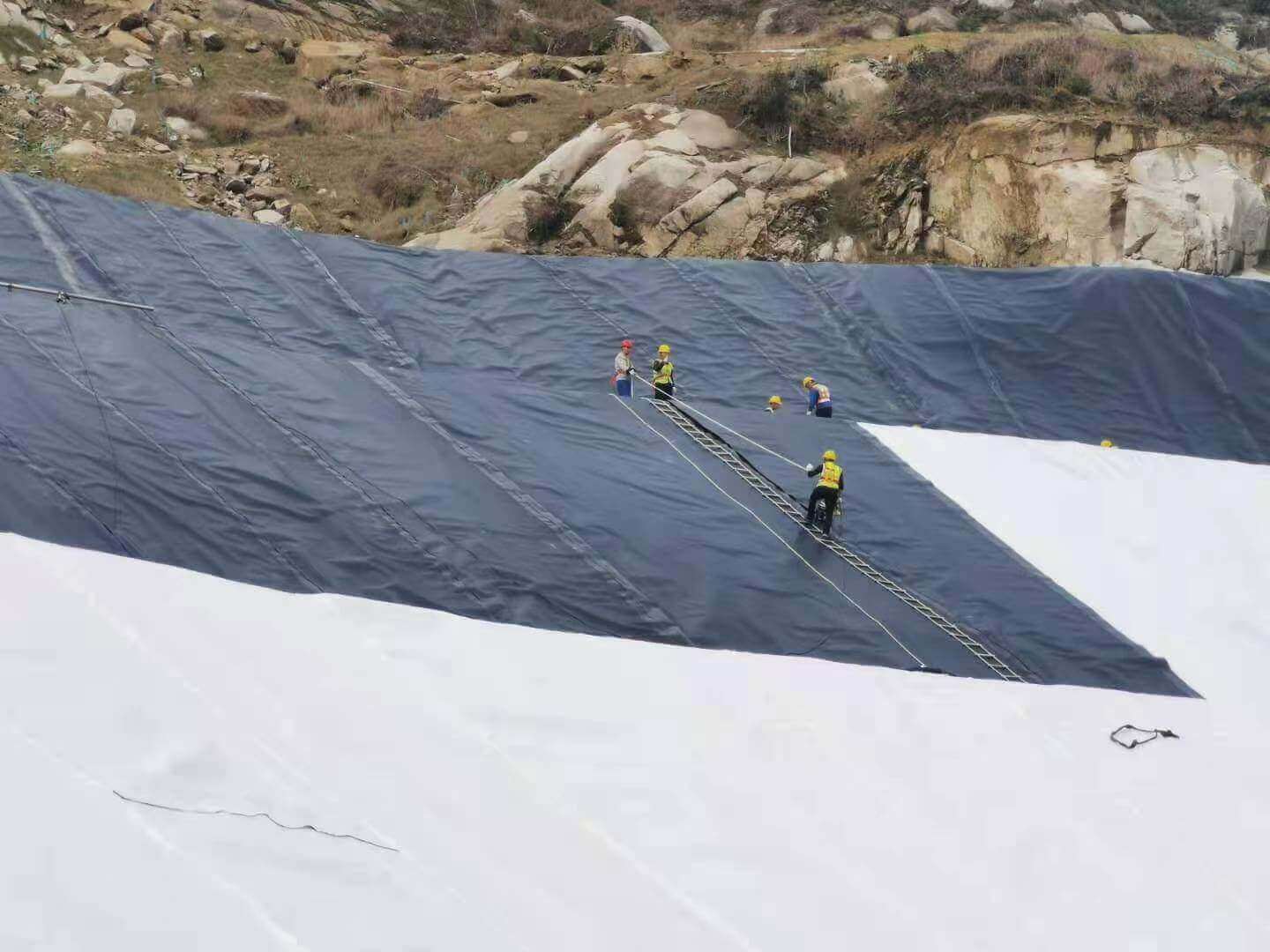
Non-woven geotextiles are often paired with geomembranes to enhance the durability and efficiency of landfill liners.
Is Non-Woven Fabric Water-Resistant?
The non-woven geotextile fabric is water-resistant in the sense that it doesn’t absorb water like natural fibers. However, it’s also permeable, meaning it allows water to pass through its structure. This dual property makes it ideal for drainage and filtration applications where controlled water flow is essential.
Is Non-Woven Fabric Leak-Proof?
Non-woven fabrics are not entirely leak-proof, and they are permeable. They are designed to allow water to flow through while retaining soil particles. If you’re looking for a completely impermeable material, geomembranes or other impermeable membranes would be a better choice.

Advantages of Non-Woven Geotextile Fabric
- Cost-Effective:Non-woven geotextiles are affordable and reduce long-term maintenance costs by improving drainage and preventing soil erosion.
- Easy Installation:The lightweight and flexible nature of these fabrics make them simple to install, even on uneven terrain.
- Versatile:With applications ranging from construction to gardening, non-woven geotextiles are suitable for a wide variety of projects.
- Environmentally Friendly:Many products are made from recycled materials, reducing their environmental impact.
Best Non-Woven Geotextile Fabric
When selecting a fabric,here are some items to consider:
High permeability to allow efficient water flow.
Adequate strength to handle soil pressure.
UV resistance for long-lasting outdoor performance.
Non-Woven Geotextile Fabric vs. Woven Geotextile Fabric
Non-Woven Fabric: Softer, more permeable, and ideal for drainage, filtration, and protection applications.
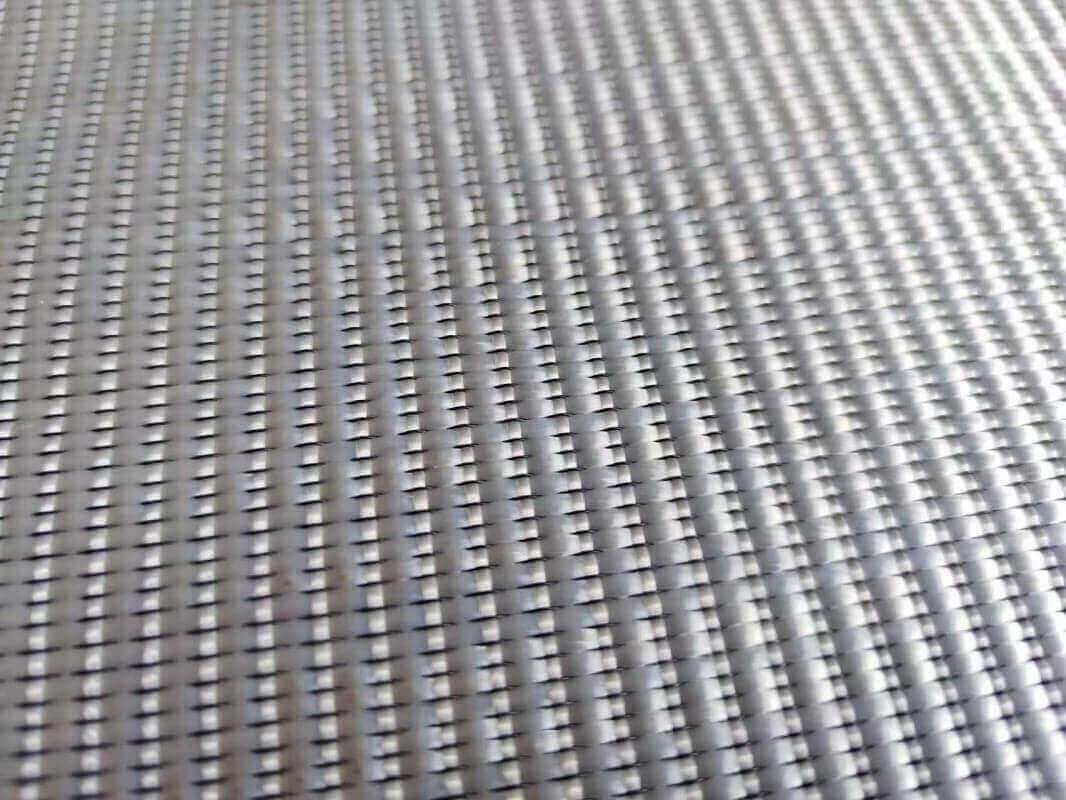
Woven Fabric: Stronger, less permeable, and better for reinforcement and stabilization projects.

FAQs about Non-Woven Geotextile Fabric
Q: What is non-woven geotextile fabric used for?
A: It’s commonly used for drainage, filtration, soil stabilization, erosion control, and landscaping.
Q: Can non-woven geotextile fabric prevent weeds?
A: Yes, it can act as a barrier to prevent weed growth in landscaping projects.
Q: How long does non-woven geotextile fabric last?
A: With proper installation, it can last 2-20 years, depending on the project and environmental conditions.
People Also Ask
1. How is non-woven geotextile fabric made?
Non-woven fabrics are made by bonding synthetic fibers through mechanical, chemical, or thermal processes.
2. What’s the best geotextile fabric for landscaping?
Non-woven geotextiles are preferred for landscaping due to their permeability and weed-prevention capabilities.
3. Can I use non-woven geotextiles for a retaining wall?
Yes, they can be used to improve drainage and prevent soil erosion behind retaining walls,but mostly the woven geotextile is popular for retaining wall.
Non-woven geotextile fabric is an essential material for construction, landscaping, or drainage projects. Its versatility, durability, and ease of use make it a good solution for managing water, stabilizing soil, and protecting against erosion.
Welcome your inquiry, and please follow our linkedin,facebook for more details!
Recent Post
Aquaculture Pond Lining in Indonesia | From Design to Installation
From Project Drawing to Water Filling: An Aquaculture Pond Lining Project in Indonesia This aquaculture pond project in Indonesia started with a project drawing.The customer firstly contacted us
When Is Geotextile Really Necessary?
When Is Geotextile Really Necessary in Civil Engineering Projects? Geotextiles are widely used in modern infrastructure and environmental engineering. However, a common question among engineers, designers, and contractors is: Is geotextile always necessary? In
Woven Polypropylene Geotextile Manufacturer | Engineering Grade & Landscape Fabric
Woven Polypropylene Geotextile Manufacturer | Engineering Grade & Landscape Fabric By Planetliner — Manufacturer of High-Performance Woven PP Fabrics for Global Projects Woven polypropylene geotextile has become a fundamental material in civil engineering, environmental protection,