
Non Woven Polypropylene Fabric in Road Construction
Introduction
In modern civil engineering, road performance depends not only on strong foundations but also on the right supporting materials. One of the most important of these material is non woven polypropylene fabric. This geosynthetic material plays an important role in strengthening roadbeds, controlling erosion, and improving drainage, making it a trusted solution for infrastructure projects around the world.From the foundations of roads and railways to environmental protection projects and agricultural applications, this geotextile has become an necessary choice for engineers, thanks to its exceptional performance, durability, and broad range of uses.
What Is Non Woven Polypropylene Fabric?
Non woven polypropylene fabric is made by bonding polypropylene fibers through processes such as needle punching or thermal bonding,and the fiber fabric is polypropylene, which is also name PP. Unlike woven textiles, it has a random fiber structure that offers excellent permeability, flexibility, and durability. Polypropylene fabric has a nice resistance to chemicals, moisture, and biological degradation, which makes this fabric ideal for long-lasting engineering applications.
Specifications of our Non Woven Polypropylene Fabric
Weight: Mass weight range 100gsm to 1000gsm.
Roll Width: Max width is 6m, and considering the loading in container, 5.8m 5.9m or 5.95m are popular
Roll length:50m 100m or customized.
Color:Main color is white color, other colors can be customized.
Surface Treatment: Can be heat treated to be flat.
Key Functions of Non Woven Polypropylene Fabric in Road Construction
1. Filtration and Drainage
The fabric allows water to pass through while preventing soil particles from migrating. This function ensures that drainage systems remain open and effective, protecting the road base from water buildup and weakening,so the nonwoven geotexitle for drainage is best solution.
2. Separation of Soil Layers
When different types of soil or aggregate are placed together, they can mix under traffic loads. Non woven polypropylene fabric acts as a barrier, keeping materials separate and maintaining the structural integrity of the road.
3. Erosion Control
On slopes, embankments, and exposed areas, this fabric prevents soil from washing away during heavy rain or strong winds. It helps stabilize surfaces and reduces long-term maintenance costs.
4. Reinforcement and Stability
While non woven fabrics are not designed to replace reinforcement grids, they still provide added stability by distributing loads more evenly. This strengthens the subgrade and improves the overall performance of the pavement.
5. Durability and Cost Efficiency
Polypropylene fibers are resistant to UV exposure, chemicals, and biological attack. Combined with ease of installation and relatively low material cost, this fabric delivers a strong balance of performance and value.
Primary Application Areas of Non Woven Polypropylene Fabric
Non-woven polypropylene fabric plays an importnat role for multiple sectors, providing reliable solutions to complex engineering challenges.
- Road, Railway, and Airport Construction: In these projects, the fabric is used for separation and reinforcement. It prevents the intermixing of the subbase and base courses, stabilizes foundations, distributes traffic loads, and ultimately limits the appearance of cracks and fissures, extending the lifespan of the infrastructure and reducing maintenance needs.

- Embankments and Water Conservancy: In dams, canals, embankments, and coastal engineering, the fabric is essential for soil filtration in drainage applications. It effectively prevents soil erosion caused by water flow, protecting these vital structures and the surrounding ecological environment.
- Landfill Sites and Environmental Protection: Here, the fabric helps prevent leakage and protect groundwater and soil quality. When used in combination with geomembranes, it forms a durable barrier that offers lasting environmental protection.

- Agriculture and Landscape Design: In agricultural and greening sectors, the fabric can improve soil structure. It enhances aeration and water retention, promoting healthy plant growth and acting as a valuable soil amendment material.
- Geobag:making double sides ironed and pressed needle-punched non-woven geotextile through the spun bonded technology, and then processed to bag with specified dimension, fill soil, sand and fertilizer etc. Padding into bag according to local soil conditions and scientific proportion, and then spray seeds which are suitable for local climate, form a new product which could restore or create a new ecosystem.

Environmental Benefits and Sustainable Development of Non Woven Polypropylene Fabric
Beyond its engineering performance, non-woven polypropylene fabric offers significant environmental advantages.
Polypropylene is an environmentally friendly, non-toxic material, and its manufacturing process generates no harmful substances. By preventing soil erosion and enabling more efficient designs, the use of this geotextile helps minimize the environmental impact of construction projects. Its long lifespan and durability also mean less frequent replacement, which further reduces resource consumption and contributes to sustainable development.
Selection and Installation Guidelines of Non Woven Polypropylene Fabric
To ensure best performance, both careful selection and proper installation are needed.
Selection Criteria
When choosing a fabric, consider these key factors:
- Mass per Unit Area: Specifications range from 100-1000 grams per square meter (g/m²).
- Mechanical Properties: Select the appropriate tensile strength (e.g., ≥9.0 kN/m) and CBR burst strength (e.g., ≥2.0 kN) based on the project’s load requirements.
- Certifications: Ensure the product complies with industry standards, such as ISO9001.
- Application Environment: For specific conditions, choose products with enhanced features like UV resistance or advanced cold resistance.
Installation and Quality Control
Proper installation is a systematic process:
- Preparation: The subgrade surface must be cleared, smoothed, and compacted, removing any sharp objects that could puncture the fabric.
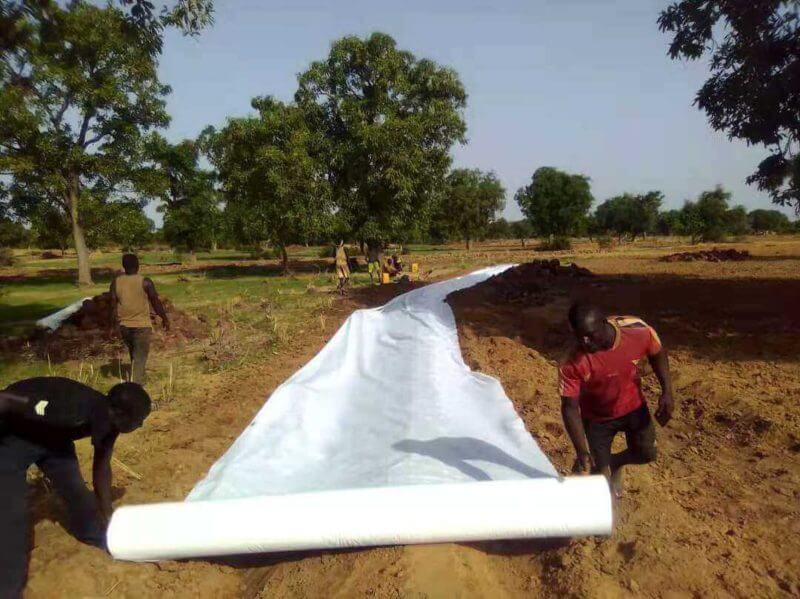
- Placement: The fabric should be unrolled smoothly, ensuring it is taut and free of wrinkles.
- Overlapping: Adjacent panels must be overlapped to ensure continuous coverage. The overlap width (typically 30-45 cm) depends on the subgrade’s stability.
- Securing and Backfilling: The fabric should be secured with pins or staples before the aggregate or soil is carefully placed on top. A minimum lift thickness is required to protect the fabric from construction equipment.
- Quality Inspection: After installation, a thorough inspection is necessary to ensure there is no damage, guaranteeing the material can perform its intended functions.
Conclusion
As a cornerstone material in modern civil engineering, non-woven polypropylene fabric provides reliable, efficient, and sustainable solutions for our world’s infrastructure. From supporting our roads to protecting our environment, this versatile material quietly enables the functioning of modern society. For engineers, designers, and decision-makers, understanding and correctly applying this fabric is key to creating safer, more durable, and more resilient projects that will benefit us all for generations to come. If you have any quesiton about non woven geotextile, please contact us, and follow our linkedin, Facebook Youtube Ins !
Recent Post
Aquaculture Pond Lining in Indonesia | From Design to Installation
From Project Drawing to Water Filling: An Aquaculture Pond Lining Project in Indonesia This aquaculture pond project in Indonesia started with a project drawing.The customer firstly contacted us
When Is Geotextile Really Necessary?
When Is Geotextile Really Necessary in Civil Engineering Projects? Geotextiles are widely used in modern infrastructure and environmental engineering. However, a common question among engineers, designers, and contractors is: Is geotextile always necessary? In
Woven Polypropylene Geotextile Manufacturer | Engineering Grade & Landscape Fabric
Woven Polypropylene Geotextile Manufacturer | Engineering Grade & Landscape Fabric By Planetliner — Manufacturer of High-Performance Woven PP Fabrics for Global Projects Woven polypropylene geotextile has become a fundamental material in civil engineering, environmental protection,