
3 Popular Plastic pond liner Polyethylene EPDM PVC
Creating a pond is a wonderful way to add beauty and serenity to your garden or backyard,and some engineering projects will also use the pond liner.One of the key elements of building a pond is choosing the right liner. A plastic pond liner is the most common and reliable choice for preventing water leakage.
What Is a Plastic Pond Liner?
A pond liner is like the foundation of your pond. It prevents water from seeping into the ground, maintaining the water level and keeping your pond healthy. Without a liner, your pond water could disappear quickly, and you have only one hole in the ground.
A plastic pond liner is a flexible sheet material used to line the bottom and sides of a pond. It acts as a barrier to keep water from seeping into the ground. Liners are made from various materials, such as polyethylene(HDPE LLDPE), EPDM, and PVC, each offering unique benefits.
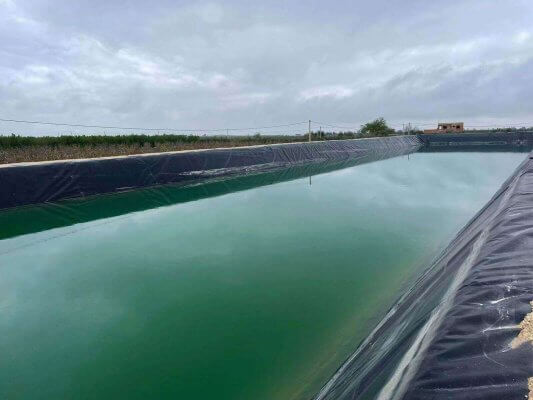
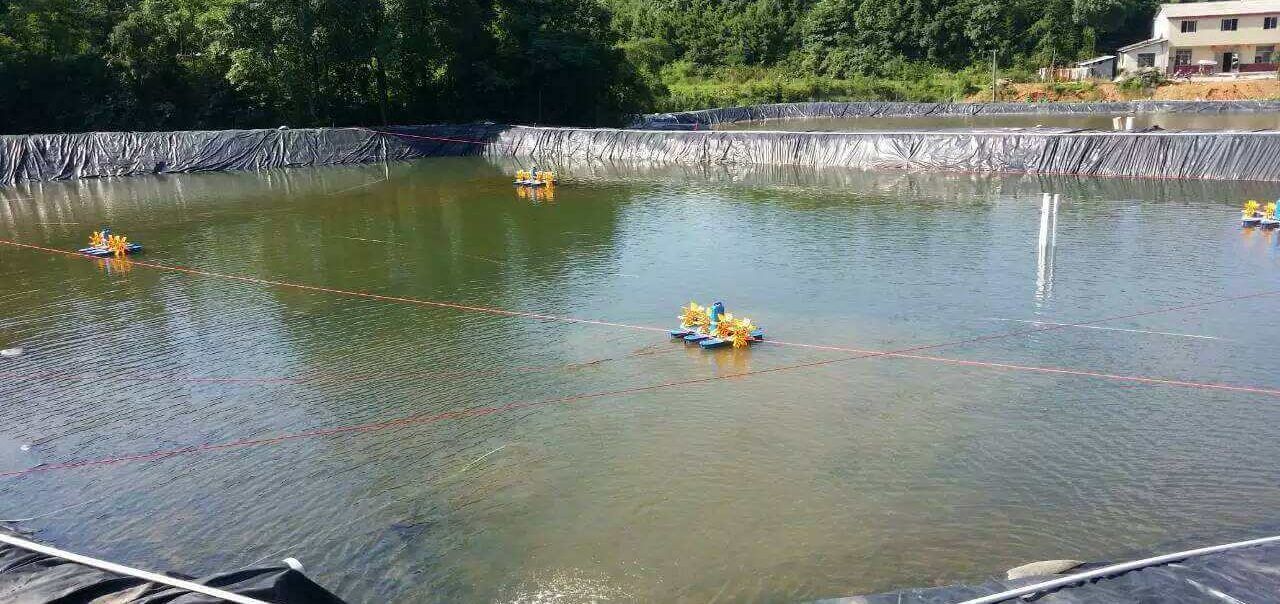
Polyethylene pond liners (PE pond liners) are particularly popular because of their durability, flexibility, and affordability. They are designed to withstand extreme weather conditions, UV rays, and punctures, making them a great choice for long-lasting ponds,for example, aquaculture ponds, landfill, mining,water reservoir,cannals.

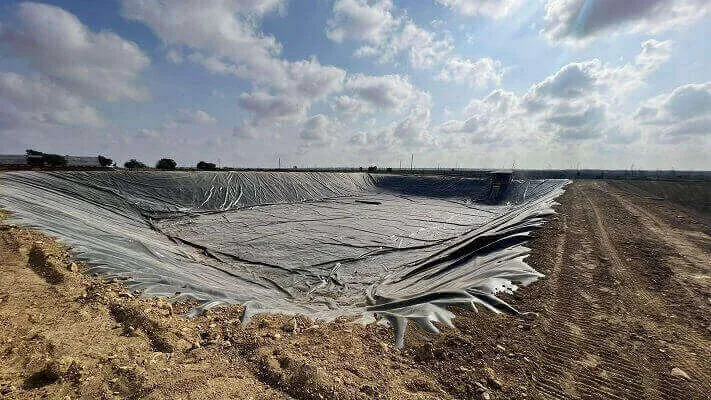
Why Choose a Polyethylene Pond Liner?
Polyethylene pond liners are popular choice for pond builders. They offer a good balance between affordability and durability. Here are some advantages of polyethylene pond liners:
- Durability:Polyethylene pond liners are built to last. They resist wear and tear, punctures, and UV rays, making them ideal for outdoor use.
- Flexibility:Even though polyethylene liners are tough, they are also flexible. This makes them easy to install and adapt to different pond shapes and sizes.
- Eco-Friendly:Many PE pond liners are made from non-toxic materials, and our pe pond liner use the 100%virgin resin, making them safe for aquatic life.
- Cost-Effective:Compared to other materials, polyethylene liners are affordable and provide excellent value for their durability and performance.
On the downside, polyethylene pond liners can be a bit more expensive than plastic liners, but the added durability often makes them worth the investment.
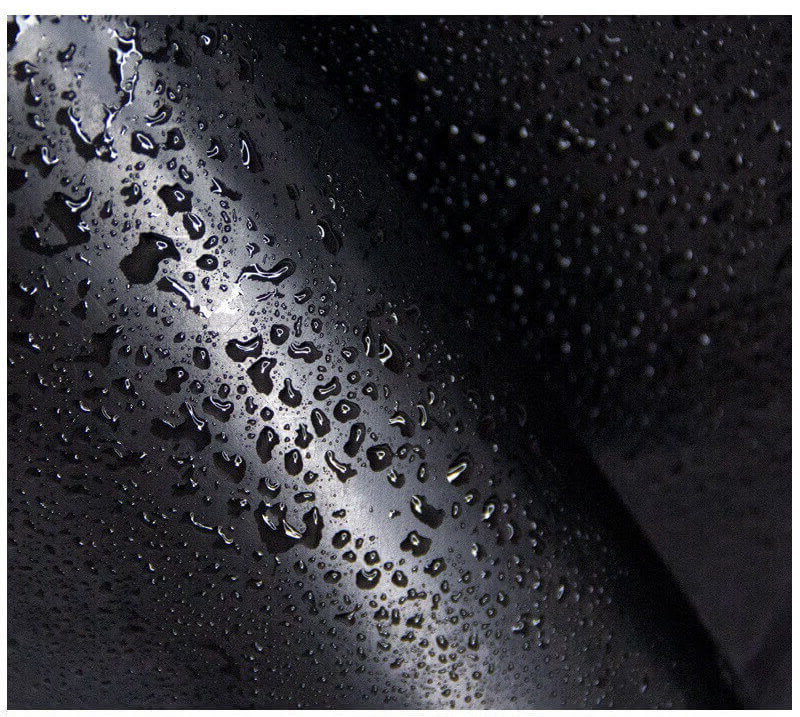

Types of Plastic Pond Liners
When choosing a pond liner, you could find various materials. Here’s a breakdown:
1. Polyethylene (PE)
Lightweight and strong.
Highly resistant to UV rays and punctures.
Ideal for large ponds or heavy-duty applications.
2. PVC (Polyvinyl Chloride)
Affordable and easy to install.
Flexible but less durable than PE liners.
3. EPDM (Ethylene Propylene Diene Monomer)
Extremely flexible and long-lasting.
Great for irregularly shaped ponds.
More expensive than PE and PVC liners.
4. Reinforced Polyethylene (RPE)
A hybrid of strength and flexibility.
Even more durable than standard polyethylene liners.
Advantages of Using Plastic Pond Liners
Waterproofing: Ensures no water seeps into the ground.
Low Maintenance: Durable materials require minimal upkeep.
Versatility: Suitable for various shapes and sizes of ponds.
Eco-Friendly Options: Many liners are safe for fish and plants.
How to Choose the Right Pond Liner
When deciding on a pond liner, consider the following factors:
- Pond Size and Shape: The size and shape of your pond will influence the type of liner you need. Flexible liners like polyethylene and PE are great for irregularly shaped ponds.
- Budget: Determine how much you’re willing to spend. While plastic liners are cheaper, investing in a more durable material can save you money in the long run.
- Durability: Think about the longevity of the liner. If you want a liner that will last for many years, polyethylene or PE liners are excellent choices.
- Ease of Installation: Consider how easy the liner is to install. Flexible liners are generally easier to work with, especially for DIY projects.
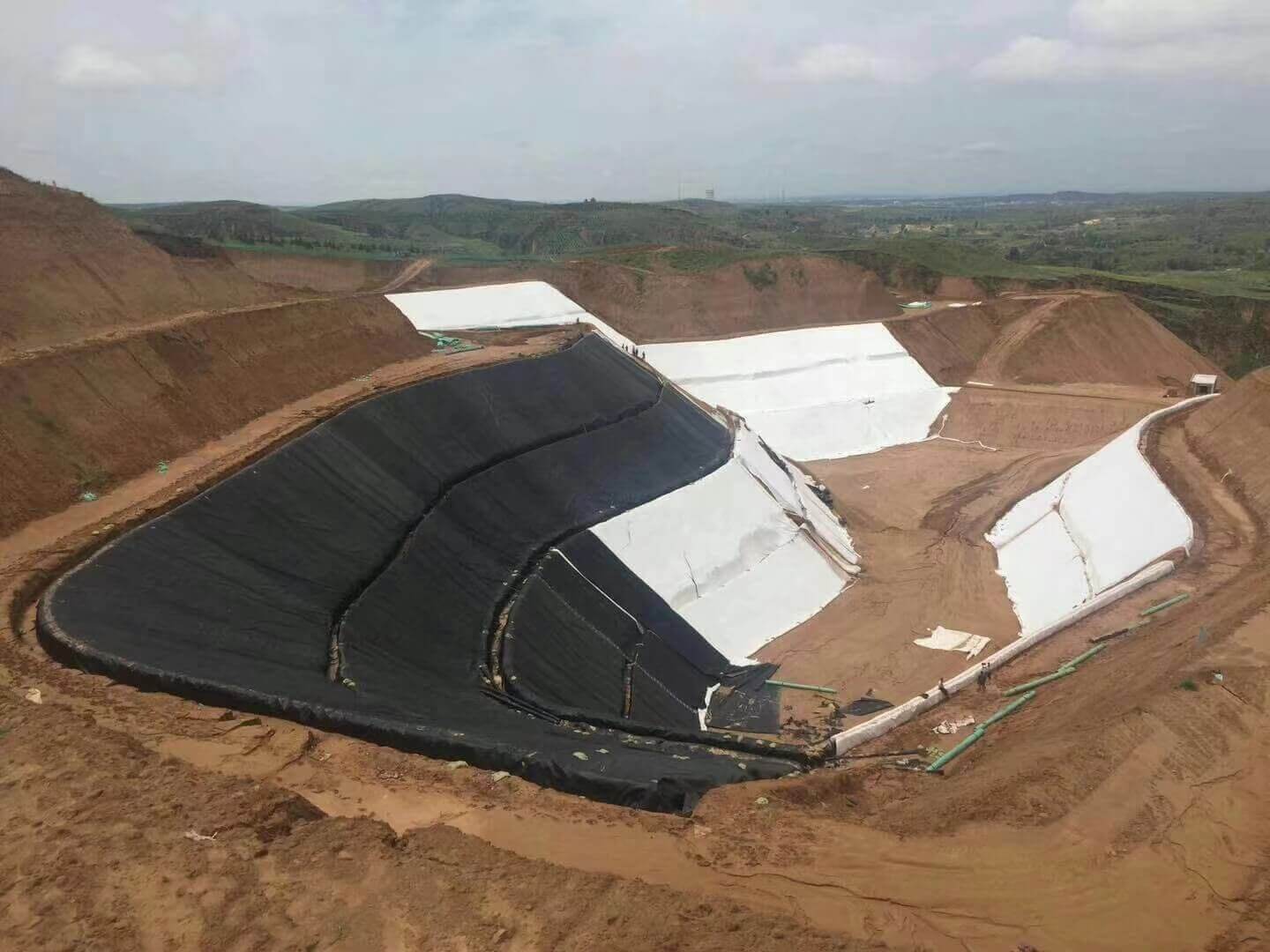
Steps to Install a Plastic Pond Liner
Prepare the Pond Area: Clear the area of any sharp objects, rocks, or debris that could puncture the liner.
Create a Smooth Surface: Use a layer of sand or an underlayment material to create a smooth surface for the liner to rest on.
Lay the Liner Carefully: Unroll the liner and position it over the pond area. Smooth out any wrinkles and folds.
Secure the Edges: Secure the edges of the liner with rocks or other heavy objects to keep it in place.
Fill the Pond: Slowly fill the pond with water, adjusting the liner as needed to ensure it fits properly.


Maintaining Your Pond Liner
Maintaining your pond liner is crucial to keeping your pond in good condition. Here are some maintenance tips:
Regular Inspections: Check the liner regularly for any signs of damage or wear.
Remove Debris: Keep the pond clean by removing leaves, twigs, and other debris that could damage the liner.
Protect from UV Rays: If your liner is not UV resistant, consider adding a protective layer, like rocks or plants, to shield it from the sun.
Repair Punctures Promptly: If you notice any punctures or tears, repair them immediately to prevent leaks.
FAQ: Frequently Asked Questions About Pond Liners
1. How long does a polyethylene pond liner last?
A high-quality polyethylene pond liner can last 8-30 years with proper care and installation.
2. Are polyethylene pond liners safe for fish?
Yes, our hdpe and LLDPE pond liner use 100%virgin resin, non-toxic, safe and clean for the aquaculture.
3. What is the best thickness for a pond liner?
For garden ponds and fish shrimp ponds, a thickness of 0.5mm to 1.5mm is sufficient.
For agriculture water ponds, 1mm to 2mm is ok, and for landfill mining ponds, 1.5mm to 3mm is firstly considered.
4. Can I repair a damaged pond liner?
Yes, small tears can be fixed using repair kits specifically designed for pond liners.
5. Do I need an underlayment for my pond liner?
Yes, an underlayment helps protect the liner from sharp objects and increases its lifespan.Some projects use the Geotextile as the protector.
People Also Ask
What is the best material for a pond liner?- HDPE or LLDPE pond liner
Can I use a tarp as a pond liner?-Yes, it can be, but it is ok for small ponds, if it is a big pond, HDPE is suggested.
What is the difference between polyethylene and PVC pond liners?-The PE pond liner have better resistance for the chemical and UV,and PE price is cheaper, and PE is environmental.
Is it necessary to cover the pond liner with rocks?-No need, the hdpe pond liner have high strength, very strong.And will be buryed into anchor.
A plastic pond liner is an essential part of building a pond, providing a durable and waterproof solution for any size or shape. Among the many options, polyethylene pond liners stand out for their strength, flexibility, and cost-effectiveness.
If you’re planning a pond project, take your time choosing the right pond liner material, and don’t hesitate to seek advice from us, we can provide the good solutions for you!
Recent Post
Aquaculture Pond Lining in Indonesia | From Design to Installation
From Project Drawing to Water Filling: An Aquaculture Pond Lining Project in Indonesia This aquaculture pond project in Indonesia started with a project drawing.The customer firstly contacted us
When Is Geotextile Really Necessary?
When Is Geotextile Really Necessary in Civil Engineering Projects? Geotextiles are widely used in modern infrastructure and environmental engineering. However, a common question among engineers, designers, and contractors is: Is geotextile always necessary? In
Woven Polypropylene Geotextile Manufacturer | Engineering Grade & Landscape Fabric
Woven Polypropylene Geotextile Manufacturer | Engineering Grade & Landscape Fabric By Planetliner — Manufacturer of High-Performance Woven PP Fabrics for Global Projects Woven polypropylene geotextile has become a fundamental material in civil engineering, environmental protection,