
The Ultimate Guide to Pond Liner Cost HDPE EPDM RPE Bentonite Clay &Installation
Building or repairing a pond is an exciting project, but one of the most common questions for homeowners, farmers, and contractors is: “How much does a pond liner cost?” The price of a pond liner depends on several factors,for example, material type, thickness, pond size, and installation requirements. As a manufacturer of pond liner, we will show you pond liner cost per square foot, compare different materials, and provide real-world cost examples for ponds ranging from backyard koi ponds to large farm ponds.Prices vary by thickness, order volume, and shipping destination.
| Material | Thickness | Estimated Price Range (USD/sq.ft) |
|---|---|---|
| HDPE | 20 mil | $0.20 – $0.35 |
| HDPE | 40 mil | $0.35 – $0.60 |
| LLDPE | 30 mil | $0.30 – $0.55 |

What Is a Pond Liner and Why Does Cost Matter?
A pond liner is a waterproof membrane installed at the bottom of a pond to prevent water from seeping into the soil. It is used as the foundation of your water feature, whether you are creating a small decorative garden pond, a farm pond for irrigation, or a large commercial aquaculture operation.
The right pond liner keep water level, protects surrounding soil from saturation, and maintains the pond ecosystem. Choosing the right material and thickness for your specific needs is crucial for the longevity and functionality of your pond.
Different types of pond liners (such as HDPE geomembrane, RPE,PVC, EPDM rubber, and Bentonite clay) vary in cost, thickness, and performance. Understanding these differences helps you budget more accurately.
Types of Pond Liners: Materials, Advantages, and Disadvantages
1. HDPE (High-Density Polyethylene) Liners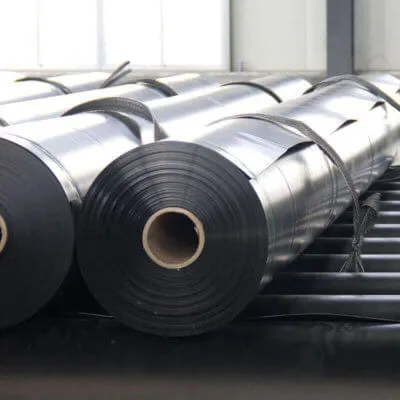
HDPE geomembranes are among the most popular choices for large-scale and commercial applications. These synthetic liners are known for their durability and chemical resistance.
As a manufacturer and exporter of HDPE geomembrane pond liner,we can produce 0.3mm 0.5mm 0.75mm 1mm and 1.5mm 2mm thickness for ponds.Our pond liner max roll width is 8meter, and roll length can be customized. The popular color is Black color, and other colors can be done according to requirement.
Advantages:
Excellent chemical resistance against acids, alkalis, and organic solvents
High UV resistance, making them suitable for exposed applications
Resistant to temperature extremes
Typically have a long lifespan of 10+ years
Available in large widths up to 8 meters
Disadvantages:
Less flexible than some other materials
Can be more challenging to install in complex shapes
May require professional welding for seams
Common Applications: Large Water pond, Aquaculture ponds, Waste landfill, Mining projects,and Energy projects.
Cost: $0.75-$2.10 per square foot
2. RPE (Reinforced Polyethylene) Liners
RPE liners are relatively newer to the market but have gained popularity due to their high strength-to-weight ratio. These liners are reinforced with scrim material for added durability.
Advantages:
Higher puncture resistance than many other materials
Lighter weight than EPDM of equivalent thickness
Often more flexible at lower temperatures
Typically available in large sheets
Disadvantages:
Higher cost per square foot than basic polyethylene
May require specific installation techniques
Common Applications: Koi ponds, decorative water features, and medium-sized agricultural ponds.
Cost: $0.98-$2.10 per square foot
3. EPDM (Ethylene Propylene Diene Monomer) Liners
EPDM rubber liners are extremely flexible and durable, making them popular for ornamental ponds and water features with irregular shapes.
Advantages:
Exceptional flexibility conforms to irregular shapes
Resistant to UV radiation and temperature extremes
Environmentally safe option for fish and plants
Typically has a 10-30 year lifespan
Disadvantages:
Can be damaged by certain chemicals and oils
May require underlayment for protection against punctures
Generally more expensive than polyethylene options
Common Applications: Koi ponds, garden ponds, water features, and wildlife ponds.
Cost: $1.50-$3.50 per square foot
4. PVC (Polyvinyl Chloride) Liners
PVC pond liners offer an economical solution for small to medium-sized ponds. They provide good flexibility at a lower price point than many alternatives.
Advantages:
Most budget-friendly option
Reasonably flexible and easy to install
Available in various thicknesses
Can be heat-welded for custom sizes
Disadvantages:
Becomes less flexible in cold temperatures
Can degrade with prolonged UV exposure
Generally shorter lifespan than EPDM or HDPE
May contain chemicals that can leach into water
Common Applications: Small garden ponds, temporary ponds, and seasonal water features.
Cost: $0.50-$1.50 per square foot
5. Bentonite Clay Liners
Bentonite clay liners provide a natural sealing solution that expands when wet to create an impermeable layer.
Advantages:
Natural material without synthetic components
Self-healing properties when damaged
Can be effective for certain soil types
No need for precise shaping of pond bottom
Disadvantages:
Requires specific soil conditions to work effectively
Water clarity can be affected
Not suitable for all geographic areas
Application can be tricky without experience
Common Applications: Natural ponds, irrigation ponds, and situations where synthetic liners are undesirable.
Cost: $0.50-$1.00 per square foot (material only)
Average Pond Liner Cost per Square Foot

On average, pond liner cost per square foot ranges from $0.30 to $3.00 depending on the material and thickness:
HDPE Pond Liner: $0.50 – $2.10 per sq ft
PVC Pond Liner: $0.40 – $1.60 per sq ft
EPDM Rubber Pond Liner: $0.70 – $1.50 per sq ft
Bentonite Pond Liner (clay): $0.35 – $1.00 per sq ft (but requires professional installation)
Keep in mind that labor, soil preparation, and protective layers (such as geotextile underlayment) can add another $0.50 – $1.00 per sq ft to total project costs.
| Liner Type | Durability | Flexibility | Lifespan | Cost per SF |
|---|---|---|---|---|
| HDPE | Excellent | Moderate | 20+ years | $0.5-$2.10 |
| RPE | Excellent | Good | 20+ years | $0.98-$2.10 |
| EPDM | Excellent | Excellent | 20-30 years | $1.50-$3.50 |
| PVC | Good | Good | 10-15 years | $0.40-$1.60 |
| Bentonite | Variable | N/A | Varies | $0.35-$1.00 |
Pond Liner Cost by Size
Here are typical price ranges for different pond sizes (liner only, not including installation):
| Pond Size | Square Footage | PVC Cost | HDPE Cost | EPDM Cost |
|---|---|---|---|---|
| 50′ x 50′ | 2,500 SF | $1,250-$3,750 | $1,875-$5,250 | $3,750-$8,750 |
| 100′ x 100′ | 10,000 SF | $5,000-$15,000 | $7,500-$21,000 | $15,000-$35,000 |
| ¼ Acre | 10,890 SF | $5,445-$16,335 | $8,168-$22,869 | $16,335-$38,115 |
| ½ Acre | 21,780 SF | $10,890-$32,670 | $16,335-$45,738 | $32,670-$76,230 |
| 1 Acre | 43,560 SF | $21,780-$65,340 | $32,670-$91,476 | $65,340-$152,460 |
1 acre pond liner cost varies greatly depending on whether you choose HDPE geomembrane (best for long-term durability) or bentonite clay (lower upfront material cost but higher installation fees).
Cost of Building a 1 Acre Pond
Aside from liner material, the total cost to build a 1 acre pond also includes excavation, grading, liner installation, and protective layers. On average:
Excavation & site prep: $10,000 – $30,000
1 acre pond liner (HDPE, 40–60 mil thick): $15,000 – $50,000
Labor & installation: $5,000 – $15,000
Total cost of building a 1 acre pond can range from $30,000 to $100,000+ depending on soil conditions and design complexity.
Additional Costs to Consider
Beyond the liner material itself, several other expenses contribute to the total cost of installing a pond liner:
1. Underlayment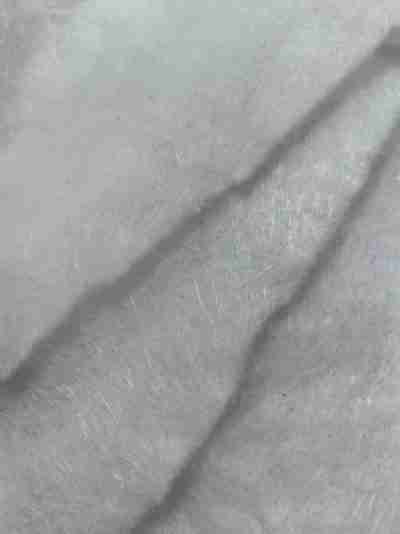
A protective underlayment is essential for most pond liners (especially synthetic ones) to prevent punctures from rocks, roots, and other sharp objects.And the popular one is non woven geotextile, and normally 200g/sqm. Underlayment typically adds $0.15-$0.30 per square foot to your total cost.
2. Installation Costs
Professional installation adds significantly to your total budget but ensures proper placement and longevity:
Small ponds: $500-$2,000
Medium ponds (¼ to ½ acre): $2,000-$8,000
Large ponds (1 acre+): $8,000-$20,000+
Installation costs vary based on pond accessibility, terrain, and local labor rates.
3. Equipment and Additional Features
Don’t forget to budget for essential pond equipment:
Pumps and filters: $200-$2,000+
Aeration systems: $300-$1,500
Skimmers and bottom drains: $100-$800 each
Edging materials: $3-$10 per linear foot
What Is the Cost of Repairing a Pond Liner Leak?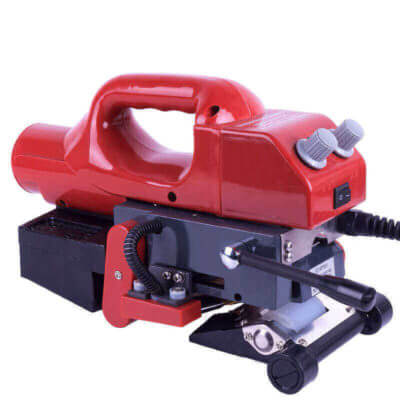
Repair costs depend on the extent of damage and material type:
Small puncture repair kits: $50 – $200
Professional patching (per sq ft): $2 – $5
Full replacement: May be required if the liner is old, brittle, or badly torn.
For large ponds, repairing leaks is often more expensive than proper installation with a durable liner from the start.
How to Save Money on Pond Liner Costs
Choose the right material for your needs: Don’t overpay for features you don’t need. A decorative garden pond doesn’t require the same specification as a commercial fish farm.
Consider thickness carefully: Thicker liners cost more but offer greater durability. For most residential applications, 20-45 mil thickness provides the best balance of cost and protection.
Install during the off-season: Some contractors offer discounts during slower periods, typically late fall and winter.
Prepare the site yourself: Proper site preparation (clearing, grading, and digging) can account for 20-30% of installation costs. Doing this yourself can lead to significant savings.
Compare quotes from multiple suppliers: Prices can vary significantly between manufacturers and suppliers.
Building a Aquaculture Koi Pond: Cost Considerations
Koi ponds have specific requirements that affect their overall cost:
Depth requirements: Koi ponds should be at least 3 feet deep, preferably 4-5 feet in colder climates
Advanced filtration: Koi produce more waste than other fish, necessitating better filtration systems
Liner quality: EPDM or RPE liners are recommended for their durability and fish safety
Additional features: Bottom drains, settling chambers, and biological filters add to the cost
A basic small koi pond (8’x11′) might cost a few thousand dollars all-in, while custom koi ponds with concrete walls and high-end filtration can reach $30,000 or more.
Making the Right Choice for Your Pond
Choosing the right pond liner is a critical investment in the success of your water feature. By understanding the different materials, their costs, and the additional expenses of installation and maintenance, you can create a budget that aligns with your vision and ensures a beautiful, long-lasting pond for years to come. If you have any question,our engineers can give solutions and support you on the pond liner, follow our Linkedin Youtube Facebook Instagram for more information!
FAQ
1.How much does HDPE pond liner cost per square foot?
HDPE pond liner cost depends on thickness, order volume, and project location. For most projects, the price typically ranges from about $0.20 to $0.80 per square foot.
2.Which is cheaper: HDPE or LLDPE pond liner?
HDPE is generally more cost-effective for large, flat applications, while LLDPE is often selected for projects requiring higher flexibility.
Recent Post
Aquaculture Pond Lining in Indonesia | From Design to Installation
From Project Drawing to Water Filling: An Aquaculture Pond Lining Project in Indonesia This aquaculture pond project in Indonesia started with a project drawing.The customer firstly contacted us
When Is Geotextile Really Necessary?
When Is Geotextile Really Necessary in Civil Engineering Projects? Geotextiles are widely used in modern infrastructure and environmental engineering. However, a common question among engineers, designers, and contractors is: Is geotextile always necessary? In
Woven Polypropylene Geotextile Manufacturer | Engineering Grade & Landscape Fabric
Woven Polypropylene Geotextile Manufacturer | Engineering Grade & Landscape Fabric By Planetliner — Manufacturer of High-Performance Woven PP Fabrics for Global Projects Woven polypropylene geotextile has become a fundamental material in civil engineering, environmental protection,