The Best Pond Liner Material: HDPE Geomembrane Liner
If you are planning to build a pond,whether it is a fish pond, garden water pond, or managing water on your farm, it is very important to choose the right pond liner material . A good liner ensures your pond holds water, stays clean, and lasts for many years.
What Is a Pond Liner and Why Do You Need One?
A pond liner is a waterproof barrier placed at the bottom of a pond to prevent water from seeping into the ground. Whether you are making a small garden pond or a large fish pond, a liner is necessary.
The pond liner is the waterproof barrier that keeps the water, preventing it from seeping into the ground. If this choice right,you can get a healthy, low-maintenance pond,but if choose wrong material, you would be facing leaks, repairs, and a whole lot of frustration.
Durability: How well will it stand up to rocks, roots, and the sunshine UV rays?
Flexibility: How easily will it conform to the shape of your pond?
Fish and Plant Safety: Is the material safe for your aquaculture friends?
Cost: What is your budget for the project?
Lifespan: How long will your pond liner last before it needs to be replaced?

4 Popular Pond Liner Materials
1. High-Density Polyethylene (HDPE)
If you are looking for the king of pond liners, many experts will suggest you to HDPE. HDPE pond liners are known for their strength and durability. In fact, an HDPE liner is often the top choice for larger projects like farm ponds and reservoirs, but it is also a good option for backyard ponds.
HDPE liner is made from HDPE resin and carbon black, which gives it excellent UV resistance. That means it will not break down easily, even when exposed to direct sunlight.
Pros:
Extremely durable and puncture-resistant
Excellent UV resistance
Chemical-resistant
Long lifespan (often 20+ years)
Cost-effective for its durability
Cons:
Less flexible than other materials, which can make installation a bit tricky in ponds with tight corners and lots of shelves.
A high density polyethylene pond liner is a fantastic all-around choice, especially if you are building a large pond or want the peace of mind that comes with a super-durable material. You will often find high density polyethylene rolls for sale, which can be cut to the size you need.
2. Linear low density polyethylene (LLDPE)
Think of LLDPE as the more flexible cousin of HDPE. It is still a type of polyethylene (pe pond liner), but it is not as dense, which gives it more flexibility. This makes it a great choice for smaller, more intricately shaped ponds.
LLDPE liner is also a great option for ponds for fish. It is a fish-safe material that will not leach harmful chemicals into the water, making it a healthy choice for your goldfish or koi.
Pros:
More flexible than HDPE, making it easier to install
Still very durable and puncture-resistant
Fish-safe
Cost-effective
Cons:
Not quite as durable as HDPE
If you’re looking for a good balance of durability and flexibility, LLDPE is a fantastic choice.
3. EPDM (Ethylene Propylene Diene Monomer)
For a long time, EPDM was the go-to choice for backyard ponds, and it is still a very popular option. EPDM is a type of synthetic rubber, and its biggest selling point is its incredible flexibility. You can stretch it and fold it to fit just about any pond shape you can imagine.
EPDM is also very durable and fish-safe. However, it’s one of the heaviest materials on the market, which can make it more difficult to install, especially for a large pond.
Pros:
Extremely flexible and easy to install
Very durable
Fish-safe
Long lifespan
Cons:
Heavier than other materials
Can be more expensive than polyethylene liners
4. PVC (Polyvinyl Chloride)
PVC is the most budget-friendly option on our list. It’s a very flexible material, similar to EPDM, which makes it easy to work with. However, it’s not as durable as other options, and it’s not as resistant to UV rays. This means it can become brittle and crack over time if it’s exposed to the sun.
If you’re on a tight budget and you plan on covering your liner completely with soil, rocks, or a pond liner fabric underlayment, PVC could be a viable option. However, for a long-term, durable pond, it’s usually worth investing in a higher-quality material.
Pros:
Very affordable
Very flexible
Cons:
Not very durable
Not UV-resistant
May not be fish-safe (look for specific “fish-safe” PVC liners)
Factors to Consider When Choosing Pond Liner Material
When picking a liner, don’t just go by price. Consider the following:
1. Pond Size and Shape
A large, irregular-shaped pond might need a more flexible liner, while a smaller, round pond might work well with a rigid plastic liner.
2. Fish or No Fish?
If your pond will have fish like koi or goldfish, use a non-toxic, fish-safe liner like HDPE pond liner or PE liners.
3. Sunlight Exposure
UV-resistant liners like HDPE and geomembrane liners are best for full-sun installations.
4. Budget
Plastic pond liners are usually cheaper but may not last as long. HDPE and geomembrane liners cost more upfront but can save on long-term maintenance.
5. Soil Conditions
Rocky or unstable soil? Go for a stronger liner like 60 mil HDPE with a protective pond liner fabric underneath.
Rigid vs Flexible: What’s the Deal with Hard Plastic Pond Liners?
So far, we’ve been talking about flexible liners that come in rolls. But there’s another option: hard plastic pond liners, also known as preformed or pond rigid liners. These are essentially pre-shaped pond shells that you drop into a hole you’ve dug.
Pros:
Easy to install
Very durable
Cons:
Limited shapes and sizes
Can be more expensive than flexible liners
Can crack in freezing temperatures
A round pond liner that’s preformed can be a great option for a small, simple pond. But if you want a custom shape or a large pond liner, a flexible material is the way to go.
Best Pond liner:HDPE Liners (High-Density Polyethylene)
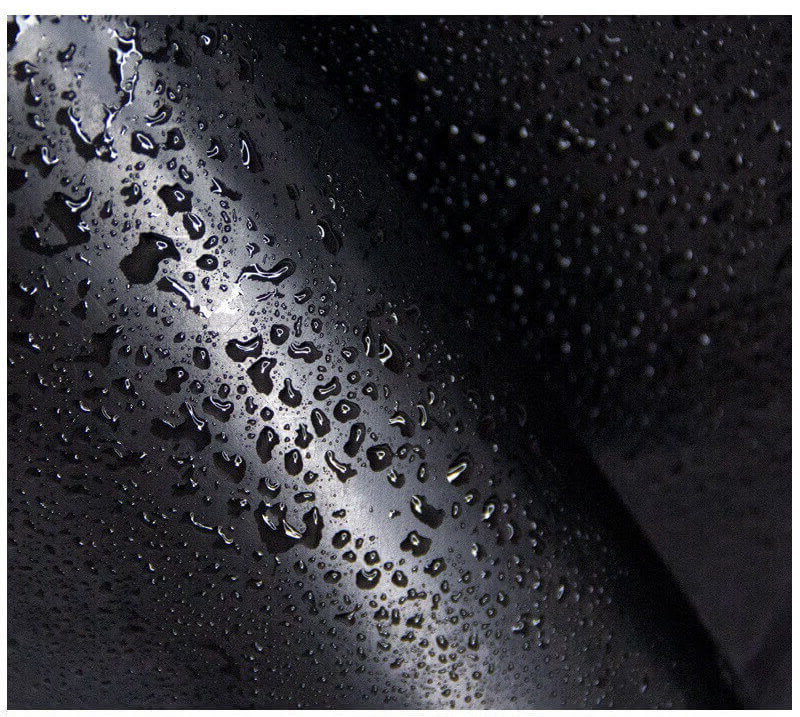
Now, let’s talk about the star: HDPE pond liner, or high density polyethylene pond liner. This is the geomembrane liner professionals often turn to for critical projects, and for excellent reasons. Think of high density polyethylene roll material as incredibly tough, woven plastic sheets.
Unmatched Toughness: HDPE liner is renowned for its incredible puncture and tear resistance. Those rocks and roots? Barely a scratch. This is crucial for pond liner big projects or any pond where durability is paramount.
UV Invincibility: It boasts exceptional resistance to ultraviolet light degradation. While no plastic lasts forever, HDPE liner often comes with warranties of 20+ years – it’s built for the long haul under the sun.
Chemical Resistance: Highly resistant to a wide range of chemicals found in soils, water, or even fish waste, keeping your water clean and the liner intact.
Flexibility (When Warm): While stiffer than EPDM at room temperature, high density polyethylene pond liner becomes more flexible when warm (like on a sunny installation day), allowing it to conform reasonably well to contours.
Cost-Effective Longevity: While the upfront cost might be slightly higher than PVC, its vastly superior lifespan and durability make it a smarter investment over time, especially for large pond liners for sale. You pay more now to avoid costly repairs or replacements later.

Choosing the Right Thickness: 40 Mil vs 60 Mil Pond Liner
One of the biggest decisions in pond lining is choosing the thickness of the liner.
40 mil HDPE (Pond Liner 40 mil): A solid choice for many medium-sized residential ponds without major rock hazards. Offers great value and durability. Widely available as 40 mil pond liner.
60 mil HDPE (60 mil pond liner): The go-to thickness for demanding applications: big pond liners, ponds with rocky bottoms, farm pond liners, high-traffic areas, or where maximum puncture resistance and long-term security are top priorities. Think pond liner big or geomembrane pond liner needs. Offers significantly enhanced durability over 40 mil.
If you need a big pond liner for sale, go for 60 mil HDPE—it provides extra durability and longer life.
Why Pros Love HDPE Geomembranes
When you see geomembrane liner specified for large-scale water containment (like reservoirs, landfills, or aquaculture), it’s very often HDPE. That professional endorsement speaks volumes about its reliability and performance as a high density polyethylene liner.
HDPE vs. EPDM: Which One Wins for Your Pond?
Both are top-tier choices. Here’s the quick breakdown:
Choose HDPE if:
You need maximum puncture resistance (rocky soil, potential for sharp objects).
You want the absolute longest lifespan under intense UV.
You’re installing a very large pond liner or pond liner big project where seam strength is critical (HDPE seams are thermally welded, creating incredibly strong bonds).
Cost-effective longevity for large areas is key.
Choose EPDM if:
Your pond has a very complex, irregular shape with lots of folds and curves needed.
You prioritize maximum flexibility for easier DIY handling.
Budget allows for its typically higher price per square foot.
You need a softer-feeling bottom (though HDPE is still fish-safe).
Beyond the Material: Key Pond Liner Considerations
Size Matters: Measure meticulously! Add at least 2 feet extra on all sides (more for depth and overlap) for the liner to extend beyond the water’s edge and anchor properly. Don’t underestimate for big pond liners for sale – get it right! Look for suppliers specializing in large pond liners.
Underlayment is NOT Optional: This protective layer (pond liner fabric like geotextile felt) goes under your liner. It cushions against punctures from rocks or roots and protects the liner from soil abrasion. Skipping this is asking for trouble. Think of it as shock absorption for your liner.
Professional Installation Pays Off: Especially for HDPE which requires specialized thermal welding equipment for seams, or for large pond liners for sale, professional installation is highly recommended. Proper seaming is critical to prevent leaks. DIY is possible with EPDM and smaller PVC liners with careful preparation.
Avoid the Black Plastic Trap: Generic black plastic liner (like construction poly or trash bags) is NOT pond liner material. It degrades rapidly in sunlight and is extremely puncture-prone. It’s a waste of money and effort.
How to Install a Pond Liner
Installation varies based on the type, but here’s a basic guide:
Excavate the pond – remove rocks, roots, and debris.
Add a liner underlayment – use pond liner fabric or sand for cushion and protection.
Place the liner – unfold and lay the liner flat, with enough overlap at the edges.
Fill the pond – as water fills in, adjust and smooth the liner.
Trim and anchor edges – tuck the edges and cover with rocks or turf.


Common Questions About Pond Liners
1What is the best pond liner for fish?
A high density polyethylene pond liner is a top choice. It’s safe for aquatic life, resistant to algae, and long-lasting.
2.Can I use plastic sheeting for a pond?
Only if it’s a UV-resistant, thick plastic like HDPE. Thin black plastic liner used for construction or gardening may tear easily.
3.What if my pond is round or odd-shaped?
Use a round pond liner or a flexible geomembrane sheet. You can cut and fold as needed during installation.
4.Are hard plastic liners better?
Hard liners are durable but limited in size and shape. They’re great for small ponds but not ideal for large or deep water bodies.
The right pond liner material is the foundation of a successful pond. Whether you need a plastic pond liner for a backyard fish pond or a geomembrane liner for a farm reservoir, the key is to match your liner with your project size, location, and purpose.
If you’re unsure, HDPE liners—especially 40 mil or 60 mil pond liners—are the industry standard for durability, affordability, and safety.
Want to build a pond that lasts 20 years or more? Choose the right material, install it properly, and enjoy a beautiful, low-maintenance pond for years to come. Please follow our Linkedin Facebook for more details!
Recent Post
Aquaculture Pond Lining in Indonesia | From Design to Installation
From Project Drawing to Water Filling: An Aquaculture Pond Lining Project in Indonesia This aquaculture pond project in Indonesia started with a project drawing.The customer firstly contacted us
When Is Geotextile Really Necessary?
When Is Geotextile Really Necessary in Civil Engineering Projects? Geotextiles are widely used in modern infrastructure and environmental engineering. However, a common question among engineers, designers, and contractors is: Is geotextile always necessary? In
Woven Polypropylene Geotextile Manufacturer | Engineering Grade & Landscape Fabric
Woven Polypropylene Geotextile Manufacturer | Engineering Grade & Landscape Fabric By Planetliner — Manufacturer of High-Performance Woven PP Fabrics for Global Projects Woven polypropylene geotextile has become a fundamental material in civil engineering, environmental protection,