
Pond Liner Thickness Guide: How to Choose 20, 30 40 or 60 mil
If you are building a pond, one of the most important decisions you will make is selecting the right pond liner thickness. This choice determines the ponds lifetime, and also how well it protects against leaks, punctures, and environmental factors. Whether you are creating a small garden feature or a large aquaculture operation, understanding pond liner thickness ensures your investment stands the test of time.. The liner acts as the impermeable barrier that keeps water inside, protects against leaks, and ensures long-term durability. But with so many sizes, materials, and thickness options, many people wonder: How thick should a pond liner be?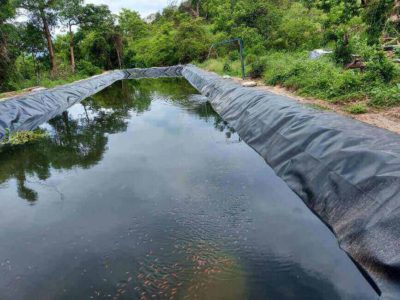
The answer is not a simple number,for example,30-45 mil for residential ponds, 60-100 mil for large koi ponds, and even thicker for commercial applications. The best pond liner thickness depends entirely on your project situation. Choosing a thin liner can lead to leaks and costly repairs, while overspending on an unnecessarily thick liner can be a waste of your budget and a headache to install.
1.Basic knowledge Pond Liner Thickness: Mils vs. Millimeters
In the world of plastic linings, you’ll see thickness described in mils or sometimes millimeters (mm). It can be confusing, so here’s a simple breakdown:
- 1 mil = 0.001 inches
- 1 millimeter (mm) ≈ 39.37 mils
To make it easy, here are the most common thicknesses you’ll encounter:
- 20 Mil Liner ≈ 0.51 mm
- 30 Mil Liner ≈ 0.76 mm
- 40 Mil Liner ≈ 1.01 mm
- 1mm Thick Pond Liner is roughly equivalent to a 40 Mil liner.
Now, let’s explore which thickness is right for your application.
2.Why Pond Liner Thickness is So Important?
Think of your pond liner as the ultimate waterproof barrier—an impermeable membrane designed to keep water in and ground contaminants out. The thickness of this membrane, measured in “mils” (one-thousandth of an inch), is its first line of defense against a variety of threats:

- Puncture Resistance: Sharp rocks, roots, animal claws, and even foot traffic during installation can puncture a liner. A thicker liner offers significantly more resistance.
- Durability & Lifespan: Thicker materials are generally more robust and better able to withstand the effects of UV radiation, temperature changes, and general wear and tear over decades.For example A 45 mil pond liner, for example, lasts much longer than a 20 mil pond liner.
- Subgrade Imperfections: No ground is perfectly smooth. A thicker, more substantial liner is more forgiving and can better mold itself over minor bumps and divots in the soil without being compromised.
- Flexibility – Thinner liners are easier to install but may not be suitable for large or permanent ponds.
- Cost – Thicker liners cost more per square foot but reduce replacement and repair costs in the long run.
In short, selecting the right thickness is your best insurance policy for a long-lasting, leak-free pond.Choosing the wrong thickness can lead to leakage, wrinkles, or premature failure.
3.Beyond Pond liner Thickness: Pond Liner Materials Matter Too
Thickness is not the only factor in choosing a pond liner. The material significantly impacts performance, flexibility, and longevity:
HDPE (High-Density Polyethylene): Very strong, chemical-resistant, and suitable for large pond liners or impermeable membranes in industrial and farm use, as a supplier of hdpe geomembrane, visit HDPE pond liner thickness.
LLDPE (Linear Low-Density Polyethylene): More flexible than HDPE, conforms well to irregular shapes.
- LDPE (Low-Density Polyethylene): Affordable but thinner and less durable than HDPE/LLDPE.
EPDM (Ethylene Propylene Diene Monomer): Very flexible and great for fish ponds, but generally more expensive and heavy.
RPE (Reinforced Polyethylene): Combines polyethylene with a reinforcement scrim for exceptional strength-to-weight ratio. Can last 20+ years even at thinner profiles10.
PVC (Polyvinyl Chloride): Flexible and affordable, but may become brittle over time when exposed to UV light. Some come with 20-year warranties4.
4.Factors Influencing How Thick Your Pond Liner Should Be
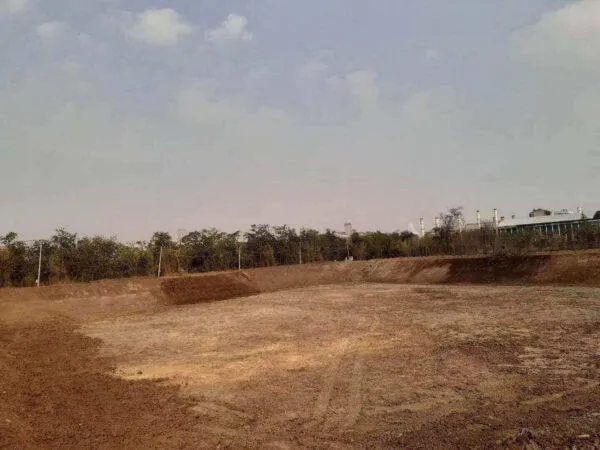
When deciding how thick should pond liner be for your project, consider these crucial factors:
Pond Size and Depth: Larger, deeper ponds require thicker liners to withstand greater water pressure.
Substrate Conditions: Rocky or rough terrain necessitates thicker liners or protective underlayment to prevent punctures.
Water Temperature: Ponds in extreme climates may need thicker, more flexible materials that can expand and contract.
Aquatic Life: Ponds with fish (especially koi) often require thicker liners to withstand their activity and potential predator attacks.
Expected Lifespan: How long do you want your pond to last? Thicker liners generally offer longer service life.The pond liner raw material affect the life easily.
Budget Considerations: While thicker liners cost more upfront, they often prove more economical long-term due to extended lifespan.
What Is the Best Pond Liner Thickness?
For most applications, 30 mil to 45 mil pond liners are considered the standard range. Here’s a breakdown:
20 mil pond liner – Is 20 Mil Thick Enough for a Pond Liner?
A 20 mil liner is considered a light-duty option. While it has its place, it’s crucial to understand its limitations.
- Best For: Small, decorative ponds with no fish, minimal rock features, and a perfectly prepared, soft subgrade (like sand). They are also sometimes used for temporary containment or garden water features.
- Limitations: We do not recommend 20 mil liners for any pond containing fish, especially koi, or for ponds with rock shelves or gravel. Its low puncture resistance makes it a risky choice for long-term applications.
30 mil pond liner (about 0.75 mm thick) – A good balance of strength and flexibility.
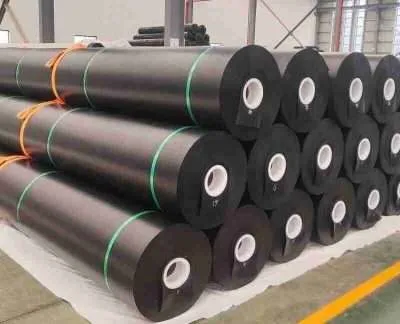
The 30 mil liner is a popular choice and a significant step up in durability from the 20 mil. It offers a great balance of strength, flexibility, and affordability.
- Best For: Small to medium-sized backyard ponds, water gardens, and fish ponds (goldfish, shubunkins). It’s a reliable choice for projects with a well-prepared clay or soil base, free of sharp objects. It can also be suitable for smaller farm pond liners where the ground is carefully graded.
- Considerations: While durable, it’s still essential to use underlayment and be cautious with very sharp or heavy rocks.
1 mm thick pond liner (around 40 mil) – Excellent choice for ponds with fish, plants, water reserovir,dams and long-term use. It resists punctures and UV exposure.
60 mil pond liner (about 1.5mm) – The most common professional grade pond liner.
When durability and peace of mind are your top priorities, the 60 mil liner is the undisputed champion. This is the thickness we most often recommend for serious projects.
- Best For:
- Large pond liners and big pond liners,landfill,water treatment.
- Ponds with significant rock features, stone waterfalls, or gravel bottoms
- Recreational ponds with foot traffic
- Any application where longevity is the primary goal.
- Key Advantage: A 60 mil liner offers superior resistance to punctures, UV rays, and environmental stress.
- Best For:
The Underlayment Question: A Manufacturer’s Firm Stance

We get this question constantly: “Do I absolutely have to use underlayment or can I just use two thick pond liners?”
Our expert answer is unequivocal: Yes, you absolutely MUST use a proper geotextile underlayment.
Using two liners instead of an underlayment is a costly and ineffective mistake. Here’s why: an underlayment is a non-woven fabric designed specifically to cushion the liner and protect it from punctures from below—from rocks, roots, and sharp objects in the soil that can shift over time. A second liner doesn’t provide this cushioning effect. It simply puts another layer of plastic at risk. Save your money and invest in a quality underlayment; it’s the key to maximizing your pond’s lifespan.
Common Mistakes When Choosing Thickness
Some common issues include:
Choosing thickness based only on price:Lower-cost options may not meet project requirements.
Ignoring subgrade conditions:Sharp or rough surfaces increase puncture risk.
Using the same thickness for all projects:Different applications require different specifications.
Not considering installation factors:Thicker liners can improve welding quality and reduce defects.
Planning Your Project: Sizing and Cost
Before you can order, you need the right pond liner dimensions.
How to Size a Pond Liner
Use this simple formula for a rectangular or square pond. Always add a bit extra for anchoring.
Liner Length = Max Pond Length + (2 x Max Pond Depth) + 2 ft overlap Liner Width = Max Pond Width + (2 x Max Pond Depth) + 2 ft overlap
For an irregularly shaped pond, measure the widest and longest points to use in the formula.
Understanding Pond Liner Cost

The pond liner cost is influenced by three main factors: material, thickness, and total size. Costs are typically quoted as a pond liner price per square foot.
- 20 Mil: Lowest cost per square foot.
- 30 Mil: Mid-range price, offering good value.
- 60 Mil: Highest initial cost, but the best long-term investment.
Installation Costs:
Professional installation: $1,000–$5,000+ depending on size.
DIY installation: You save labor costs, but proper preparation is critical.
For very large projects, such as a 1 acre pond liner, the cost is substantial. A 1 acre pond liner cost can run into tens of thousands of dollars, depending on the material and thickness. For projects of this scale, it’s essential to work directly with a manufacturer or supplier for an accurate quote. Don’t forget to also budget for the pond liner installation cost, which can be significant for big jobs requiring specialized equipment and labor.
How Long Do Pond Liners Last?
The lifespan of your pond liner depends on multiple factors:
Material quality and UV resistance
Proper installation with adequate underlayment
Environmental conditions and maintenance
Thickness (generally, thicker liners last longer)
With proper care, here’s what you can expect:
20 mil pond liner – 5–8 years
30 mil pond liner – 10–15 years
60 mil pond liner – 20–30 years (sometimes more)
HDPE liners – Over 30 years with proper care
Making the Final Decision: How to Choose
When selecting your pond liner thickness:
Assess your specific needs based on pond size, purpose, and environment
Choose a material suited to your climate and application
Select an appropriate thickness that balances durability with budget
Invest in quality underlayment to protect your investment
Consider professional installation for large or complex projects
Remember that while pond liner price per square foot increases with thickness, the long-term value often justifies the investment. A slightly more expensive liner that lasts twice as long represents better value over time.
What Happens If You Choose the Wrong Thickness?
Choosing a liner that is too thin may result in:
- puncture damage from stones
- shorter service life
- higher maintenance costs
In many cases, upgrading from 0.5 mm to 0.75 mm only slightly increases cost but significantly improves durability.

| Thickness/mil | Thickness/mm | Applications | Cost |
|---|---|---|---|
| 20 mil | 0.5mm | Small pond | Lowest |
| 30 mil | 0.75mm | aquaculture ponds,water reserovir | low |
| 40 mil | 1mm | water containment,landfill capping | middle |
| 60 mil | 1.5mm | landfill,water treatment | high |
Pond Liner Thickness FAQ
1. What is the best thickness for a fish pond liner?
For most ponds, 30–45 mil is ideal.
2. How long will a 60 mil pond liner last?
Typically 8–20 years, depending on installation and environment.
3. Is 20 mil thick enough for a pond liner?
Only for very small or decorative ponds. For large ponds, use 30–60 mil.
4. What is the best material for a fish pond liner?
EPDM, HDPE, or LLDPE are excellent for fish ponds,and HDPE is recommed.
5. Do I need underlayment?
Yes, underlayment helps protect against sharp rocks and extends lifespan.
6. How to size a pond liner?
Use the formula: Pond length/width + (2 × depth) + 2 ft overlap.
Choosing the right pond liner thickness is one of the most important steps in pond construction. If you’re building a backyard pond, farm pond, or industrial reservoir, always consider liner material, thickness, cost, and lifespan before buying.
The question “how thick should a pond liner be” doesn’t have a one-size-fits-all answer, but by considering your specific needs, environment, and long-term goals, you can select the perfect thickness for your project. Always remember that proper installation and quality underlayment are just as important as the liner thickness itself. Please follow our Linkedin Youtube Facebook Ins for more details!
Need Help Choosing the Right Pond Liner?
If you’re not sure which thickness is suitable for your project, our team can help you evaluate:pond size,soil condition,budget,expected lifespan
Contact us for a quick recommendation and quotation!
Recent Post
Aquaculture Pond Lining in Indonesia | From Design to Installation
From Project Drawing to Water Filling: An Aquaculture Pond Lining Project in Indonesia This aquaculture pond project in Indonesia started with a project drawing.The customer firstly contacted us
When Is Geotextile Really Necessary?
When Is Geotextile Really Necessary in Civil Engineering Projects? Geotextiles are widely used in modern infrastructure and environmental engineering. However, a common question among engineers, designers, and contractors is: Is geotextile always necessary? In
Woven Polypropylene Geotextile Manufacturer | Engineering Grade & Landscape Fabric
Woven Polypropylene Geotextile Manufacturer | Engineering Grade & Landscape Fabric By Planetliner — Manufacturer of High-Performance Woven PP Fabrics for Global Projects Woven polypropylene geotextile has become a fundamental material in civil engineering, environmental protection,