
Pond liners EPDM HDPE PVC RPE LLDPE
When you’re building or maintaining a pond, whether it’s for fish, landscaping, or a swimming pool, it is very important to have reliable a pond liner. Pond liners can prevents water from leaking, keeps the pond structure stable, and ensures that the water stays where it belongs. But with so many options available in the market, choosing the right pond liner become complicated.As a manufacturer and exporter of pond liners, we have provided some pond liners for different projects and different areas,can give you some ideas for choice.
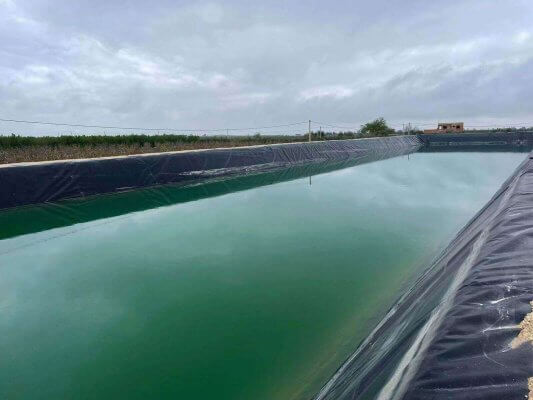
Types of Pond Liners
Pond liners have various materials, for example, EPDM HDPE PVC RPE and LLDPE etc. The type you choose will depend on factors such as the pond’s purpose, size, and environmental conditions.
1. EPDM Rubber Pond Liner
EPDM (Ethylene Propylene Diene Monomer) is a durable, flexible, and UV-resistant material ideal for ponds with fish or plants. It is one of the most popular pond liner options due to its long lifespan and ability to handle extreme temperatures. EPDM liners are highly resistant to punctures, making them a great option for ponds with rocks or other sharp objects.
Advantages:super flexible, UV-resistant, and lasts 20–30 years. Its rubbery texture molds to uneven surfaces, making it perfect for organic shapes.
Disadvantage:Higher cost compared to some other liners
2.HDPE (High-Density Polyethylene) Pond Liner
HDPE liners are a cost-effective option for larger ponds or commercial use. These liners are chemical-resistant and provide excellent protection from UV rays, which helps prolong their lifespan. HDPE liners are also sturdy and can withstand heavy loads and high pressure,used for big engineering projects.
Advantages:Affordable for large ponds,Chemical-resistant,UV-stable,Suitable for large-scale applications
Disadvantages:Less flexible than EPDM,Requires careful installation to avoid punctures.
Our company is a manufacturer and supplier of HDPE pond liners with more than 10years experience,thickness range 0.3mm to 3mm, and can make different technical datasheet property for projects.
3. PVC Pond Liner
PVC (Polyvinyl Chloride) liners are a budget-friendly option for smaller ponds. While they are easy to install and come in various thicknesses, PVC liners are not as durable or UV-resistant as other materials like EPDM or HDPE.
Advantages:Affordable,Lightweight and easy to install,Available in various thicknesses
Disadvantages:Not as durable as EPDM or HDPE,Susceptible to UV damage and punctures over time
4.RPE (Reinforced Polyethylene) Pond Liner
RPE is a newer option for pond liners that is gaining popularity. It combines the flexibility of polyethylene with the strength of reinforcement layers. RPE is puncture-resistant, lightweight, and provides good UV protection.
Advantages:RPE liners are lightweight yet incredibly strong. They’re puncture-resistant and often last longer than EPDM (up to 40 years!). they’re easier to install for DIYers
Disadvantages:May not be as flexible as EPDM
5. LLDPE(Linear Low-Density Polyethylene) Pond Liner
LLDPE pond liner is a flexible and durable option, ideal for ponds with irregular shapes. It is more resistant to punctures than HDPE but does not provide the same level of chemical resistance.
Advantages:Flexible and easy to install,Resistant to punctures,UV-resistant
Disadvantages:Less chemical resistance than HDPE
Choosing the Right Pond Liner Material
When selecting a pond liner, it’s important to consider the following factors:
1.Size and Depth
For smaller ponds or shallow garden ponds, a thinner liner such as a 20 mil or 30 mil liner may be sufficient. However, for larger ponds or deeper fish ponds, you’ll need a thicker liner like 45 mil or 60 mil for added durability.
Before you buy, measure twice! Here’s how to calculate your pond liner size:
Length: Pond length + (2 x depth) + 2 feet of overlap.
Width: Pond width + (2 x depth) + 2 feet of overlap.
For example, a 10ft x 8ft pond that’s 3ft deep needs a liner at least 16ft x 14ft.
2.Purpose of the Pond
Fish Ponds: EPDM and HDPE are excellent choices as they are safe for aquatic life and provide long-lasting durability.
Decorative Garden Ponds: PVC or LLDPE can be used for smaller decorative ponds where the focus is more on appearance than longevity.
Swimming Ponds: A thick EPDM or HDPE liner is best for swimming ponds to ensure safety and durability.
Engineering ponds:HDPE liners are best choice for landfill ponds, Mining Tailing ponds and other engineering projects.
3.Climate and Environment
The climate in your area plays a huge role in determining the best material for your pond liner. EPDM and HDPE are UV-resistant, which is important for areas with strong sunlight. PVC and LLDPE are more prone to damage from UV exposure over time.
How Thick Should a Pond Liner Be?
The thickness of the pond liner directly impacts its durability and ability to withstand pressure. Common thickness options include:
20 mil: Best for small decorative ponds or temporary setups.
30 mil: Suitable for medium-sized ponds or shallow fish ponds.
45 mil: Ideal for koi ponds or deeper water features.
60 mil: Used for large-scale ponds, commercial ponds, or areas with high water pressure.
A thicker pond liner provides extra protection against punctures and wear. If you’re unsure of the right thickness for your pond, it’s always better to go for a thicker option.


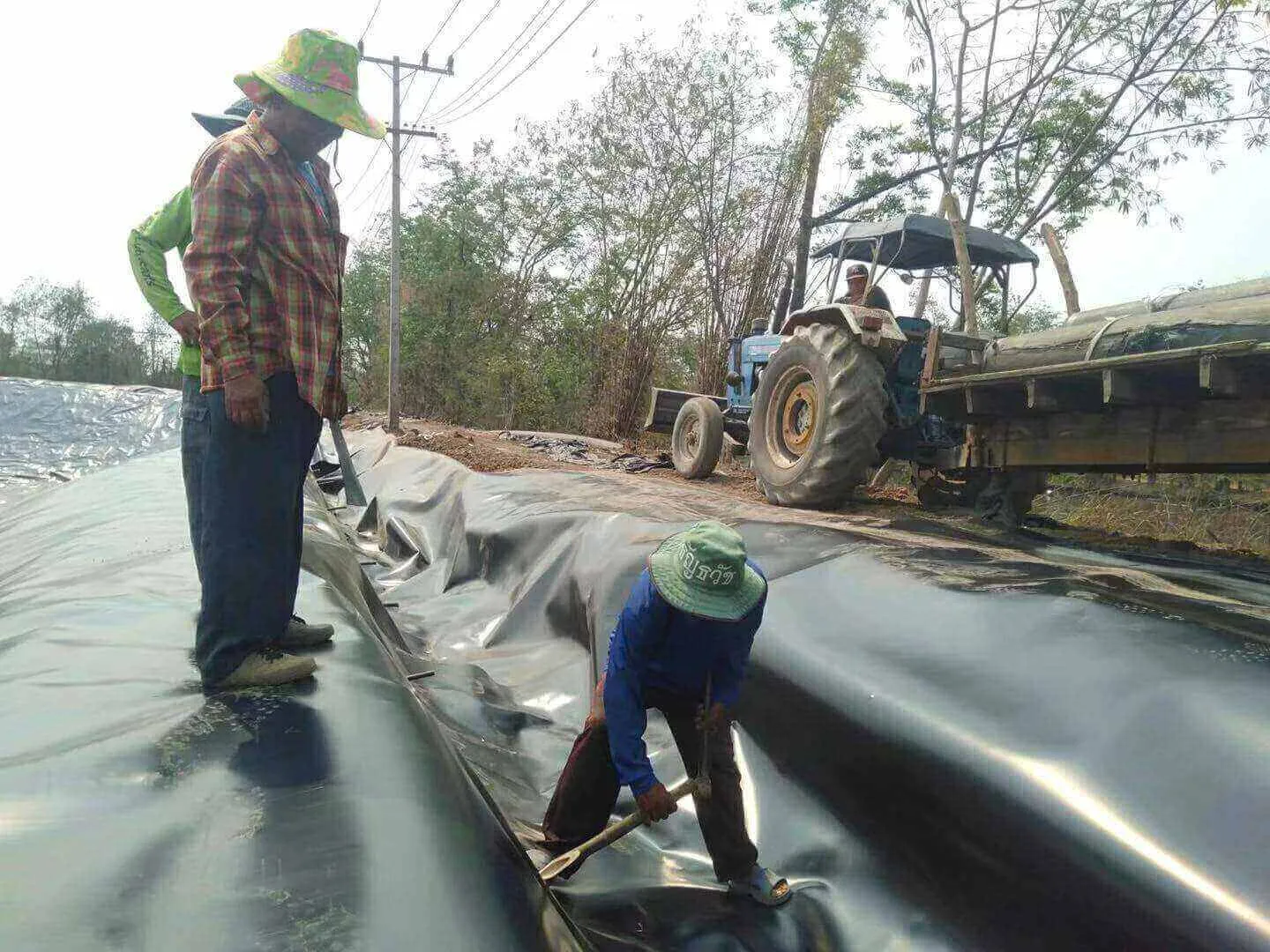
Installation of Pond Liners
How to Install a Pond Liner?
Prepare the Site: Clear the pond area of any debris, rocks, or sharp objects that could puncture the liner.
Lay an Underlay: Use a protective underlay fabric to prevent sharp objects from damaging the liner.
Unroll the Liner: Lay the pond liner out, ensuring it covers the entire area with extra material around the edges.
Fit the Liner: Stretch and adjust the liner to fit the pond’s shape, smoothing out any wrinkles or folds.
Secure the Edges: Use rocks or stakes to secure the edges of the liner to prevent movement.
Trim Excess Material: Leave enough material around the edges to fold under or cover with soil or rocks for a neat finish.
Watch Out For:Wrinkles (they trap debris and weaken the liner).Overstretching (can cause tears).


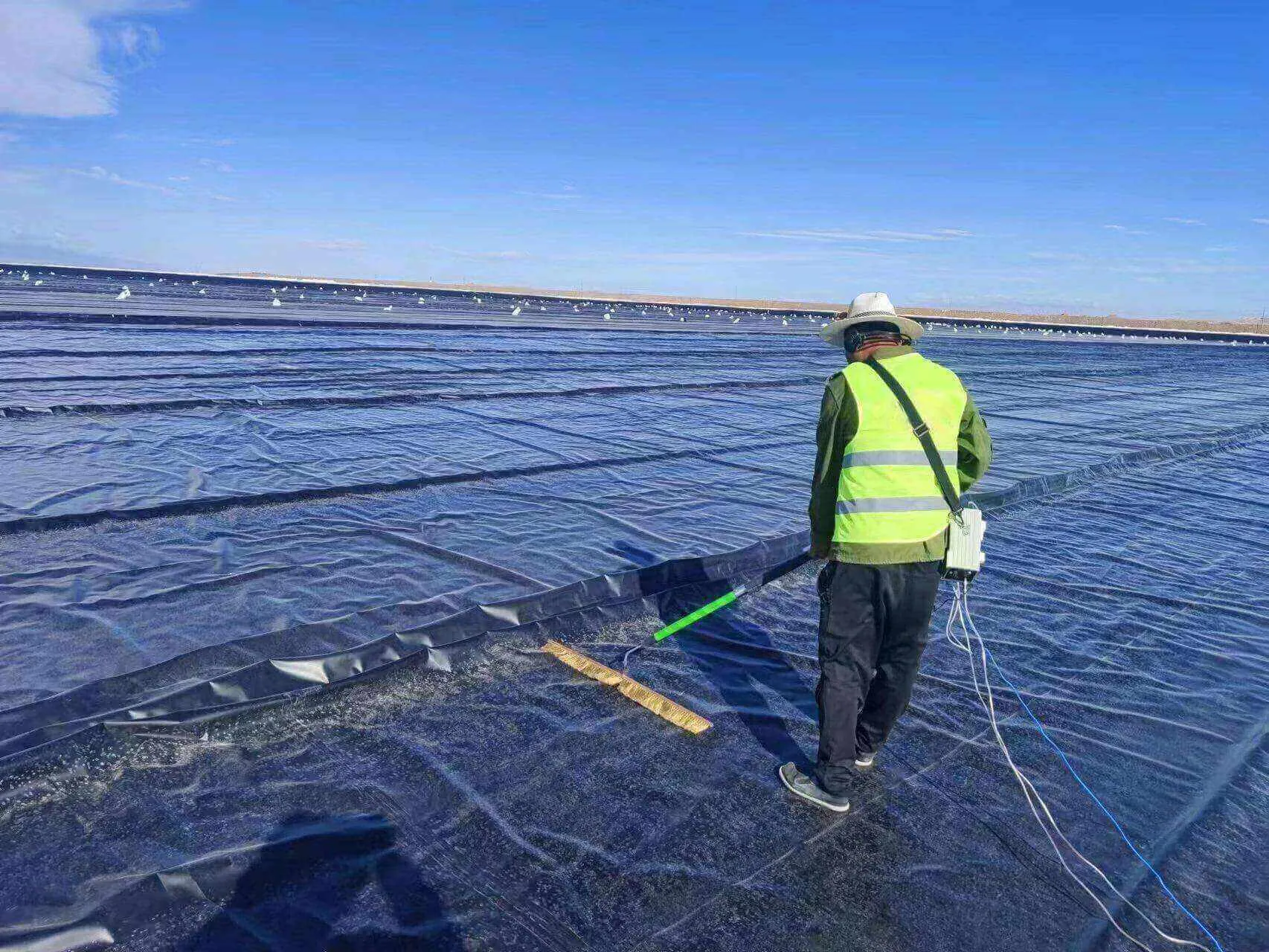
How to Find a Hole in Your Pond Liner
If you notice water levels dropping and suspect a leak, there are a few ways to locate the hole:
Food Coloring: Add a small amount of food coloring to the water near suspected leak areas. The color will flow through any small cracks.
Visual Inspection: Check the liner carefully for any visible punctures or tears.
Water Loss Test: Mark the water level and check if it’s consistently dropping over time. This can help pinpoint the leak’s location.
Pond liner Cost and Longevity
How Much Does Pond Liner Cost?
Pond liner prices vary based on material, thickness, and size. On average:
PVC Liners: $0.20 to $0.70 per square foot.
RPE Liners: $0.80 to $2 per square foot.
HDPE Liners: $0.30 to $1 per square foot.
EPDM Liners: $0.50 to $2 per square foot.
How Long Does a Pond Liner Last?
EPDM: 20-30 years.
HDPE: 10-50 years.
PVC: 3-10 years, depending on exposure to the elements.
A high-quality liner with proper installation and maintenance can last for many decades, ensuring your pond stays intact for years.
Frequently Asked Questions
Can I use a pond liner for a pool?
Yes, high-quality pond liners like EPDM and HDPE are safe for pools due to their durability and resistance to UV rays.
Is a 45 mil EPDM liner thick enough for koi ponds?
Yes, a 45 mil EPDM liner is perfect for koi ponds. It provides ample thickness and durability to handle the water pressure and fish movement.
Are black pond liners better than blue?
Black liners hide algae and create a natural “mirror” effect. Blue liners make water look brighter—it’s purely aesthetic!
Where can I buy pond liners near me?
Pond liners can be purchased at local garden centers, home improvement stores, or online retailers. Make sure to buy from reputable suppliers for high-quality products.


Choosing the right pond liner is crucial for the long-term health and stability of your pond. Whether you’re building a small garden pond or a large fish pond, selecting the best liner material, thickness, and installation method will help ensure that your pond stays intact and water-tight. Always prioritize quality and maintenance to get the most out of your pond liner investment.
Welcome your talk and inquiry,please follow our Linkedin, Facebook for more updates!
Recent Post
Aquaculture Pond Lining in Indonesia | From Design to Installation
From Project Drawing to Water Filling: An Aquaculture Pond Lining Project in Indonesia This aquaculture pond project in Indonesia started with a project drawing.The customer firstly contacted us
When Is Geotextile Really Necessary?
When Is Geotextile Really Necessary in Civil Engineering Projects? Geotextiles are widely used in modern infrastructure and environmental engineering. However, a common question among engineers, designers, and contractors is: Is geotextile always necessary? In
Woven Polypropylene Geotextile Manufacturer | Engineering Grade & Landscape Fabric
Woven Polypropylene Geotextile Manufacturer | Engineering Grade & Landscape Fabric By Planetliner — Manufacturer of High-Performance Woven PP Fabrics for Global Projects Woven polypropylene geotextile has become a fundamental material in civil engineering, environmental protection,