
what are disadvantages of hdpe pond liners?
When designing a koi fish pond, garden pond, or farm pond, choosing the right pond liner is a crucial decision. One of the most widely used materials for pond liners is high-density polyethylene, also known as HDPE. While HDPE pond liners are known for their durability and impermeability, it is important for engineers, landscapers, and pond owners to understand the potential disadvantages before making an informed choice.
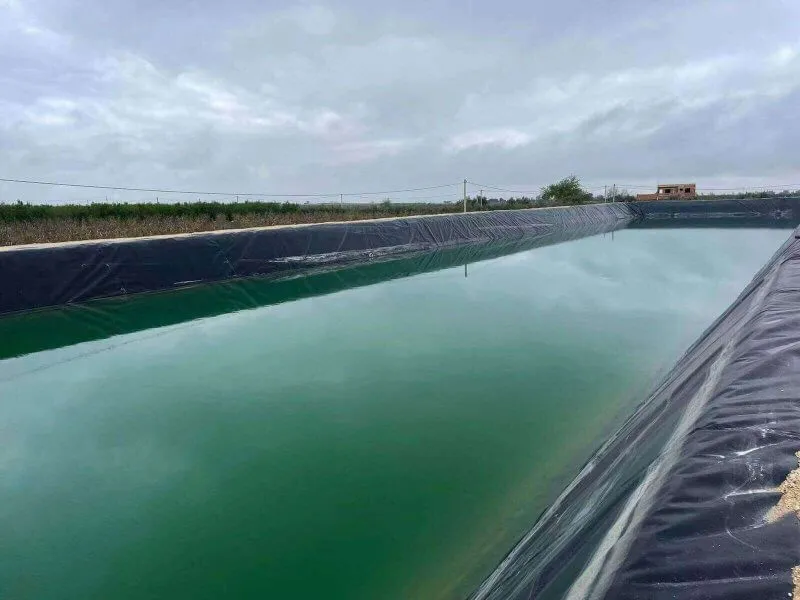
What are HDPE Pond Liners?
HDPE pond liner is also named high density polyethylene sheet or hdpe geomembrane, is an impervious liner material created from petroleum-derived polymers. Its high density gives it exceptional tensile strength, chemical resistance, and durability. There are many pond liner colours,black, blue,green,white color (though black is most common for UV stability and algae control), HDPE pond liners have different pond liner thickness options, typically ranging from 0.5mm to 2.0mm or more, depending on the project demands. The normal question, how thick should pond liner be, depends on factors like water depth, substrate conditions, and potential loadings – generally, 1.0mm to 1.5mm is standard for many residential ponds.
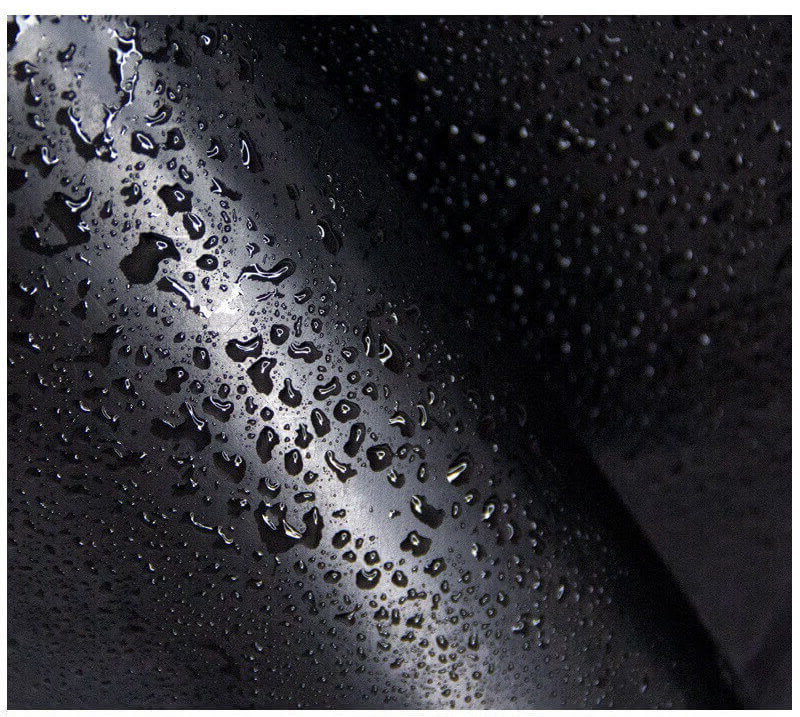
HDPE pond liners are used in:
Koi fish ponds
Garden ponds
Farm ponds
Wastewater containment ponds


The Advantages: Why HDPE is a popular
Exceptional Durability & Long Lifespan: When properly installed and protected, HDPE pond liners can provide an impressive service life, often exceeding 10 years and potentially reaching 40+ years. This longevity answers the important concern of how long do pond liners last.
Superior Chemical Resistance: HDPE material is highly resistant to a vast array of chemicals, including those found in fertilizers, fish treatments, and acidic or alkaline soils, making it ideal for sensitive environments like koi fish pond liners.
High Puncture and Tear Strength: Its robust nature provides excellent resistance to punctures from rocks, roots (especially when underlaid with protective geotextile), and general wear and tear, crucial for both garden pond liner settings and larger farm pond liner or lake liners projects.
UV Resistance: Quality HDPE formulations include carbon black for superior UV stabilization, preventing degradation from sunlight exposure over decades.
Proven Impermeability: As an impervious liner, HDPE provides an exceptionally reliable barrier, preventing water loss and protecting groundwater from potential contaminants within the pond.
Cost-Effectiveness for Large Areas: For extensive projects like large lake liners or agricultural farm pond liner applications, HDPE often offers a favorable cost per square meter compared to some alternatives.
Disadvantages of HDPE Pond Liners
While HDPE material has many advantages, there are also some limitations to consider:
1. Rigidity and Low Flexibility
One of the most common drawbacks is the rigid structure of HDPE. Compared to LLDPE (linear low-density polyethylene), HDPE liners are less flexible, making them harder to install in irregular-shaped ponds such as a round pond liner or koi fish ponds with curves. This can lead to creasing or poor contact with the pond base.
2. Cold Weather Performance
HDPE is sensitive to low temperatures. In cold environments, the liner becomes even more rigid, which increases the risk of cracking during installation or over time. This is especially important for white pond liner or liners exposed to sunlight and temperature changes.
3. Installation Requires Welding
HDPE liners require professional welding equipment and skilled labor for seaming. This adds to the installation cost and complexity. For small ponds or DIY projects, HDPE is not the most user-friendly option compared to pre-formed liners or more flexible LLDPE or PVC liners.
4. Risk of UV Degradation
Although HDPE liners offer some UV resistance, long-term exposure to direct sunlight can still degrade the surface, especially in shallow ponds or pond pool liners with little cover. Over time, this can lead to material weakening and reduced lifespan.
5. Limited Color and Aesthetic Options
Most HDPE liners are black, and only a few suppliers offer white pond liners or other pond liner colours. This can limit the visual appeal for decorative ponds or water gardens. Pond owners seeking a more natural appearance might prefer flexible liners with earth-tone colors.
How Long Do Pond Liners Last?
A high-quality HDPE pond liner can last 10 to 30 years when properly installed and protected from physical damage and UV radiation. However, the lifespan also depends on:
Pond liner thickness (commonly 0.75mm, 1.0mm, 1.5mm, 2.0mm)
Exposure to sunlight
Water chemical composition
Type of base layer and protection fabric
Correct welding and seaming

Choosing the Right Liner Thickness
One of the most asked questions is: how thick should a pond liner be?
0.75mm to 1.0mm: Suitable for small decorative ponds and garden pond liners
1.0mm to 1.5mm: Recommended for medium-sized koi ponds and fish pool liners
1.5mm to 2.0mm: Ideal for large lakes, farm pond liners, and geomembrane pond liner used in agriculture or mining
Thicker liners offer more puncture resistance and longer life, especially in rough soil conditions or where there is risk of root intrusion.
When to Choose HDPE Over Other Materials
Despite its limitations, HDPE remains one of the best choices for:
Large ponds and reservoirs
Commercial aquaculture ponds
Farm ponds and irrigation
Industrial or hazardous liquid containment
In these cases, cost-effectiveness, chemical resistance, and long-term performance outweigh the flexibility needs.
Alternative Options: LLDPE and PVC
If flexibility and ease of installation are key concerns, LLDPE pond liner may be a better fit. It provides similar impermeability but allows easier handling and shaping. PVC liners are also widely used in small to medium-sized pool and pond liners, especially for hobby ponds or liner pond installations in backyards.
Tips for Installing HDPE Pond Liners
To maximize the lifespan and performance of your HDPE liner:
Always use a protective underlay (such as geotextile) to prevent puncture from sharp stones
Avoid stretching the liner in cold temperatures
Provide proper anchoring around the pond edges
Cover exposed liners with soil, rocks, or UV-protective layers
Hire experienced technicians for welding and seaming
HDPE pond liners are a powerful solution for water retention in ponds, lakes, and fish farms. While they offer high strength and durability, their rigid nature, cold sensitivity, and complex installation process may not be suitable for every project.
When designing a pond or water feature, always evaluate the size, shape, purpose, and location before selecting your liner material. In many large-scale applications, HDPE high-density polyethylene sheet remains the industry standard, but in small garden ponds or koi fish ponds, LLDPE pond liner or PVC pond liner could offer better ease and flexibility.
With proper selection, installation, and maintenance, your pond liner will offer years of reliable performance—whether it is for a backyard koi pond, a farm reservoir, or a large-scale aquaculture system.Welcome your inquiry,and our engineers can give you excellent solutions! Please follow our Linkedin Facebook and Youtube for more informations!
Recent Post
Aquaculture Pond Lining in Indonesia | From Design to Installation
From Project Drawing to Water Filling: An Aquaculture Pond Lining Project in Indonesia This aquaculture pond project in Indonesia started with a project drawing.The customer firstly contacted us
When Is Geotextile Really Necessary?
When Is Geotextile Really Necessary in Civil Engineering Projects? Geotextiles are widely used in modern infrastructure and environmental engineering. However, a common question among engineers, designers, and contractors is: Is geotextile always necessary? In
Woven Polypropylene Geotextile Manufacturer | Engineering Grade & Landscape Fabric
Woven Polypropylene Geotextile Manufacturer | Engineering Grade & Landscape Fabric By Planetliner — Manufacturer of High-Performance Woven PP Fabrics for Global Projects Woven polypropylene geotextile has become a fundamental material in civil engineering, environmental protection,