
Geosynthetic Solutions for Energy Infrastructure Projects
The global energy sector requires robust and reliable infrastructure to manage fluids, stabilize ground conditions, and protect the environment. Modern energy facilities—from oil and gas operations to renewable power plants—depend on high-performance geosynthetic systems to ensure long-term safety and operational efficiency.
Planetliner provides engineered geomembrane and geotextile solutions for energy production, storage, and transmission projects worldwide.
Geosynthetics are widely used to contain liquids, stabilize soils, and protect critical infrastructure across civil and environmental engineering applications
Oil and Gas Infrastructure
Oil and gas facilities must control hydrocarbons, produced water, and chemical exposure while meeting strict environmental regulations.
Geosynthetic containment systems help protect soil and groundwater from contamination risks at energy sites.
Typical applications
- drill pad secondary containment
- frac water storage ponds
- produced water ponds
- tank farm containment
- pipeline trench support
- refinery containment areas
Recommended solutions
- HDPE geomembrane for primary containment
- textured geomembrane for slope stability
- nonwoven geotextile for protection and separation

Coal and Coal Ash Management
Coal-based power generation and storage facilities require secure containment systems to manage coal stockpiles, ash ponds, and process water.
Engineering challenges
- leachate control
- ash slurry containment
- long-term liner durability
- chemical resistance
Typical applications
- coal ash ponds
- coal stockpile pads
- process water basins
- ash landfill cells
System configuration
- HDPE geomembrane liner
- protection geotextile
- optional drainage composite

Thermal Energy Storage (Heat Storage)
Large-scale heat storage systems, such as pit thermal energy storage (PTES), rely on high-temperature-resistant geomembranes to maintain efficiency.
HDPE geomembranes are commonly used as the primary sealing component in PTES systems and must withstand stored water temperatures up to about 95 °C while maintaining low vapor transmission.
Key requirements
- high temperature resistance
- very low permeability
- long-term durability
- UV resistance (for exposed covers)
Typical uses
- district heating storage basins
- industrial thermal storage ponds
- seasonal heat storage systems
Hydropower and Hydraulic Energy
Hydropower infrastructure requires reliable seepage control and slope protection to maintain long-term structural performance.
Typical applications
- hydropower reservoir lining
- pumped storage reservoirs
- diversion channels
- dam auxiliary containment
- surge basin lining
Engineering benefits
- reduced seepage loss
- improved slope stability
- enhanced infrastructure lifespan
- lower maintenance costs
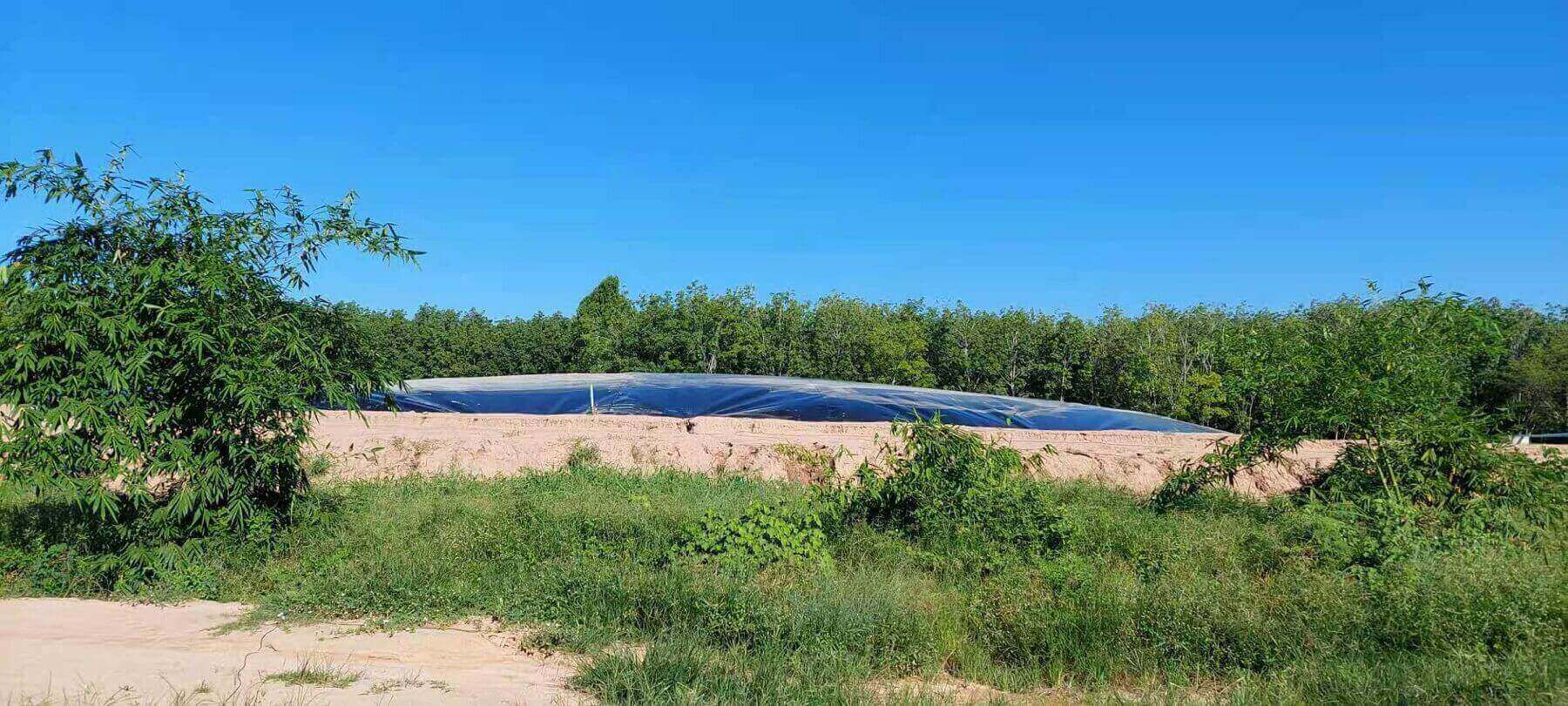
Bioenergy and Biogas Facilities
Bioenergy systems generate liquid digestate and process water that must be safely contained.
Typical applications
- anaerobic digester lagoons
- digestate storage ponds
- biofertilizer containment
- biomass processing basins
Geomembrane biogas digester are widely used to contain various liquids and waste streams in environmental and energy applications.
Recommended materials
- HDPE geomembrane
- LLDPE geomembrane (flexible designs)
- protection geotextile
Solar and Wind Energy Projects
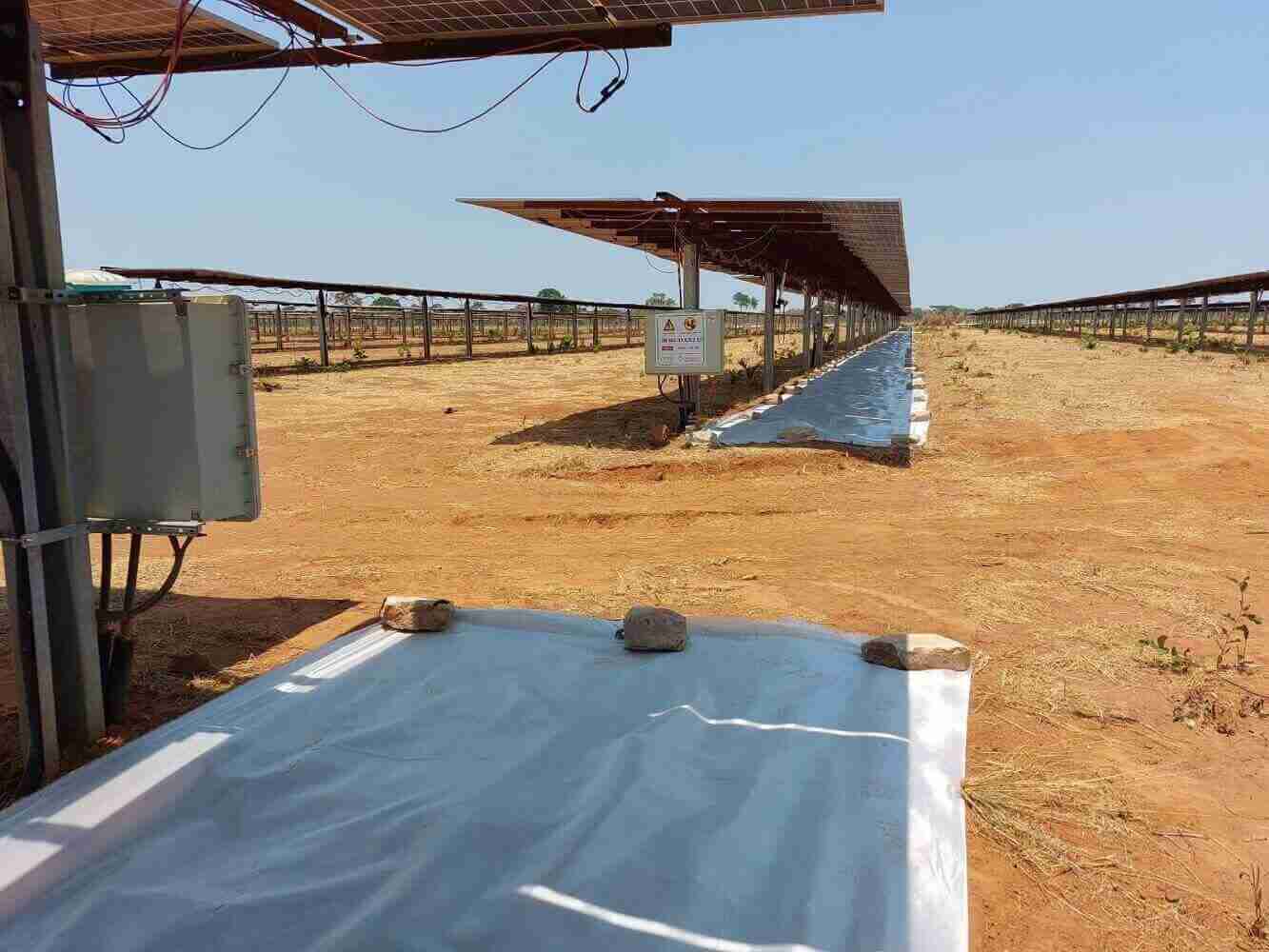
Renewable energy sites require ground stabilization and erosion control to support long-term operation.
Solar farm applications
- access road stabilization
- subgrade reinforcement
- drainage and separation
- cable trench support
Wind farm applications
- crane pad stabilization
- access road reinforcement
- erosion control on slopes
Recommended geosynthetics
- woven geotextile (stabilization)
- nonwoven geotextile (filtration)
- geomembrane (where containment required)
Coal Seam Gas (CSG) and Unconventional Extraction
Unconventional gas extraction processes generate significant volumes of water and require strict containment controls.
Typical uses
- frac water ponds
- flowback water containment
- chemical storage pads
- drilling site secondary containment
These operations require materials with excellent chemical resistance and very low permeability.
How to Select the Right Geosynthetic System for Energy Projects
Key design factors
Fluid type
- hydrocarbons
- produced water
- chemical solutions
- thermal water
Temperature exposure:High-temperature environments (e.g., thermal storage) require specialized geomembranes.
Subgrade condition:Rocky or uneven foundations typically require a geotextile protection layer.
Service life requirements:Energy infrastructure often targets multi-decade performance.
Energy Liner FAQs
1.What geomembrane is used in oil and gas containment?
HDPE geomembrane is the most widely used due to its chemical resistance and durability.
2.Can geomembranes handle high temperatures?
Special high-temperature formulations can perform in thermal storage environments when properly specified.
3.Do solar farms need geotextile?
Yes, geotextiles are commonly used for ground stabilization and separation in solar and wind projects.
Get Energy Project Liner Recommendation
Planning an oil & gas, coal, bioenergy, or renewable energy project?
Send your project details and our engineering team will recommend the optimal geosynthetic system within 12–24 hours.
✔ Technical support
✔ Factory pricing
✔ Global delivery