Mining Geosynthetics Solutions for Modern Mining Projects
Mining projects operate in some of the world’s most demanding environments. From aggressive leach chemicals to high-load tailings storage facilities, operators need containment and reinforcement systems that deliver long-term reliability, environmental protection, and regulatory compliance.
Advanced geosynthetics — including geomembranes, woven polypropylene geotextiles, drainage geocomposites, and geogrids — play a critical role in improving mineral recovery, protecting groundwater, and extending the service life of mining infrastructure.
Planetliner provides engineered mining geosynthetic solutions designed for performance, durability, and cost efficiency across the full mine lifecycle.

Why Geosynthetics Matter in Mining
Modern geomembrane mining operations depend on effective containment and material management systems. Geomembranes and geotextiles are widely used for:
- Tailings containment
- Heap leach processing
- Process water ponds
- Waste dewatering
- Mine closure systems
High-density polyethylene (HDPE) and LLDPE geomembranes are commonly selected because of their strong chemical resistance and proven field performance in mining environments.
Properly designed geosynthetic systems help operators:
- Improve metal recovery efficiency
- Prevent environmental contamination
- Reduce lifecycle costs
- Meet regulatory requirements
- Enhance operational safety
Tailings Storage Facilities (TSF) Liner Systems
Tailings storage is one of the highest-risk components of any mining project.
High-strength geosynthetic liners are used to safely and sustainably store tailings while minimizing seepage and environmental exposure.
Typical system components
- Geonet or geocomposite drainage layer
Engineering functions
- Seepage control
- Foundation separation
- Load distribution
- Internal drainage
- Long-term containment integrity
Planetliner advantage: optimized composite liner systems designed for high-load TSF conditions.

Heap Leach Pad Liner Solutions
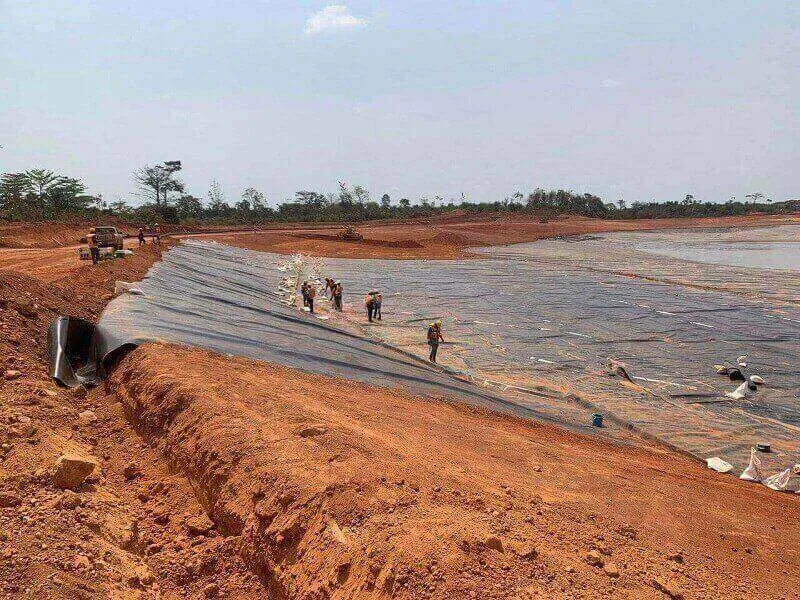
Heap leaching requires strict containment of aggressive chemical solutions. Modern geosynthetic liner systems act as an effective hydraulic barrier while enabling efficient metal recovery.
Key performance requirements
- Chemical resistance
- High puncture strength
- Low permeability
- Leak detection compatibility
- Long-term durability
Recommended material system
- Textured HDPE geomembrane (primary barrier)
- Cushion nonwoven geotextile
- Woven polypropylene fabric (stabilization)
- Drainage geocomposite
Well-designed heap leach pads improve recovery efficiency and extend operational lifespan.
Access Roads and Dump Walls
Mining haul roads and dump walls require structural stabilization under extreme loading.
Role of woven polypropylene geotextile
High-strength woven polypropylene fabric is widely used for:
- Subgrade stabilization
- Load distribution
- Rut reduction
- Separation of weak soils
- Construction cost reduction
Typical products
- Woven polypropylene roll
- High-strength poly woven fabric
- Geogrid reinforcement (when required)
Planetliner solution: heavy-duty woven polypropylene geotextile engineered for mining traffic loads.
Ponds and Process Water Storage
Mining operations require multiple containment ponds:
- Pregnant solution ponds
- Stormwater ponds
- Process water storage
- Evaporation ponds
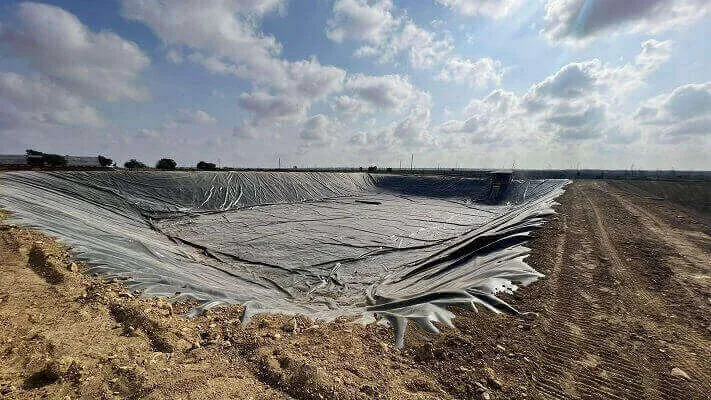
Geomembrane for mining serve as an impermeable barrier to prevent leakage and protect surrounding soil and groundwater.
Design focus
- UV resistance
- Chemical compatibility
- Weld integrity
- Leak detection integration
Waste Dewatering Systems
Efficient water management reduces geomembrane tailings volume and improves site sustainability.
Common geosynthetic solutions
- Geotextile dewatering tubes
- Filtration geotextiles
- Drainage geocomposites
- Reinforced woven fabrics
High-performance drainage systems are critical to maintain free flow of leachate and process water.
Planetliner focus: custom filtration and dewatering fabrics for mining slurry conditions.
Rehabilitation and Mine Closure
Mine closure is increasingly regulated and cost-sensitive.
Geosynthetics help operators:
- Cap contaminated areas
- Control infiltration
- Prevent erosion
- Support vegetation growth
- Reduce long-term liabilities
Planetliner notes that geosynthetics can make closure more efficient and less costly when properly designed.
Recommended Mining Geosynthetic Products
HDPE Geomembrane
Best for:
- TSF liners
- Heap leach pads
- Solution ponds
- Secondary containment

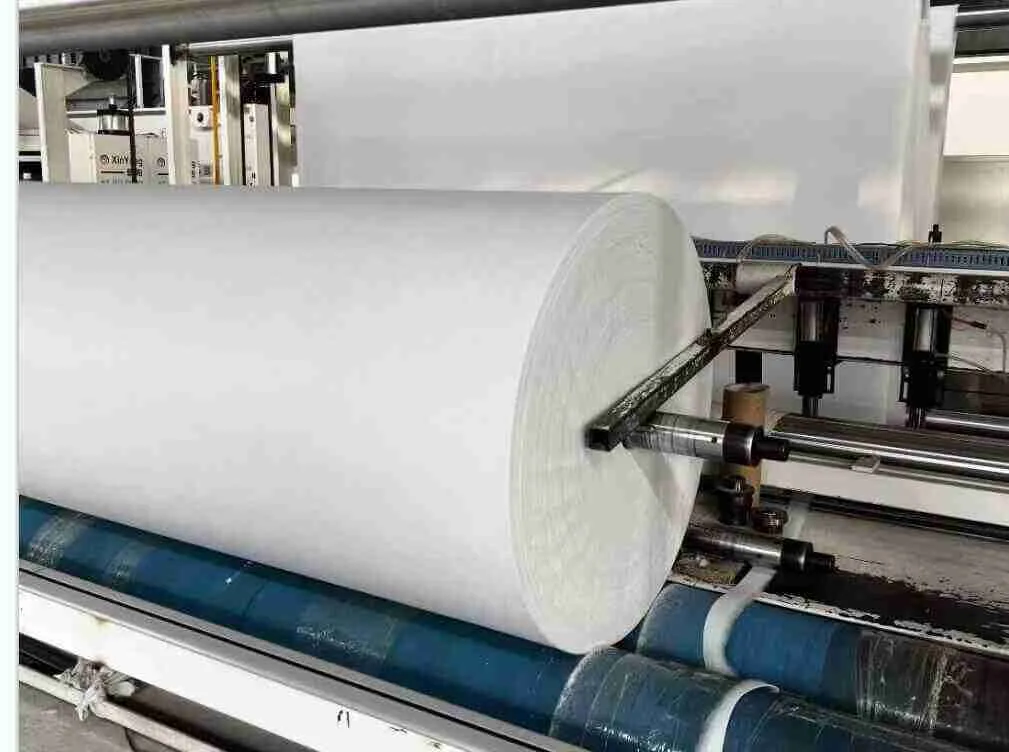
Woven Polypropylene Geotextile
Best for:
- Haul roads
- Working platforms
- Subgrade stabilization
- Dump wall reinforcement

Nonwoven Geotextile
Best for:
- Cushion protection
- Filtration
- Separation
- Drainage support
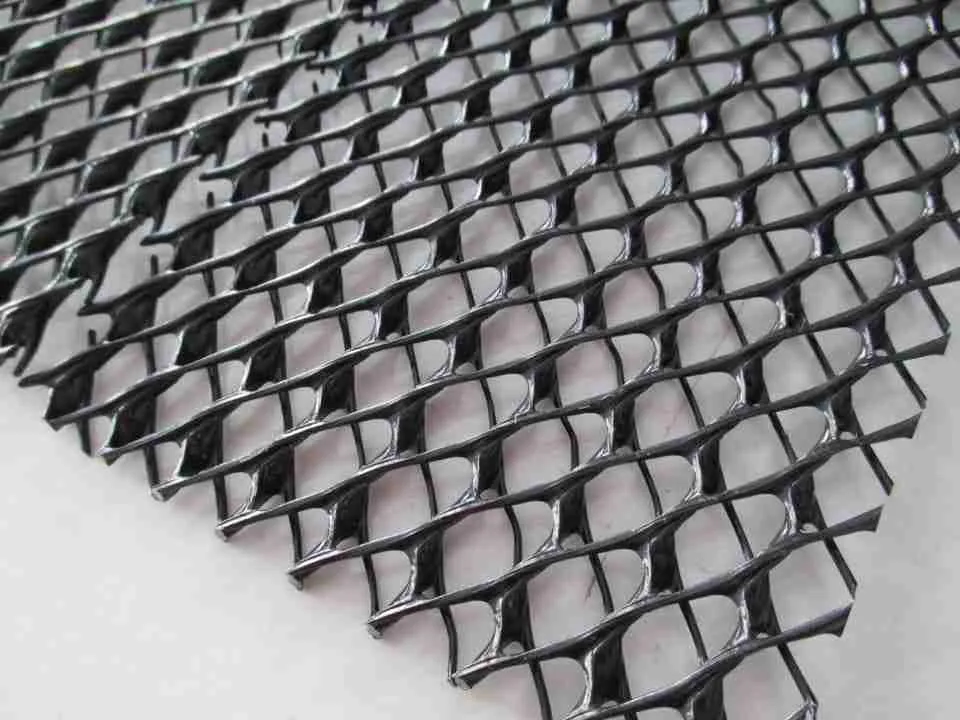
Geocomposite Drainage
Best for:
- Heap leach drainage
- TSF leak collection
- Pond underdrain systems
FAQ
1. What geosynthetics are used in mining applications?
Geosynthetics commonly used in mining include HDPE geomembranes, woven polypropylene geotextiles, nonwoven geotextiles, geogrids, and drainage geocomposites. These materials provide containment, stabilization, filtration, and environmental protection across mining operations.
2. Why is HDPE geomembrane widely used in heap leach pads?
HDPE geomembrane is preferred for heap leach pads because of its excellent chemical resistance, very low permeability, and long-term durability under aggressive leaching solutions. It acts as the primary containment barrier in modern leach pad design.
3. What is the function of woven polypropylene geotextile in mining roads?
Woven polypropylene geotextile is mainly used for soil stabilization and load distribution in mining haul roads and working platforms. It improves bearing capacity, reduces rutting, and extends the service life of access roads under heavy truck traffic.
4. How do geosynthetics improve tailings storage facility safety?
Geosynthetics improve TSF safety by providing seepage control, internal drainage, and structural reinforcement. Proper liner systems significantly reduce the risk of leakage and environmental contamination.
5. How do I choose the right geomembrane thickness for mining projects?
The appropriate geomembrane thickness depends on application type, subgrade condition, chemical exposure, and regulatory requirements. For most mining containment systems, HDPE geomembranes between 1.5 mm and 2.0 mm are commonly specified, but engineering review is recommended.
6. What is the difference between woven and nonwoven geotextile in mining?
Woven geotextiles provide high tensile strength and are mainly used for reinforcement and stabilization, while nonwoven geotextiles offer better filtration and cushioning performance. Mining projects often use both in composite liner systems.
7. Can woven polypropylene fabric be used for heavy mining traffic?
Yes. High-strength woven polypropylene fabric is specifically designed to support heavy mining equipment and haul trucks when properly selected based on tensile strength and subgrade conditions.
8. How long do mining geomembrane liners typically last?
High-quality HDPE geomembranes can perform for decades when properly installed and protected. Service life depends on UV exposure, chemical environment, and installation quality.
9. What factors affect geomembrane performance in mining environments?
Key factors include resin quality, carbon black dispersion, installation quality, subgrade preparation, and long-term chemical exposure. Proper material selection and quality control are critical for long-term durability.
10. Why choose Planetliner mining geosynthetics solutions?
Planetliner provides engineered geosynthetic systems designed for demanding mining environments, offering reliable containment, strong reinforcement performance, and technical support tailored to global mining projects.
Mining is a high-risk, high-capital industry where containment failure is not an option. Properly engineered geosynthetic systems — from tailings storage facilities to heap leach pads — are essential to operational safety, environmental protection, and long-term profitability.
If you are designing or upgrading a mining project, Planetliner provides reliable, field-proven geosynthetic solutions tailored to your site conditions.