
Geosynthetic Solutions for Transportation Infrastructure
Transportation infrastructure forms the backbone of modern economic development. Roads, railways, ports, airports, and underground transit systems require stable foundations, effective drainage, and long-term structural durability.
Modern civil engineering increasingly relies on geosynthetic materials such as geomembranes, geotextiles, geogrids, and geocells to improve ground stability, control water movement, and extend infrastructure lifespan. These polymer-based engineering materials are widely used to stabilize terrain, reinforce soils, and manage drainage in transportation projects worldwide.
Planetliner provides engineered geosynthetic solutions designed to support transportation infrastructure projects in challenging soil, water, and climate conditions across global markets.
Why Geosynthetics Are Important for Transportation Infrastructure?
Transportation projects face a variety of geotechnical challenges:
- weak or soft subgrade soils
- water infiltration and drainage issues
- erosion and slope instability
- heavy dynamic loads from traffic
- long-term settlement risks
Geosynthetic systems solve these issues by performing several critical functions in civil engineering structures.
Key geosynthetic functions:
- Separation – preventing mixing of soil and aggregate layers
- Reinforcement – increasing load-bearing capacity
- Filtration – allowing water to pass while retaining soil
- Drainage – controlling groundwater and surface water
These functions allow infrastructure to maintain structural integrity and reduce maintenance costs over its lifecycle.
Road and Highway Engineering
Road construction is one of the most common applications for geosynthetic materials.
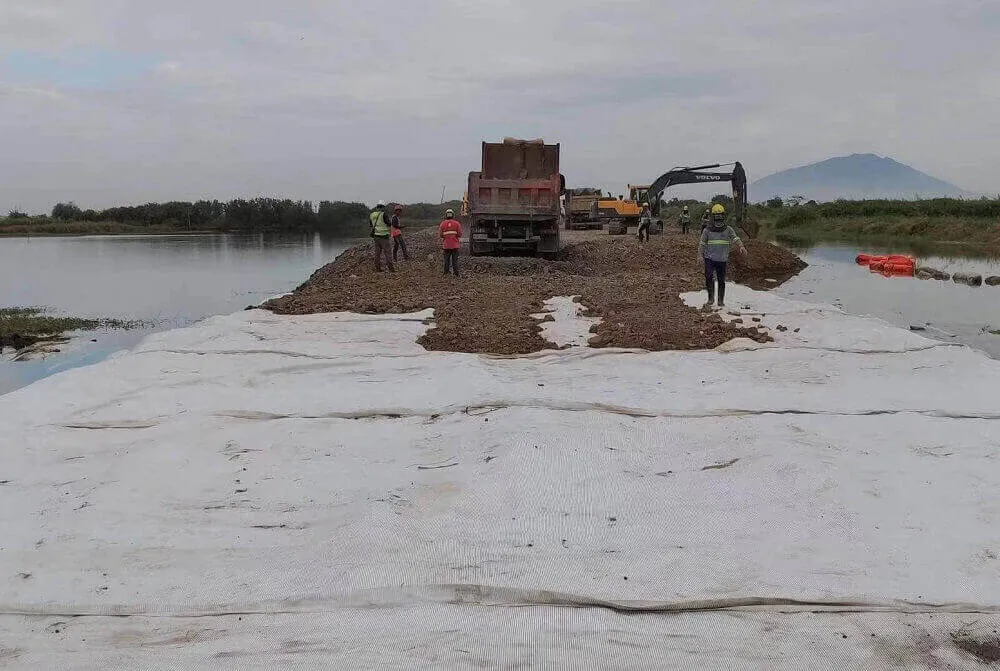
Geotextiles are widely used in road structures because they improve soil stability, enhance drainage, and extend pavement lifespan.
Typical road applications
- highway subgrade stabilization
- road base reinforcement
- soft soil stabilization
- erosion control on road slopes
- drainage systems under pavements
- access roads for industrial projects
Recommended materials
- reinforcement for weak soil
- high tensile strength
- ideal for road base stabilization
- filtration and drainage
- protection layer under pavement systems
Geogrid
- load distribution
- pavement reinforcement
- reduction of aggregate thickness
Geocell systems
- stabilization of unpaved roads
- reinforcement of embankments
- slope protection
Railway Infrastructure
Railway tracks operate under continuous dynamic loading and require extremely stable foundations.
Geotextiles are commonly installed beneath railway ballast to improve track stability, provide filtration, and enhance drainage within the rail structure.
Railway engineering uses
- railway track foundation reinforcement
- ballast stabilization
- drainage and filtration layers
- railway embankment protection
- slope stabilization along rail corridors
Geosynthetics help extend rail track life while reducing maintenance frequency and track settlement.

Tunnel and Underground Infrastructure
Underground transportation systems such as metro tunnels, underground railways, and highway tunnels require effective waterproofing and drainage systems.
Geomembranes are widely used in tunnel construction as waterproof barriers to prevent groundwater infiltration.
Tunnel engineering applications
- tunnel waterproofing systems
- underground drainage layers
- protection layers behind tunnel lining
- groundwater control systems
- underground transport infrastructure
Typical tunnel lining systems include:
- geomembrane waterproof membrane
- nonwoven geotextile protection layer
- geocomposite drainage systems
These systems protect concrete structures and extend tunnel service life.
Ports and Marine Terminals
Port infrastructure faces severe environmental conditions including wave action, erosion, and heavy loading from container operations.
Geosynthetics provide reinforcement and erosion protection in coastal and marine engineering environments.
Typical port applications
- container terminal foundations
- coastal erosion protection
- port access road stabilization
- seawall reinforcement
- dredged material containment
Common geosynthetic materials
- geotextile filtration layers
- geotube shoreline protection systems
- geomembrane containment liners

Airport Infrastructure
Airports require extremely stable ground structures due to heavy aircraft loads and strict safety requirements.
Geosynthetics help reinforce runway foundations and improve drainage beneath pavement systems.
Airport applications
- runway base stabilization
- taxiway reinforcement
- airport drainage systems
- subgrade separation layers
- slope protection around runways
Geosynthetics improve structural performance while reducing the required thickness of traditional aggregate layers.

Bridge Construction and Structural Foundations
Bridge projects require long-term soil stability and erosion control around foundations and embankments.
Geosynthetics are widely used to improve foundation conditions and prevent soil erosion near bridge structures.
Typical bridge applications
- reinforced soil retaining walls
- bridge abutment stabilization
- erosion protection around foundations
- drainage systems under bridge approaches
These systems help reduce differential settlement and extend the life of bridge structures.

Integrated Geosynthetic Systems for Transportation Projects
Large infrastructure projects often require a combination of geosynthetic materials to solve multiple engineering problems simultaneously.
A typical transportation geosynthetic system may include:
Geomembrane
- waterproof barriers
- environmental containment
Geotextile
- filtration
- drainage
- protection
Geogrid
- soil reinforcement
- load distribution
Geocell
- slope stabilization
- base reinforcement
Combining these materials allows engineers to design cost-effective and durable infrastructure systems.
Transportation Infrastructure FAQ
1.Why are geotextiles used in road construction?
Geotextiles help separate soil layers, improve drainage, and reinforce road structures, which significantly increases pavement durability.
2.Do tunnels require geomembrane liners?
Yes. Tunnel waterproofing systems often use geomembrane barriers to prevent groundwater infiltration.
3.Can geosynthetics reduce construction cost?
Yes. By improving soil stability and load distribution, geosynthetics can reduce aggregate thickness and extend infrastructure lifespan.
Get Transportation Project Recommendations
If you are planning a transportation infrastructure project involving highways, railways, tunnels, ports, or airports, our engineers can help you select the optimal geosynthetic system.Contact us today for technical recommendations and quotations.