
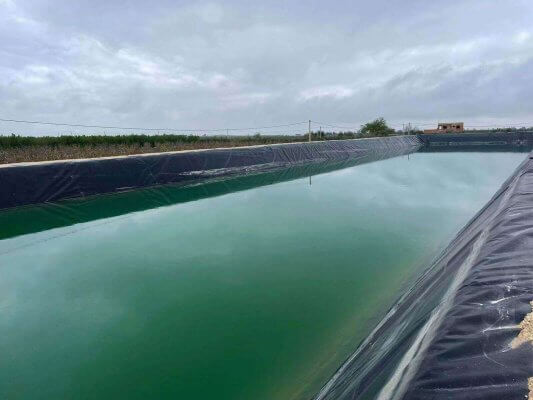
Retention Pond Liners for Stormwater Projects
A retention pond liner is useful when a stormwater pond needs to hold water or contain polluted runoff. It is not a default addition to every drainage project. Some basins are designed to let water soak into the ground. Lining those basins can remove an important part of their function.
For a contractor, the first task is to confirm the water-management purpose. The next is to protect the lining at the places where runoff, sediment and maintenance work put it under stress. The inlet and cleanout area often matter more than a large quiet section of pond floor.
Planetliner can supply the specified geomembrane, protective geotextile and drainage materials. The proposal should follow the approved stormwater design, rather than change how the pond is meant to work.
Retention vs Detention vs Bioretention
Retention pond:Usually keeps water for longer periods.
Detention pond:Typically stores runoff temporarily and releases it later.
Bioretention:Often uses soil and vegetation to filter water and may rely on infiltration.
In common usage, a retention pond has a permanent pool. Extra space above that pool holds stormwater, which is released under control. A detention pond generally holds runoff temporarily and returns toward a dry condition between storms. Local naming conventions vary, so the drawings and water balance take priority over the name.
An infiltration basin intentionally allows water to enter suitable ground. A bioretention area usually combines vegetation and filtering soil, with infiltration or an underdrain depending on the design. A membrane may be used in a particular bioretention design to separate contaminated soil or protect groundwater. It should not be added without understanding the drainage route.
For a permanently wet stormwater retention pond on permeable ground, lining may help keep the pool needed by the design. For a dry detention pond, a permanent water barrier may be unnecessary. For contaminated industrial runoff, containment may be required even when the basin is normally empty. These are separate purchase decisions.
mp;amp;amp;amp;amp;amp;amp;amp;amp;amp;amp;amp;amp;quot;32</yoastmark”>” data-lineheight=”41.92px”>Ask whether seepage is useful or harmful</h2>
The designer should assess the runoff source, soil and groundwater. Runoff from a roof, a busy road
and an industrial loading area can carry different pollutants. A liner limits leakage through the pond boundary. It does not remove those pollutants from the collected water.
Where clean runoff is intended to infiltrate, blocking the ground may increase the volume that must leave through the outlet. The drainage design needs to account for that change. A contractor should not replace an infiltration basin with a lined pond as a field convenience.
Where seepage could carry contaminants into sensitive groundwater, lining may form part of a containment system. Treatment, sampling and the approved release route still need separate decisions. If runoff will be reused, the operating level and water quality requirements also matter.
Confirm the intended normal pool, maximum design level and empty condition before procurement. These levels affect the liner boundary, anchorage, inlet details and groundwater checks. There is no universal retention pond depth that selects the correct membrane.
Design the sediment area for repeated cleaning
Stormwater carries sand, leaves and litter into the pond. Sediment can reduce storage and bury important fittings. A forebay, or smaller settling area near the inlet, can collect much of it where maintenance is easier.
For a lined forebay, provide a cleanout method that does not bring an excavator bucket directly onto the membrane. A designed protective bed or hard working surface may be necessary. Mark the limit of removal and establish how the operator will recognize it.
A geotextile can cushion the membrane beneath a designed protective layer. The layer above must still suit the equipment and sediment-removal method. A bare fabric sheet is not a working platform for tracks.
If the main pond will also be dredged, mark its access route and the protection required there. Do not assume the inlet area is the only place a machine will enter. The maintenance plan should be reviewed while the lining can still be designed around it.
Put extra attention into inlets and outlets
Incoming stormwater can arrive fast, carrying grit and debris. Provide an engineered erosion-control apron or other flow protection at the inlet. Where stone is used, prevent sharp contact with the barrier through the approved cushioning and layer arrangement.
The membrane around a pipe needs a designed fitting and support. Settlement of the pipe trench must not pull the seal apart. A pipe boot is a connection detail; it is not support for a loose pipe.
Outlet structures determine the release rate and normal water level. Keep them accessible for blockage removal. Finish the lining around concrete with an approved attachment. Avoid trapping the connection behind stone where no one can inspect it.
The emergency overflow is separate from the normal outlet. Its route needs erosion protection and a defined connection to the lined boundary. Extending membrane over an unplanned spillway does not make the overflow safe.
Select membrane and protection by pond zone
For a pond that requires containment, smooth HDPE can be considered for the floor where the approved system allows it. On covered banks, textured HDPE may be specified where the actual cover and membrane interface needs greater grip. Check that combination rather than prescribing texture everywhere.
For public or subdivision ponds, protected banks can reduce direct contact between visitors, maintenance equipment and the barrier. The cover must remain stable as the water level changes. Its thickness and vegetation design should be specified by the project team.
Product data belong on the HDPE page; detailed cushion choices belong on the underlay page. Keep the proposal focused on the barrier and protection required by this stormwater design.
Underdrainage may be needed where groundwater can lift the liner during an empty period. Show where that water is collected and discharged. A drainage geocomposite needs a designed outlet and sufficient capacity under the planned loads. It should not be purchased as an unspecified extra layer.
A practical arrangement for a roadside wet pond
Where a roadside pond must retain a permanent pool and the ground assessment supports lining, begin with three zones. At the inlet, provide an engineered apron and an accessible sediment collection area. Across the quieter floor, use the approved HDPE system with the specified foundation cushion. On covered banks, use the designed cover and required membrane surface, with separate details at the outlet and overflow.
Build the cleanout route into the plan. Check that sediment removal will not expose the membrane or reduce cover below its required condition. Compare the pond’s finished geometry with the approved storage calculation, because protection layers occupy space. This arrangement connects containment, stormwater storage and maintenance in one coordinated design.
Hand over a pond that can be maintained
Inspect the liner before cover placement and after potentially damaging works using the approved methods. Keep photographs of pipe connections, cleanout protection and buried details. These records help the maintenance crew understand what lies below the surface.
After storms, inspect the inlet, overflow and banks. New gullies, exposed fabric, displaced stone or settlement around a pipe deserve prompt attention. These can be early indicators of embankment erosion or loss of cover over the lining.
Keep drains, inspection points and outlets accessible. Do not plant deep-rooted vegetation over critical lining details without design approval. Establish where removed sediment will be handled and how its condition will be checked.
Lining does not remove the need for storage and outlet inspections. A blocked outlet can create a water-level problem even when the membrane remains intact. Best practices for stormwater retention pond maintenance should address both the hydraulic structures and the buried barrier.
A public stormwater project reference
COMANCO reports a stormwater runoff pond project for FDOT in Jacksonville, Florida, completed in 2016. More than 90,000 square feet of HDPE membrane and a large pipe boot were installed during the reported second mobilization.
The useful lesson is the importance of pipe details and phased construction. The published membrane thickness was specific to that project. It should not set the minimum for another retention pond. This is an external contractor example, not a Planetliner installation.