
Soil Stabilization Geotextile Fabric: Why Separation Matters for Long-Lasting Roads
By Planetliner — Professional Geotextile Fabric Manufacturer & Export Specialist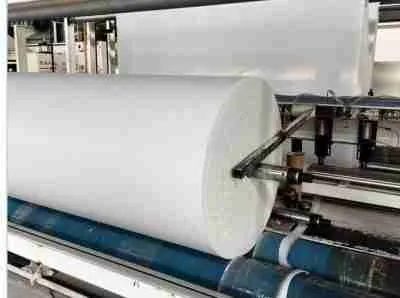
Many road failures begin far below the surface.In regions such as Southeast Asia and Africa, weak subgrade soils, clay layers and seasonal heavy rainfall place enormous stress on road foundations. When the base layer loses integrity, surface pavement alone cannot prevent rutting, settlement and early failure.
This is why soil stabilization using high-quality geotextile fabric has become a popular technique in modern road engineering. A durable separation layer prevents subgrade soil from mixing with aggregates, maintains load-bearing performance, and drastically reduces long-term maintenance costs.
As a dedicated geotextile fabric manufacturer, Planetliner provides non-woven geotextile solutions designed specifically for soil stabilization, drainage improvement, and export to demanding markets across Southeast Asia, Africa, Latin America and Central Asia.
1. Why Soil Stabilization Is the Foundation of Road Durability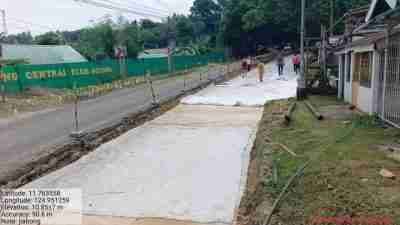
Most road failures start from the interaction between weak subgrade and the base layer.When soil migrates upward or aggregates sink downward, the structural layer loses strength, which leads to rutting, settlement, cracking, and moisture retention during rainy seasons.
A properly engineered non-woven geotextile separation layer prevents this intermixing. By keeping materials in their own position, the road maintains its intended stiffness and distributes loads more efficiently. This is especially valuable where soil conditions are poor or rainfall is intense — conditions common in emerging markets where geotextile fabric exports are increasing rapidly.
Planetliner fabrics are engineered for long-term stability, helping contractors reduce reconstruction cycles and manage water flow more effectively.
2. How Non-Woven Geotextile Improves Soil Stability
High-quality non-woven geotextile provides three simultaneous functions that make soil stabilization possible:
• Separation
The fabric creates a stable barrier between the subgrade and base materials, preventing contamination and maintaining thickness consistency throughout the road’s life.
• Filtration & Controlled Permeability
Water can pass through the geotextile while soil particles are retained. This ensures proper drainage without risking soil loss — a crucial factor in tropical climates.The geotextile for drainage and filtration can be 200gsm.
• Stabilization Support
By maintaining the integrity of the base layer, the geotextile enhances load distribution and reduces deformation under heavy traffic.
Planetliner manufactures non-woven geotextile fabrics ranging from 100gsm to 1000gsm, including widely used grades such as 150gsm and 200gsm, commonly selected for road construction, rural road upgrades, slope protection, and drainage systems. These products are engineered to withstand high rainfall, poor soil conditions, and repeated loading — all essential for infrastructure in Africa and Southeast Asia.Nonwoven geotextile fabrics used for soil stabilization are typically evaluated under international standards to ensure tensile strength, permeability and durability, such as ASTM testing methods for geotextiles.
⭐ Case Study 1 – Southeast Asia: Road Base Separation Using 150gsm Non-Woven Geotextile
A highway project in Southeast Asia faced recurring pavement deformation caused by water-saturated clay soil. The local contractor needed a reliable separation material to stabilize the subgrade.
Planetliner supplied a 150gsm non-woven geotextile specifically chosen for its filtration and separation performance. Installed between the subgrade and crushed stone base, the fabric prevented contamination, improved drainage flow, and provided immediate structural improvement.
After a full monsoon season, the site reported no significant settlement and reduced surface damage, validating the material selection and installation method.
This project highlights why working with an experienced geotextile fabric manufacturer can make a substantial difference in long-term road performance.
⭐ Case Study 2 – East Africa: Stabilizing Clay Roads With 200gsm Geotextile
In East Africa, a rural access road built on highly plastic clay suffered from rutting and shoulder collapse during the rainy season. Local authorities needed a durable and cost-effective solution.
Planetliner provided a 200gsm non-woven soil stabilization geotextile, optimized for both reinforcement and filtration. The material was installed along the road base and embankment section, improving water dispersal and reducing erosion.
Despite heavy rainfall the following season, the stabilized sections remained intact, with no visible rutting or slope failure. Because the products were manufactured and exported directly by Planetliner, shipping optimization reduced total landed cost for the project — an important factor for developing regions.
3. Choosing the Right GSM for Soil Stabilization

Selecting the correct geotextile weight is crucial for project success.
Lower GSM fabrics (120–150gsm) are typically used for light-traffic roads and basic separation, while 150gsm–200gsm are preferred for rural roads, district roads, and areas with moderate loads. Heavier grades (250–400gsm) are selected for weak subgrades, heavy trucks, or embankment reinforcement.
Planetliner assists project managers and contractors in choosing the correct fabric based on soil type, rainfall patterns, expected loading and cost objectives — ensuring materials match real project conditions.
4. Why Planetliner Is a Trusted Partner for Soil Stabilization Projects
Planetliner is not only a supplier — it is a manufacturer with technical capability, export experience, and a focus on engineering performance.
Planetliner’s advantages include:
Consistent manufacturing quality backed by tensile, CBR, and permeability testing
Export support for Africa, Southeast Asia, Latin America, and other developing markets
Competitive pricing structured for volume orders and long-distance freight
Roll sizes tailored for shipping efficiency, helping clients reduce container wastage
Reliable non-woven geotextile solutions for drainage, separation, stabilization and erosion control
These strengths give international contractors confidence when sourcing geotextile materials from Planetliner.
FAQs
1. Is non-woven geotextile suitable for soil stabilization?
Yes. Non-woven geotextile provides separation, filtration and stabilization functions that protect the road base and improve service life.
2. What GSM should I choose for weak soil?
150–200gsm is common for most stabilization needs, while heavy-duty applications may require 250gsm or more.
3. Can Planetliner export geotextile to my country?
Planetliner regularly exports to Southeast Asia, East Africa, West Africa, Central Asia and South America, with full export documentation and logistics support.
4. Does geotextile help during rainy seasons?
Absolutely. Proper drainage and soil separation reduce water-induced deformation, especially in tropical climates.
Conclusion
Weak soil destroys more roads than traffic ever will.A single separation layer can decide whether a road lasts five years or twenty.
By combining professional manufacturing, export-ready packaging, technical support and proven project experience, Planetliner provides reliable and cost-effective soil stabilization geotextile fabrics for global infrastructure projects.For a complete overview of geotextile fabric types and manufacturing capabilities, visit our Geotextile product page
For engineering support, samples or detailed specifications, contact Planetliner today.And follow our Linkedin Youtube Facebook for more solutions!
Recent Post
Aquaculture Pond Lining in Indonesia | From Design to Installation
From Project Drawing to Water Filling: An Aquaculture Pond Lining Project in Indonesia This aquaculture pond project in Indonesia started with a project drawing.The customer firstly contacted us
When Is Geotextile Really Necessary?
When Is Geotextile Really Necessary in Civil Engineering Projects? Geotextiles are widely used in modern infrastructure and environmental engineering. However, a common question among engineers, designers, and contractors is: Is geotextile always necessary? In
Woven Polypropylene Geotextile Manufacturer | Engineering Grade & Landscape Fabric
Woven Polypropylene Geotextile Manufacturer | Engineering Grade & Landscape Fabric By Planetliner — Manufacturer of High-Performance Woven PP Fabrics for Global Projects Woven polypropylene geotextile has become a fundamental material in civil engineering, environmental protection,