
Geosynthetic Technical Center
Engineering Knowledge, International Standards and Application Guides for Geosynthetic Materials
Geosynthetic materials play an essential role in modern civil engineering, environmental protection, mining, transportation and water containment projects. These engineered materials are designed to improve soil performance, control water movement, enhance structural stability and provide long-term protection for critical infrastructure.
Planetliner Technical Center provides professional resources covering geosynthetic materials, international testing standards, engineering considerations and application guidance.
As a global supplier of geosynthetic solutions, Planetliner focuses on providing reliable materials including:
- HDPE Geomembrane
- LLDPE Geomembrane
- Nonwoven Geotextile
- Woven Geotextile
- Geogrid
- Geosynthetic Clay Liner (GCL)
- Drainage Geocomposite
This technical center is designed to help engineers, contractors, distributors and project owners better understand geosynthetic selection, performance requirements and installation considerations.

HDPE Geomembrane

LLDPE liner geomembrane
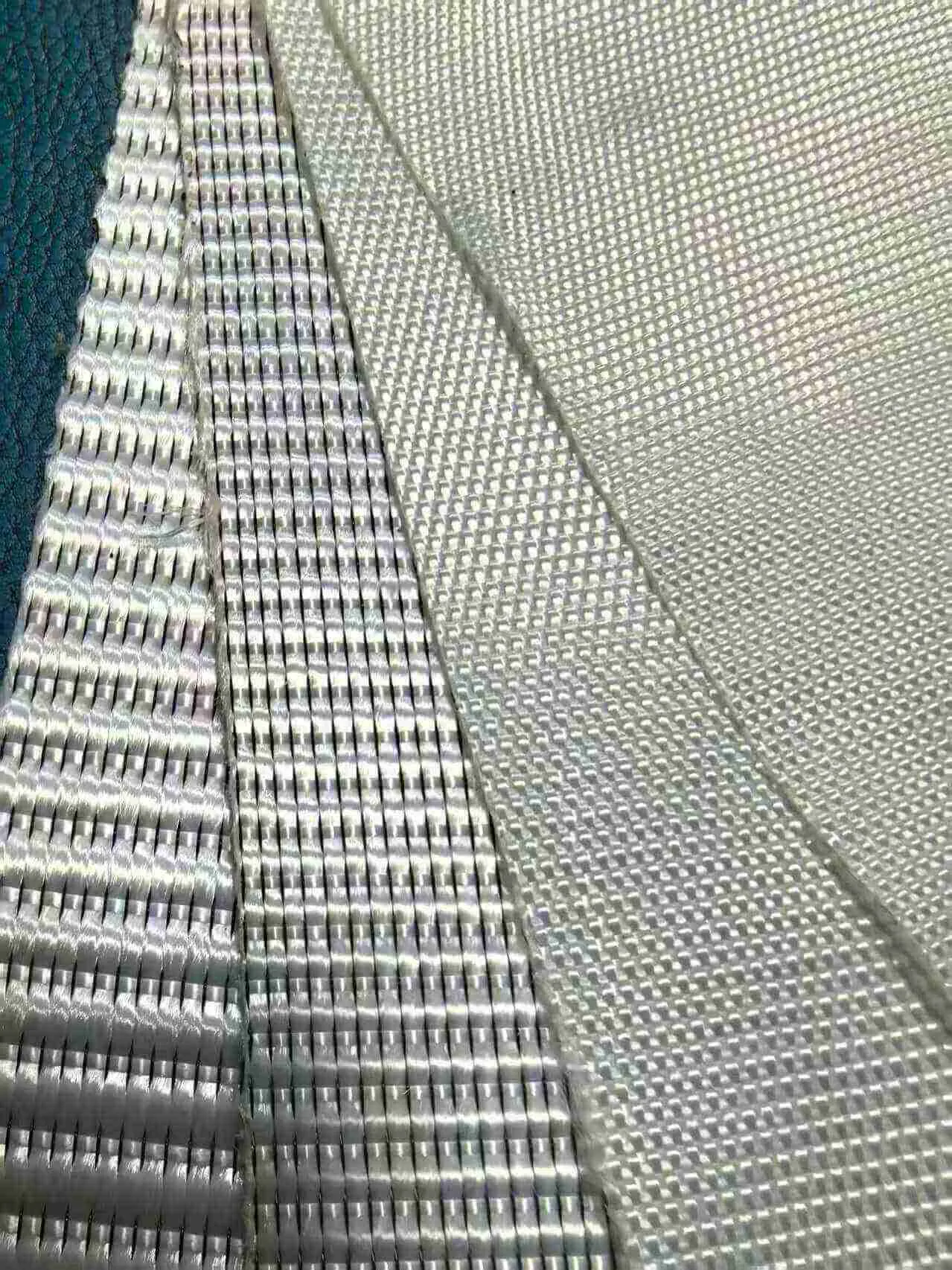
Woven geotextile

woven polypropylene landscape fabric
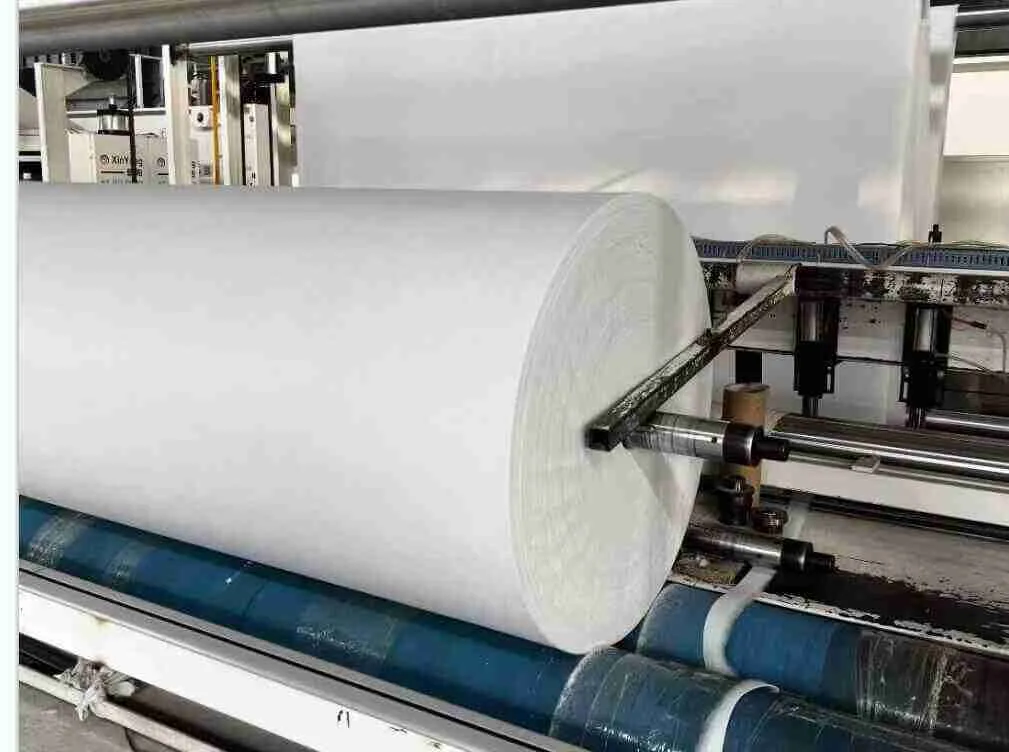
Nonwoven geotextile

polyester pet geogrid
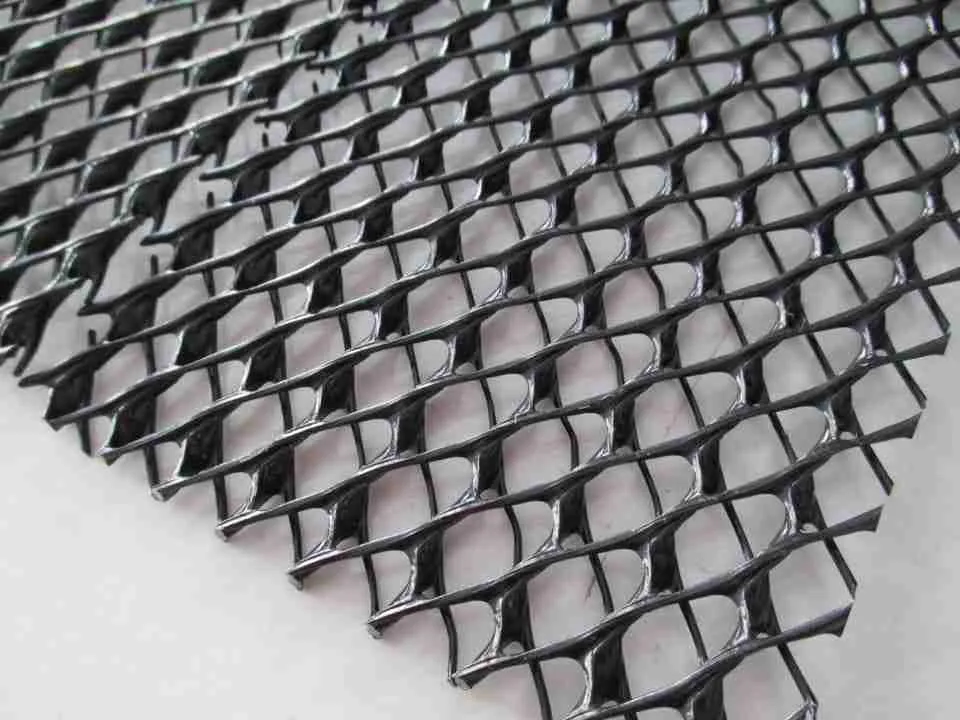
drainage geonet
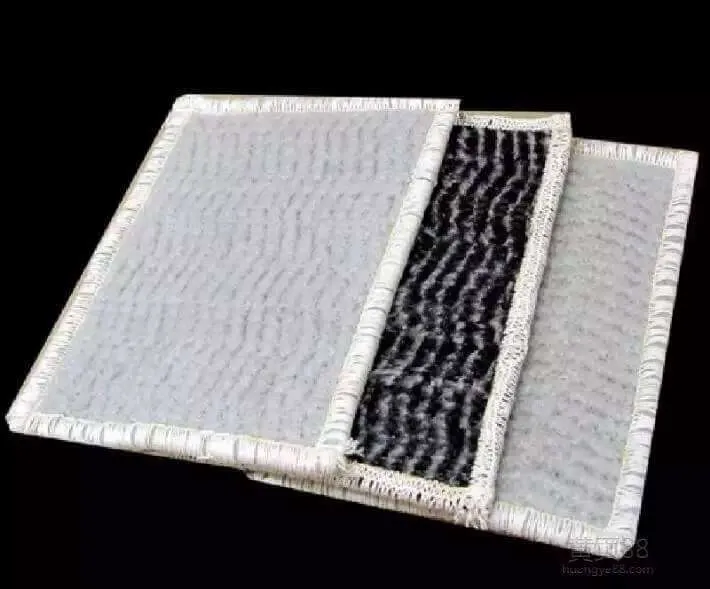
Geosynthetic clay liner
Understanding Geosynthetic Materials
Geosynthetics are synthetic polymer-based products used in combination with soil, rock or other construction materials to improve engineering performance.
Compared with traditional construction methods, geosynthetic materials provide advantages including:
- Improved waterproofing performance
- Enhanced soil reinforcement
- Better drainage efficiency
- Reduced construction costs
- Extended infrastructure service life
- Improved environmental protection
Depending on project requirements, different geosynthetic products perform different functions.The main functions include:
Containment
Used to prevent liquid migration and protect surrounding environments.
Typical products:Geomembrane and Geosynthetic Clay Liner (GCL)
Applications:
- Landfill liner systems
- Mining heap leach pads
- Tailings storage facilities
- Wastewater treatment ponds
- Reservoirs
Separation
Used to prevent mixing between different soil layers while allowing water flow.
Typical product:Geotextile
Applications:
- Roads
- Railways
- Foundations
- Drainage systems
Reinforcement
Used to improve soil strength and distribute loads.
Typical product:Geogrid
Applications:
- Road reinforcement
- Retaining walls
- Soft soil stabilization
- Heavy-load platforms
Drainage
Used to collect and transport water efficiently.
Typical products:Drainage geocomposite,Geonet composite
Applications:
- Landfill drainage systems
- Underground structures
- Green roofs
- Civil engineering projects
Geomembrane Technology
Overview of Geomembranes
Geomembranes are low-permeability synthetic liners mainly manufactured from polyethylene materials. They are widely used where long-term fluid containment and environmental protection are required.
Planetliner provides:
- HDPE Geomembrane
- LLDPE Geomembrane
- Smooth Geomembrane
- Textured Geomembrane
Common applications include:
- Municipal landfill liners
- Mining heap leach pads
- Tailings storage facilities
- Industrial wastewater treatment
- Agricultural reservoirs
- Aquaculture ponds


Geotextile Technology
Overview of Geotextiles
Geotextiles are permeable synthetic fabrics designed to perform separation, filtration, drainage, protection and reinforcement functions.
Planetliner supplies:
- Nonwoven Geotextile
- Woven Geotextile
- Polyester Geotextile
- Polypropylene Geotextile


Geogrid Technology
Overview of Geogrids
Geogrids are reinforcement materials designed with an open grid structure to improve soil stability and load distribution.
They interact with surrounding soil through mechanical interlocking, improving overall structural performance.
Types include:
- Uniaxial Geogrid
- Biaxial Geogrid
- Polyester Geogrid
- Fiberglass Geogrid


Applications of Geogrids
Geogrids are widely used in:
- Road Construction:Improve bearing capacity and reduce deformation.
- Retaining Walls:Provide reinforcement behind retaining structures.
- Soft Soil Stabilization:Improve weak foundation performance.
- Heavy Load Areas:Support industrial yards, airports and transportation infrastructure.
Geosynthetic Clay Liner (GCL) Technology
Overview of GCL
Geosynthetic Clay Liner (GCL) is a composite waterproofing material consisting of bentonite clay integrated with geotextile layers.
When hydrated, sodium bentonite expands and creates a low-permeability barrier.
Advantages of GCL
Key benefits include:
- Low hydraulic conductivity
- Self-sealing capability
- Easy installation
- Reduced construction thickness
- Excellent compatibility with geomembrane systems


Applications
GCL is commonly used in:
- Landfill containment systems
- Mining applications
- Water protection projects
- Environmental engineering
GCL is often combined with HDPE geomembrane to create a multi-layer containment system with enhanced leakage protection.
International Standards for Geosynthetics
ASTM Testing Standards
Planetliner products are evaluated according to internationally recognized testing methods, including ASTM standards,GRI Standards and GB standards.
The Geosynthetic Research Institute (GRI) provides widely recognized specifications for geosynthetic materials.
For HDPE geomembranes, GRI-GM13 is one of the most commonly referenced specifications for landfill, mining and environmental containment projects.
GRI-GM13 requirements typically include:
- Thickness
- Density
- Tensile properties
- Tear resistance
- Puncture resistance
- Carbon black content
- Oxidative resistance
- Stress crack resistance


Geosynthetic Testing and Quality Control
Reliable geosynthetic performance depends not only on material selection but also on strict quality control during manufacturing.
Planetliner follows a comprehensive quality management process.
- Raw Material Inspection
- Before production, raw materials are evaluated to ensure:
- Consistent polymer quality
- Proper resin characteristics
- Stable production performance
Production Quality Control
During manufacturing, key parameters are monitored:
- Thickness consistency
- Surface quality
- Dimensional stability
- Mechanical properties
- Laboratory Testing
- Typical tests include:
- Physical Properties
- Thickness measurement
- Density testing
- Tensile strength testing
- Tear resistance testing
- Puncture resistance testing
- Durability Testing
- OIT testing
- Stress crack resistance testing
- Carbon black dispersion testing
Engineering Guides and Technical Resources
Selecting the correct geosynthetic material requires consideration of:
- Project application
- Environmental conditions
- Soil characteristics
- Required service life
- Installation conditions
- Performance requirements
Planetliner Technical Center provides engineering resources including:
- Material Selection Guide
- Helping engineers select suitable:
- Geomembrane thickness
- Geotextile strength
- Geogrid reinforcement type
- GCL requirements


Installation Guidelines
Technical considerations include:
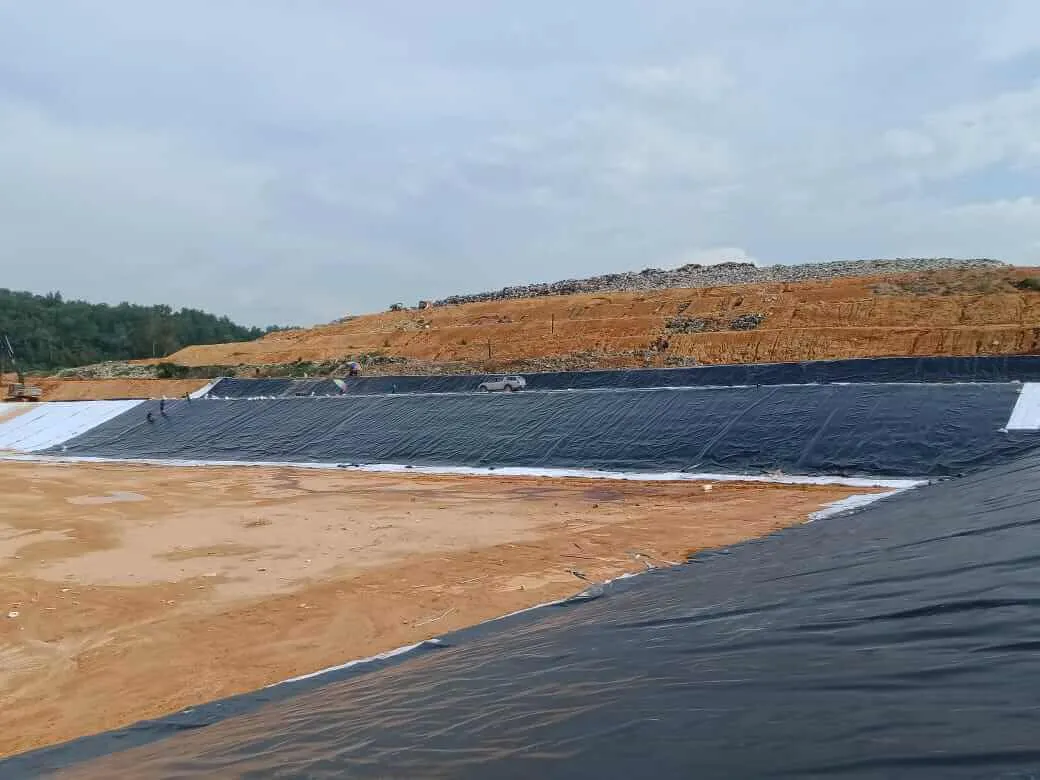
Geomembrane Installation
- Surface preparation
- Panel deployment
- Welding methods
- Seam testing
- Quality inspection
Geotextile Installation
- Overlapping requirements
- Placement methods
- Protection considerations
Geogrid Installation
- Orientation
- Anchorage
- Connection methods

Technical Documents and Downloads
Planetliner provides technical documents to support engineering evaluation and project approval.
Available resources include:
Geomembrane Documents
- HDPE Geomembrane Technical Data Sheet
- LLDPE Geomembrane Technical Data Sheet
- Textured Geomembrane Technical Data Sheet
Geotextile Documents
- Nonwoven Geotextile Technical Data Sheet
- Woven Geotextile Technical Data Sheet
Geogrid Documents
Geogrid Technical Data Sheet
GCL Documents
GCL Technical Data Sheet
Additional documents:
- Test reports
- Quality certificates
- Product specifications
Building Reliable Geosynthetic Solutions
Successful geosynthetic projects require more than selecting a material. They require understanding engineering requirements, international standards, installation conditions and long-term performance.
Planetliner combines geosynthetic manufacturing experience, technical knowledge and international project experience to provide reliable solutions for environmental, mining, water and civil engineering applications.
Through continuous improvement in materials, testing and technical support, Planetliner is committed to supporting customers worldwide with dependable geosynthetic solutions.