
Underwater Geomembrane Repair and Permanent Fixes
If your water pond, reservoir, or dam liner is leaking, you donot need to drain the water according to the situation! There are many solutions to repair underwater geomembranes using proven methods, from quick fixes to professional solutions.
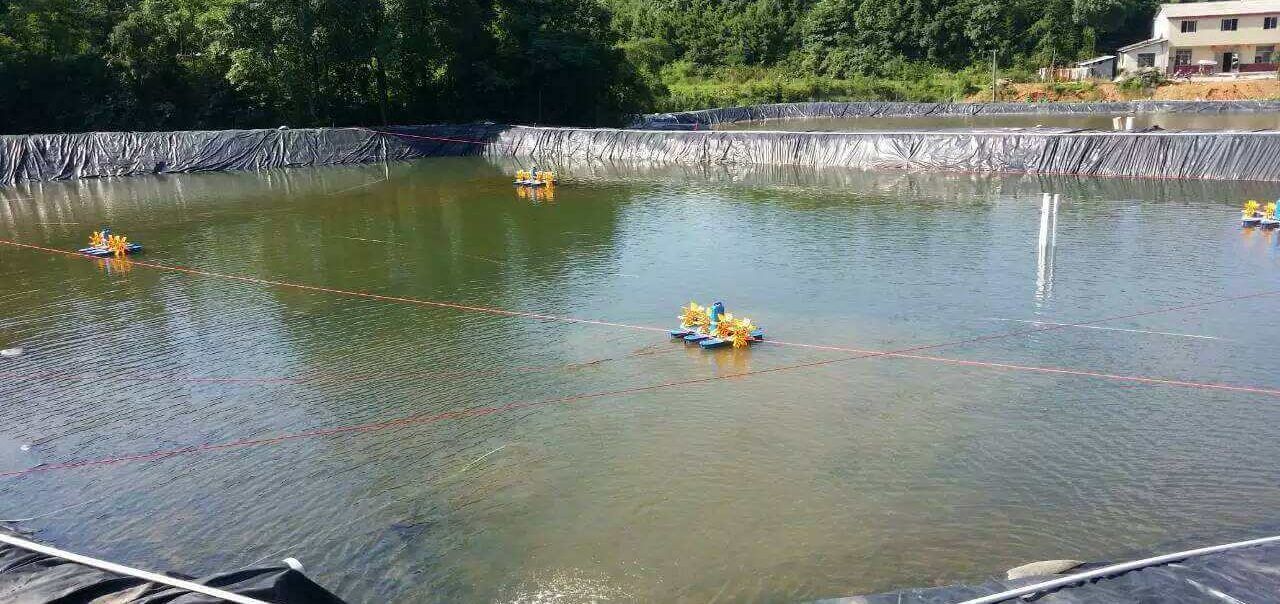
Part 1: How to Find an Underwater Geomembrane Leak
Geomembranes (like HDPE, PVC, or EPDM) can leak due to punctures, seam splits, or weathering,but sometimes it is hard to know where it leak by eyes, Here’s how to find the leaks:
1. Track Water Loss
Measure the water level daily. A 1/4-inch hole can drain 100+ gallons per day.
Use a ruler or tape to mark the waterline. A 1-inch drop ≈ 150 gallons lost.
2. Dye Testing (Most Accurate)
Materials: Non-toxic dye (e.g., fluorescein), syringe.
Steps:
- Turn off pumps to calm the water.
- Inject dye near suspected areas.
- Watch where the dye flows – this points to the leak source.
3. Look for Bubbles
Air bubbles rising? Press the geomembrane gently – leaks will release more bubbles.
4. Night Inspection Trick
Shine a flashlight along the liner’s edges. Leaks often glow due to light reflection
Part 2: Best Materials for Underwater Repair of Geomembrane
Choose the right patch kit based on your geomembrane type:
Match the patch material to your geomembrane (e.g., HDPE with HDPE).
For cold water (<50°F), use slow-cure epoxy (e.g., 3M 5200 Marine).
Avoid duct tape – it fails underwater.
| Material | Best For | Duration | Cost |
|---|---|---|---|
| Butyl Rubber | Large tears, cold water | 10+ years | Expensive |
| EPDM Patch Kit | Flexible liners, UV exposure | 8+ years | Normal |
| PVC Adhesive Tape | Small holes (<3 inches) | 1-2 years | Cheap |
| Polyurethane Sealant | Seams, odd shapes | 5+ years | Normal |
Part 3: Step-by-Step Underwater Geomembrane Repair
Follow these steps,and can help you to finish the underwater repairing of leakage in hdpe geomembrane pond for a permanent fix:
Tools Needed:
- Snorkel/mask (or hire a diver for deep water)
- Stiff brush (remove algae/dirt)
- Patch kit + roller
- Weight bags (to hold the patch in place)
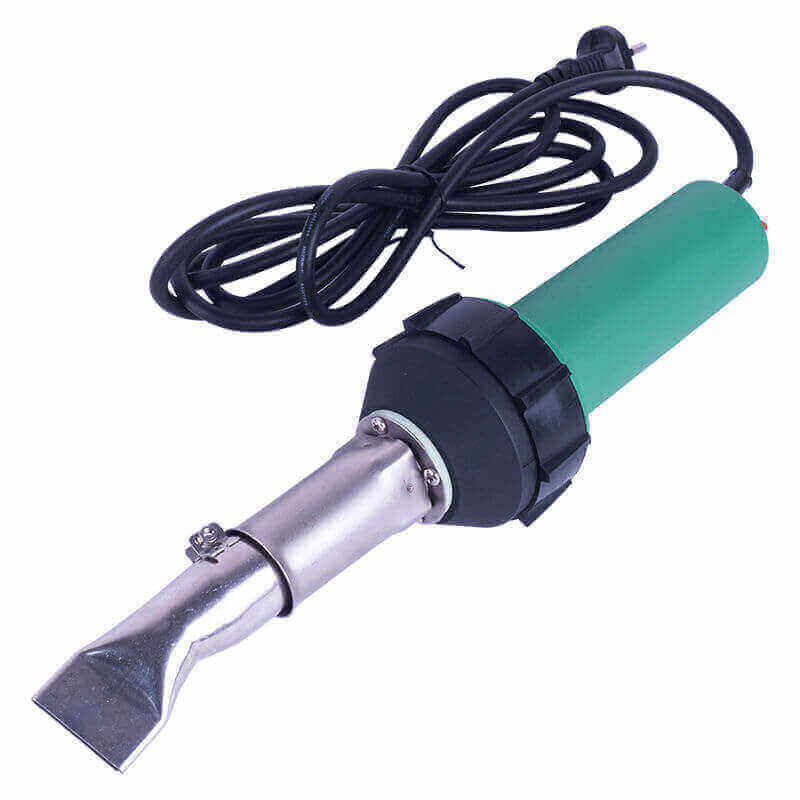
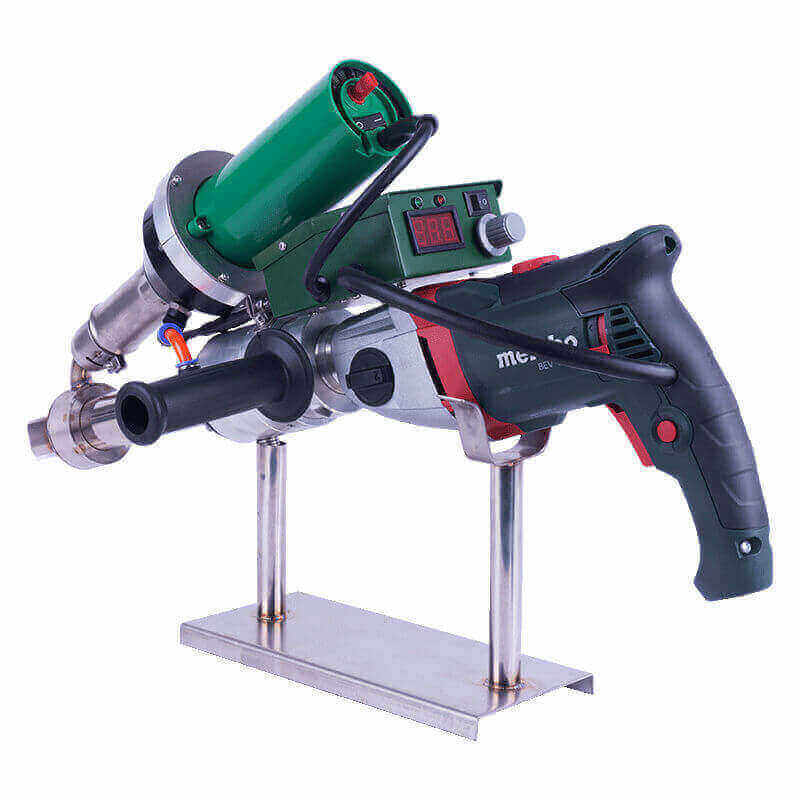
- Welding machines(Hot wedge machine,Hot air machine and Extrusion welding machine)
HDPE geomembrane Holes repair:The best solution is to drain some water until the water donot fall,and when the hole is found, drain more water to ensure the water level is lower than the hole position.
Underwater HDPE geomembrane repair method:
Spot welding repair:Use an extrusion welding machine to spot weld holes less than 5mm and local welds.Ensure that the HDPE geomembrane at the weld is welded as a whole to avoid false welding and leaking welding.
Covering repair:For extrusion welds that are not thick enough or not tight enough, an extrusion welding machine can be used to repair a layer.
Patch repair:For larger holes, punctures, and serious damage to the membrane surface, you can use the method of covering patches to repair.Cut HDPE geomembrane patches of appropriate size and cover them on the damaged area.The size of the patch should be determined according to the specific situation. Generally, the side length should not be less than 200mm, and the patch margin should not be less than 80mm from the defect.
Glue patching method:
Wash and dry the old film, and apply special glue with a brush around the hole.
Let it dry for 3 to 5 minutes, then take a piece of HDPE geomembrane slightly larger than the hole and stick it on it. It will be firmly glued after two hours.
Extrusion welding repair:For larger damaged or cracked welds, a double-track crawling welding machine can be used for re-welding.For parts that cannot be reached by the welding machine, an extrusion welding gun can be used for repair.
During the underwater repair process, the following points need to be noted:
Welding personnel need to undergo professional training to ensure welding quality.
The HDPE geomembrane at the damaged part should be cleaned and kept dry.
The patch and repair material should be consistent with the original HDPE geomembrane material and thickness.
After the underwater repair of geomembrane is completed, a quality inspection should be carried out to ensure that there is no leakage in the repaired area.

Part 4: Prevent Future Leaks
Save time and money with these tips:
1. Regular Inspections
Check seams, edges, and areas near rocks/tree roots every 6 months.
Look for cracks, fading, or lifting seams.
2. Add Protection
Place geotextile fabric under the geomembrane to block punctures.
Use sandbags or gravel to secure edges.
3. Avoid Common Mistakes
❌ Walking on the liner (causes punctures).
❌ Using harsh cleaners (damages the material).
❌ Ignoring small leaks (they grow fast!).
FAQs About Underwater Geomembrane Repair
Q: Can I repair a geomembrane without diving?
A: For shallow water (<3 feet), use a pole to position patches. Deeper repairs need a diver.
Q: Is the repair safe for fish?
A: Yes – use non-toxic sealants (e.g., Aquamend). Avoid PVC glue near aquatic life.
Q: How long does the repair last?
A: Professional patches last 10+ years; temporary fixes last 6–12 months.
Q: Can I repair a geomembrane in winter?
A: Yes, but use cold-water epoxy and allow extra curing time (up to 72 hours).
Please follow our Lindkedin Facebook for more details,and if you have any question about the geomembrane, please feel free to contact us!
Recent Post
Aquaculture Pond Lining in Indonesia | From Design to Installation
From Project Drawing to Water Filling: An Aquaculture Pond Lining Project in Indonesia This aquaculture pond project in Indonesia started with a project drawing.The customer firstly contacted us
When Is Geotextile Really Necessary?
When Is Geotextile Really Necessary in Civil Engineering Projects? Geotextiles are widely used in modern infrastructure and environmental engineering. However, a common question among engineers, designers, and contractors is: Is geotextile always necessary? In
Woven Polypropylene Geotextile Manufacturer | Engineering Grade & Landscape Fabric
Woven Polypropylene Geotextile Manufacturer | Engineering Grade & Landscape Fabric By Planetliner — Manufacturer of High-Performance Woven PP Fabrics for Global Projects Woven polypropylene geotextile has become a fundamental material in civil engineering, environmental protection,