
What are Wastewater Treatment Linings and how to choose linings?
Wastewater management has become one of the most pressing challenges of modern society. Cities, industries, and farms produce millions of liters of wastewater every single day. Without effective systems, this water would flow back into rivers, lakes, and soil, carrying harmful chemicals and bacteria that threaten human health and ecosystems.Imagine a large pond filled with industrial or municipal wastewater. This water contains a complex mixture of contaminants, including chemicals, organic matter, and potentially harmful pathogens. Without a proper barrier, these substances could seep into the ground, contaminating the soil and, the groundwater that feeds our wells and ecosystems.
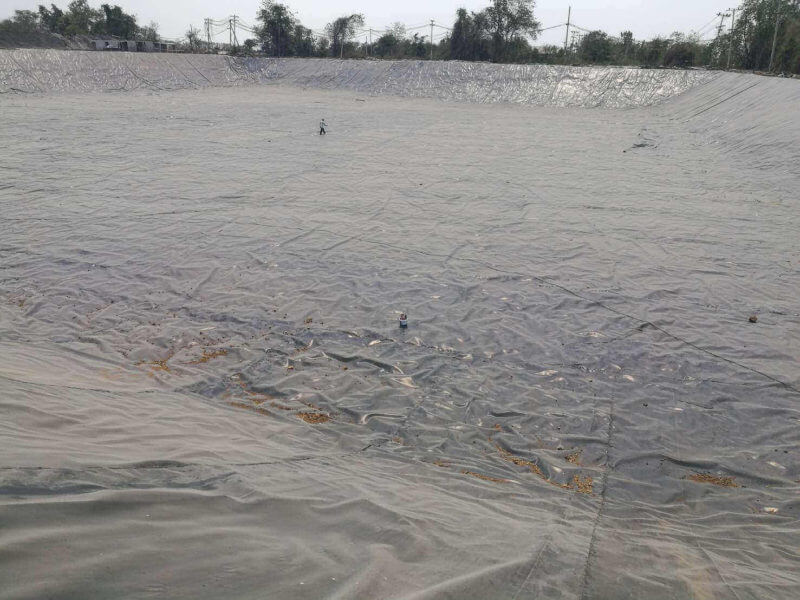
A critical but often hidden part of these systems is wastewater treatment linings. These linings act as protective barriers that keep contaminated water inside treatment ponds, lagoons, tanks, or reservoirs, preventing leaks and pollution. Strong, well-designed linings make wastewater treatment safer, more efficient, and more sustainable.
1. What are Wastewater Treatment Linings
A wastewater treatment lining is a durable sheet or coating that blocks liquid from escaping into the surrounding soil. The purpose is simple but powerful: contain wastewater, protect groundwater, and create a stable environment for treatment.This is the primary function of a wastewater treatment lining: to create an impermeable barrier. This barrier, or liner, is installed at the bottom and along the sides of wastewater ponds, lagoons, and tanks. Its job is to contain the wastewater securely, preventing any leakage into the surrounding environment. This containment is essential for several reasons:
- Environmental Protection: The most critical role of a liner is to prevent soil and groundwater contamination. This protects local ecosystems, wildlife, and human health from the harmful effects of untreated wastewater.
- Operational Efficiency: Liners ensure that the volume of wastewater within the treatment facility remains constant, preventing loss through seepage. This allows for more accurate monitoring and management of the treatment process, leading to greater efficiency and more predictable outcomes.
- Regulatory Compliance: Environmental regulations around the world mandate the use of effective containment systems for wastewater. Using high-quality, properly installed liners ensures that facilities comply with these legal requirements, avoiding hefty fines and potential legal action.
- Structural Integrity: In some cases, liners can also contribute to the structural stability of the containment basin or pond, preventing erosion and maintaining the intended shape and volume of the structure.
There are several common types:
Geomembrane liners: Flexible plastic sheets, usually made of high-density polyethylene, valued for durability, chemical resistance, and ease of installation.
Concrete with protective coatings: Suitable for rigid tanks, often paired with epoxy or polyurethane layers to resist corrosion.
Composite systems: A combination of fabrics, membranes, or clay layers designed for large ponds or industrial sites.
Each type has its own role depending on the project size, budget, and environmental conditions.
2. The Global Context of Wastewater Treatment
Current Situation
Urban growth: Rapidly expanding cities produce large volumes of sewage. Many treatment plants are operating beyond capacity.
Industrial demand: Factories in sectors like food processing, mining, textiles, and chemicals generate wastewater with complex pollutants.
Agricultural runoff: Fertilizers, pesticides, and livestock waste wash into rivers, demanding new treatment solutions.
Water scarcity: Many regions already face limited fresh water. Recycling treated wastewater has become essential for irrigation, cooling, and even drinking water in some cases.
In many developing regions, untreated wastewater still flows directly into nature. This causes groundwater contamination, algae blooms, and the spread of disease. Here, reliable wastewater treatment linings are especially vital to stop immediate leaks and provide safer storage.
3. How Wastewater Treatment Linings Support Sustainability
Linings are not just barriers. They are also enablers of sustainable water use:
Protecting groundwater – Prevents harmful seepage into underground aquifers.
Recycling water – Ensures treated water remains contained until it can be reused safely.
Reducing costs – Avoids expensive soil remediation caused by leaks.
Supporting renewable energy – Many wastewater ponds are used in biogas projects. Linings allow methane to be captured and converted into energy.
4. Challenges in Current Wastewater Management
Despite progress, wastewater treatment faces several obstacles:
Aging infrastructure: Many plants built decades ago now struggle with cracks, leaks, and outdated technology.
Chemical resistance: Some modern pollutants, like pharmaceuticals and microplastics, are difficult to treat and may damage traditional linings.
Climate change: Heavy rainfall and flooding increase the risk of liner damage and overflow.
High installation costs: Although linings save money long term, initial investment can be a barrier for smaller communities.
5.Selecting the Right Lining System: Critical Considerations
Choosing appropriate lining technology requires evaluating several factors:
Chemical Compatibility: Different wastewater streams contain unique chemical profiles. Industrial effluent may contain solvents, heavy metals, or acidic compounds requiring linings with specialized chemical resistance. Reputable manufacturers provide chemical compatibility charts matching lining formulations to specific contaminants.
Installation Excellence: Even premium linings fail without proper installation. Leading projects incorporate on-site technical supervision during deployment. Seam welding quality deserves particular attention—thermal fusion methods must create continuous, uniform bonds verified through non-destructive testing. Many providers now offer installation support as part of integrated technical packages.
Long-Term Value Assessment: While tempting to focus on initial costs, quality lining represents a long-term investment. Premium linings with 20-30 year service lives often deliver superior lifetime value despite higher upfront costs compared to materials requiring replacement within 5-10 years.
6.Understanding Geomembrane Linings: The Popular solution
When we talk about modern wastewater treatment linings, we are most often referring to geomembranes. A geomembrane is a synthetic membrane liner or barrier used to control fluid migration in a human-made project, structure, or system. They are the preferred choice for wastewater applications due to their exceptional durability, flexibility, and impermeability.
Geomembranes are engineered materials, meaning they are designed and manufactured to meet specific performance criteria. They are typically made from various types of polymers, with each type offering a unique set of properties. The most common material used for wastewater treatment linings, and the one we will focus on, is High-Density Polyethylene (HDPE).

7.A Deep Dive into High-Density Polyethylene (HDPE) Liners
High-Density Polyethylene, or HDPE, has become the gold standard for wastewater containment. It is a thermoplastic polymer known for its incredible strength-to-density ratio. When manufactured into large, flexible sheets, it creates a robust and reliable lining material.
What makes HDPE so suitable for this demanding application? The answer lies in its molecular structure. The material is created from new raw materials, ensuring a high-quality, consistent product. It is engineered to not only meet but often exceed stringent industry standards for performance and longevity.
Key properties of HDPE liners include:
- Exceptional Chemical Resistance: Wastewater can be highly corrosive and contain a wide range of chemicals. HDPE is highly resistant to a broad spectrum of chemicals, acids, and alkalis, ensuring that the liner does not degrade when in contact with the contained wastewater.
- High Temperature Resistance: Industrial wastewater processes can often involve high temperatures. HDPE liners are designed to maintain their integrity and performance across a wide range of temperatures.
- Superior Durability and Strength: HDPE has excellent tensile strength and puncture resistance. This means it can withstand the stresses of installation and the pressures of the contained water without tearing or being compromised.
- Ultraviolet (UV) Resistance: Many wastewater ponds are open to the elements. HDPE liners are manufactured with additives that make them resistant to degradation from long-term sun exposure, a crucial feature for ensuring a long service life.
- Excellent Impermeability: The primary purpose of a liner is to stop leaks. HDPE has an extremely low permeability, making it one of the most effective materials for preventing the seepage of liquids.
These properties make HDPE an incredibly reliable and long-lasting solution for wastewater treatment applications.
8.The Clear Benefits of Using High-Quality HDPE Liners
Investing in a high-quality HDPE lining system provides numerous tangible benefits for any wastewater treatment project.
- Long-Term Performance and Lifespan: A properly selected and installed HDPE liner can have a service life of several decades. This long-term durability means fewer replacements, less downtime, and a lower overall cost of ownership over the life of the facility.
- Cost-Effectiveness: While there is an initial investment, the longevity and low maintenance requirements of HDPE liners make them a highly cost-effective solution in the long run. Their ability to prevent costly environmental cleanups further enhances their economic value.
- Versatility and Flexibility: HDPE liners can be fabricated in large panels, which reduces the amount of on-site seaming required. This flexibility allows them to be used in ponds and basins of all shapes and sizes, conforming to the contours of the land.
- Enhanced Safety: By reliably containing potentially hazardous wastewater, these liners contribute to a safer working environment for facility operators and protect the health of nearby communities.
- Ease of Installation: Compared to other containment methods like concrete or compacted clay, geomembrane liners are relatively quick and easy to install, especially when handled by experienced technicians. This can significantly reduce project construction time.
9.Applications Across a Spectrum of Wastewater Contexts
The need for effective wastewater containment is not limited to a single industry. HDPE geomembrane linings are used in a wide variety of applications, including:
- Industrial Wastewater: Factories in sectors such as palm oil production, mining, chemical manufacturing, and food processing generate wastewater with unique chemical compositions. HDPE’s chemical resistance makes it ideal for these challenging environments.

- Municipal Wastewater Treatment: Cities and towns rely on large lagoons and basins to treat sewage. Liners prevent this sewage from contaminating local water sources.

- Agricultural Wastewater: Runoff from farms and livestock operations can contain nitrates, phosphates, and other pollutants. Lined ponds are used to collect and manage this runoff, protecting nearby rivers and lakes.
- Landfill Leachate Ponds: Landfills produce a toxic liquid called leachate as rainwater filters through the waste. This leachate is collected in lined ponds before it can be properly treated.

- Power Plant Cooling Ponds: Power plants often use large ponds of water for cooling. Liners ensure this water does not seep away and can be recirculated efficiently.
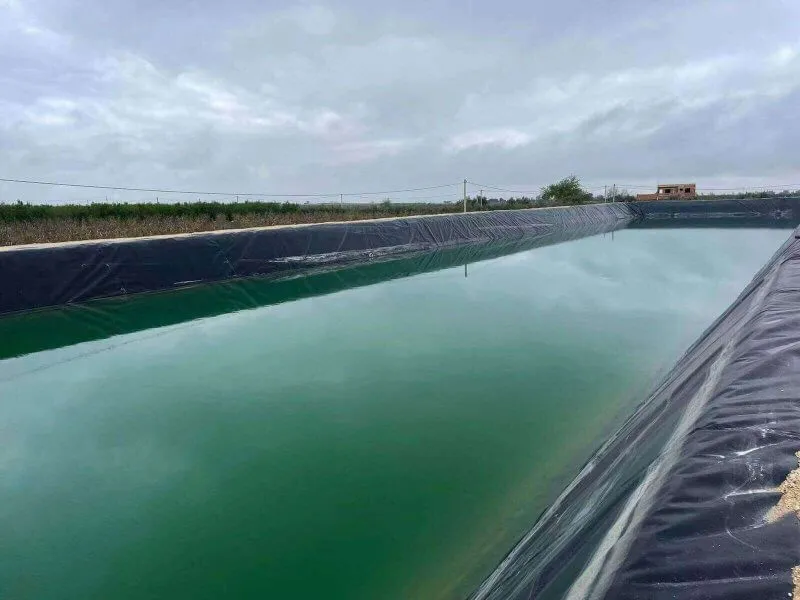
10.How to Choose the Right Lining for Your Project
Selecting the appropriate lining is a critical decision that will impact the success and longevity of your wastewater treatment facility. Here are some key factors to consider:
- Wastewater Composition: The first step is to thoroughly analyze the chemical makeup of the wastewater. Will the liner be exposed to harsh chemicals, high or low pH levels, or organic solvents? This analysis will determine the required level of chemical resistance.
- Operating Temperatures: Consider the range of temperatures the liner will be exposed to. This includes the temperature of the wastewater itself and the ambient climate conditions.
- Site Conditions: Evaluate the physical location. Is the ground smooth or rocky? What are the soil conditions? The liner must be durable enough to withstand the specific conditions of the site.
- Liner Thickness: The thickness of the geomembrane is a crucial factor. Thicker liners, such as 1.5mm or 2.0mm, offer greater durability and puncture resistance. The required thickness will depend on the size of the pond, the nature of the subgrade, and the type of wastewater being contained.
- Regulatory Requirements: Be fully aware of all local, national, and international environmental regulations that apply to your project. Ensure the chosen liner meets or exceeds all of these standards.
- Installation Expertise: The performance of a liner is only as good as its installation. It is essential to work with experienced and certified installation professionals who can properly prepare the site, deploy the liner, and create strong, leak-proof seams.
11.The Future of Wastewater Containment Technology
Innovation continues to reshape the industry landscape:
Intelligent Lining Systems: Emerging “smart geomembranes” incorporate embedded sensors that continuously monitor seam integrity, strain levels, and potential leaks. This real-time data enables proactive maintenance before minor issues escalate into catastrophic failures. Early adoption in landfill applications demonstrates potential for wastewater containment, particularly in sensitive locations near drinking water sources5.
Circular Material Innovations: Research focuses on developing linings with higher recycled content without compromising performance. Some manufacturers now offer take-back programs that recycle decommissioned lining material into new products—reducing landfill burdens while conserving resources. Biopolymer formulations show promise for specific lower-risk applications, though performance limitations remain for demanding wastewater environments3.
Climate-Adaptive Designs: As extreme weather events increase, lining systems must withstand unprecedented challenges. New anchoring systems resist uplift during flooding events, while expanded thermal tolerance ranges maintain flexibility in both freezing temperatures and extreme heat. These innovations prove particularly valuable in tropical regions experiencing increasingly volatile weather patterns48.
Frequently Asked Questions (FAQ)
1. What is the purpose of wastewater treatment linings?
They prevent wastewater from leaking into the soil and groundwater, ensuring treatment ponds and tanks remain safe and efficient.
2. Which materials are best for linings?
High-density polyethylene geomembranes are the most common because they are strong, flexible, and resistant to chemicals. Concrete with protective coatings is also widely used in tanks.
3. How long do wastewater treatment linings last?
With proper installation and maintenance, modern liners can last 20–30 years or more, depending on environmental conditions.
4. Can wastewater linings be used in biogas projects?
Yes. Linings are essential in biogas lagoons, where they contain wastewater and also help capture methane gas for energy use.
5. Is the color of the liner important?
The most common color for wastewater liners is black. This is because the carbon black used to create the color is also an excellent Ultraviolet (UV) light inhibitor, which protects the polymer from sun degradation and extends its lifespan. While other colors are available, black is typically the most durable for exposed applications.
6. What is the difference between a pond liner and a geomembrane?
The terms are often used interchangeably. “Pond liner” is a more general term for any impermeable material used to line a pond. “Geomembrane” is a more technical, engineering term that refers specifically to the synthetic membrane liners used in civil engineering and environmental applications, including lining wastewater ponds.
7. Can a liner be repaired if it gets punctured?
Yes, one of the advantages of HDPE and other geomembrane liners is that they can be repaired. If a puncture or tear occurs, a patch of the same material can be welded over the damaged area by a qualified technician to restore the integrity of the liner.
8.How are leaks detected and repaired?
Advanced electrical leak location surveys identify breaches by passing currents through the liner. Small punctures are repaired with compatible welding patches, while larger damage may require section replacement. Regular monitoring significantly reduces environmental risks4.
Wastewater treatment is no longer just a technical process. It is a pillar of public health, environmental safety, and sustainable development. Wastewater treatment linings may seem like a hidden detail, but without them, entire systems would fail.
From protecting groundwater to enabling water recycling, from supporting biogas energy to preparing for future smart cities, linings are at the core of global water solutions. As new technologies and eco-friendly materials emerge, linings will become even more advanced, helping societies move toward cleaner water and a more sustainable future.Follow our Linkedin Facebook Youtube for more information!
Recent Post
Aquaculture Pond Lining in Indonesia | From Design to Installation
From Project Drawing to Water Filling: An Aquaculture Pond Lining Project in Indonesia This aquaculture pond project in Indonesia started with a project drawing.The customer firstly contacted us
When Is Geotextile Really Necessary?
When Is Geotextile Really Necessary in Civil Engineering Projects? Geotextiles are widely used in modern infrastructure and environmental engineering. However, a common question among engineers, designers, and contractors is: Is geotextile always necessary? In
Woven Polypropylene Geotextile Manufacturer | Engineering Grade & Landscape Fabric
Woven Polypropylene Geotextile Manufacturer | Engineering Grade & Landscape Fabric By Planetliner — Manufacturer of High-Performance Woven PP Fabrics for Global Projects Woven polypropylene geotextile has become a fundamental material in civil engineering, environmental protection,