
What Is the Function of a Landfill and landfill liner?
When people hear the word landfill, the first thing that usually comes to mind is Rubbish,trash,Garbage,And that is not wrong. A landfill is a designated site where waste is collected, stored, and managed even reused. If you are picturing a giant, open pit of stinking garbage, you are about 50 years out of date. There are a lot more technology and engineering behind landfills than most people realize.Modern landfills aren not just dumps, they are highly engineered facilities designed to do one thing: safely contain the waste and protect the environment.From landfill liners to daily covers to complex drainage systems, every part plays a crucial role in protecting the environment
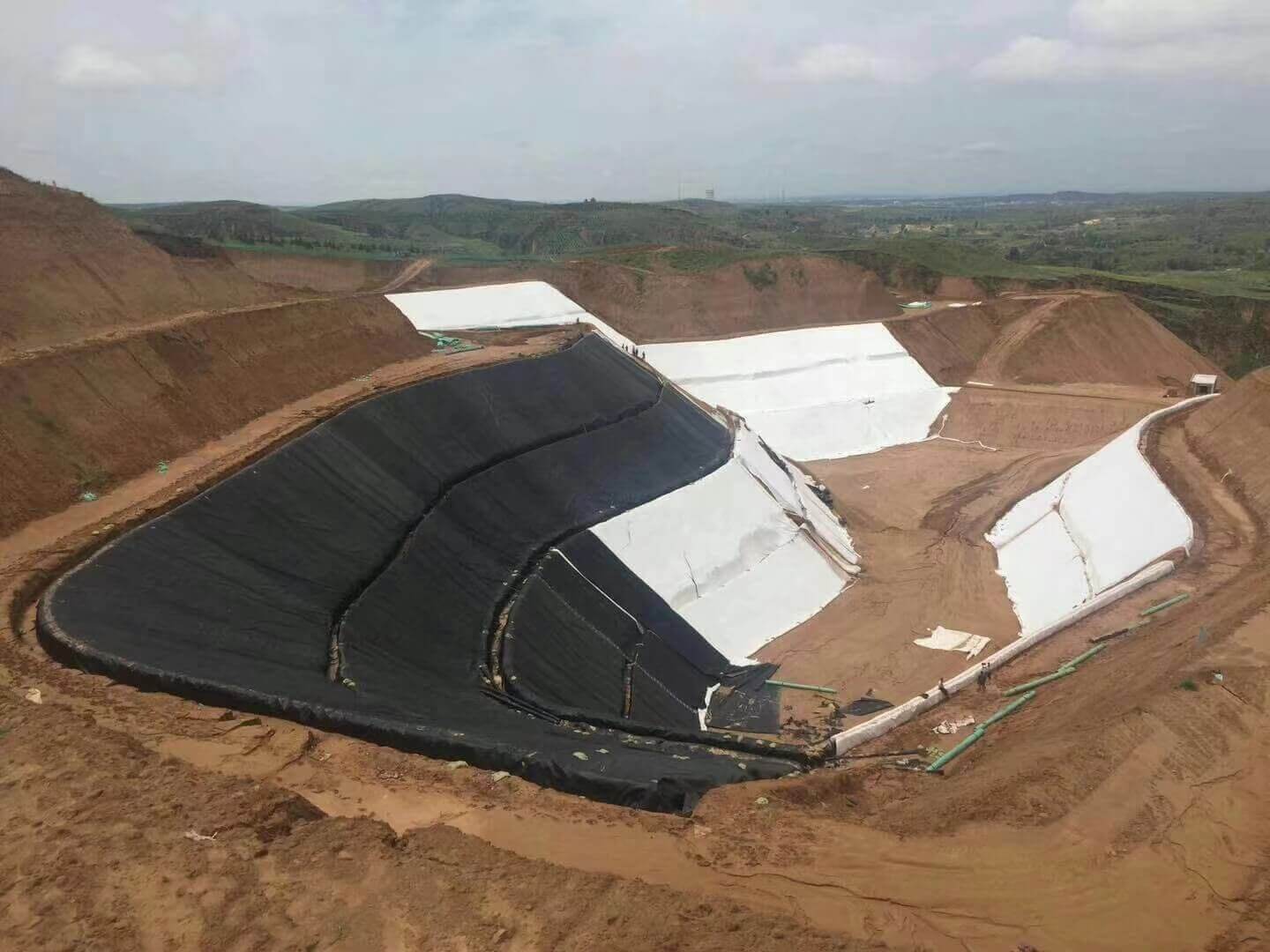
What Is the Function of a Landfill?
At we can know, the function of a landfill is waste containment. But besides this one function, A well designed landfill has several important things:
- Contains waste ,so it does not mix with soil, groundwater, or air.The landfill keeps garbage out of sight and far away from people and animals.
- Protect the Environment: It prevents harmful chemicals (called leachate) from seeping into the soil and groundwater.
- Control Gas Emissions: As waste breaks down, it produces gases like methane. Landfills are designed to capture and manage these gases.
- Support Urban Sanitation: Landfills play a big role in keeping cities clean and reducing the spread of disease.
- Enable Future Land Use: Once full, a landfill can be capped and repurposed—into parks, solar farms, or even golf courses.
In other words, a landfill is not just a dumping site—it’s a critical part of waste management infrastructure. And one of the most important materials making this possible is geomembrane.


How Do Sanitary Landfills Constructed and Work?
Sanitary landfills are built in many layers, with every layer having a own function.
- Site Preparation: Before construction, engineers assess the land geology, hydrology, and surroundings. Then excavation work begins.The process begins by excavating and compacting the native soil to create a stable, solid base, often several feet above the natural water table
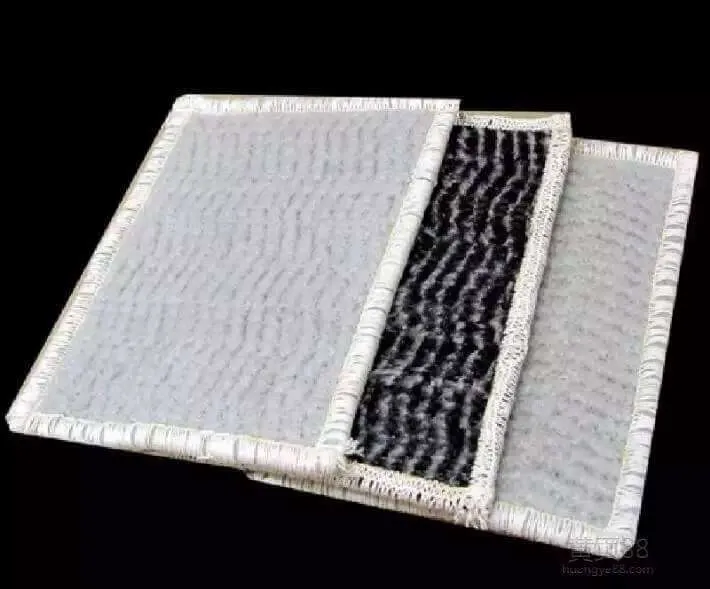
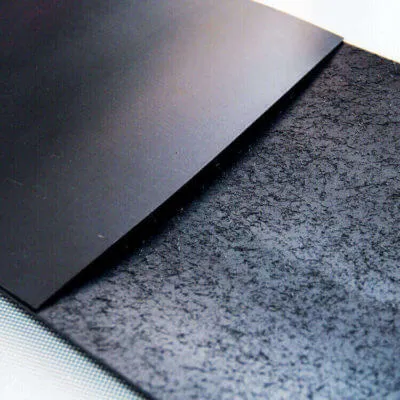
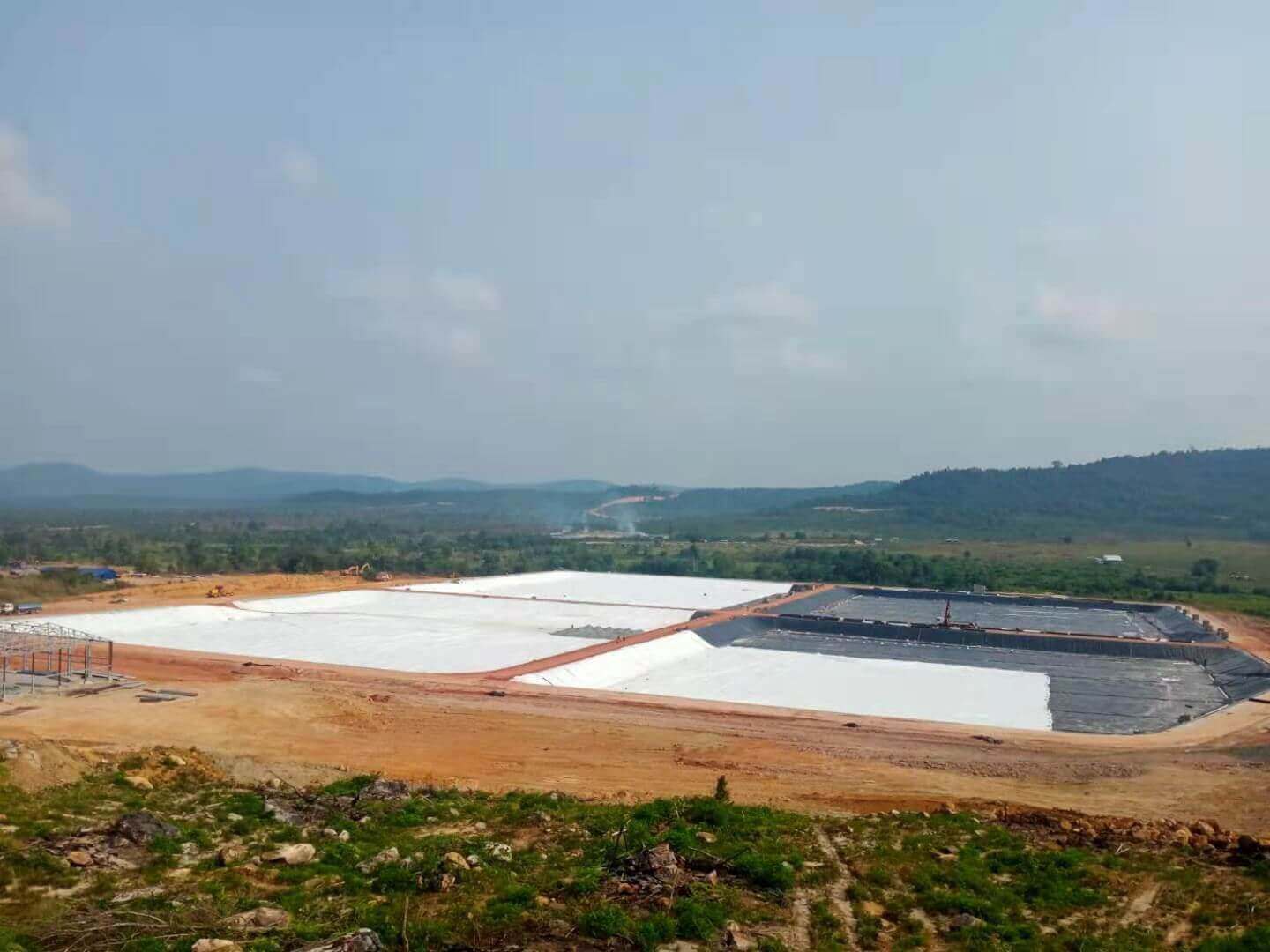
- Liner System Installation: A landfill liner system is placed at the bottom to prevent liquid (leachate) from seeping into the ground. This system typically includes geomembranes, clay liners, and geotextiles.The first barrier is a thick layer of dense, 4500g clay liner, compacted Geosynthetic clay liner. This natural landfill liner material is not very permeable, meaning liquid struggles to pass through it. It’s the first line of defense. On top of the clay liner is the landfill waste liner geomembrane. This is a thick, durable sheet of high-density polyethylene (HDPE geomembrane), 1.5mm or 2mm are popular used. This landfill lining is the primary barrier, engineered to be chemically resistant and incredibly tough.Then the Geotextile layer protects the geomembrane from being punctured by rocks or sharp objects.
- Waste Placement: Garbage is placed in compacted layers, called landfill cells every day.
- Daily Landfill Cover: Once the landfill liner system is in place, the landfill is ready to accept waste.At the end of every day, an important step takes place: applying the daily landfill cover. A layer of 1mm HDPEor other approved material is spread over the fresh garbage. The daily cover helps:Control odors.Prevent trash from blowing away.Keep pests like birds and rodents away.Reduce the risk of fires.This process repeats day after day, layer after layer, until the cell is full.
- Leachate Collection & Treatment: Rainwater that passes through the waste becomes contaminated. A landfill drainage system, consisting of a network of perforated pipes embedded in a layer of gravel, is installed over the geomembrane.This system collects all the leachate, which is then pumped out and sent to a treatment facility. A protective geotextile fabric is often used to cushion and protect the geomembrane from being punctured
- Gas Collection: As organic waste decomposes, gases like methane are produced. Landfills install pipes to capture and either flare off or reuse the gas.
- Landfill Capping & Closure: A landfill does not stay open forever. Once a cell, or the entire landfill is full, it’s time for permanent closure. This involves building an landfill covering, known as the landfill cap.
A modern landfill cap is another multi-layer marvel:
A Sealing Layer: Just like the bottom liner, the cap includes a layer of dense clay and another landfill capping liners (HDPE geomembrane liner) to form a waterproof umbrella.
A Drainage Layer: Above the sealing layer, a drainage layer of sand or gravel helps direct rainwater off the landfill instead of letting it pool.
A Protective Layer: A thick layer of soil is placed on top of the drainage and sealing layers. This topsoil provides a medium for vegetation to grow.
Vegetation: The final step is planting grass, wildflowers, and other native vegetation. The roots help stabilize the soil, prevent erosion, and make the closed landfill blend back into the natural landscape.
Many closed landfills go on to have a second life as parks, golf courses, or nature preserves, all thanks to the security provided by the final landfill capping.

What Are Landfill Liners Made Of?
Landfill liner materials must be tough, chemical-resistant, and long-lasting.
HDPE (High-Density Polyethylene) – Most popular due to high strength, chemical resistance and low cost.
LLDPE (Linear Low-Density Polyethylene) – More flexible than HDPE.
PVC (Polyvinyl Chloride) – Flexible, but less UV-resistant.
GCL (Geosynthetic Clay Liner) – A layer of bentonite clay between geotextiles, often used with geomembranes.


Why HDPE Geomembrane Is the Best Landfill Waste Liner
Among all liners, HDPE geomembrane is the gold standard in landfill applications.
- High tensile strength and resistance to tears and punctures,our HDPE geomembrane meet GRI GM13 standard.
- Excellent chemical resistance, especially to acids, oils, and hazardous leachate.
- UV stable, making it suitable for long-term outdoor exposure,and there is no sunshine at bottom of landfill
- Easy to weld, allowing secure seam connections,use the welding machines.
- Long lifespan—often more than 50 years with proper installation,without sunshine, the bottom geomembrane liner life even 100years.
That is why you can find HDPE in nearly every modern landfill liner system.
Landfill Liner Installation
Installing a liners landfill system is a job for professionals. Poor installation can cause leaks, leading to major environmental problems. Certified landfill liner installers follow strict QA/QC (quality assurance and quality control) protocols, including:
- Surface inspection and smoothing
- Geomembrane welding and testing
- Vacuum or pressure testing of seams
- Slope anchoring and overlaps
- Field documentation for regulatory compliance

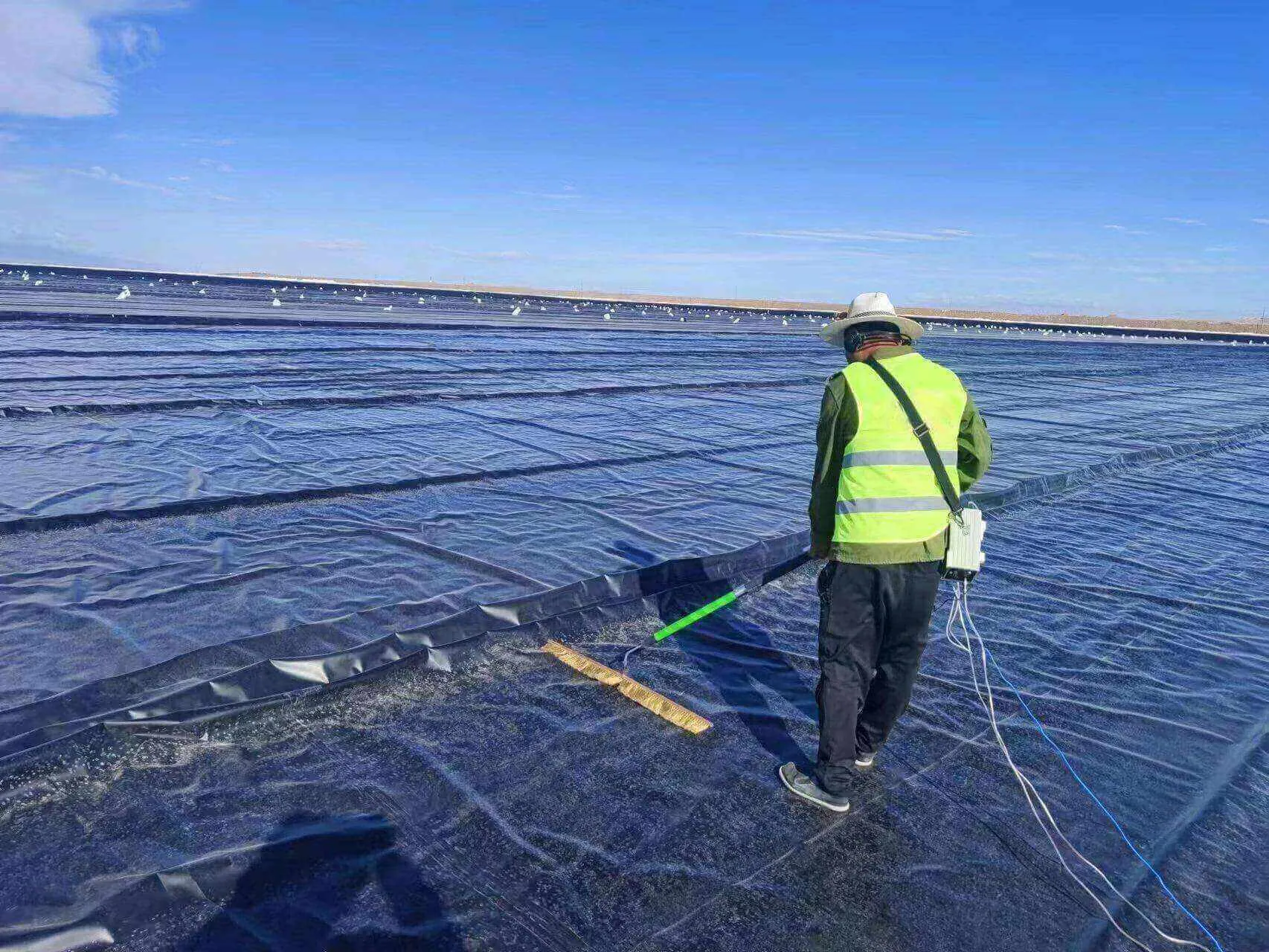
A modern landfill is far from a basic dump. It is a multi-layered, well-managed environmental protection facility. Its function extends far beyond waste storage—landfills help manage pollution, reclaim land, and even generate energy from gases.
The function of a landfill is safe waste containment.Landfill liners and capping systems prevent contamination.
HDPE geomembrane is the top choice for durability and performance.Proper installation is critical to long-term success.Modern sanitary landfills are an essential part of sustainable waste management.
With 10+years geosynthetic experience,our team can provide you a nice solution for your landiflls.Follow our Linkedin Facebook for more informations.
Recent Post
Aquaculture Pond Lining in Indonesia | From Design to Installation
From Project Drawing to Water Filling: An Aquaculture Pond Lining Project in Indonesia This aquaculture pond project in Indonesia started with a project drawing.The customer firstly contacted us
When Is Geotextile Really Necessary?
When Is Geotextile Really Necessary in Civil Engineering Projects? Geotextiles are widely used in modern infrastructure and environmental engineering. However, a common question among engineers, designers, and contractors is: Is geotextile always necessary? In
Woven Polypropylene Geotextile Manufacturer | Engineering Grade & Landscape Fabric
Woven Polypropylene Geotextile Manufacturer | Engineering Grade & Landscape Fabric By Planetliner — Manufacturer of High-Performance Woven PP Fabrics for Global Projects Woven polypropylene geotextile has become a fundamental material in civil engineering, environmental protection,