
Proven Differences between woven and non woven geotextile
If you’ve ever worked on a construction or landscaping project, you’ve probably know about geotextiles. These are super useful fabrics that help solve a variety of problems, from stabilizing soil to improving drainage. However,there are woven geotextile and non woven geotextile,so it is useful and important to know the differences between them. Let’s break it down so you can choose the right one for your project.
What Are Geotextiles?
Geotextiles are synthetic fabrics made from materials like polypropylene or polyester. They’re designed to be permeable, which means water can pass through them. Over the years, geotextiles have become a go-to solution in civil engineering, coastal protection, and environmental projects.
Here are five main functions:
- Separation: Keeping different layers of soil or materials apart.
- Reinforcement: Adding strength to weak soil.
- Filtration: Letting water through while keeping soil particles in place.
- Protection: Preventing damage to other materials, like liners.
- Drainage: Helping water move away from areas where it’s not wanted.
Whether you’re stabilizing ground, improving drainage, or preventing erosion, geotextiles have got you covered. The trick is figuring out whether you need a woven or non woven geotextile.

What Is a Woven Geotextile?
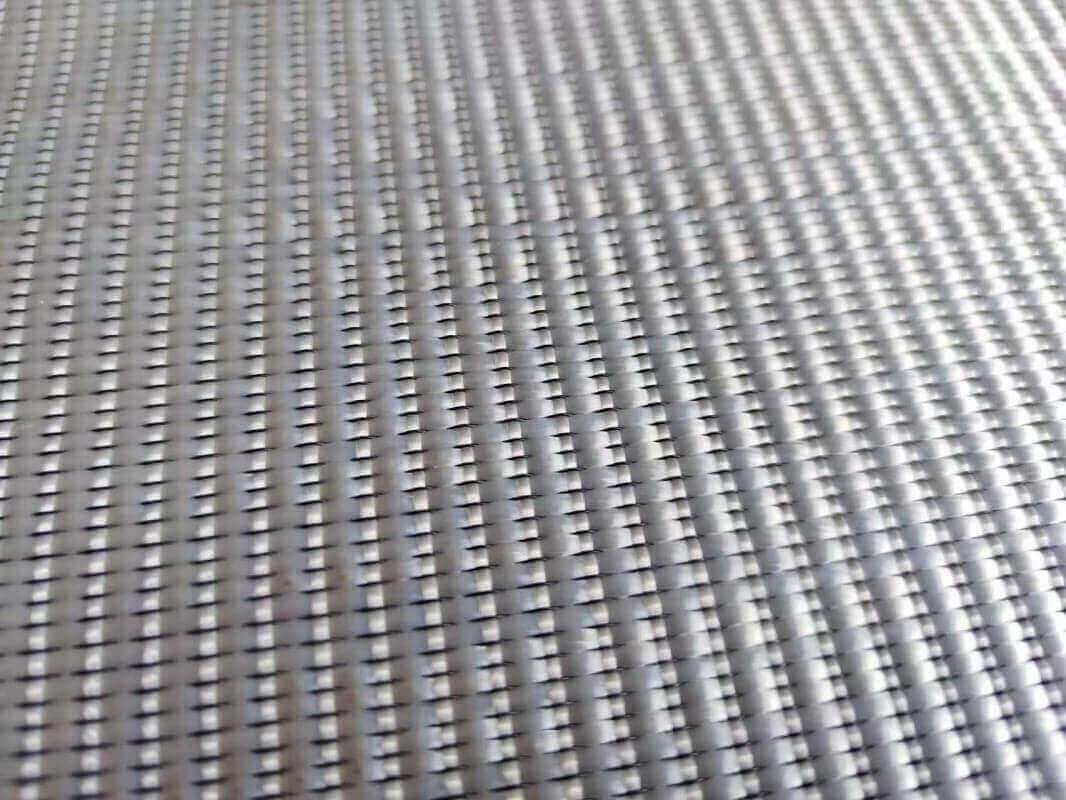
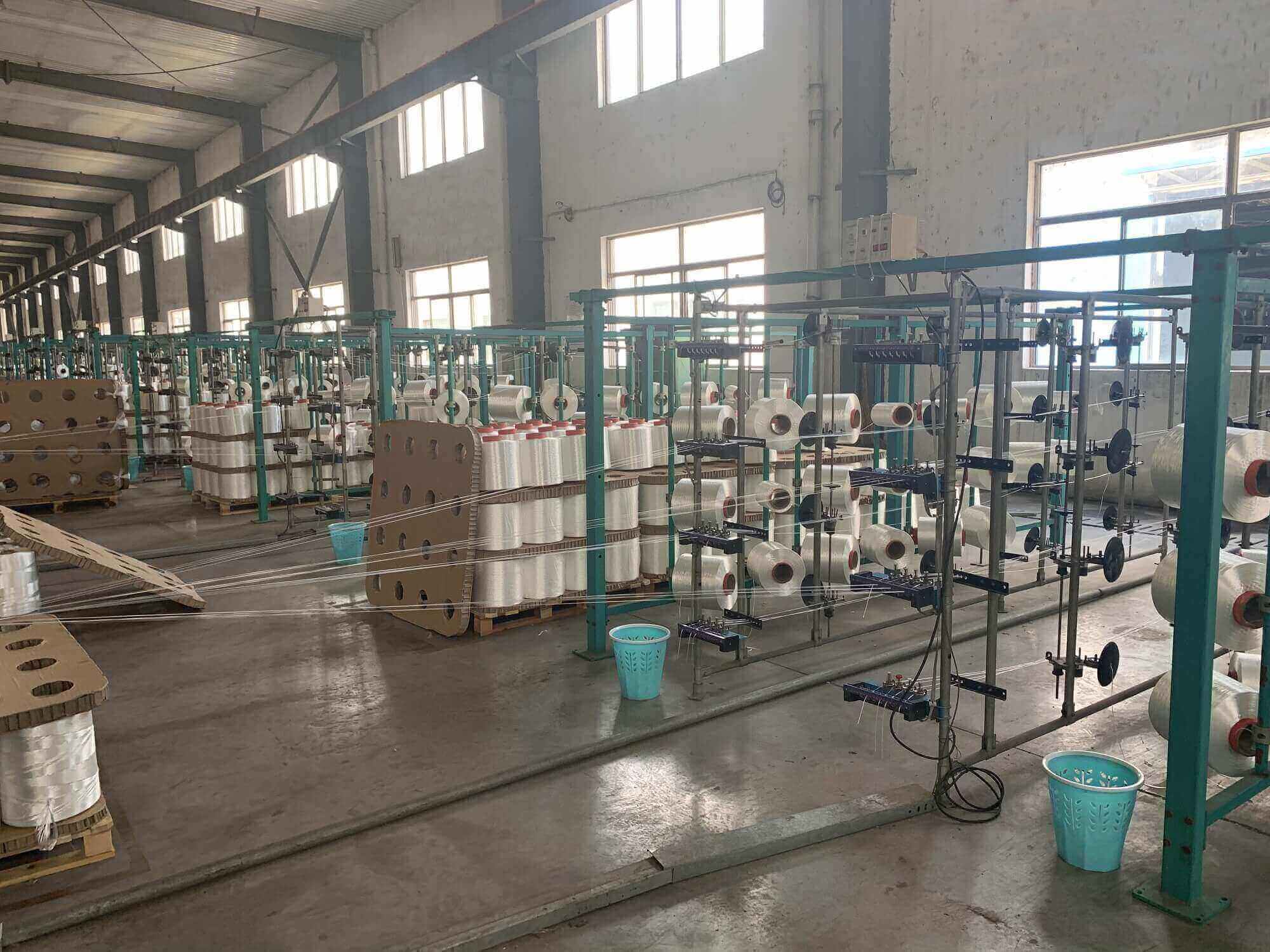
Woven geotextiles are exactly what they sound like: fabrics made by weaving fibers together on a loom. This creates a strong, durable material.
Key Features of Woven Geotextiles:
- Strength: These fabrics are incredibly strong, making them perfect for projects like road construction or parking lots where the ground needs extra support.
- Low Permeability: Woven geotextiles aren’t great at letting water through, so they’re not the best for drainage.
- UV Resistance: They can handle exposure to sunlight, making them a good choice for long-term projects.
Woven geotextiles are often measured by their tensile strength, which tells you how much tension the fabric can handle before it breaks. If your project involves heavy loads or needs serious ground stabilization, woven geotextiles are the way to go.


What Is a Non Woven Geotextile?
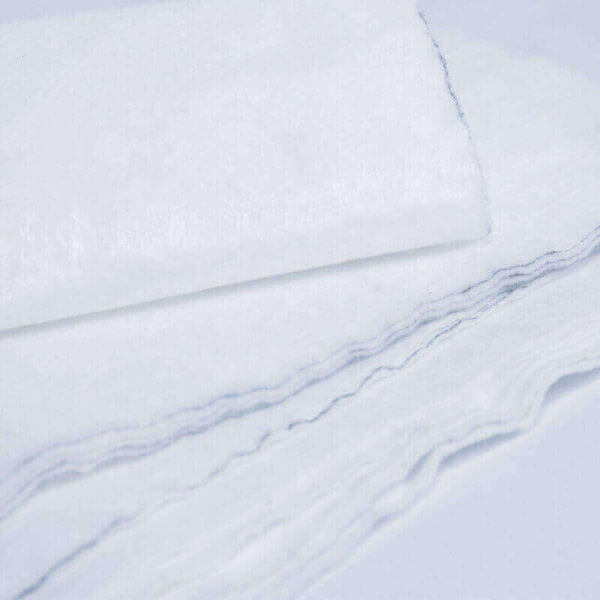
Non woven geotextiles are made differently. Instead of weaving fibers, manufacturers use methods like needle punching to entangle the fibers. Sometimes, they add heat to make the fabric even stronger.
Key Features of Non Woven Geotextiles:
High Permeability: These fabrics are great at letting water through, making them ideal for drainage and filtration.
Soft and Flexible: Non woven geotextiles feel more like felt, and they’re easier to handle and cut.
Measured by Weight: Unlike woven geotextiles, which are measured by strength, non woven geotextiles are rated by their weight in grams per square meter (gsm).
Non woven geotextile fabric is best used for projects where filtration, drainage, or protection is key. For example, they’re often placed around drainage pipes or under layers of soil to prevent erosion.


Woven vs Non Woven Geotextile: The Key Differences
When it comes to choosing between woven and non woven geotextiles, the decision depends on your project’s needs. Here’s a quick comparison:
For heavy-duty stabilization, woven geotextiles are your best bet. But if your project involves water flow or filtration, go with non woven geotextile fabric.
| Feature | Woven geotextile | Non woven geotextile | |
|---|---|---|---|
| Strength | Very strong,ideal for stabilization | Soft,less strong | |
| Permeablility | low,not good for drainage | High,great for drainage | |
| Durability | long-lasting,UV resistant | good for short-term use | |
| Applications | Road,parking lots | Filtration,draiange,protection |
Common Uses of Woven and Non Woven Geotextiles
To give you a clearer idea, here are some real-world examples:
Woven Geotextile Applications:
- Building roads or highways.
- Stabilizing parking lot foundations.
- Preventing erosion on slopes.
Non Woven Geotextile Applications:
- Wrapping drainage pipes to keep soil out.
- Protecting geomembranes in landfill projects.
- Filtering water in retention ponds or ditches.


How to Choose the Right Geotextile
Still not sure whether to go for a woven or non woven geotextile? Here are some tips:
Understand Your Project Needs: Do you need strength or drainage? Stabilization or filtration?
Consider the Environment: Will the fabric be exposed to sunlight? Will it need to handle heavy loads?
Get Expert Advice: If you’re unsure, don’t hesitate to ask a supplier or expert for help. They can recommend the best geotextile for your specific project.
Woven and non woven geotextiles each have their own strengths and uses. Understanding the differences between them can help you choose the right material for your project. Whether you’re stabilizing a road, managing drainage, or protecting against erosion, there’s a geotextile that’s perfect for the job.
Need help picking the right geotextile? Reach out to our team of experts. We’re here to make sure your project is a success from the ground up! Please follow our Linkedin and Facebook for more details!
Recent Post
Aquaculture Pond Lining in Indonesia | From Design to Installation
From Project Drawing to Water Filling: An Aquaculture Pond Lining Project in Indonesia This aquaculture pond project in Indonesia started with a project drawing.The customer firstly contacted us
When Is Geotextile Really Necessary?
When Is Geotextile Really Necessary in Civil Engineering Projects? Geotextiles are widely used in modern infrastructure and environmental engineering. However, a common question among engineers, designers, and contractors is: Is geotextile always necessary? In
Woven Polypropylene Geotextile Manufacturer | Engineering Grade & Landscape Fabric
Woven Polypropylene Geotextile Manufacturer | Engineering Grade & Landscape Fabric By Planetliner — Manufacturer of High-Performance Woven PP Fabrics for Global Projects Woven polypropylene geotextile has become a fundamental material in civil engineering, environmental protection,